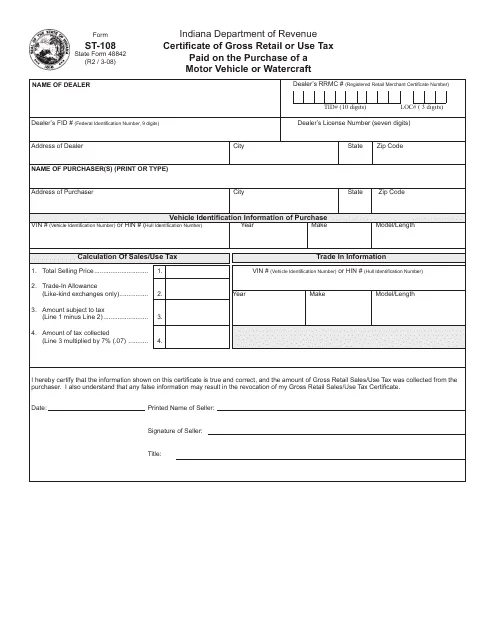
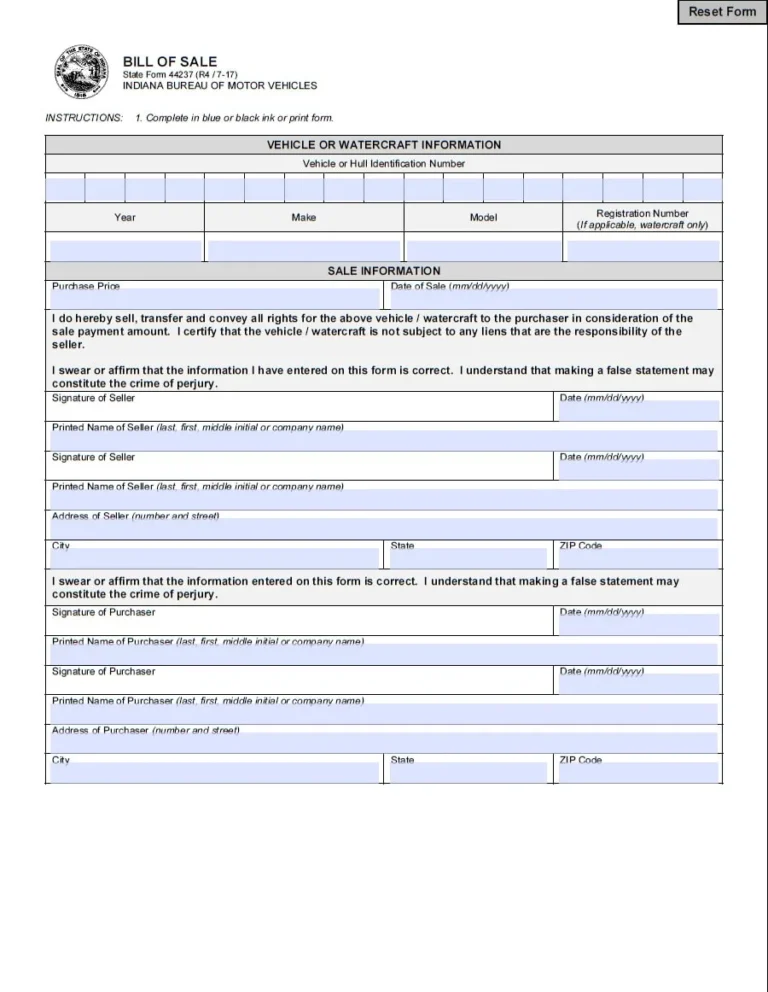
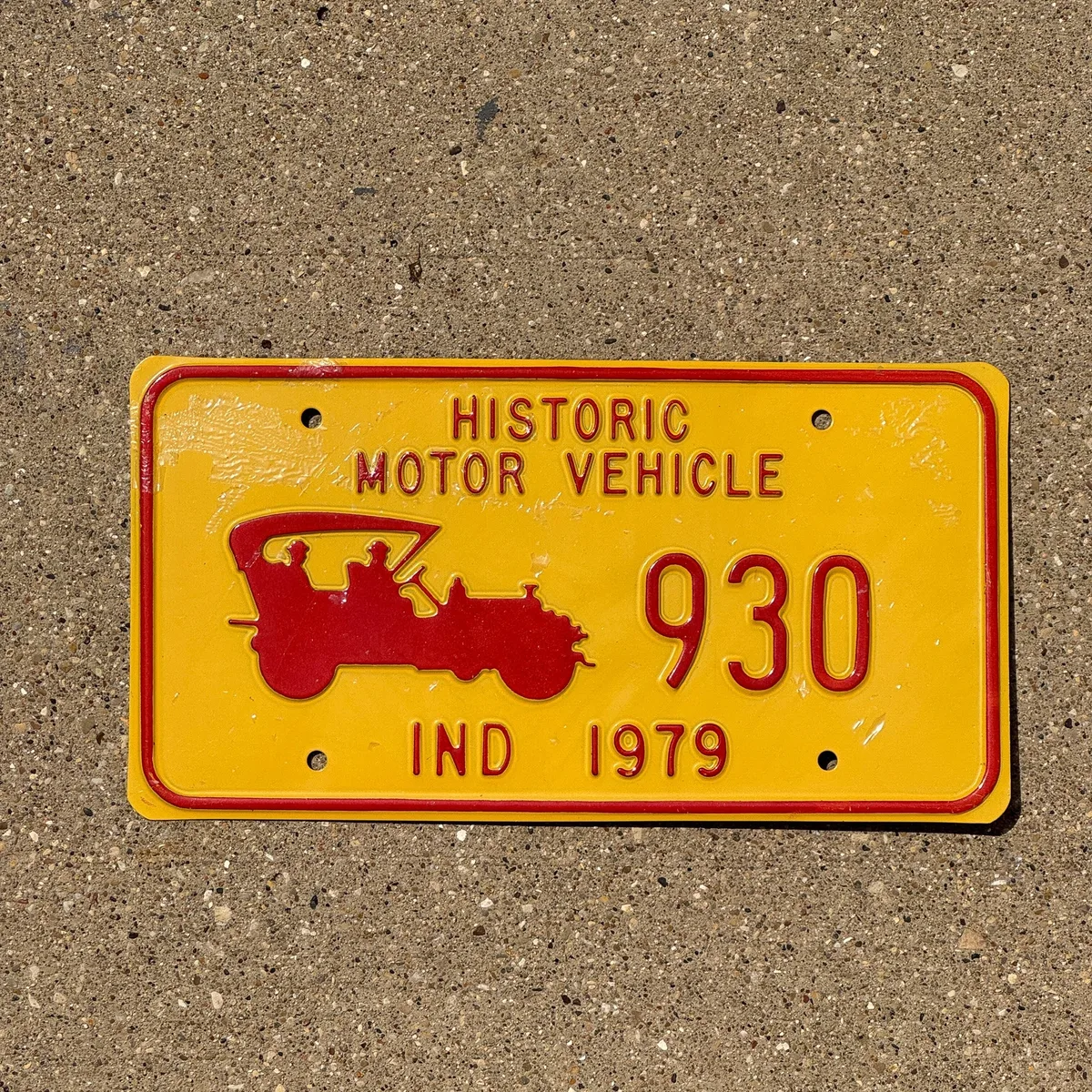
Indiana antique vehicle registration for cars 25 years and older lets you get specialty plates and lower fees for your classic ride. The state’s rule is simple: if your car is at least 25 years old, it qualifies as an antique, but you’ll still need to follow the right steps to register it properly.
As of 2026, the process involves proving your vehicle’s age, securing the right paperwork, and submitting it to the Indiana Bureau of Motor Vehicles. The good news is that antique vehicles often skip emissions testing, but there are a few key details to get right.
Quick Answer
Indiana antique vehicle registration for cars 25 years and older applies to any vehicle 25+ years old. You’ll need a title, proof of insurance, and a completed application. Fees are lower than standard registration.
Some counties require a VIN inspection.
Does Your Car Qualify as an Antique in Indiana?
Your car must be 25 years or older to qualify. The cutoff is based on the model year, not the manufacture date. For example, a 1999 model qualifies in 2024, but a 2000 model does not.
Modified vehicles may not qualify if the changes alter the original design significantly. The Indiana BMV has the final say, so confirm with your local branch if you’re unsure.
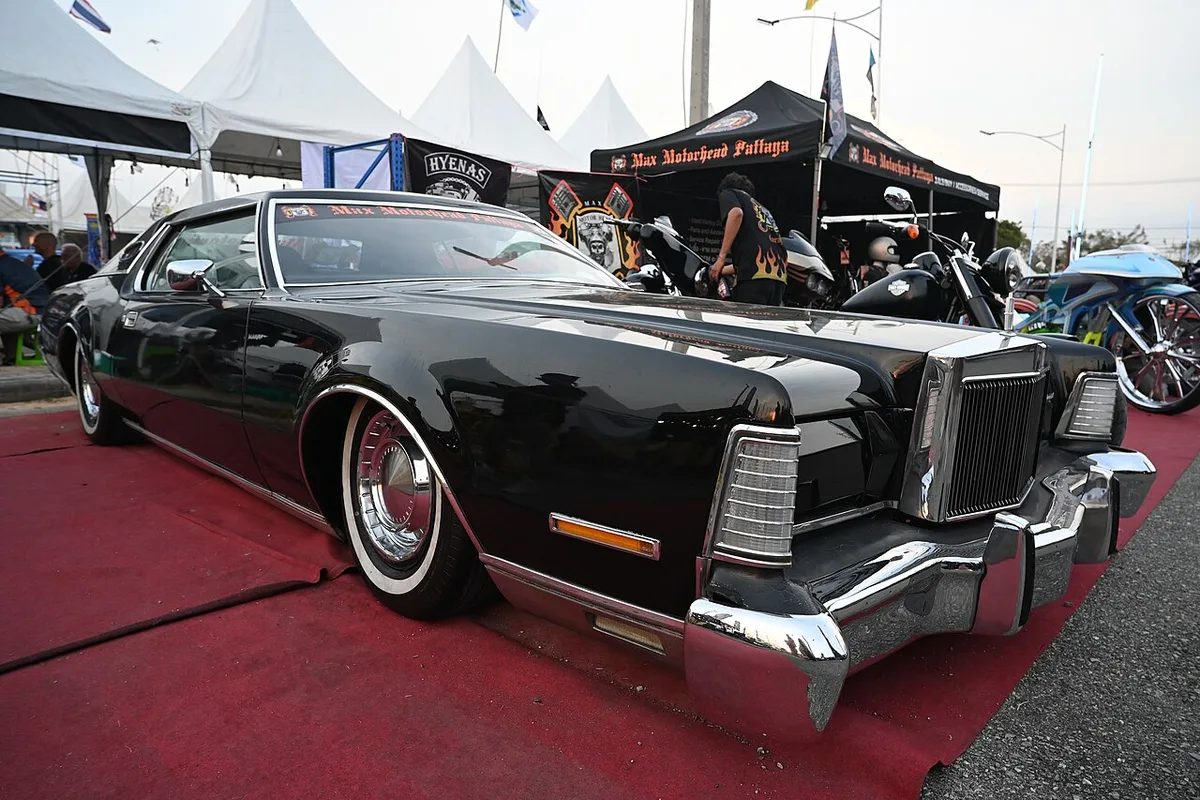
Indiana’s Antique Vehicle Registration vs. Standard Registration
Antique registration is cheaper and often comes with perks like specialty plates. Standard registration applies to newer vehicles and requires emissions testing in some counties.
Here’s a quick comparison:
| Feature | Antique Registration | Standard Registration |
|---|---|---|
| Age Requirement | 25+ years old | Any age |
| Emissions Testing | Exempt | Required in some counties |
| Fees | $20–$30 | Varies by vehicle |
| Plate Options | Specialty plates available | Standard plates only |
| Usage Restrictions | None (but check insurance) | None |
Antique registration is ideal for collectors who don’t use their vehicle as a daily driver.
What You’ll Need Before You Start
You’ll need a few key documents to register your antique vehicle in Indiana:
- Vehicle title (in your name)
- Proof of insurance (minimum $25k/$50k/$25k liability)
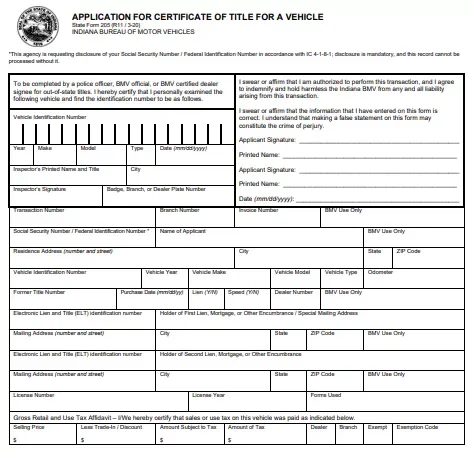
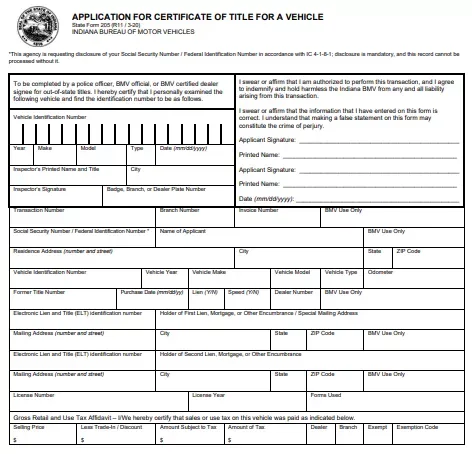
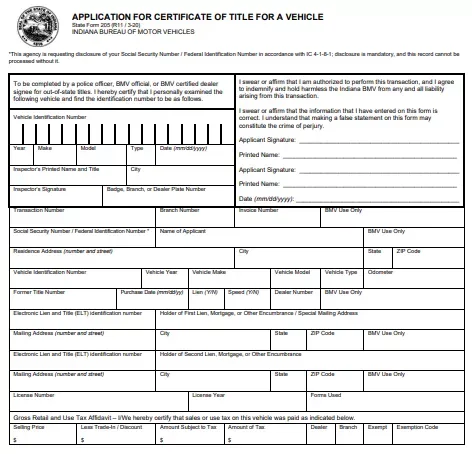
- Completed Form 205 (Application for Certificate of Title)
- Form 37530 (Affidavit of Ownership, if no title exists)
- VIN verification (for out-of-state vehicles or missing titles)
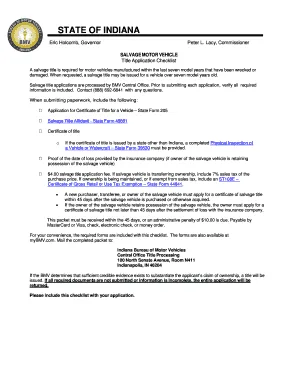
For official forms and guidelines, refer to the Indiana BMV website.
You’ll need a few key documents to register your antique vehicle in Indiana:
- Vehicle title (in your name)
- Proof of insurance (minimum $25k/$50k/$25k liability)
- Completed Form 205 (Application for Certificate of Title)
- Form 37530 (Affidavit of Ownership, if no title exists)
- VIN verification (for out-of-state vehicles or missing titles)
For official forms and guidelines, refer to the Indiana BMV website.
Step-by-Step: How to Register an Antique Car in Indiana
If You Have the Title
- Complete Form 205.
- Provide proof of insurance.
- Pay the registration fee ($20, $30).
- Submit in person at a BMV branch or by mail.
If You Don’t Have the Title
- File Form 37530 (Affidavit of Ownership).
- Get a VIN inspection if required.
- Submit the affidavit, inspection results, and proof of insurance.
- Pay title and registration fees.
If Your Car Is Modified or Custom
Modified vehicles may not qualify for antique registration. The BMV reviews each case individually. If your car is heavily modified, you might need a custom vehicle registration instead.
Fees, Timelines, and What to Expect
Antique registration typically costs $20, $30. Title fees add another $15 if you need a new one issued.
Processing takes 1, 2 weeks for mail-in applications. In-person submissions often get same-day service. Some counties may add a small service fee.
Where and How to Submit Your Application
You can submit your application in person at any Indiana BMV branch. Mail-in options are available, but in-person visits are faster.
Check your local branch hours before visiting. Some locations require appointments for title services.
Can You Drive Your Antique Car Daily in Indiana?
Yes, you can drive an antique car daily in Indiana. The state does not impose usage limits on antique plates.
However, insurance companies often have their own restrictions. Many antique policies limit mileage or require garage storage. Always check with your provider.
Common Mistakes That Get Applications Rejected
Missing or incorrect paperwork is the top reason for rejection. Double-check that your title is in your name and matches the VIN.
Another common issue is failing to provide proof of insurance. Indiana requires minimum liability coverage of $25,000 per person, $50,000 per accident, and $25,000 for property damage.
Modified vehicles without proper documentation also face rejection. Include photos and a detailed description if your car has significant changes.
Insurance Requirements for Antique Vehicles
Indiana requires the same minimum liability insurance for antique vehicles as standard cars. However, many owners opt for specialty antique insurance.
These policies often include agreed-value coverage. They may also offer lower premiums since antique cars are typically driven less.
Check with providers like Hagerty or Grundy for quotes. Standard insurers may not offer the same level of protection for classic vehicles.
Specialty Plates: Year of Manufacture vs. Standard Antique
Year of Manufacture plates match your car’s original model year. These are popular with collectors who want an authentic look.
Standard antique plates simply say "Antique Auto" without a year. Year of Manufacture plates require additional documentation to prove the vehicle’s age and plate authenticity.
Out-of-State Vehicles: Extra Steps You Can’t Skip
Out-of-state vehicles need a VIN inspection before registration. This verifies the vehicle’s identity and ensures it’s not stolen.
You’ll also need to provide a title from your previous state. If you don’t have one, you’ll need to apply for a bonded title or provide an affidavit of ownership.
FAQs About Indiana Antique Vehicle Registration
What counts as proof of ownership if I don’t have a title?
You can use a bill of sale, previous registration, or a court order. The BMV may also accept an affidavit of ownership if you’ve owned the vehicle for a while.
Can I use antique plates on a modified car?
Minor changes like paint or interior upgrades are usually fine. Major alterations to the frame, engine, or body may disqualify your car.
How often do I need to renew antique registration?
Antique registration in Indiana is typically renewed annually. Check your registration documents for the exact timeline.
Do antique cars need emissions testing?
No. Vehicles 25 years or older are exempt from emissions testing in Indiana.
Can I transfer antique plates to another vehicle?
No. Antique plates are non-transferable and tied to the specific vehicle. The new owner must apply for their own antique registration.