ByMax Lee
Indiana’s 60-Day Registration Deadline for New Residents
Moving to Indiana means your car needs to follow the state’s rules, and the Indiana 60 day registration deadline for new residents moving to state is one of the first you’ll hit. Miss it, and you risk fines or trouble with law enforcement. The clock starts the moment you establish residency, not when you remember to visit the BMV.
Indiana’s Bureau of Motor Vehicles doesn’t make exceptions for forgetfulness. As of 2026, the law is clear: 60 days to register, or you’re out of compliance. The good news is the process is straightforward if you know what to bring.
Quick Answer
The Indiana 60 day registration deadline for new residents moving to state is firm. You have 60 days from establishing residency to register your vehicle. The Indiana BMV requires in-person visits.
Bring your out-of-state title, proof of insurance, and residency documents. Late registration can result in penalties.
What Counts as a "New Resident" in Indiana?
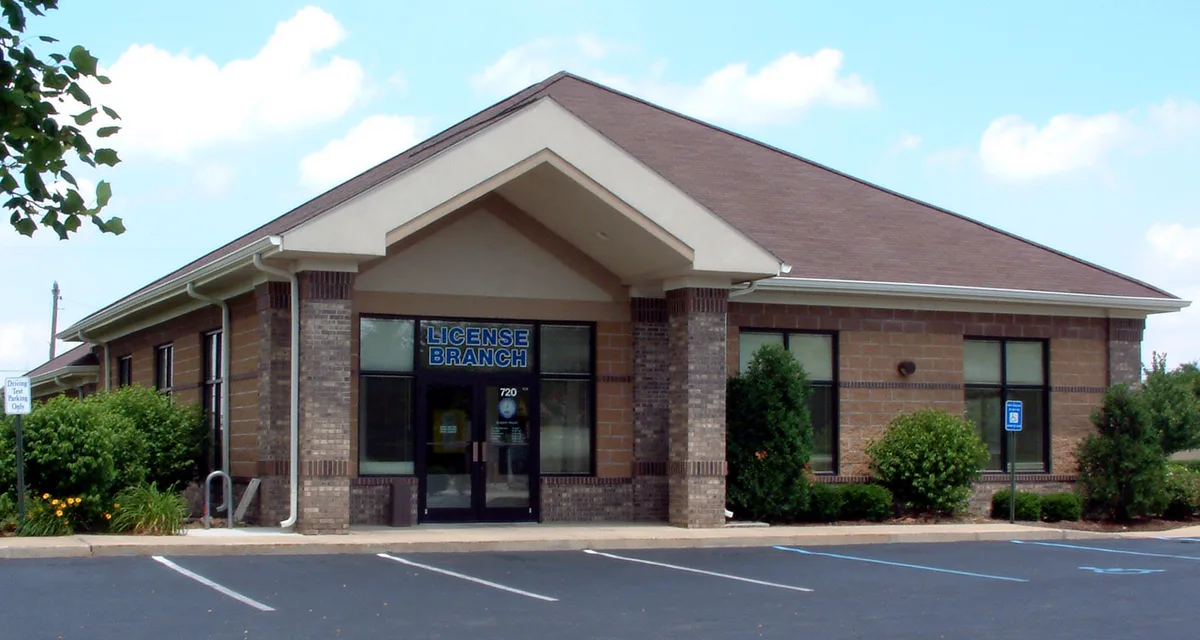
Wikimedia Commons / Huw Williams (Huwmanbeing)
Indiana considers you a new resident once you’ve lived in the state for more than 60 days. This includes renting or owning a home, enrolling kids in school, or accepting a job. Even if you’re splitting time between states, Indiana expects you to register your vehicle if it’s primarily garaged there.
Military personnel on active duty have some flexibility. If you’re stationed in Indiana but maintain legal residency elsewhere, you may not need to register your vehicle. The same goes for full-time students who keep their out-of-state address.
The Exact Documents You’ll Need at the BMV
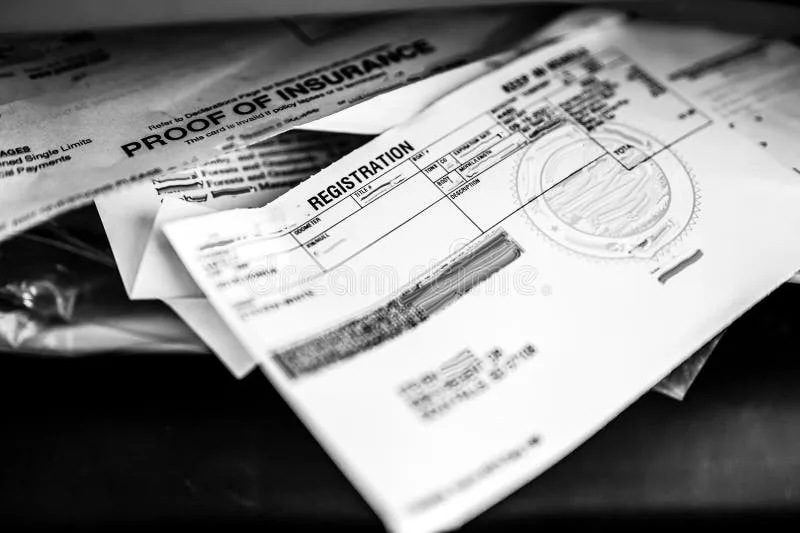
Bing (Web (fair-use with source credit))
You can’t walk into the BMV empty-handed. Here’s what you’ll need to register your out-of-state vehicle:
- Out-of-state title: Must be in your name. If there’s a lien, the lender’s name will be on it.
- Proof of insurance: Indiana requires minimum liability coverage of 25/50/25.
- Proof of residency: Two documents showing your Indiana address, like a utility bill or lease agreement.
- Vehicle identification: Your car’s VIN, usually on the dashboard or door jamb.
- Odometer disclosure: Required for vehicles under 10 years old.
If your title is held by a lender, bring the lienholder’s information. Without these documents, you’ll be turned away.
How the 60-Day Deadline Actually Works
The 60-day window isn’t a suggestion. It’s a legal requirement under Indiana Code IC 9-18-2-2. The countdown starts the day you establish residency, not the day you remember to visit the BMV.
If you’re unsure when your 60 days began, think about when you first moved in. That’s your start date. The BMV won’t send reminders, so mark your calendar.
Some branches have long wait times, so don’t cut it close.
Step-by-Step: Registering Your Out-of-State Car in Indiana

Wikimedia Commons / puuikibeach (CC BY)
Here’s how to get it done without delays:
- Gather your documents: Use the checklist above. Double-check that everything is in order.
- Visit a BMV branch: Indiana requires in-person registration for new residents. Find your nearest location on the Indiana BMV website.
- Complete the application: Fill out the vehicle registration form at the branch.
- Pay the fees: Registration fees vary by vehicle type and weight. Expect $20, $50, plus title fees if applicable.
- Get your plates: You’ll receive new Indiana license plates and a registration sticker.
If your car needs an emissions test, do that first. Some counties require it before registration.
Emissions Testing: Do You Need It?
Bing (Web (fair-use with source credit))
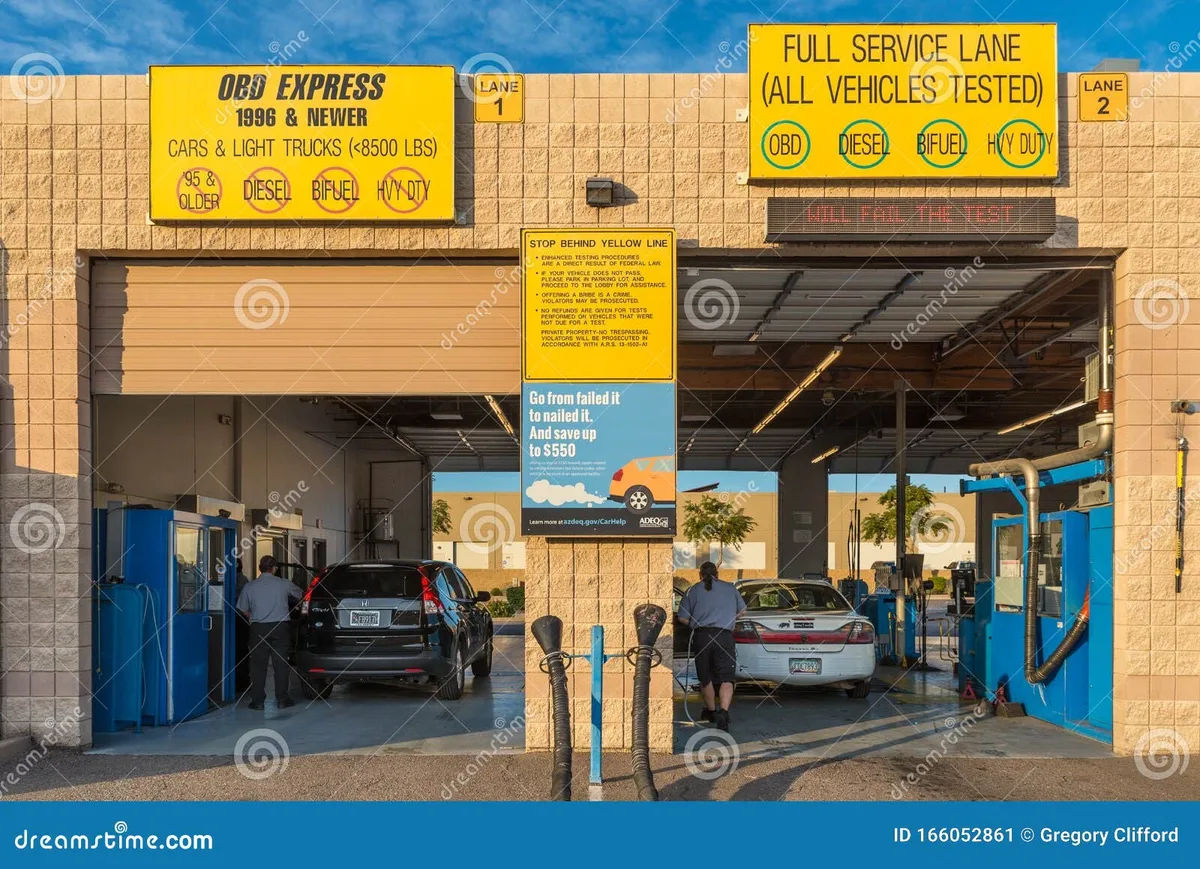
Not every Indiana county requires emissions testing. As of 2026, only Lake and Porter counties enforce it for most vehicles. If you live elsewhere, you can skip this step.
Check your county’s rules on the Indiana DEM website. If testing is required, you’ll need to pass before registering. Most stations don’t require appointments, but wait times can be long during peak hours.
Fees You’ll Pay (And How to Avoid Surprises)
Registration fees in Indiana depend on your vehicle’s type and weight. Passenger cars typically cost $21, $39 for a two-year registration. Add $15 for the title transfer if your car was previously registered out of state.
| Fee Type | Cost (2026) | Notes |
|---|---|---|
| Passenger vehicle registration | $21–$39 | Varies by weight |
| Title transfer | $15 | Required for out-of-state vehicles |
| License plates | $10–$20 | New plates for new residents |
| Late fee | Varies | Applied if you miss the 60-day deadline |
Some counties add local fees, so ask at your BMV branch. Paying with a card may incur a small processing fee.
What Happens If You Miss the 60-Day Window?
The BMV doesn’t send reminders. If you’re late, you’ll face penalties that grow the longer you wait. These can include fines, and you may not be able to register your vehicle until you resolve the issue.
Worse, driving an unregistered car can lead to traffic stops and tickets. Law enforcement can check your plates against the BMV database.
Military & Temporary Residents: Special Rules
Active-duty military personnel stationed in Indiana often get an extension. If you maintain legal residency in another state, you may not need to register your vehicle in Indiana. The same applies to full-time students who keep their out-of-state address.
For everyone else, the 60-day rule stands. If you’re unsure about your status, contact the BMV or check their military residency guidelines.
Common Mistakes That Delay Your Registration
Bringing the wrong documents is the top reason for delays. Double-check that your title is in your name and that your insurance meets Indiana’s minimum requirements.
Another common issue is waiting until the last minute. Some BMV branches have long lines, especially on weekends. If you’re cutting it close, visit mid-week or early in the morning.
Also, if your car needs an emissions test, do that first.
Quick Checklist Before You Head to the BMV
Use this to avoid a wasted trip:
- Confirm your residency start date
- Gather your out-of-state title and proof of insurance
- Bring two residency documents
- Check if your county requires emissions testing
- Bring payment for fees
Use this to avoid a wasted trip:
- Confirm your residency start date
- Gather your out-of-state title and proof of insurance
- Bring two residency documents
- Check if your county requires emissions testing
- Bring payment for fees
FAQs About Indiana’s New Resident Vehicle Registration
Do I need to register my car if I’m only in Indiana temporarily?
No, if you’re a temporary resident like a student or seasonal worker, you may not need to register. The 60-day rule applies to those establishing permanent residency.
Can I register my car online as a new resident?
No, Indiana requires in-person registration for new residents. You must visit a BMV branch with your documents.
What if my out-of-state title is lost or missing?
You’ll need to request a duplicate title from your previous state before registering in Indiana. The BMV won’t process registration without it.
How much does it cost to register a car in Indiana as a new resident?
Fees vary by vehicle type and weight. Expect $21, $39 for registration, plus $15 for title transfer, and $10, $20 for new plates.
What happens if I drive with out-of-state plates after 60 days?
You risk fines and tickets. Law enforcement can check your plates against BMV records, and non-compliance can lead to penalties.
Can someone else register my car for me?
No, the vehicle owner must be present with their ID and documents. The BMV doesn’t allow third-party registration for new residents.