ByMax Lee
Indiana Amateur Radio License Plate Guide
Bing (Web (fair-use with source credit))
If you're a licensed ham radio operator in Indiana, you can display your call sign on a specialty license plate, but only if you meet the state's requirements. The Indiana amateur radio license plate eligibility and application process is straightforward once you know the rules, but missing a single step can delay approval.
As of 2026, the Indiana Bureau of Motor Vehicles requires a valid FCC amateur radio license and proper vehicle registration. The plate itself follows standard dimensions, with your assigned call sign replacing the usual alphanumeric sequence.
Quick Answer
You qualify for an Indiana amateur radio license plate if you hold a valid FCC amateur radio license. The application requires proof of license, vehicle registration, and payment of specialty plate fees. Processing typically takes 2, 4 weeks for mail-in applications.
In-person submissions at a BMV branch can be same-day.
Are You Eligible for an Indiana Amateur Radio License Plate?
You’re eligible if you meet three conditions:
- You hold a current FCC amateur radio license (Technician, General, or Amateur Extra class)
- Your vehicle is registered in Indiana
- You’re applying for a passenger vehicle, motorcycle, or recreational vehicle
The FCC license must be active. Out-of-state residents can’t apply, even with a valid FCC license. The vehicle must be in your name or jointly owned.
What the Plate Looks Like and What It Includes
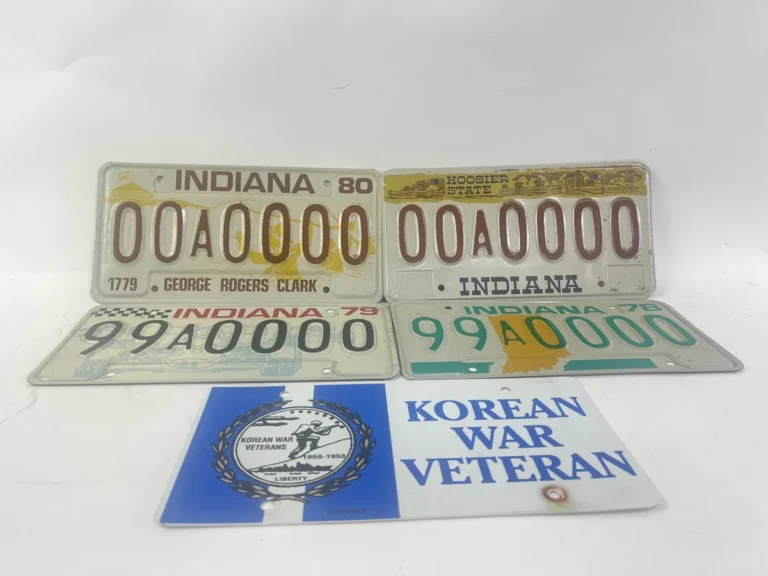
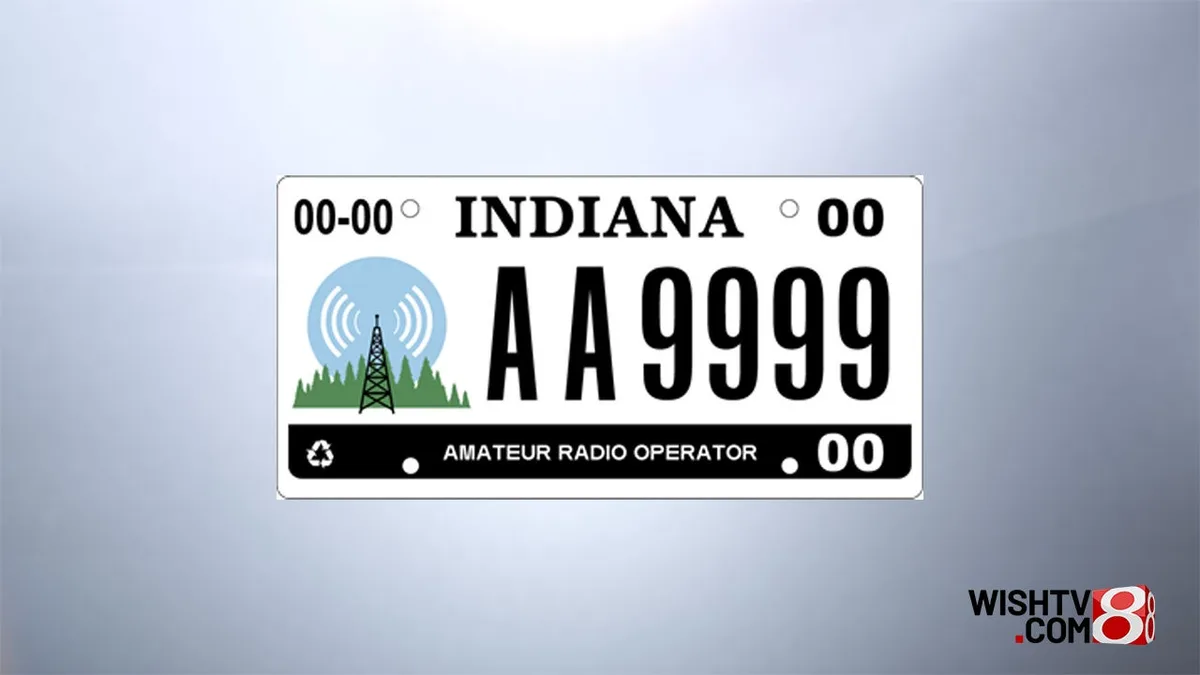
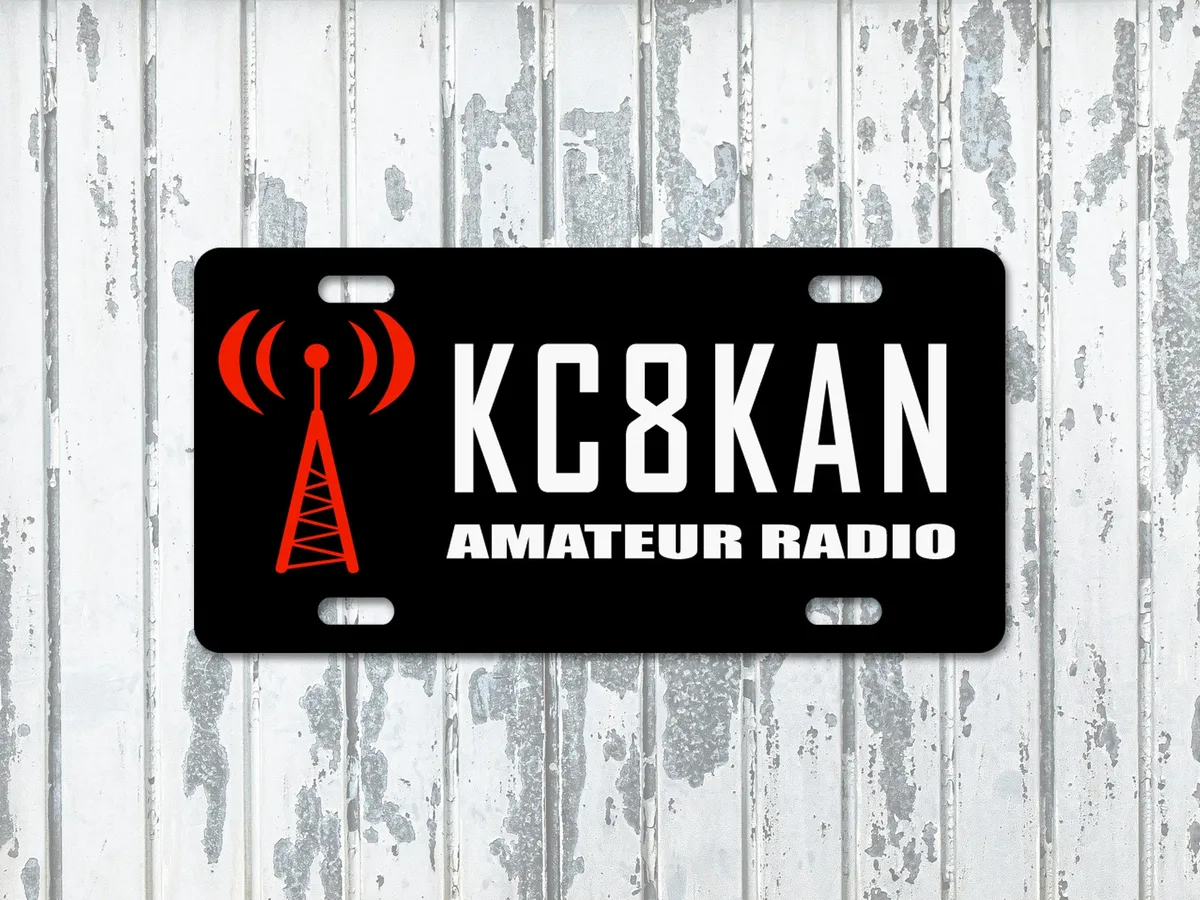
The plate follows Indiana’s standard design but replaces the random alphanumeric sequence with your FCC-assigned call sign. It’s the same size as a regular plate (12 inches by 6 inches) and uses the same reflective material.
Bing (Web (fair-use with source credit))
Your call sign appears in the center, formatted exactly as issued by the FCC. No custom fonts or colors are allowed. The plate doesn’t grant any special driving privileges, but it does signal your amateur radio status.
Why Get an Amateur Radio Plate in Indiana?
Displaying your call sign on your plate serves a few practical purposes. It’s a legal way to identify yourself as a licensed operator, which can be useful during emergencies or public service events. Some insurance providers also offer discounts for amateur radio operators, though this varies by carrier.
For many, it’s also about community. The plate signals your involvement in the hobby to other hams, which can spark conversations or connections at local meets.
Indiana BMV’s Exact Eligibility Rules
The BMV has clear, non-negotiable requirements. You must:
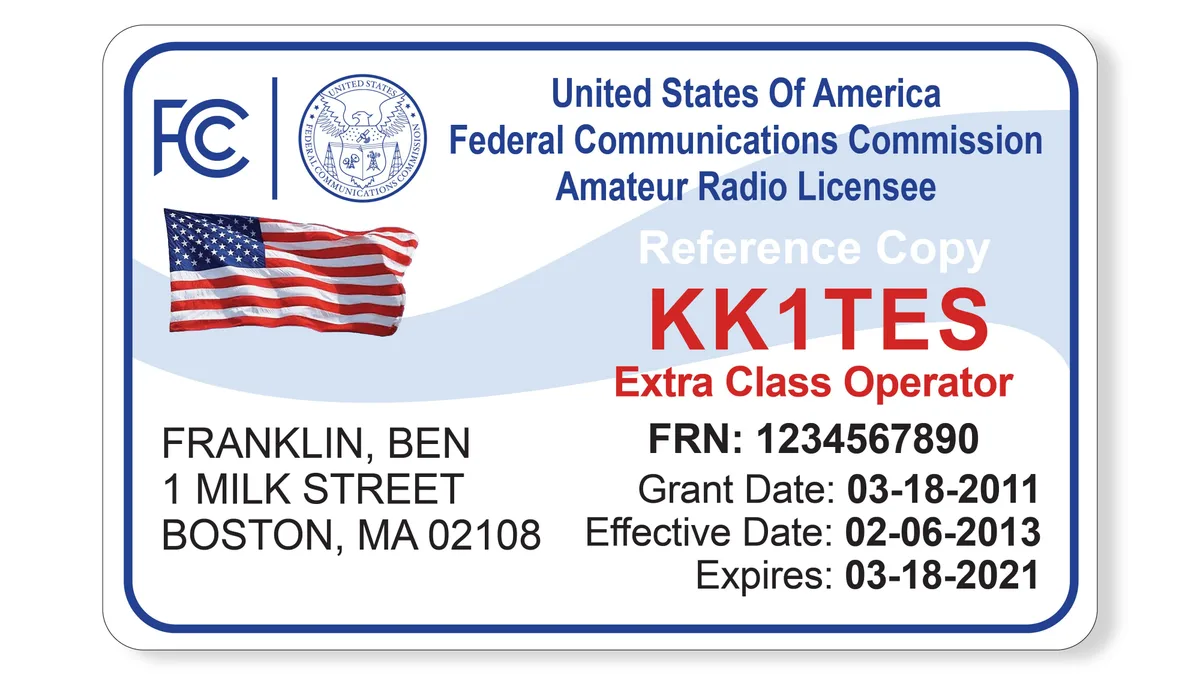
- Present a valid FCC amateur radio license (physical or digital copy)
- Provide proof of Indiana vehicle registration
- Show a government-issued ID matching the vehicle’s ownership records
Bing (Web (fair-use with source credit))
Your FCC license class doesn’t affect eligibility. However, the name on your FCC license must match the name on your vehicle registration. If you’ve recently changed your name, update both documents before applying.
The vehicle must be a passenger car, truck, motorcycle, or RV. Trailers, commercial vehicles, and off-road vehicles don’t qualify.
Step-by-Step Application Process
You have two ways to apply: in person at a BMV branch or by mail. Both require the same documents, but in-person submissions often process faster.
For mail-in applications, send your completed form, copies of your FCC license, vehicle registration, and payment to the address listed on the BMV’s specialty plate page.
In-Person at a BMV Branch
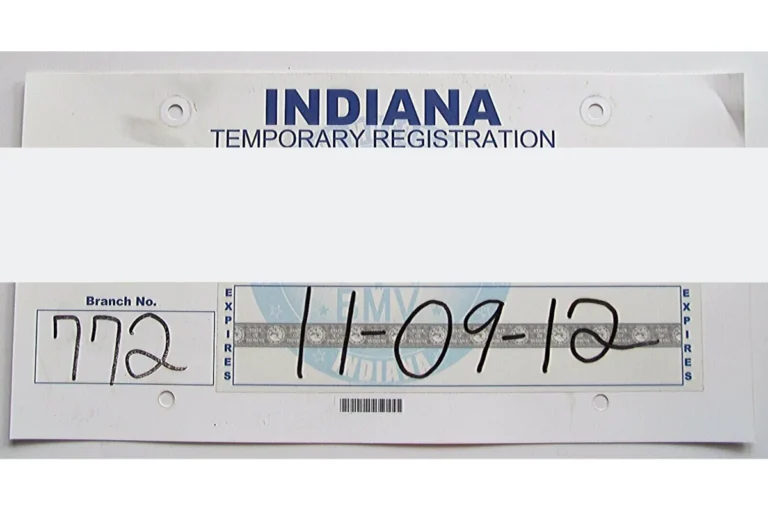
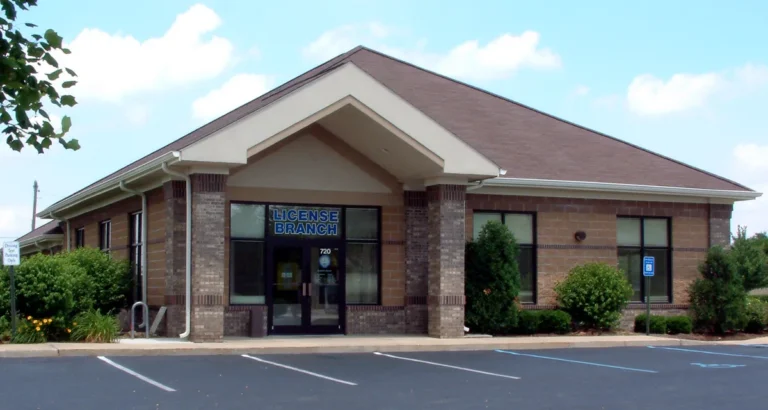
Visit any Indiana BMV location with your documents. The staff will verify your eligibility on the spot and issue a temporary permit if approved.
Bing (Web (fair-use with source credit))
Bring the originals of your FCC license and vehicle registration. Payment can be made by card, cash, or check.
Online or Mail-In Application
Mail-in applications use the same form as in-person submissions. Download it from the Indiana BMV website, fill it out, and include copies of your documents.
Processing takes about 2 to 4 weeks. You’ll receive your plate by mail once approved. There’s no online submission option.
Required Documents You’ll Need
The BMV requires three things:
- A copy of your FCC amateur radio license
- Proof of Indiana vehicle registration
- A completed specialty plate application form
Your FCC license can be a physical copy or a printed digital version from the FCC’s license search tool. The vehicle registration must be current and in your name.
Fees and Costs to Expect
The specialty plate fee is $40 for the initial issuance. Renewal costs $20 every year or biennially, depending on your registration cycle.
Standard registration fees still apply. These vary by vehicle type and weight but typically range from $20 to $50.
Processing Time and What Happens Next
In-person applications often result in a temporary permit issued the same day. Your permanent plate arrives by mail within 10 to 14 business days.
Mail-in applications take longer. The BMV processes them in the order received, and you should allow 2 to 4 weeks for delivery. You can check the status of your application online using the BMV’s license plate lookup tool.
Common Mistakes That Get Applications Rejected
The most frequent issue is a name mismatch between your FCC license and vehicle registration. Even a middle initial difference can trigger a rejection.
Another common problem is submitting an expired FCC license. Incomplete forms or missing signatures also cause delays.
Renewing or Replacing Your Plate
Renewal follows the same cycle as your vehicle registration. You’ll pay the $20 specialty plate fee again at renewal time.
If your plate is lost or damaged, request a replacement through the BMV. You’ll need to provide your vehicle registration and pay a replacement fee.
Legal Rules You Must Follow
Indiana law requires your plate to be clearly visible and unobstructed. No frames or covers that hide any part of the call sign are allowed.
You must keep your FCC license current. If your license expires, you’re no longer eligible for the plate.
Frequently Asked Questions
Can I use a vanity call sign on my plate?
No. The plate must display the exact call sign assigned by the FCC.
What if my FCC license is suspended?
You’re not eligible for the plate while your license is suspended. Reinstate your license with the FCC first, then reapply with the BMV.
Do I need to surrender my old plates?
Yes. When you receive your amateur radio plate, you must return your old plates to the BMV.
Can I transfer my plate to another vehicle?
No. The plate is tied to the specific vehicle listed on your application.
How do I update my call sign on the plate?
First, update your call sign with the FCC. Then, visit a BMV branch with your new FCC license and vehicle registration to request a replacement plate.