ByMax Lee
How to Wash a Car Engine at the Carwash: Easy Steps Revealed
Keeping your car engine clean is very important. A clean engine helps your car run better. It also makes your car look nice when you open the hood. But washing an engine can be tricky. Doing it the wrong way can cause damage.
This article will explain how to wash a car engine safely at the carwash. We will use simple words and easy steps. You can follow them even if your English is not very strong.
Why Clean Your Car Engine?
Car engines get dirty over time. Dust, oil, and grease build up on the engine parts. This dirt can cause problems. It can make the engine hot or slow. Cleaning the engine helps it stay cool and work well.
Also, a clean engine helps you see if there are leaks or broken parts. You can fix problems early if you see them. This can save money on repairs later.
Is It Safe to Wash a Car Engine at the Carwash?
Many people wonder if it is safe to wash an engine at the carwash. The answer is yes, if you do it right. Some carwashes have special areas or machines for engine cleaning.
But you must be careful. Water and electricity do not mix well. Some engine parts are sensitive to water. So, you need to protect these parts before washing.
What You Need Before Washing Your Engine
Before you start, gather these things:
- Plastic bags or plastic wrap
- Rubber bands or tape
- Engine cleaner or degreaser
- Soft brush or cloth
- Water hose or carwash spray
- Gloves to protect your hands
At the carwash, you may use their water spray or pressure washer. But do not use very strong water pressure on the engine.

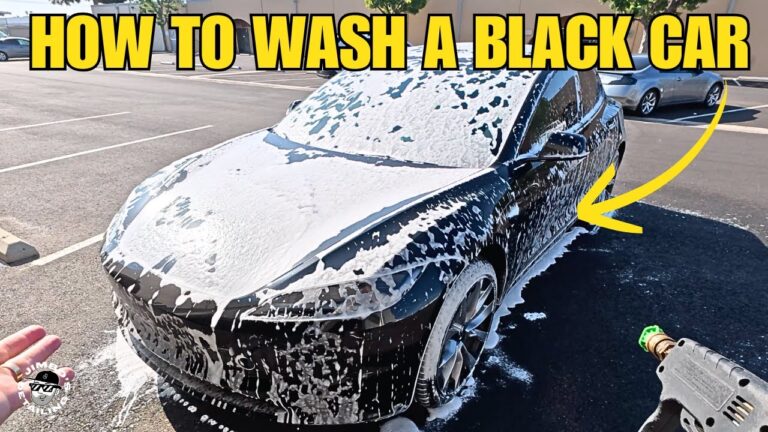
Credit: www.autofinesse.com
Step-by-Step Guide to Wash Your Car Engine at the Carwash
Step 1: Let Your Engine Cool Down
Do not wash a hot engine. Wait at least 30 minutes after driving. A hot engine can be damaged by cold water. You can burn yourself, too. So, wait until the engine is cool.
Step 2: Cover Sensitive Parts
Wrap plastic bags around parts that should not get wet. These parts include:
- Battery terminals
- Air intake
- Distributor
- Electrical connectors
- Fuse box
Use rubber bands or tape to hold the plastic in place. This stops water from entering these parts.
Step 3: Remove Loose Dirt
Use a soft brush or cloth to remove leaves, dust, and loose dirt. This step makes washing easier. It also stops dirt from scratching the engine parts.
Step 4: Apply Engine Cleaner Or Degreaser
Spray engine cleaner on dirty areas. Use a cleaner made for car engines. Avoid strong chemicals that can harm your engine.
Let the cleaner sit for 5 to 10 minutes. This helps break down grease and dirt.
Step 5: Gently Scrub The Engine
Use a soft brush to scrub the engine. Focus on very dirty spots. Do not use hard brushes. They can scratch or damage engine parts.
Step 6: Rinse The Engine Carefully
Use a water hose or carwash spray to rinse the engine. Do not use high pressure. Spray water gently to avoid damage.
Make sure to rinse all cleaner and dirt away. Leftover cleaner can cause corrosion.
Step 7: Dry The Engine
Use a clean cloth to dry the engine. Remove plastic covers carefully. Check that no water entered protected parts.
You can also let the engine air dry for a while before starting your car.
Important Tips for Washing Your Car Engine
- Always wear gloves to protect your hands.
- Do not spray water directly on electrical parts.
- Use products made for car engines only.
- Do not wash your engine too often; once every few months is enough.
- If unsure, ask a carwash worker for help.

Credit: www.youtube.com
What to Avoid When Washing a Car Engine
There are things you should never do when washing your engine. These are:
- Do not use a pressure washer on high setting.
- Do not spray water into air intake or exhaust.
- Do not use household cleaners like bleach or ammonia.
- Avoid washing a hot engine.
- Do not ignore engine warning lights after washing.
Benefits of Washing Your Car Engine
| Benefit | Explanation |
|---|---|
| Better Engine Performance | Clean engines run cooler and smoother. |
| Early Problem Detection | Clean engines show leaks or damage clearly. |
| Longer Engine Life | Less dirt means less wear and tear. |
| Improved Car Appearance | A clean engine looks neat and cared for. |
What to Do After Washing Your Engine
After you wash and dry the engine, start your car. Let it run for a few minutes. This helps dry any small water drops inside the engine bay.
Check your car dashboard. Make sure no warning lights are on. If you see any, stop the car and check the engine.
Summary
Washing a car engine at the carwash is safe if done carefully. Always protect sensitive parts with plastic covers. Use engine cleaner and soft brushes for dirt. Rinse gently with water and dry well. Wait for the engine to cool before starting.
Cleaning your engine helps your car last longer and run better. Do it slowly and carefully. Remember, if you are not sure, ask a carwash helper for advice.
Now you know how to wash your car engine at the carwash safely. Give it a try and keep your car happy and clean!
Frequently Asked Questions
Can I Wash My Car Engine At A Self-service Carwash?
Yes, many self-service carwashes allow engine cleaning with proper care and tools.
What Tools Do I Need To Wash A Car Engine Safely?
Use a brush, degreaser, plastic bags, and low-pressure water for safe cleaning.
How Long Does It Take To Wash A Car Engine At Carwash?
It usually takes about 15 to 30 minutes depending on dirt and method.
Is It Safe To Use High-pressure Water On Car Engines?
No, high pressure can damage electrical parts; use low-pressure water instead.