ByMax Lee
Iowa Move Over Law: Slow Down for Emergency Vehicles
Bing (Web (fair-use with source credit))
Iowa’s move over or slow down law for emergency vehicles on shoulder exists to protect first responders and roadside workers. This law requires drivers to change lanes or reduce speed when approaching stationary emergency vehicles with flashing lights.
Per Iowa Code § 321.323A, failing to comply can result in fines and, more importantly, puts lives at risk. The rule applies to police cars, fire trucks, ambulances, and tow trucks assisting on the shoulder.
Quick Answer
Iowa’s move over or slow down law for emergency vehicles on shoulder mandates a lane change when safe. If you can’t move over, slow down to 20 mph below the posted limit. The law covers all emergency and utility vehicles with flashing lights.
Violations carry fines and endanger roadside workers.
Why This Law Exists and Who It Protects
This law was created to prevent accidents involving emergency personnel and roadside workers. Every year, first responders are injured or killed by passing vehicles while assisting on highways.
Bing (Web (fair-use with source credit))
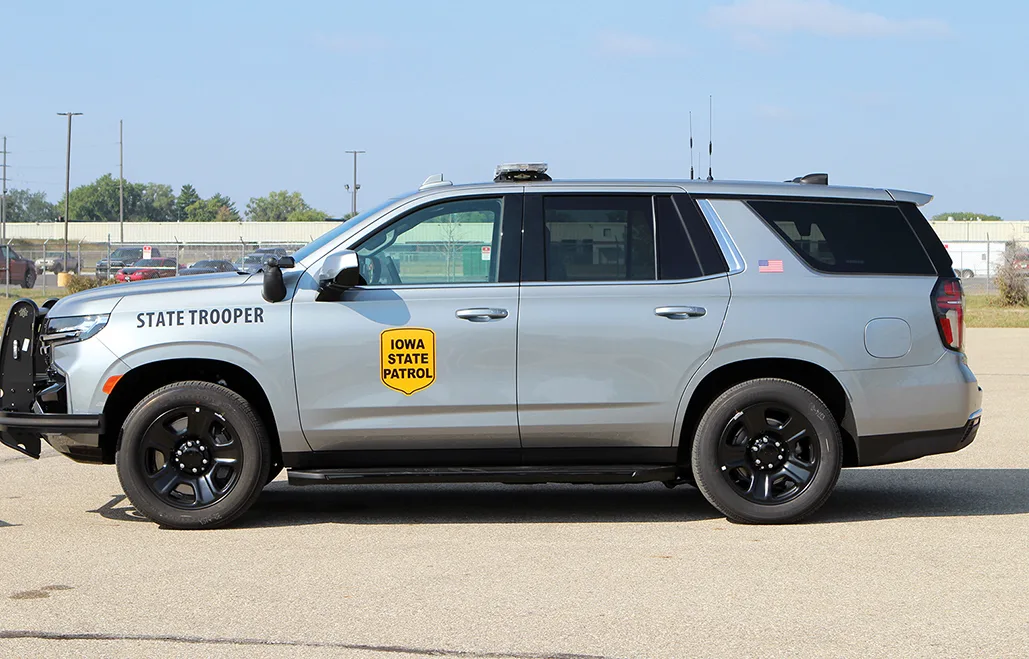
The law protects police officers, firefighters, EMTs, tow truck operators, and highway maintenance crews. It also applies to utility vehicles with amber lights, like those used by Iowa DOT workers. The goal is simple: give these workers a safer space to do their jobs.
According to the National Highway Traffic Safety Administration, hundreds of first responders are struck by vehicles annually across the U.S. Iowa’s law is one way to reduce that risk.
The Exact Rules: When You Must Move Over or Slow Down
The law kicks in when you see a stationary emergency vehicle with flashing lights on the shoulder. You must move over to the farthest lane away from the vehicle if it’s safe to do so.
If you can’t move over, you must slow down to at least 20 mph below the posted speed limit. This applies on all multi-lane roads, including interstates and urban streets. The requirement stays in effect until you’ve safely passed the emergency vehicle.
Single-lane roads are the exception. If there’s no room to move over, you only need to slow down. The law doesn’t require you to break other traffic rules, like crossing a solid line, to comply.
Which Vehicles Count Under Iowa’s Law
The law covers a broad range of vehicles, not just police cars and ambulances. Here’s the full list:
- Police vehicles with red or blue flashing lights
- Fire trucks with red flashing lights
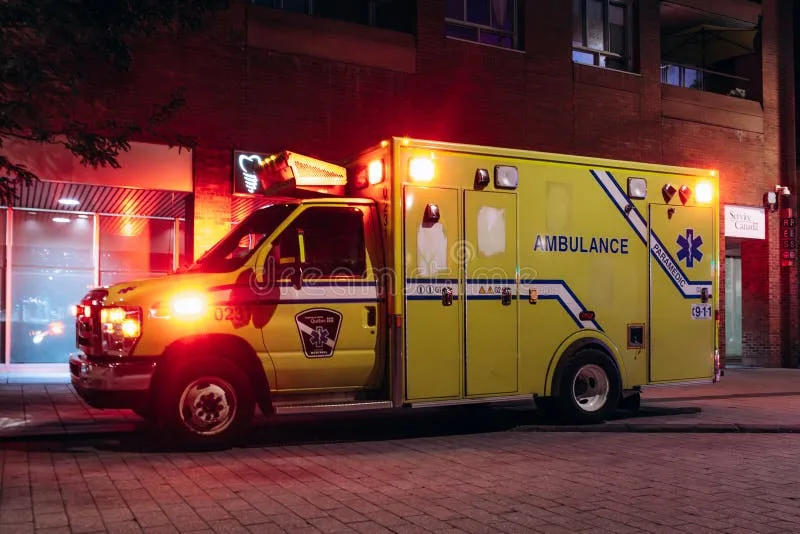
- Ambulances with red or red-and-blue flashing lights
- Tow trucks with amber or red flashing lights
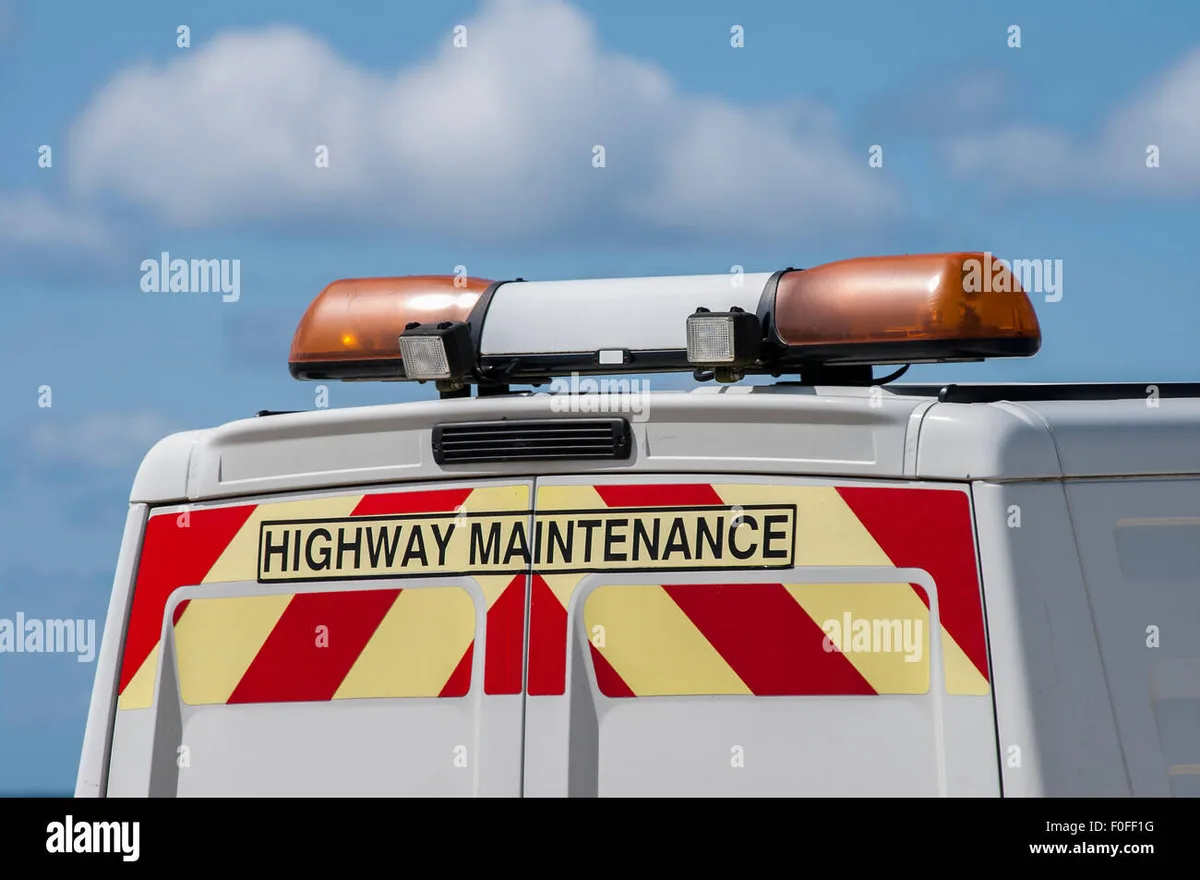
- Highway maintenance vehicles with amber flashing lights
- Utility service vehicles with amber flashing lights
Bing (Web (fair-use with source credit))
The key is the flashing lights. If a vehicle is stationary on the shoulder with its emergency lights activated, the law applies. This includes private tow trucks assisting with breakdowns or accidents.
What Happens If You Don’t Comply
Violating Iowa’s move over law is a traffic infraction. Fines start at around $100, but the real cost is the risk to roadside workers. In severe cases, especially if an accident occurs, penalties can be much higher.
Beyond fines, non-compliance can lead to increased insurance premiums. More importantly, it puts lives in danger. Emergency personnel and tow truck operators frequently work in high-speed traffic zones, where a moment’s distraction can be fatal.
Iowa State Patrol actively enforces this law, especially in work zones and accident scenes. Officers may pull over drivers who fail to move over or slow down as required.
How to Safely Move Over or Slow Down (Step by Step)
Bing (Web (fair-use with source credit))
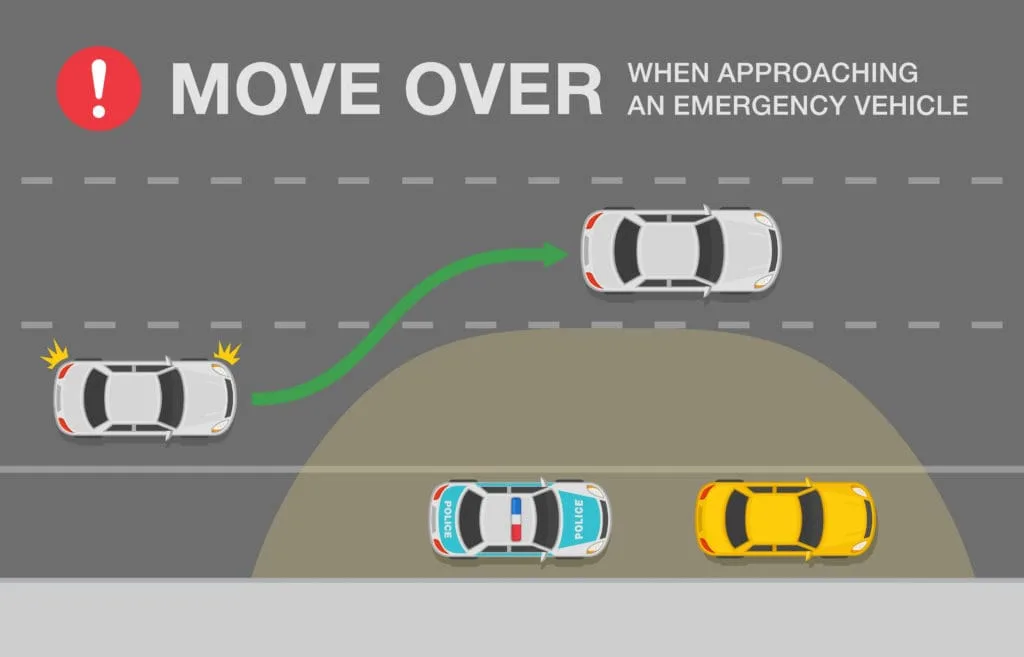
First, scan ahead for emergency vehicles with flashing lights on the shoulder. Check your mirrors and blind spots before changing lanes.
If the lane next to the emergency vehicle is clear, signal and move over smoothly. Maintain your speed unless traffic conditions require slowing down.
If you can’t move over safely, reduce your speed to 20 mph below the posted limit. Keep a safe distance from the emergency vehicle and other traffic.
Common Mistakes Drivers Make (And How to Avoid Them)
Many drivers fail to notice emergency vehicles until the last second. Always scan the road ahead, especially in work zones or after accidents.
Some drivers slow down but don’t move over when they could. If it’s safe, changing lanes is the preferred action under Iowa’s law.
Others speed up to pass quickly, which is dangerous and illegal. The law requires slowing down, not speeding up, when you can’t move over.
Iowa vs. Other States: How the Law Compares
Iowa’s law is similar to those in most states, but details vary. For example, Florida’s move over law also requires a lane change or speed reduction, but the exact speed reduction can differ.
Some states, like Texas, require slowing down to a specific speed, such as 20 mph below the limit. Others, like California, mandate moving over if possible but don’t specify a speed reduction.
Iowa’s law is straightforward: move over if safe, otherwise slow down by 20 mph. This makes it easier for drivers to remember and follow.
Real-Life Scenarios: What to Do in These Situations
You’re on I-80 and see a police car with flashing lights on the shoulder. Move over to the left lane if it’s clear. If not, slow down to 20 mph below the speed limit.
You’re on a two-lane road with a fire truck ahead on the shoulder. You can’t move over, so slow down to 20 mph below the limit. Pass with caution.
You’re in heavy traffic on a multi-lane highway with an ambulance on the shoulder. If you can’t move over, slow down and maintain a safe following distance. Don’t weave through traffic to get past.
FAQs About Iowa’s Move Over Law
Does the law apply to parked police cars without flashing lights?
No. The law only applies when emergency vehicles have their flashing lights activated. If the lights are off, the move over requirement doesn’t apply.
What if I can’t move over because of traffic?
Slow down to 20 mph below the posted limit. The law recognizes that moving over isn’t always possible, but slowing down is still required.
Are there any exceptions to the law?
The only exception is when moving over would be unsafe, such as crossing a solid line or in heavy traffic. In those cases, you must slow down.
How is the law enforced?
Iowa State Patrol and local law enforcement can issue citations for violations. Fines start around $100, but the primary goal is to protect roadside workers.
Does the law apply to private vehicles with hazard lights on?
No. The law specifically covers emergency and utility vehicles with flashing lights, not private vehicles with hazard lights.