ByMax Lee
Kansas Electronic Lien Titles: How It Works
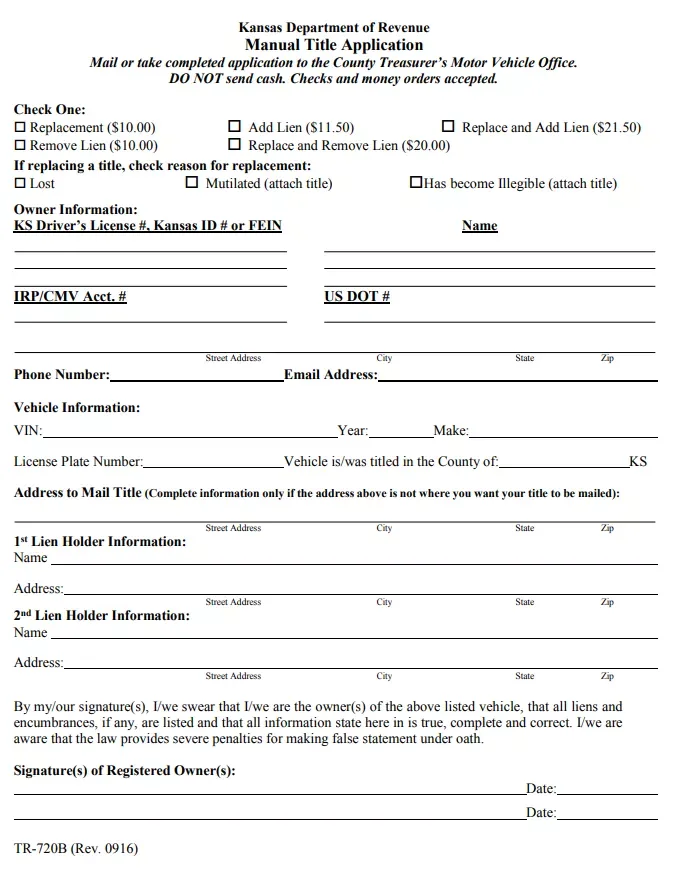
Kansas electronic title holding system for vehicles with active liens replaces paper titles with digital records when a loan exists. This means the state holds the title electronically until the lien is satisfied, streamlining transfers and reducing fraud risks.
As of 2026, over 90% of Kansas lienholders use this system, which aligns with the Kansas Department of Revenue’s push for efficiency. Here’s how it actually works for you.
Quick Answer
The Kansas electronic title holding system for vehicles with active liens stores titles digitally. Lienholders manage records online. Owners get the physical title only after lien release.
Processing typically takes 5 to 10 business days.
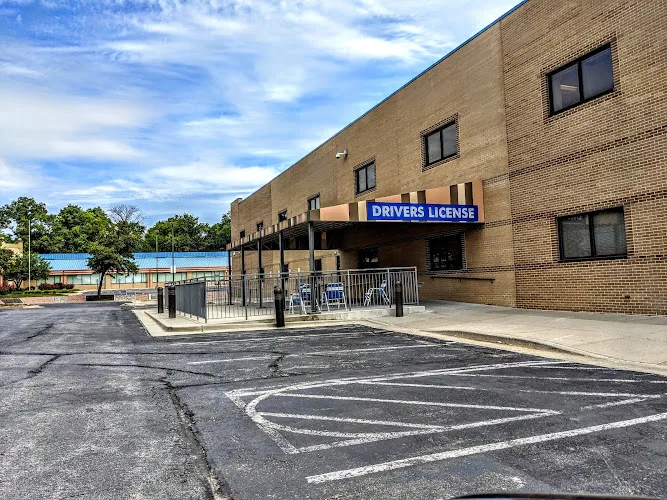
Wikimedia Commons / Patricia DuBose Duncan
Why Kansas Uses Electronic Titles for Liens (And Why It Matters)
Kansas switched to electronic titles for active liens to cut paperwork and errors. Paper titles get lost or delayed, while digital records update in real time. This also helps prevent title fraud, a growing issue with paper systems.
The Kansas Department of Revenue mandates this for all lienholders, ensuring consistency across counties. It’s faster for lenders and safer for buyers.
How the Kansas ELT System Works for Lienholders, Buyers, and Sellers
The system connects lienholders, the Kansas Division of Vehicles, and county offices. Lienholders report loans electronically, and the state holds the title until the debt is cleared. Buyers see the lien status instantly, and sellers can’t transfer a title with an active lien without the lienholder’s release.
Bing (Web (fair-use with source credit))
Lienholders must enroll in the program to participate. Once enrolled, they submit lien details through a secure portal. The state then flags the title as electronic, and no paper copy is issued to the owner.
Who’s Involved: Lienholders, DMV, and County Offices
Three parties make this system run. Lienholders (banks, credit unions, finance companies) initiate and manage the electronic lien. The Kansas Division of Vehicles oversees the program and ensures compliance.
County treasurer offices handle the local title transfers and updates.
| Role | Responsibility | Key Action |
|---|---|---|
| Lienholder | Reports and releases liens | Submits lien info electronically |
| Kansas Division of Vehicles | Manages ELT program | Maintains digital title records |
| County Treasurer | Processes title transfers | Updates records after lien release |
Step-by-Step: What Happens When a Vehicle Has an Active Lien in Kansas
The process starts when a buyer finances a vehicle. The lienholder files the lien with the state, and the title becomes electronic. The owner receives a registration card but no paper title.
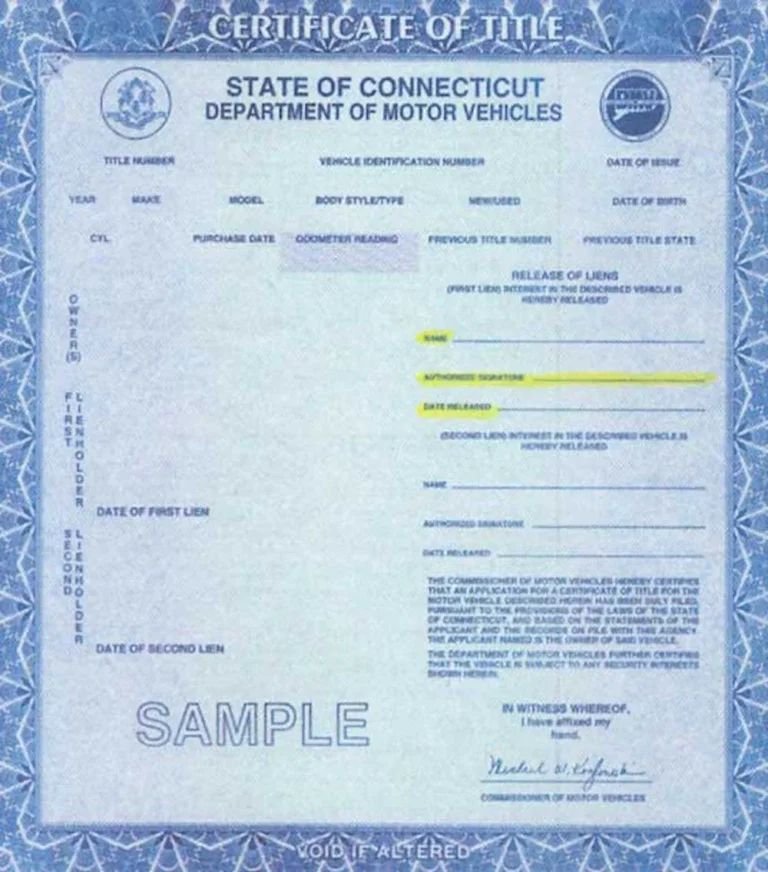
When the loan is paid off, the lienholder submits a release through the system. The state updates the title status, and the owner can then request a paper title from the county treasurer.
Bing (Web (fair-use with source credit))
If you’re buying a used car, always verify the lien status before purchasing. A seller with an active lien can’t legally transfer the title until the lien is released.
Common Problems with Kansas Electronic Titles (And How to Fix Them)
The most frequent issue is a lienholder failing to release the lien after payoff. This leaves the title stuck in electronic limbo. The fix is simple: contact the lienholder directly and request they submit the release.
Another common snag is a mismatch between the lienholder’s records and the state’s system. If the county treasurer can’t locate your electronic title, double check the VIN and lienholder details. Errors here can delay transfers by weeks.
Paper vs. Electronic Titles in Kansas: Key Differences
| Feature | Paper Title | Electronic Title |
|---|---|---|
| Physical Copy | Issued to owner | Held by state |
| Lien Status | Manual updates | Real-time updates |
| Risk of Loss | High | None |
| Transfer Speed | Slower | Faster |
Paper titles are physical documents you hold until the lien is paid. Electronic titles exist only in the state’s system while a lien is active.
How to Check Lien Status on a Kansas Vehicle
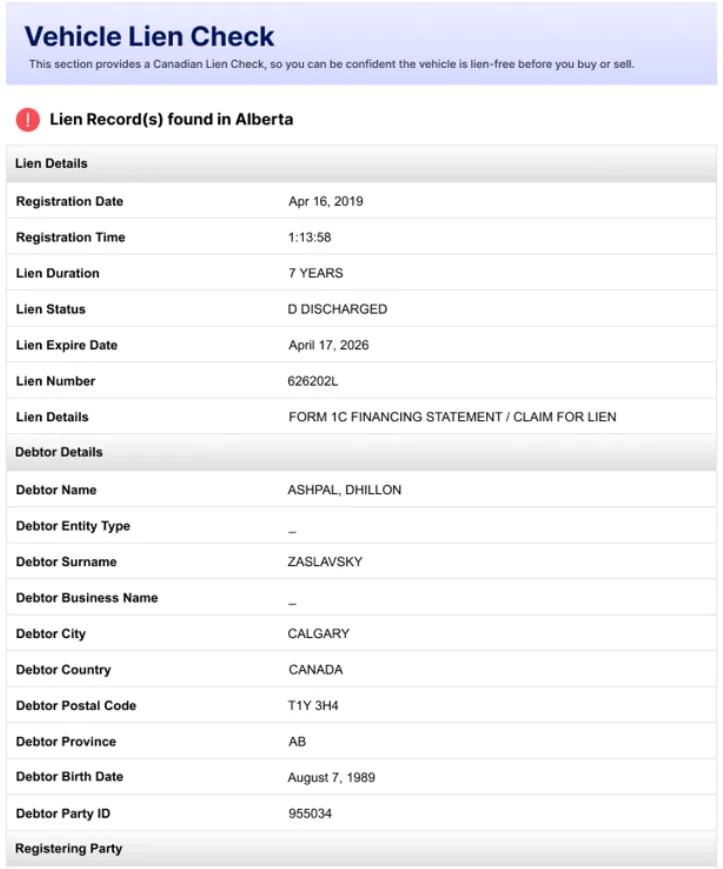
You can verify a lien status through the Kansas Department of Revenue’s online portal. Enter the VIN and vehicle details to see if a lien is active. This is critical before buying a used car.
Bing (Web (fair-use with source credit))
If the portal shows an active lien, confirm with the seller that it will be released before purchase. Never rely on verbal assurances alone.
What Happens When a Lien Is Paid Off?
The lienholder must submit a release to the state within 10 days of payoff. The state then updates the title status to reflect the lien satisfaction. You’ll receive a notification once this is complete.
After the lien is released, you can request a paper title from your county treasurer’s office. Bring your ID, the vehicle registration, and proof of lien release.
Kansas ELT Fees, Timelines, and Processing Times
There’s no additional fee for electronic titles versus paper titles in Kansas. Standard title fees apply, which vary by county. Processing times for lien releases are typically 5 to 10 business days.
If you need the title faster, contact the lienholder to expedite the release. Some counties offer rush processing for an extra fee.
Legal Rules You Can’t Ignore (Kansas Title and Lien Laws)
Kansas Statute K.S.A. 8-135 governs vehicle titles and liens. It requires lienholders to report satisfaction within 10 days of payoff. Failing to do so can result in penalties for the lienholder.
Fraudulent lien releases are a felony under K.S.A. 21-5823. This includes falsifying lien satisfaction documents or withholding title information.
Mistakes to Avoid with Kansas Electronic Titles
Never assume a lien is released just because the seller says so. Always check the Kansas Department of Revenue’s portal. A verbal confirmation isn’t legally binding.
Don’t ignore county-specific requirements. Some counties have additional forms or steps for title transfers. Call ahead to confirm what you’ll need.
Frequently Asked Questions
How do I know if my Kansas title is electronic?
Check the Kansas Department of Revenue’s online portal using your VIN. If a lien is active, your title is electronic.
Can I get a paper title with an active lien in Kansas?
No. Kansas holds titles electronically while a lien is active. You’ll only receive a paper title after the lien is released.
What if my lienholder won’t release the lien?
Contact the Kansas Division of Vehicles. They can intervene if the lienholder is unresponsive. You may need to provide proof of payoff.
How long does it take to get a title after lien release?
Typically 5 to 10 business days. Some counties offer expedited processing for an additional fee.
Is there a fee for electronic titles in Kansas?
No. The state doesn’t charge extra for electronic titles. Standard title fees apply, which vary by county.