ByMax Lee
Kansas Crash Reporting: When to Call Police for $1000+
Bing (Web (fair-use with source credit))
Kansas reporting a traffic crash to local law enforcement for damages over $1000 is required by state law. If your accident involves property damage exceeding that amount, you must notify authorities, even if no one is injured. This rule applies whether the crash happens on a highway, city street, or private property.
As of 2026, Kansas Statute 8-1606 sets the $1,000 threshold for mandatory reporting. Missing this step can lead to fines or complications with insurance claims.
Quick Answer
Kansas reporting a traffic crash to local law enforcement for damages over $1000 is mandatory. You must report if damage exceeds $1,000. Police or self-reporting via Form K-70 works.
Deadline is 10 days for self-reports.
The Quick Answer: Yes, Here’s Why
Kansas law doesn’t leave this to chance. If the damage hits $1,000 or more, you’re legally required to report the crash. This isn’t just a suggestion, it’s a rule designed to keep records accurate and ensure everyone involved is protected.
The $1,000 threshold is clear, but what counts toward it can be less obvious.
How Kansas Defines a Reportable Crash
A reportable crash in Kansas isn’t just about the dollar amount. It’s also about the circumstances. If the accident involves injury, death, or property damage over $1,000, it must be reported.
Even if the damage seems minor at first, costs can add up quickly.
The law applies to all drivers involved, not just the at-fault party. So if you’re unsure whether the damage meets the threshold, it’s safer to report it.
The $1,000 Damage Threshold: What Counts?
The $1,000 threshold includes all property damage from the crash. This means the total cost to repair or replace all vehicles and other property involved. It’s not per vehicle, it’s the combined total.
Wikimedia Commons / Memorialman (CC BY-SA)
If you’re unsure about the damage amount, get an estimate from a repair shop. It’s better to report and be safe than to risk missing the deadline.
When You Must Report to Local Law Enforcement
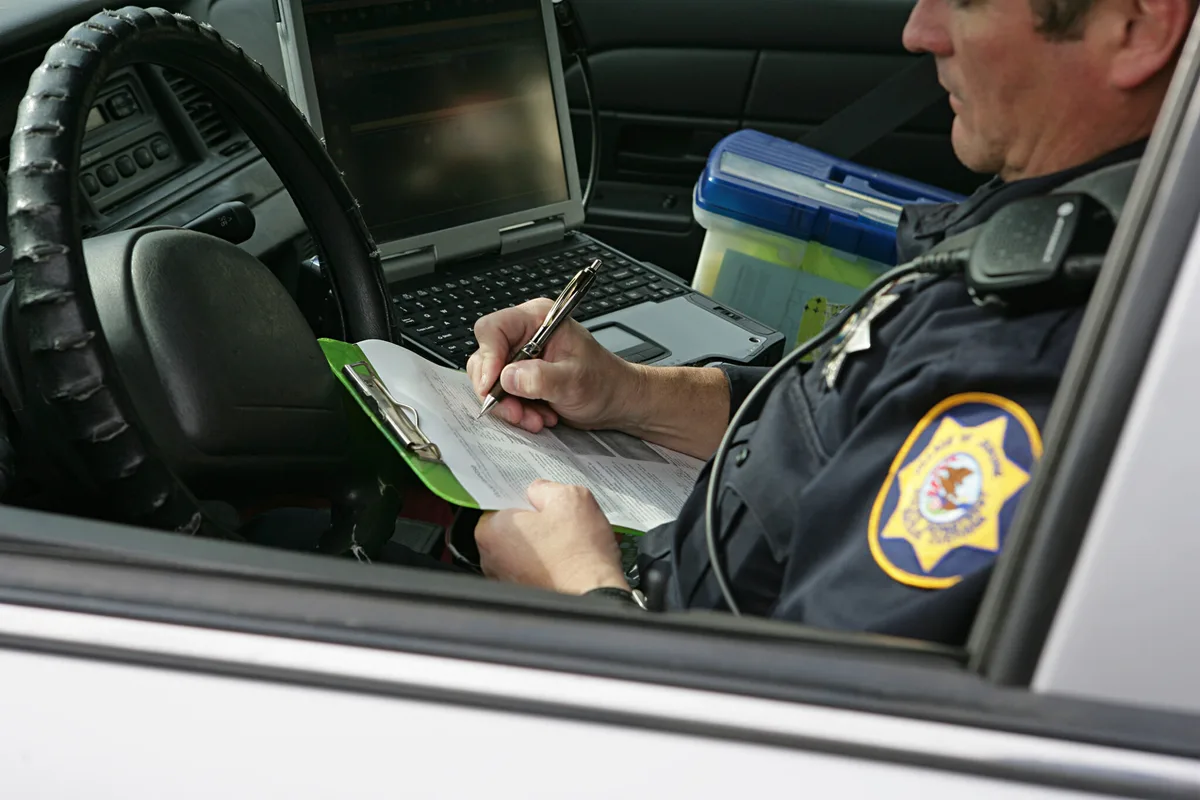
You must report the crash immediately to local law enforcement if it happens on a public road and involves damage over $1,000. This is non-negotiable. If police don’t come to the scene, you’re still required to file a report.
Bing (Web (fair-use with source credit))
If the crash occurs on private property, the same rules apply. The key is the damage amount, not the location. For more on vehicle regulations, check out Idaho's vehicle titling requirements.
When You Can Self-Report Instead
If law enforcement doesn’t respond to the scene, you can file your own report. This is common for minor crashes on private property or in areas with limited police coverage.
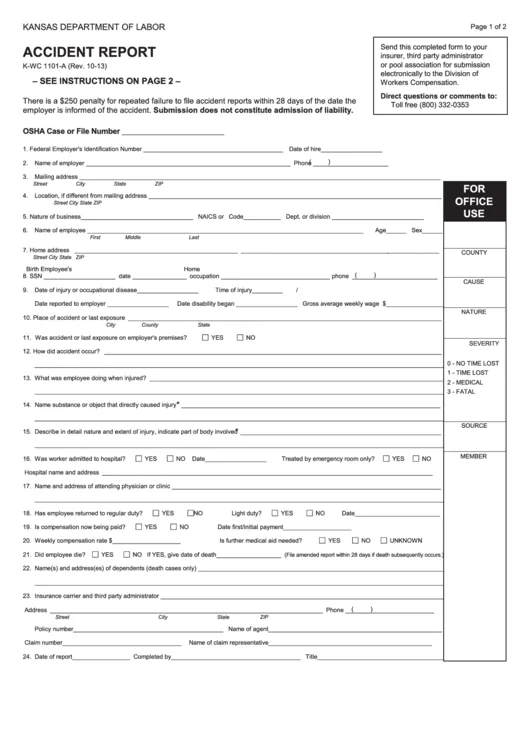
You’ll use Form K-70, the Kansas Driver’s Crash Report. It’s your responsibility to submit it to the Kansas Department of Revenue within 10 days.
Step-by-Step: Reporting to Police at the Scene
Call 911 or the local non-emergency line immediately. Stay at the scene until officers arrive.
Provide your license, registration, and insurance information. Be honest about what happened but avoid admitting fault at the scene.
The officer will document the crash and file a report. You’ll receive a case number for your records.
Step-by-Step: Self-Reporting with Form K-70
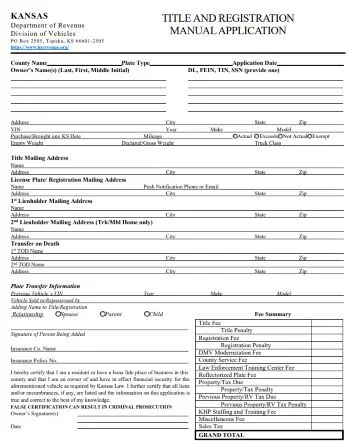
Download Form K-70 from the Kansas DOR website. Fill it out completely with details about the crash, vehicles involved, and damage estimates.
Bing (Web (fair-use with source credit))
Submit the form to the DOR within 10 days. Keep a copy for your insurance and personal records.
What Happens If You Don’t Report?
Failing to report can result in fines. Your driver’s license may also be suspended until you comply.
Insurance companies may deny claims if the crash wasn’t reported. This can leave you financially responsible for all damages.
Common Mistakes That Get People in Trouble
Underestimating damage is a frequent error. What looks like a minor dent can cost more than $1,000 to repair.
Waiting too long to file is another issue. The 10-day deadline is strict, and missing it can lead to penalties.
Not exchanging information with the other driver can complicate reporting. Always get names, contact details, and insurance information at the scene.
How to Estimate Damages Accurately
Get a professional repair estimate if you're unsure. Even minor dents or scratches can exceed $1,000 when labor and parts are factored in.
Take photos of all damage from multiple angles. These will help with both reporting and insurance claims.
What Information You’ll Need to Provide
You'll need your driver's license, vehicle registration, and insurance details. Have these ready before you start the reporting process.
For the other driver, collect their name, contact information, license plate number, and insurance company. This is critical for the report.
If there are witnesses, get their names and contact information too. Their statements can be valuable for the report.
How to Get a Copy of Your Crash Report
Request a copy from the law enforcement agency that responded. Most departments have online portals for this.
For self-reported crashes, the Kansas DOR will provide a copy after processing. Keep this for your records.
There may be a small fee for obtaining official copies. Check with the specific agency for their policy.
Kansas-Specific Rules You Might Not Know
Kansas requires reporting even if the crash involves an unattended vehicle. If you hit a parked car and can't locate the owner, you must leave a note and report it.
The $1,000 threshold includes damage to any property, not just vehicles. This could mean fences, buildings, or other structures.
If the crash involves a government vehicle, special reporting procedures may apply. Always confirm with local authorities.
FAQs About Reporting Crashes in Kansas
What if the other driver doesn't want to report?
You're still legally required to report if damages exceed $1,000. Their preference doesn't change your obligation under Kansas law.
Can I report online?
Yes, for self-reporting you can submit Form K-70 electronically through the Kansas DOR website. This is often the fastest method.
How long do I have to file?
You have 10 days from the date of the crash to submit a self-report. Police reports are typically filed immediately at the scene.
What if I'm not at fault?
Fault doesn't change the reporting requirement. All parties must report if the damage threshold is met.
Does this affect my insurance rates?
Reporting the crash itself doesn't automatically raise rates. However, your insurer will use the report to determine fault and coverage.