ByMax Lee
Kansas Vehicle Tax Estimator: How to Use the Tool
Bing (Web (fair-use with source credit))
Using the Kansas Department of Revenue vehicle property tax estimator tool can save you from a surprise bill at tag renewal. This official KDOR calculator gives you a ballpark figure before you stand at the counter, so you can budget accordingly.
The tool uses your vehicle’s base value, a 25% assessment rate, and your county’s mill levy to estimate the tax. As of 2026, Kansas still requires this ad valorem tax for registration, and the estimator is the fastest way to preview it.
Quick Answer
The Kansas Department of Revenue vehicle property tax estimator tool lets you preview your vehicle tax before renewal. It uses your county, vehicle details, and current mill levy. The estimate is unofficial but close to the final bill.
Always verify with your county appraiser.
Why a Bad Estimate Can Cost You at Tag Renewal
A wrong estimate means you might show up short when renewing your tags. The county treasurer won’t process your registration until the tax is paid in full, and late fees start accruing immediately.
If you underestimate, you’ll face penalties and a hold on your plates. Overestimating ties up cash you could use elsewhere. The KDOR tool helps avoid both, but only if you enter the right county and vehicle details.
How the KDOR Vehicle Property Tax Estimator Actually Works
The estimator pulls your vehicle’s base value from NADA retail figures as of January 1 of the tax year. It then applies Kansas’ 25% assessment rate to that value, which is standard for all motor vehicles under K.S.A. 79-5101.
Next, it multiplies the assessed value by your county’s mill levy, which includes city, school district, and other local taxes. The result is your estimated property tax, which you’ll pay when renewing your registration.
What You’ll Enter: KDOR Estimator Inputs and Outputs

Bing (Web (fair-use with source credit))
You’ll start by selecting the tax year from the dropdown menu. Then, pick your registration county, which determines the mill levy used in the calculation.
The tool also asks for your vehicle’s category, such as passenger car, truck, or SUV, followed by the year, make, model, and body style.
Here’s what the estimator requires:
- Tax year (current or prior)
- Registration county (your home county)
- Vehicle type (car, truck, SUV, etc.)
- Year, make, model, body style (for NADA valuation)
The output includes the estimated tax, base value, and assessed value, which you can print or save for reference.
The Math Behind It: Base Value, 25% Assessment, and County Mill Levies
Bing (Web (fair-use with source credit))
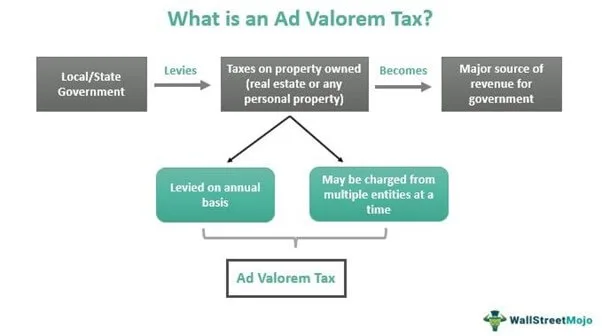
The formula is straightforward: base value × 0.25 × mill levy ÷ 1000. The base value comes from NADA retail as of January 1, which the KDOR updates annually.
Kansas law sets the assessment rate at 25% of the base value for motor vehicles. The mill levy varies by county and can include additional city or school district taxes, which is why the same car can have different tax bills in different areas.
For example, a $20,000 car in a county with a 100-mill levy would be assessed at $5,000. The tax would then be $500. This is the same calculation the KDOR estimator uses behind the scenes.
Who Should Use the KDOR Estimator Before Renewal
New Kansas residents need this tool most. Your out-of-state plates won’t transfer until you pay the property tax, and the estimator gives you a heads-up on the cost.
Private-party buyers should run it before signing the title. The tax bill follows the vehicle, not the owner, so you’ll inherit whatever’s owed.
Fleet owners use it to budget annual costs across multiple vehicles. County treasurers also recommend it for anyone renewing tags to avoid surprises at the counter.
Estimator Pros and the Gaps You Need to Know
Pros:
- Free and official, straight from KDOR
- Available 24/7 with no login required
- Uses the same NADA values and mill levies as your county
Gaps:
- Doesn’t account for exemptions like disabled veteran status
- Ignores vehicle modifications or damage
- Won’t prorate for mid-year sales or registration changes
The estimator is a starting point, not a final bill. Always cross-check with your county appraiser’s notice for the real number.
Step-by-Step: Running the Kansas Vehicle Property Tax Estimator
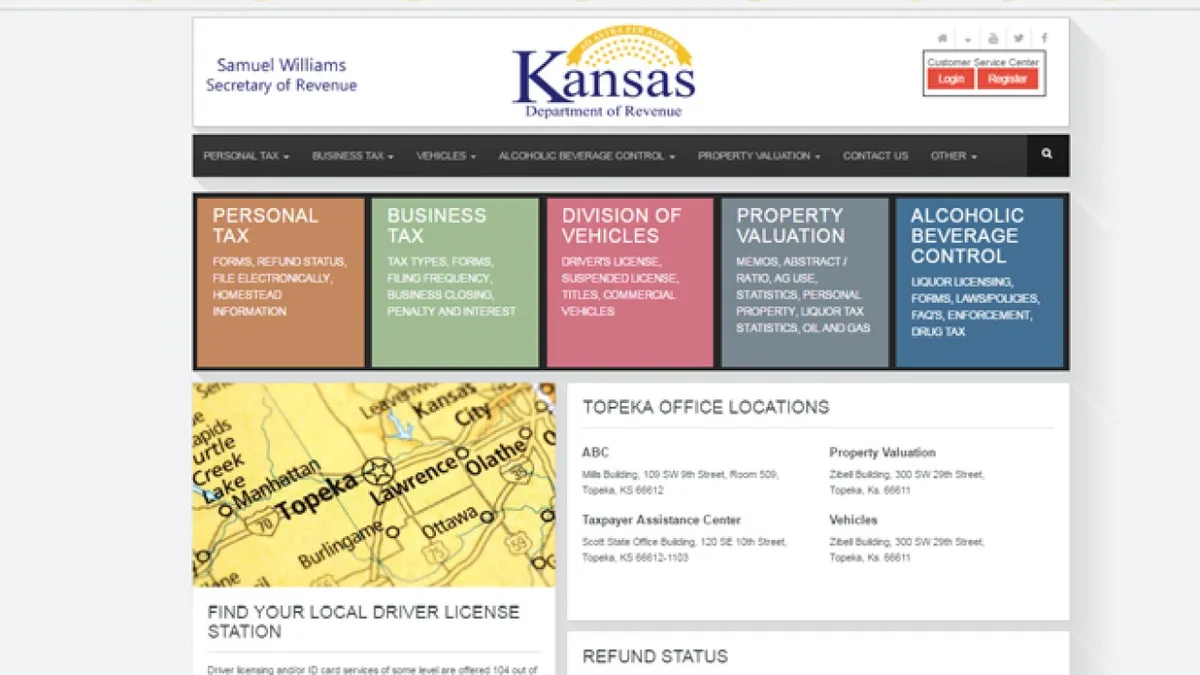
Start at the KDOR website and find the vehicle property tax estimator link. It’s under the Division of Vehicles section.
Select the tax year, then your registration county. The tool auto-fills the mill levy, but double-check it matches your county’s current rate.
Enter your vehicle’s category, year, make, model, and body style. The estimator pulls the NADA base value and calculates the tax instantly.
Review the output: estimated tax, base value, and assessed value. Print or screenshot it for your records before heading to the treasurer.
Common KDOR Estimator Mistakes That Skew Your Number
Picking the wrong county is the top error. The mill levy changes dramatically between urban and rural areas, so a Johnson County car will cost far more than the same car in rural Kansas.
Entering the wrong vehicle details throws off the base value. A 2020 Honda Accord EX-L isn’t the same as a 2020 Honda Accord LX, and the estimator treats them differently.
Ignoring the assessment date is another pitfall. The tool uses January 1 values, so a car bought in December still gets taxed on its full-year value.
Why Your County and City Mill Levy Changes Everything
Bing (Web (fair-use with source credit))
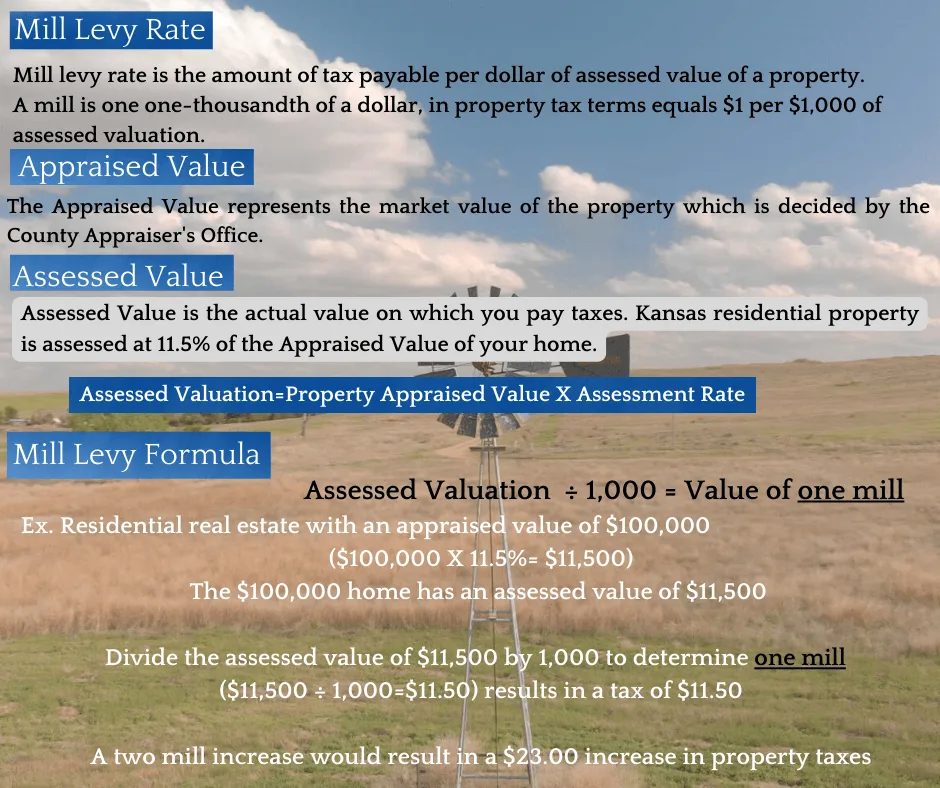
Mill levies vary by county and can include city overlays. Wichita, Overland Park, and Kansas City all add extra mills on top of the county rate.
A $25,000 SUV in Sedgwick County might face a 120-mill levy. The same SUV in rural Thomas County could see a 60-mill levy, cutting the tax bill in half.
Check your county’s current mill levy on the KDOR site or your county appraiser’s office. The estimator uses the latest published rates, but local changes can lag behind.
Estimator vs. Your County Treasurer Bill: What’s Binding
The estimator is unofficial. Your county treasurer’s bill is the only legally binding amount.
The estimator uses published mill levies and NADA values. Your county appraiser may adjust for local conditions, which the estimator can’t predict.
Always treat the estimator as a guide, not a guarantee. The final bill from the treasurer is what you must pay to renew your tags.
Kansas Law, Penalties, and Exemptions You Can’t Ignore
K.S.A. 79-5101 governs motor vehicle property tax in Kansas. It requires annual payment before registration renewal.
Late payments trigger monthly interest and can place a hold on your plates. The penalty compounds, so paying on time is cheaper.
Exemptions exist for disabled veterans under K.S.A. 79-201a. Government vehicles and certain agricultural equipment may also qualify. Check with your county appraiser to confirm eligibility.
Pro Tips for Trusting the KDOR Tool Without Getting Burned
Run the estimator twice with slightly different inputs. If the numbers change dramatically, you likely entered something wrong.
Compare the estimator’s base value to your county appraiser’s notice. If they’re far apart, contact the appraiser to verify the valuation.
Use the estimator early in the year. Mill levies and NADA values can update, so running it closer to renewal gives a more accurate preview.
When to Reach Out to the County Appraiser or KDOR for Help
Contact your county appraiser if the estimator’s base value seems off. They can confirm the NADA figure used for your vehicle.
Reach out to KDOR if the tool itself isn’t working. Technical issues can happen, and they can guide you to the correct page.
If you’re unsure about exemptions or special cases, the county appraiser is your best resource. They handle these situations daily and can provide clarity.
Frequently Asked Questions
Is the KDOR estimator’s number my final tax bill?
No. The estimator provides an unofficial preview. Your county treasurer’s bill is the official amount you must pay.
Why does the same car have different tax estimates in different counties?
Mill levies vary by county and can include city overlays. Higher levies mean higher taxes, even for the same vehicle.
Can I use the estimator for a newly purchased vehicle?
Yes, but enter the details carefully. The estimator uses January 1 values, so a mid-year purchase may not reflect prorated taxes.
What if my vehicle isn’t listed in the estimator’s database?
Contact your county appraiser. They can provide the correct valuation for vehicles not covered by the standard NADA data.
Does the estimator account for vehicle modifications?
No. The tool uses standard NADA values and doesn’t factor in aftermarket parts or custom work.