ByMax Lee
American Samoa Tint Laws: 35% Light Transmission Rules
YouTube / Tintworx Torquay (YouTube thumbnail (fair-use with source credit))
If you're asking about American Samoa window tinting legal limits and 35 percent light transmission, here's the short version: 35% is legal for front side windows, but the rules get stricter for other glass. American Samoa follows its own vehicle code, and getting it wrong can mean fines or failed inspections.
Visible Light Transmission (VLT) is the percentage of light that passes through your tint. As of 2026, the territory enforces specific limits to balance privacy with safety.
Quick Answer
35% tint is legal for front side windows in American Samoa. Rear side and back windows can go darker. Windshield tint is restricted to the top few inches.
Non-compliant tint risks fines or inspection failure.
The Quick Answer: What’s Allowed and What’s Not
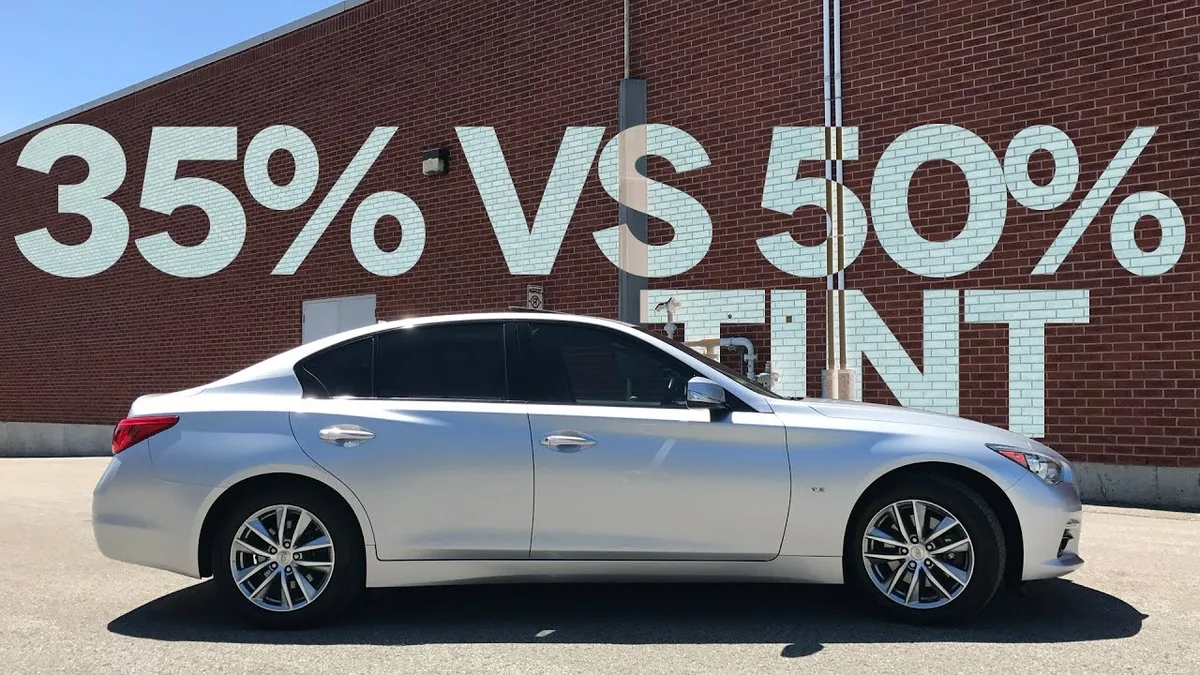
American Samoa’s law is clear on window tinting. Front side windows must allow at least 35% of light through. That’s your 35% VLT limit.
Rear side windows and the rear window can be darker, but there’s no official minimum, just common sense for visibility.
Windshield tint is the strictest. Only a clear or very light strip at the top is allowed. Anything darker on the main windshield area is illegal.
These rules apply to all passenger vehicles, including sedans, SUVs, and trucks.
How American Samoa’s Tint Laws Work
The territory’s vehicle code sets the standards. The key metric is Visible Light Transmission (VLT), which measures how much light passes through the glass and tint combined. A 35% VLT tint means 35% of outside light enters the car, while 65% is blocked.
Enforcement is straightforward. Police use tint meters to check compliance during traffic stops or inspections. If your tint fails the test, you’ll need to remove or replace it.
The law doesn’t distinguish between factory and aftermarket tint, what matters is the final VLT percentage.
The 35% Rule: Where It Applies on Your Vehicle
Front side windows are the primary focus. Both the driver and passenger windows must allow at least 35% light transmission. This ensures you can see and be seen, especially at night or in low-light conditions.
YouTube / HR CARS & TECH (YouTube thumbnail (fair-use with source credit))
Rear side windows and the rear window have more flexibility. There’s no legal minimum VLT for these, so you can go as dark as you like. However, extremely dark tint can still reduce visibility, which may be unsafe in some situations.
Windshield rules are non-negotiable. Only a non-reflective tint strip along the top is permitted. This is typically limited to the area above the manufacturer’s AS-1 line, which is usually the top 4-6 inches of the windshield.
Other Tint Limits You Need to Know
Reflectivity is another factor. American Samoa prohibits highly reflective tint on any window. This means metallic or mirrored finishes that could blind other drivers are off-limits.
Non-reflective tints, like ceramic or dyed films, are the safer choice.
Tint color also matters. Some states restrict certain colors, but American Samoa doesn’t have explicit bans. Still, it’s wise to stick with neutral shades like black, gray, or charcoal.
Bright or unusual colors might draw unnecessary attention from law enforcement.
Here’s a quick reference table for clarity:
| Window | Legal VLT Minimum | Notes |
|---|---|---|
| Front side windows | 35% | Must allow at least 35% light in. |
| Rear side windows | None | Can be as dark as you prefer. |
| Rear window | None | No legal minimum. |
| Windshield | Top strip only | Non-reflective, above AS-1 line. |
Why These Limits Exist (Safety & Enforcement)
You might wonder why the law cares about how dark your tint is. The answer comes down to safety for everyone on the road. American Samoa's bright tropical sun means glare is a real problem.
But overly dark tint can make it harder for you to see, especially at night or during heavy rain.
Law enforcement also relies on being able to see into your vehicle. A tint meter can quickly identify non-compliant windows during a routine stop. These checks help keep the roads safer without stopping every driver for inspection.
The VLT system isn't about aesthetics. It's a practical standard that balances your desire for privacy with the need for visibility.
How to Check if Your Tint Is Legal
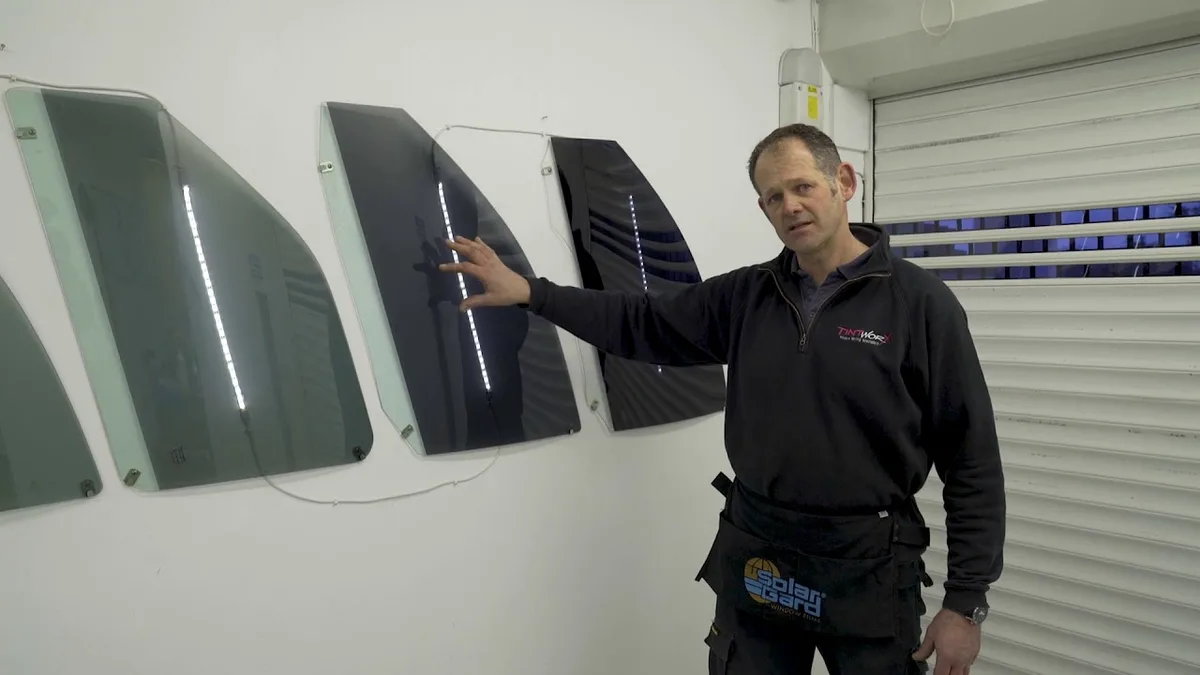
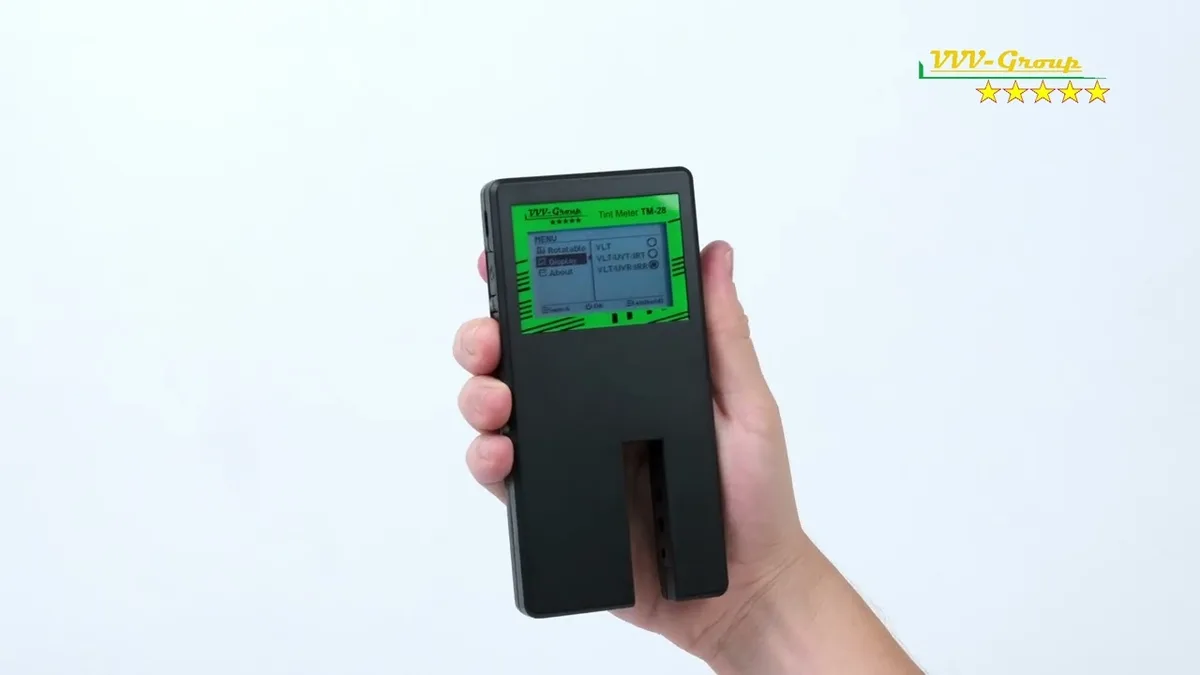
Not sure if your windows meet the legal limits? A tint meter is the most accurate way to find out.
YouTube / VVV-Group (YouTube thumbnail (fair-use with source credit))
Professional auto shops and tint installers usually have these meters on hand. They can test each window in seconds and tell you exactly what percentage of light passes through. If you don’t have access to a meter, some local police departments or inspection stations may offer testing.
You can also do a simple visual check. Roll down your front side window and look at the tint from outside the car. If it looks too dark to see through clearly in daylight, it's probably below the 35% limit.
This isn't foolproof, but it's a decent first indicator.
For the windshield, remember that only the top strip is legal. Anything below the AS-1 line is almost certainly too dark.
What Happens If Your Tint Is Too Dark?
Getting caught with illegal tint isn't worth the trouble. Police officers can pull you over for visibly dark windows. Once stopped, they'll likely use a tint meter to measure the VLT.
YouTube / James Madison Audits (YouTube thumbnail (fair-use with source credit))
If your tint fails the test, you'll face consequences. The typical penalty is a fine and an order to remove or replace the tint. You'll need to bring the vehicle back for re-inspection to clear the violation.
Multiple offenses can stack up quickly and get expensive.
Beyond the legal hassle, dark tint poses real safety risks. Reduced visibility at night increases the chance of an accident. Other drivers may not see your hand signals or eye contact.
Emergency responders also need to see into your vehicle quickly.
The simplest fix is to have a professional install compliant film or strip off the existing tint. Many shops offer removal services if you decide to start fresh with legal limits.
Medical or Special Exemptions (If Any)
Some territories allow darker tint for medical reasons. American Samoa has limited publicly available information on medical exemptions. If you have a condition that requires extra UV protection or glare reduction, it's worth asking the local Department of Public Safety directly.
Medical exemptions usually require documentation from a licensed physician. The process might involve submitting a form and getting approval before driving with darker tint. Law enforcement may ask to see the exemption paperwork during a stop.
Even with an exemption, your tint still needs to allow reasonable visibility. Excessively dark film could be questioned regardless of medical claims. When in doubt, stick to legal limits and get proper documentation if you qualify.
How to Get Compliant Tint Installed
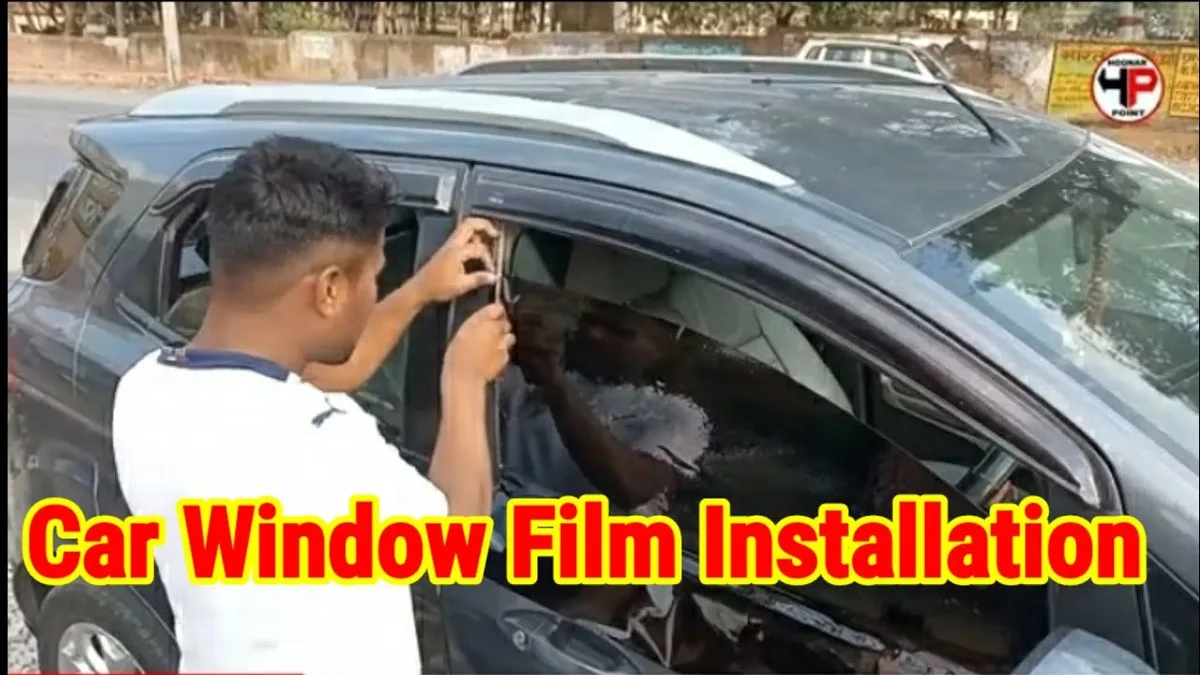
Finding a reputable tint shop is the first step. Look for installers who understand local laws and can guarantee compliance. Reputable shops will know the 35% VLT requirement for front side windows and won't try to push darker film.
YouTube / HOONAR POINT TECH (YouTube thumbnail (fair-use with source credit))
Ask the installer to measure the tint before it goes on your windows. A proper shop will have a tint meter ready and will show you the readings. This transparency builds trust and ensures you're getting exactly what you paid for.
Window tint material choices also matter. Ceramic tint is popular because it blocks heat and UV rays without darkening the glass too much. You can get high-quality ceramic film that delivers the protection you want while staying within legal limits.
Dyed tint is a budget-friendly option that offers basic privacy and UV protection. Metallic tint provides good heat rejection but can interfere with electronic signals like GPS and radio.
Common Mistakes That Get Drivers in Trouble
Assuming all windows follow the same rules is a frequent error. Many drivers tint their front and rear windows the same darkness, not realizing the front sides must stay at 35% VLT or higher. This oversight often leads to failed inspections.
Another mistake is ignoring the windshield restrictions. Some drivers add a full windshield tint for heat reduction, not knowing only the top strip is legal. This can result in an immediate citation.
DIY tint jobs often cause problems too. Poor application can create bubbles or uneven darkness, which may look suspicious to law enforcement. Even if the tint is technically legal, a sloppy install can draw unnecessary attention.
Best Tint Types for American Samoa’s Climate
The tropical climate means heat and UV protection are top priorities. Ceramic tint is the premium choice here. It blocks up to 99% of UV rays and rejects significant heat without darkening the glass too much.
YouTube / ⚡️Vik&Tina Reviews Studio⚡️ (YouTube thumbnail (fair-use with source credit))
Dyed tint is a more affordable option that still provides good UV protection. It absorbs heat rather than reflecting it, which can help keep your car cooler. However, it may fade over time in intense sunlight.
Metallic tint offers excellent heat rejection but can interfere with electronics. If you rely on GPS or radio signals, this might not be the best choice. Hybrid tints combine dyed and metallic layers for a balance of performance and durability.
For maximum clarity, consider clear UV-blocking film. It won’t darken your windows at all but still provides protection from harmful rays. This is ideal if you want to stay completely within legal limits while gaining some benefits.
FAQs About American Samoa Window Tinting
Is 20% tint legal in American Samoa?
No, 20% tint is too dark for front side windows. The legal minimum is 35% VLT for these windows. Rear windows can be darker, but 20% on the front sides will likely result in a citation.
Can I get a ticket for window tint in American Samoa?
Yes, you can receive a fine if your tint doesn’t meet legal standards. Police use tint meters to verify compliance during traffic stops. The penalty typically includes a fine and a requirement to fix the issue.
Does window tint affect visibility at night?
Yes, darker tints can reduce visibility in low-light conditions. Even legal 35% tint can make it harder to see at night, especially in poorly lit areas. Consider this when choosing your tint darkness.
How long does window tint last?
Quality window tint can last 5 to 10 years with proper care. Ceramic and high-end films tend to last longer than dyed options. Regular cleaning with mild soap and water helps maintain its appearance.
Can I remove window tint myself?
Yes, you can remove tint yourself with some patience and the right tools. A steam cleaner or heat gun can help loosen the adhesive. Be careful not to damage the defroster lines on rear windows.
Are there any tint colors that are illegal?
American Samoa doesn’t explicitly ban specific colors. However, highly reflective or mirrored tints are prohibited. Stick with neutral shades like black, gray, or charcoal to stay within legal and practical boundaries.