ByMax Lee
Are Brushless Car Washes Safe for Your Car?
Brushless car washes are generally safe for your car, but the answer depends on your paint condition and the wash quality. If you're wondering are brushless car washes safe for your car, the short version is yes, when done right. They eliminate the physical contact that causes swirl marks, but high-pressure jets and harsh chemicals can still damage finishes over time.
Manufacturer specs confirm most modern clear coats can handle 800, 1,200 PSI, the typical range for touchless systems. But older paint, aftermarket wraps, or ceramic coatings need extra caution.
Quick Answer
Brushless car washes are safe for most vehicles. They avoid brush-induced scratches. High-pressure water and detergents do the cleaning.
Some risk remains with poor maintenance or weak paint.
YouTube / Premier 7 Car Wash (YouTube thumbnail (fair-use with source credit))
How Brushless Car Washes Actually Work
These systems skip the spinning brushes entirely. Instead, they rely on high-pressure water jets (usually 800, 1,200 PSI) and specialized detergents to lift dirt. Sensors guide the nozzles to target every panel, including wheels and undercarriages in premium washes.
The process starts with a pre-soak to loosen grime. Then, high-pressure streams blast away contaminants. A final rinse and air-dry cycle finish the job.
The Biggest Risks to Your Car’s Paint
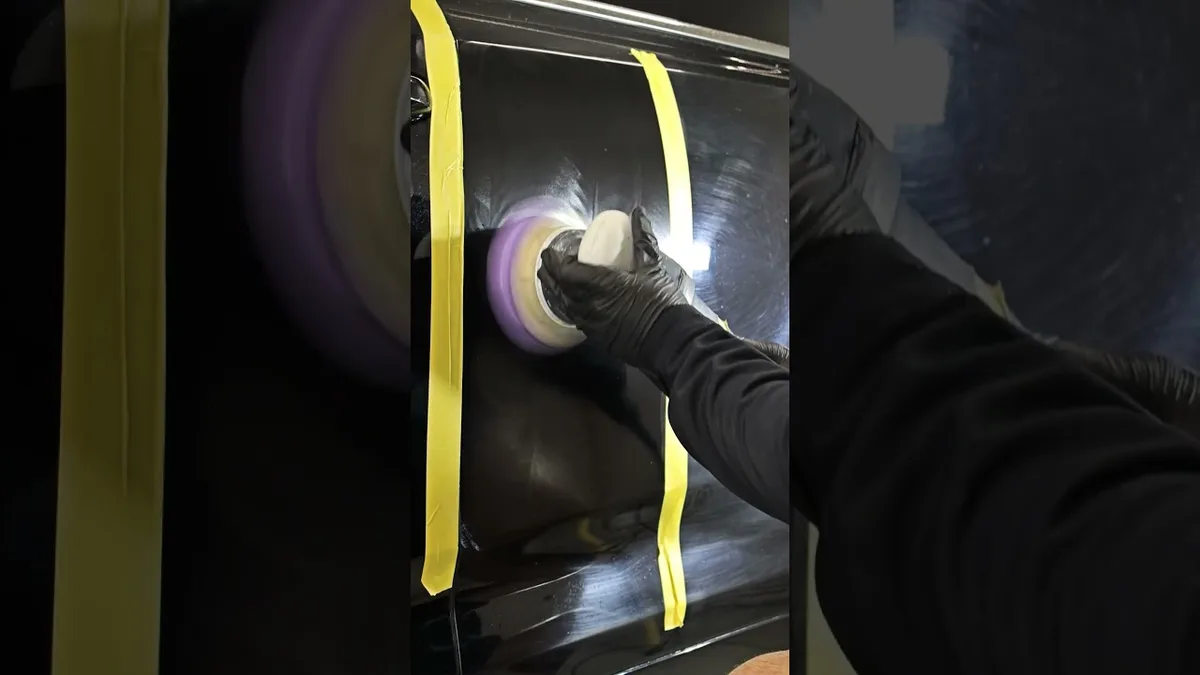
Even without brushes, risks exist. Harsh detergents can strip wax or etch clear coat over time. High pressure can force water into seams, causing rust or electrical issues in vulnerable areas.
YouTube / Mats Detailing (YouTube thumbnail (fair-use with source credit))
Poorly maintained systems may leave residue or fail to rinse properly, leading to water spots. And if the wash uses recycled water, mineral deposits can dull your finish. Older cars with thin paint or previous damage are most at risk.
When Brushless Washes Are the Safest Choice
They’re ideal for daily drivers with factory paint in good condition. If your car has a fresh wax job or ceramic coating, a well-maintained brushless wash is the least abrasive automatic option.
They’re also great for quick cleanups between hand washes. For vehicles exposed to road salt or heavy pollen, frequent brushless washes prevent buildup without the scratch risk of brushes.
Brushless vs. Soft-Cloth vs. Hand Wash: Which Wins?
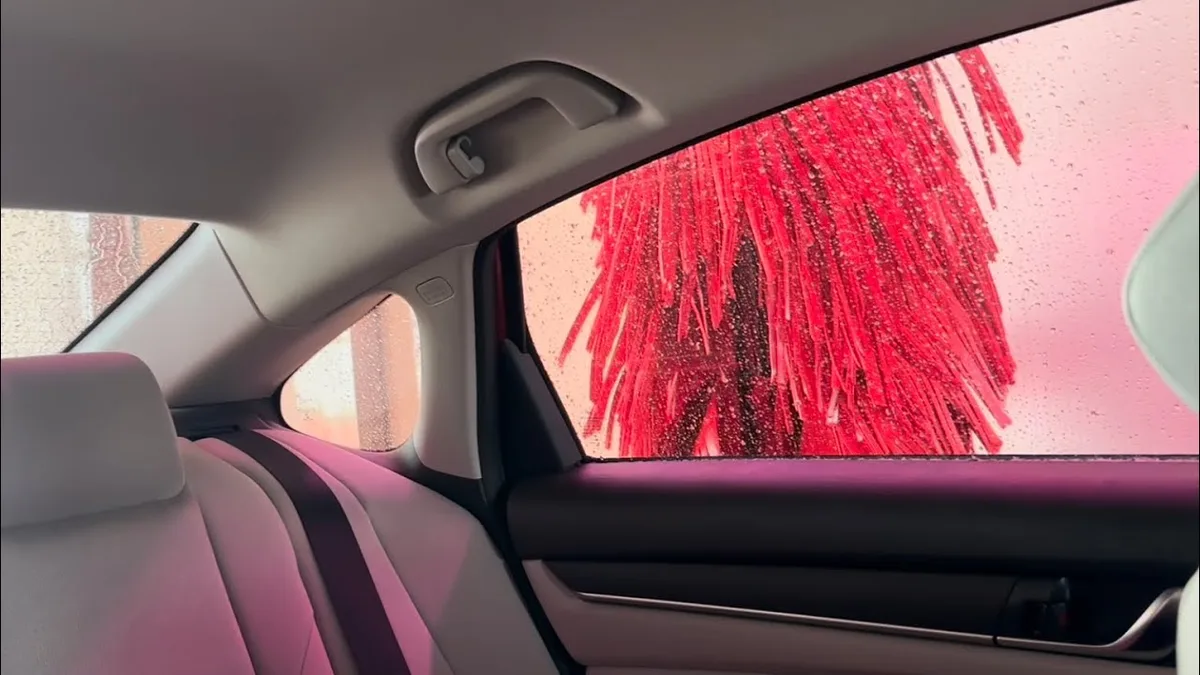
Each method has trade-offs. Brushless avoids contact but relies on chemicals and pressure. Soft-cloth uses gentle materials but can still cause micro-scratches if dirty.
Hand washing is the safest but requires time and proper technique.
YouTube / Live Free (YouTube thumbnail (fair-use with source credit))
| Method | Scratch Risk | Chemical Risk | Time Required | Cost |
|---|---|---|---|---|
| Brushless | Low | Moderate | 5–15 min | $10–$25 |
| Soft-Cloth | Moderate | Low | 5–15 min | $10–$20 |
| Hand Wash | Very Low | Low | 30–60 min | $20–$50+ |
For most people, brushless is the best balance of safety and convenience. But if your car has a showroom finish, hand washing is still the gold standard.
How to Tell If a Brushless Car Wash Is High-Quality
Look for facilities that use pH-balanced detergents. These clean without stripping wax or damaging clear coat. Check if they offer a spot-free rinse option, which prevents mineral deposits.
Well-maintained systems have consistent water pressure and fresh nozzles. Avoid places with visible dirt buildup or rusty equipment.
Step-by-Step: How to Use a Brushless Wash Safely
Start by removing loose debris like leaves or bugs. These can clog nozzles or scratch paint if blasted at high pressure. Choose the gentlest program available, especially for newer or high-end finishes.
After the wash, dry your car immediately with a microfiber towel. This prevents water spots and streaks.
What to Do After the Wash to Protect Your Paint
Apply a quick detailer spray to restore shine and add a protective layer. This fills minor imperfections and boosts hydrophobic properties. For long-term protection, reapply wax or sealant every 3, 6 months.
Inspect your car for missed spots or streaks. If the wash left dirt behind, it may need a deeper clean next time.
Common Mistakes That Ruin Paint (Even in Brushless Washes)
Using the same wash for heavily soiled vehicles can redeposit dirt. Always pre-rinse at home if your car is caked in mud or salt. Skipping the drying step leads to water spots that etch into clear coat over time.
Choosing the cheapest program often means weaker detergents and less thorough cleaning. This can leave a film that attracts more dirt.
Special Cases: Ceramic Coatings, Luxury Cars, and More
YouTube / Attention 2 Details w/ Chelsea (YouTube thumbnail (fair-use with source credit))
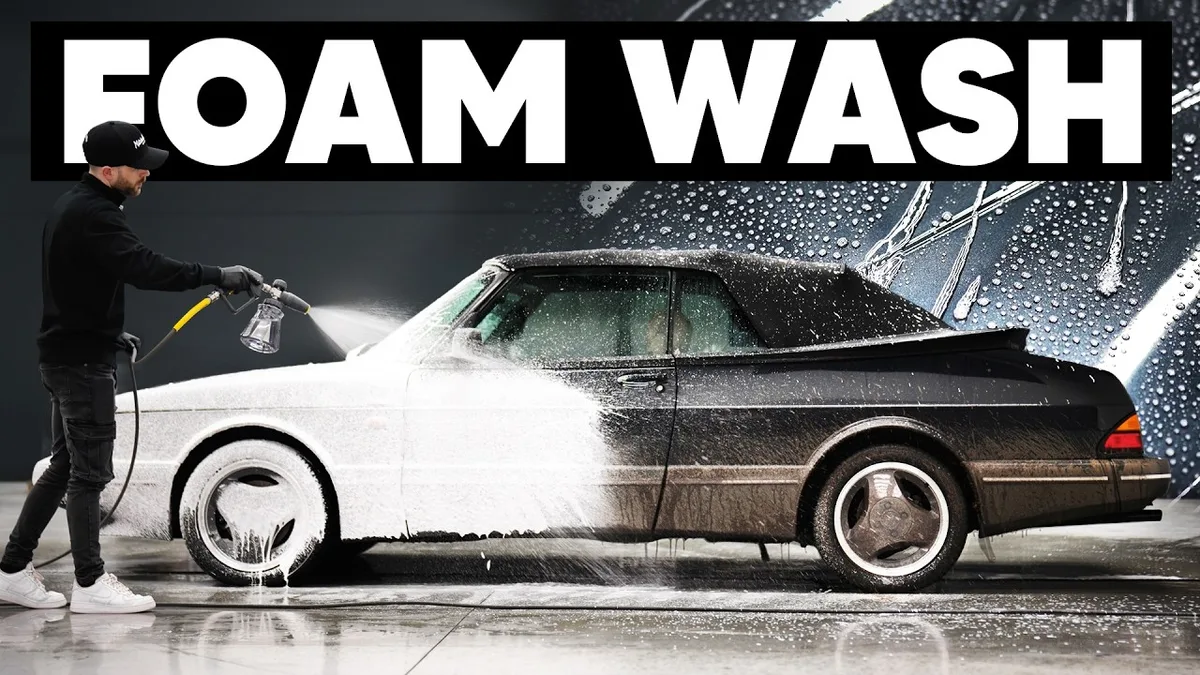
Ceramic-coated cars can handle brushless washes, but avoid high-pH cleaners. These can degrade the coating faster. Stick to pH-neutral options and avoid automatic washes with unknown chemical blends.
Luxury or classic cars often have softer paint. For these, hand washing is still the safest bet. If you must use an automatic wash, choose a touchless system with the lowest pressure setting.
How Often Should You Really Use a Brushless Wash
For most drivers, every two weeks is ideal. This prevents dirt buildup without over-exposing your paint to chemicals and pressure. In harsh winter months with road salt, weekly washes may be necessary.
If your car has a ceramic coating, you can stretch intervals to three or four weeks. These coatings repel dirt better, so less frequent cleaning is safe.
Expert Tips to Minimize Damage Long-Term
Always choose a wash with a pre-soak cycle. This loosens dirt before the high-pressure jets hit, reducing the risk of embedded contaminants. Avoid washes that use recycled water, as minerals can leave deposits.
After each wash, apply a spray wax or sealant. This adds a sacrificial layer that protects against UV rays and minor scratches.
Final Verdict: Should You Use a Brushless Car Wash?
For most vehicles, brushless washes are the safest automatic option. They eliminate brush-induced scratches while still cleaning effectively. Just stick to well-maintained facilities and avoid the cheapest programs.
If your car has a premium finish or aftermarket coating, hand washing is still the gold standard. But for daily drivers, a quality brushless wash is a smart, convenient choice.
Frequently Asked Questions
Can a brushless wash damage my clear coat?
Yes, if the detergents are too harsh or the pressure is excessive. Stick to pH-balanced cleaners and mid-range programs.
Are brushless washes safe for matte paint?
They can be, but check with the manufacturer first. Some matte finishes require special care.
How do I know if my car wash is causing damage?
Look for swirl marks, water spots, or a dull finish. If your paint feels rough after washing, the equipment may be contaminated.
Is it better to wash my car at home?
For paint longevity, yes. Hand washing with proper tools is the gentlest method.
Do brushless washes clean as well as brush washes?
They clean differently. Brushless washes excel at removing loose dirt but may struggle with baked-on grime. Brush washes can scrub deeper but risk scratches.