ByMax Lee
Organize a Car Wash Fundraiser: Step-by-Step Guide
Organizing a car wash fundraiser is a proven way to raise money for schools, sports teams, or local causes. If you're wondering how to organize a car wash fundraiser, the key is planning a simple, high-energy event that turns a few hours of work into real dollars. With the right location and promotion, groups typically raise $500 to $2,000 in a single day.
As of 2026, the most successful events keep costs low and focus on volume. A well-run car wash can clear 60 to 70 percent profit after supplies, making it one of the most reliable fundraisers for small groups.
Quick Answer
A car wash fundraiser works by charging a set fee or accepting donations for washing vehicles. Pick a high-traffic spot with water access. Recruit volunteers to handle washing, drying, and payments.
Promote it locally to draw a crowd. Most groups earn $1,000 to $2,000 in a day.
Is a Car Wash Fundraiser Right for You?
A car wash fundraiser fits groups with 10 to 30 active volunteers. It works best for organizations tied to a community, like schools, churches, or youth sports teams. If you have a built-in audience and a good location, it’s a low-cost, high-impact option.
If your group is small or your area has strict water rules, consider alternatives. Bake sales or raffles might need fewer hands but often raise less per hour.
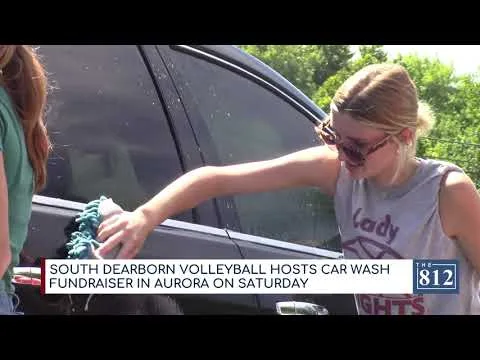
YouTube / The 812 (YouTube thumbnail (fair-use with source credit))
How Much Can You Realistically Raise?
Most single-day car wash fundraisers bring in $500 to $2,000. The top performers hit $3,000 to $5,000 with strong promotion and a prime location. Your take depends on traffic, pricing, and how fast your team works.
Here’s a realistic breakdown for a 6-hour event:
| Cars Washed | Price per Car | Gross Revenue | Estimated Profit (60%) |
|---|---|---|---|
| 50 | $15 | $750 | $450 |
| 100 | $15 | $1,500 | $900 |
| 200 | $15 | $3,000 | $1,800 |
Pricing at $10 to $20 per car is standard. Offering a $25 premium wash with interior vacuuming can boost your average. According to EPA guidelines, using water-efficient methods helps keep costs down and avoids local restrictions.
Step 1: Pick the Best Date, Time, and Location
High-Traffic Spots That Work
The best locations are visible, accessible, and busy. Look for:
- Grocery store or big-box parking lots (with permission)
- Gas stations with extra space
- Community centers or church parking areas
- Near a high school on a weekend
Avoid residential areas with low traffic. You need steady flow to hit your goal.
Permits and Local Rules to Check First
Some cities require permits for fundraiser car washes. Check with your local government or EPA’s water regulations for rules on runoff and water use. Many areas ban soap from entering storm drains, so plan for proper drainage.
Weekends are ideal, especially Saturdays from 9 AM to 3 PM. Avoid holidays or local events that might pull people away.
Step 2: Plan Your Setup for Maximum Efficiency
Essential Supplies and Equipment
You don’t need much to get started. A basic setup includes:
- Garden hoses and nozzles (2, 3 for a medium event)
- Buckets (5, 10)
- Car wash soap (biodegradable if required)
- Sponges, wash mitts, or soft brushes
- Microfiber towels or chamois for drying
- Trash bags and a cleanup station
- Signs and cones for traffic flow
A pressure washer speeds things up but isn’t required. If you use one, keep the PSI under 1,500 to avoid damaging paint.
YouTube / Chemical Guys (YouTube thumbnail (fair-use with source credit))
Volunteer Roles and Workflow
Assign clear roles to keep things moving:
- Greeters: Direct cars and explain pricing
- Washers: Soap and scrub vehicles
- Rinsers: Remove soap with hoses
- Driers: Wipe down cars with towels
- Cashiers: Handle payments and donations
Aim for 4 to 6 volunteers per active washing station. Rotate roles every hour to keep energy high.
Step 3: Price It Right and Offer Extras
Pricing Models That Work
A flat rate of $10 to $15 per car is standard. This keeps it simple for customers and easy for volunteers to explain. For larger vehicles like SUVs or trucks, charge $20 to $25.
Offer a premium tier at $25 to $30 for a full interior vacuum or tire shine. This can double your earnings per customer with minimal extra effort.
Upsells and Add-Ons to Boost Profits
Small add-ons make a big difference. Consider:
- Air freshener for $2
- Dashboard wipe-down for $5
- Wheel cleaning for $5
Bundle these into a premium package. A "Deluxe Wash" at $30 can pull in 30 to 40 percent more per car than a basic wash.
Step 4: Promote It So People Actually Show Up
Free and Low-Cost Marketing Tactics
Start with social media. Post daily countdowns on Facebook, Instagram, and Nextdoor. Share flyers at local businesses like coffee shops and libraries.
Ask a local radio station to announce your event. Many will do community bulletins for free.
Last-Minute Pushes to Fill the Line
On the day of the event, have volunteers hold signs at nearby intersections. A bright, bold sign with "Car Wash $10" and an arrow does the trick.
Send a text blast to your volunteer network the morning of. Word of mouth from excited participants brings in last-minute customers.
YouTube / Suburban Christian Church (YouTube thumbnail (fair-use with source credit))
Step 5: Run the Event Smoothly (Without Chaos)
Speed vs. Quality: How to Balance Both
Aim for 10 to 15 minutes per car. Any longer and the line backs up. Assign one person to rinse, one to soap, and one to dry to keep the flow steady.
Use a timer if needed. Customers appreciate efficiency, and your team will stay on track.
Handling Cash, Cards, and Donations
Have a locked cash box and a designated cashier. If you accept digital payments, use a Square reader or Venmo. These add convenience but may come with small fees.
Keep change ready. Most customers pay with $20 bills, so stock up on $5 and $10 bills.
YouTube / Suburban Christian Church (YouTube thumbnail (fair-use with source credit))
Common Mistakes That Tank Profits
Underpricing is a classic error. Charging $5 per car might sound generous, but it barely covers soap and water costs. Stick to $10 minimum.
Poor location choice kills turnout. A quiet side street won’t bring in enough cars. Always pick a spot with steady traffic.
Ignoring weather is another pitfall. A rainy forecast means low turnout. Have a backup date ready or tents to keep volunteers dry.
Safety and Legal Stuff You Can’t Skip
Use biodegradable soap to comply with most local water regulations. Avoid harsh chemicals that can harm the environment or damage car finishes.
Place wet floor signs where volunteers are working. Slippery surfaces are a common cause of injuries at these events.
Check if your city requires a permit. Some areas waive fees for nonprofits, but you still need to file paperwork.
Eco-Friendly Tweaks to Keep Everyone Happy
Collect runoff water in a containment area if possible. This prevents soap from entering storm drains. A simple tarp-lined basin can work for small events.
Encourage customers to bring their own towels for drying. This cuts down on waste and supply costs.
What to Do After the Event
Count the money immediately with at least two volunteers present. This ensures accuracy and transparency.
Send thank-you notes to sponsors and major donors. A quick email or social media shoutout goes a long way.
Debrief with your team. Note what worked and what didn’t for next time.
FAQs About Car Wash Fundraisers
How many volunteers do I need?
Aim for 10 to 15 volunteers for a medium-sized event. This covers washing, drying, cash handling, and traffic direction.
What’s the best time of day to hold a car wash?
Morning to early afternoon works best. Start at 9 AM and wrap up by 3 PM. This catches weekend shoppers and avoids the late-day slowdown.
Do I need insurance for a car wash fundraiser?
Check with your organization’s policy. Some nonprofits are covered under general liability. If not, a one-day event policy is often affordable.
How do I handle customers who want a perfect wash?
Set clear expectations upfront. A fundraiser wash won’t match a professional detail. Offer a free re-wash if they’re unhappy.
Can I do a car wash fundraiser in winter?
It’s possible in mild climates, but cold weather slows drying and reduces turnout. Stick to warmer months for best results.
What’s the easiest way to collect donations?
Use a mix of cash and digital payments. Square or PayPal Here readers work well for cards. Venmo or Cash App are good for peer-to-peer donations.