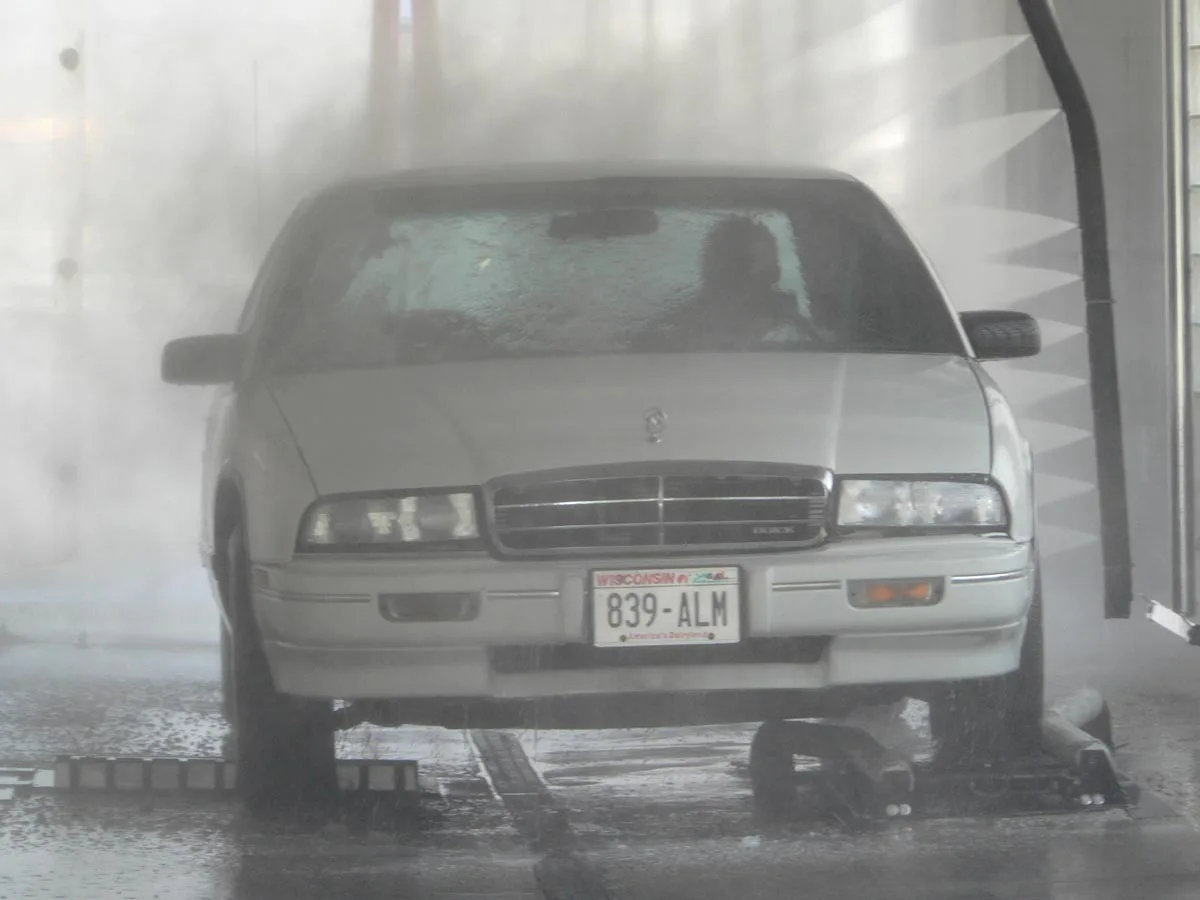
Are brushless car washes better for your car? The short answer is yes if you prioritize paint protection. They eliminate the risk of swirl marks from physical contact, which is critical for modern clear-coat finishes.
Manufacturer specs confirm that high-pressure touchless systems typically use 1,000, 2,500 PSI jets, enough to lift dirt without scratching. As of 2026, the trade-off is that they may struggle with caked-on grime compared to soft-cloth methods.
Quick Answer
Brushless car washes are better for your car’s paint. They avoid physical contact that causes swirl marks. Soft-cloth washes clean deeper but risk scratches.
Touchless systems use high-pressure water and chemicals. They’re safer for delicate finishes.
How Brushless (Touchless) Car Washes Work
These systems rely on high-pressure water jets, chemical pre-soaks, and spot-free rinses. The process starts with a detergent application to loosen dirt. Next, powerful jets blast away contaminants.
A final rinse removes residue, and air blowers dry the surface.
The key advantage is zero physical contact. No brushes mean no micro-scratches or swirl marks. However, effectiveness depends on water quality and chemical strength.
Hard water can leave spots, and weak detergents may not remove stubborn grime.
Soft-Cloth vs. Brushless: The Real Differences
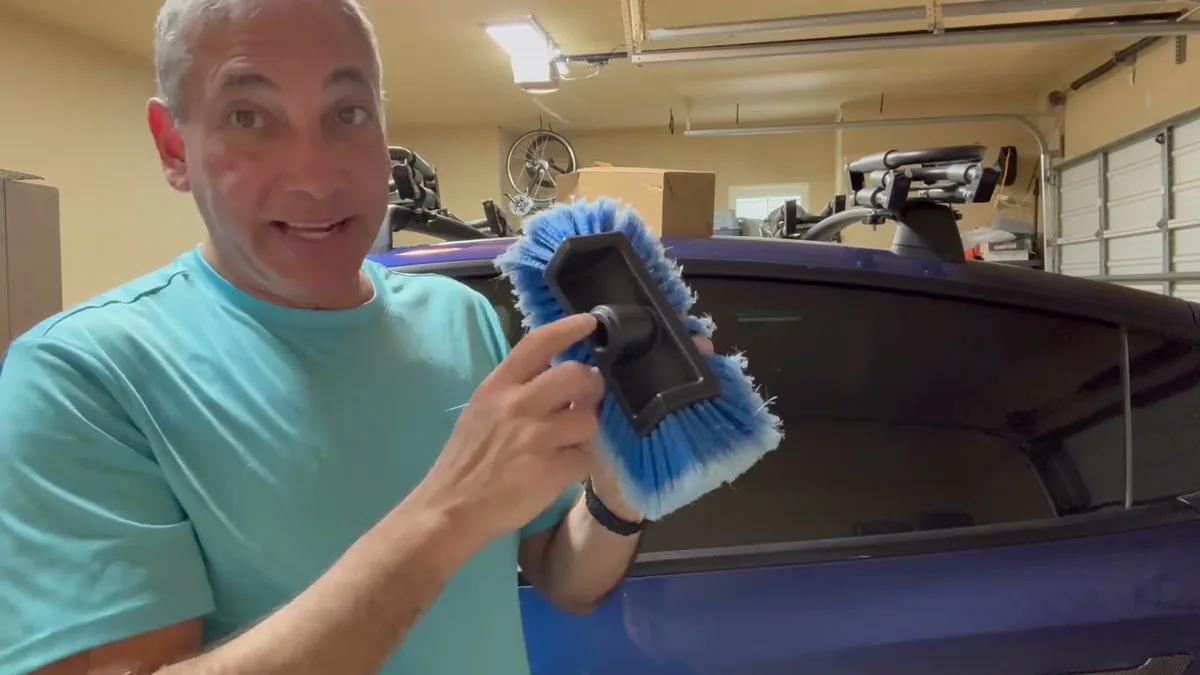
Soft-cloth car washes use rotating foam or microfiber brushes to scrub the vehicle. These brushes are gentler than older bristle types but still make contact. The motion helps dislodge dirt that touchless systems might miss.
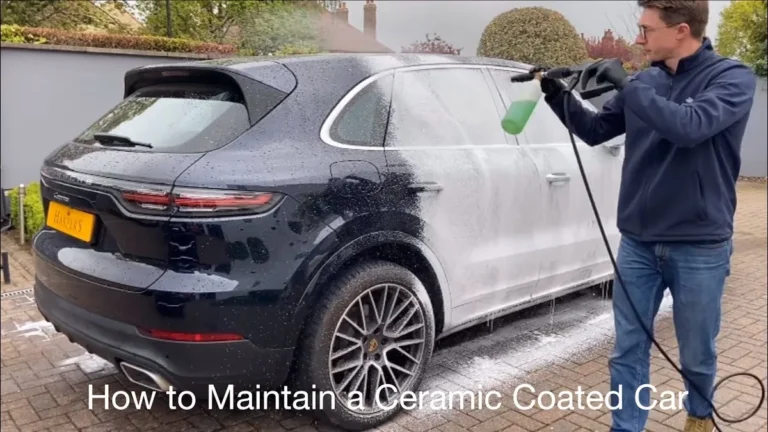
Brushless washes skip the scrubbing entirely. They’re ideal for cars with sensitive finishes like ceramic coatings or vinyl wraps. But they may require more frequent visits to keep the car truly clean.
Here’s a quick comparison:
| Feature | Soft-Cloth Wash | Brushless Wash |
|---|---|---|
| Contact with paint | Yes (brushes) | No |
| Cleaning power | Stronger for tough dirt | Good for light dirt |
| Risk of swirls | Higher if brushes dirty | None |
| Water usage | Moderate | High (30–70 gallons) |
| Best for | Heavy cleaning needs | Paint protection |
The Hidden Risks of Automatic Car Washes
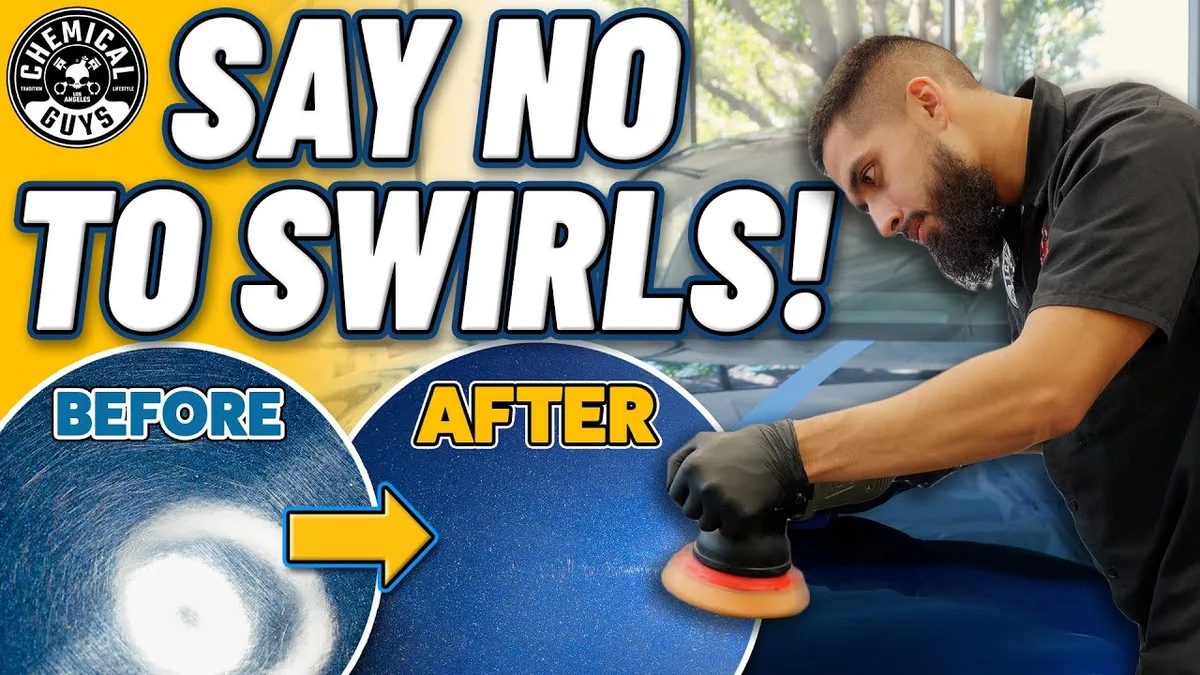
Even soft-cloth washes can damage your paint if the brushes aren’t maintained. Dirt trapped in the fibers acts like sandpaper, creating fine swirl marks over time. These are most visible on dark or metallic finishes under direct sunlight.
Brushless systems avoid this but introduce other risks. Poor water quality can leave mineral deposits. Harsh chemicals in some touchless washes may strip wax or sealants faster.
Aggregate reviews report that repeated use of low-quality touchless washes can dull a car’s shine.
The biggest hidden risk is improper drying. Many automatic washes use air blowers that miss spots, leading to water spots. These can etch into clear coat if not addressed quickly.
When Brushless Wins (And When It Doesn’t)
Brushless car washes are the clear winner for paint protection. They’re ideal for luxury cars, show vehicles, or any car with a high-quality finish. If you’re protecting a ceramic coating or vinyl wrap, touchless is the safest choice.
They’re also better for frequent washing. Weekly touchless washes won’t accumulate the micro-scratches that soft-cloth systems might. This makes them a smart pick for daily drivers in dusty or polluted areas.
But brushless loses in a few scenarios. If your car is caked in mud, salt, or bug splatter, soft-cloth or hand washing will do a better job. Touchless systems also use more water, which can be a concern in drought-prone regions.
For older cars with faded paint, the chemical intensity of some touchless washes might accelerate wear.
What Happens to Your Paint Over Time?
Repeated soft-cloth washes can thin your clear coat. Each pass with dirty brushes grinds away microscopic layers. Over years, this leads to dullness and reduced UV protection.
Brushless washes avoid this wear but aren’t risk-free. Chemical detergents in some systems can degrade wax faster. Hard water leaves mineral deposits that etch into paint if not removed quickly.
The worst damage comes from improper drying. Water spots left to bake in the sun create permanent pits. This is especially true for dark or metallic finishes.
The Role of Water, Chemicals, and Drying
Water quality matters more than most realize. Hard water with high mineral content leaves spots that are tough to remove. These spots can become etched into the clear coat over time.
Chemicals in touchless washes vary widely. Some use strong alkaline cleaners that strip protective coatings. Others use pH-balanced solutions that are gentler on finishes.
Always check what your local wash uses.
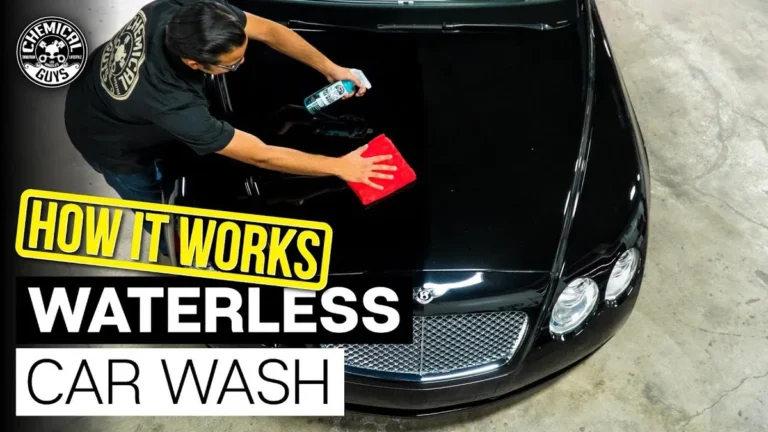
Drying is the final critical step. Air blowers in automatic washes often miss crevices. The best practice is to hand-dry with a clean microfiber towel immediately after.
This prevents water spots and streaks.
Cost Comparison: Brushless vs. Soft-Cloth vs. Hand Wash
Basic automatic washes cost $8, $15 per session. Premium touchless options run $15, $25. Hand washes at detail shops typically start at $20 and can go over $50 for premium services.
Here’s how the costs break down:
| Wash Type | Price Range | Time Required | Water Usage |
|---|---|---|---|
| Basic automatic | $8–$15 | 3–7 minutes | 30–50 gallons |
| Premium touchless | $15–$25 | 5–10 minutes | 40–70 gallons |
| Hand wash | $20–$50+ | 20–45 minutes | 10–20 gallons |
Memberships can lower costs for frequent users. Many chains offer unlimited washes for $20, $40 per month. This makes sense if you wash weekly.
Best Practices for Long-Term Paint Protection
Wash your car every two weeks minimum. This prevents dirt buildup that can scratch paint during cleaning. More frequent washes are better in harsh climates.
Always use the gentlest method available. For most modern cars, that means brushless washes. Save soft-cloth for when you need extra cleaning power.
Apply a quality wax or sealant every 3, 6 months. This adds a protective layer that makes cleaning safer. Ceramic coatings offer even longer protection but require professional application.
Common Mistakes That Ruin Your Finish
Using a dirty sponge or towel causes swirl marks. Always use clean microfiber cloths for drying. Never use household towels or paper products.
Letting bird droppings or tree sap sit too long etches paint. Remove these contaminants within 24, 48 hours. A quick detailer spray can help loosen them safely.
Skipping the pre-wash rinse forces brushes to grind dirt into the paint. Always rinse off loose debris before any contact washing. This simple step prevents most scratches.
How to Pick the Right Car Wash for Your Car
Start with your paint condition. If your car has a fresh ceramic coating or vinyl wrap, brushless is the only safe choice. For older cars with faded paint, soft-cloth may clean better but risks scratches.
Consider your climate. In areas with heavy road salt or pollen, frequent touchless washes prevent buildup. In dusty regions, soft-cloth might be needed for deep cleaning.
Check the wash’s maintenance standards. Well-maintained soft-cloth systems with clean brushes are safer than neglected ones. Look for washes that rinse brushes between cars.
DIY vs. Automatic: When to Wash It Yourself
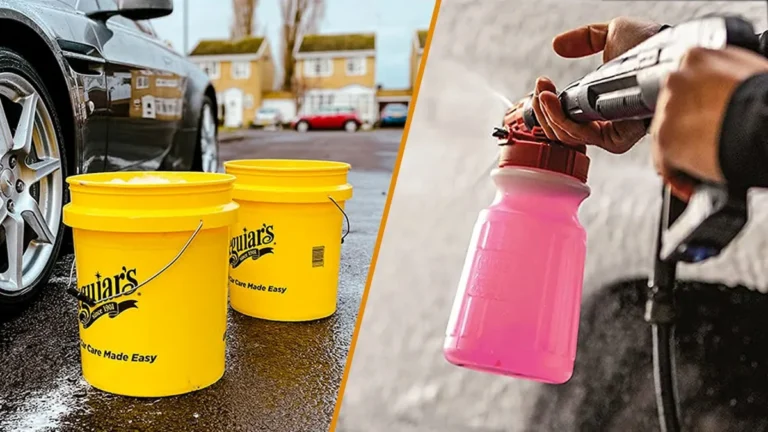
DIY washing gives you full control over products and techniques. You can use pH-balanced shampoos and proper drying methods. This is ideal for enthusiasts or cars with special finishes.
Automatic washes save time and effort. They’re consistent and convenient for regular maintenance. The trade-off is less control over the process.
For most people, a mix works best. Use automatic washes for regular cleaning and DIY for deep cleaning or before waxing. This balances convenience with care.
FAQs About Brushless Car Washes
Do brushless car washes clean as well as soft-cloth?
They clean well for light to moderate dirt. Soft-cloth systems remove caked-on grime better. Touchless washes may need pre-treatment for stubborn stains.
Can brushless washes damage my car’s wax?
Some strong chemical cleaners can strip wax faster. pH-balanced touchless washes are safer. Reapply wax every 3, 6 months regardless of wash type.
Are touchless washes safe for ceramic coatings?
Yes, they’re the safest option. No physical contact means no risk to the coating. Just ensure the wash uses gentle chemicals.
How often should I use a brushless car wash?
Every 1, 2 weeks is ideal for most cars. More frequent washes are better in harsh conditions. Always dry the car properly afterward.
Will a brushless wash remove water spots?
It can help but won’t remove etched spots. Prevention is key. Use spot-free rinses and dry immediately.
Final Verdict: Should You Go Brushless?
For most drivers, brushless washes are the better choice. They protect paint and are convenient. The lack of physical contact prevents swirl marks.
Soft-cloth washes still have their place. They’re better for deep cleaning when needed. Just choose a well-maintained facility.
The best approach depends on your car and habits. For daily drivers, brushless is the smart default. For show cars or special finishes, it’s the only safe option.