Black Friday deals are live on Amazon · limited-time discounts, grab them before they’re gone
Grab the deals

ByMax Lee
Are Gas Station Car Washes Bad? Shocking Truth Revealed!
A gas station car wash is not automatically bad for your car. The real answer depends on the wash design, how well it is maintained, the condition of your vehicle, and how often you use it.
A modern touchless wash can be a sensible way to remove road salt, dust, and fresh grime. An older automatic wash with dirty brushes may gradually add fine scratches, especially when it is used on heavily soiled vehicles. The best choice is not always the most expensive option—it is the one that matches your car’s finish and the type of dirt you need to remove. For more on this, see our guide on oklahoma antique car registration guide for 25 year.
The Short Answer
Gas station car washes are generally acceptable for routine cleaning, but they are not the safest option for every vehicle or every situation.
They can be useful when:
- You need a quick rinse after driving through salt or muddy water.
- The wash uses clean soft cloth or touchless equipment.
- Your vehicle has a daily-driver finish rather than a show-car finish.
- You follow the entrance instructions and inspect the equipment.
- You choose a wash that rinses the underbody during winter.
They may be a poor choice when:
- The vehicle has delicate paint, loose trim, exposed accessories, or a soft-top roof.
- The brushes appear dirty, torn, or poorly maintained.
- The car is covered in sand, dried mud, or heavy road film.
- You have recently applied a fragile wax or paint coating.
- You want maximum paint correction and a swirl-free finish.
The most important distinction is this: automatic washes reduce effort, but they also reduce your control over what touches the paint.
How Automatic Gas Station Car Washes Work
Most gas station washes use a short automatic cycle with several stages:
- Pre-rinse: Water loosens loose dust and surface debris.
- Chemical application: Soap, detergent, or a pre-treatment solution breaks down traffic film.
- Mechanical or touchless cleaning: Brushes, cloth strips, or high-pressure jets remove contamination.
- Final rinse: Clean water removes most remaining soap.
- Drying: Air blowers and sometimes drying agents reduce water left on the body.
The cleaning result depends on more than the soap. Water pressure, nozzle position, brush cleanliness, chemical concentration, conveyor speed, and maintenance all matter.
A common mistake is assuming that “soft cloth” means “risk-free.” Cloth can still pick up abrasive grit from the vehicle ahead. Likewise, “touchless” does not mean that no strong chemicals are used; touchless systems often rely on more aggressive detergents and pressure to compensate for the lack of physical contact.
The Main Risks to Your Car
Fine scratches and swirl marks
The biggest paint-related concern is not usually a deep scratch. It is the gradual accumulation of fine circular marks known as swirl marks or micro-marring.
These marks occur when abrasive particles are dragged across the clear coat. A dirty brush, cloth strip, or drying material can carry sand and road grit from one vehicle to the next. Dark colors, especially black, tend to make this damage easier to see under direct sunlight or bright parking-lot lighting.
One visit may not visibly damage a healthy finish. Repeated contact washing at a poorly maintained facility can make the paint look hazy over time.
Damage to exterior accessories
Automatic equipment can catch or stress parts that are loose, extended, or not designed for a tunnel wash. Possible trouble spots include:
- Loose or tall antennas
- Roof racks and bicycle carriers
- Aftermarket light bars
- Unsecured trim
- Decorative vinyl or fragile decals
- Cracked mirror housings
- Loose license-plate frames
- Soft-top fabric or removable accessories
- Wipers that are already lifting from the glass
Always follow the wash’s posted restrictions. If the operator says to fold mirrors, remove an accessory, or avoid the wash entirely, take that warning seriously.
Water spots and incomplete drying
Water spots form when minerals remain on the surface after water evaporates. They are more noticeable when:
- The vehicle is washed in direct sunlight.
- The final rinse water has a high mineral content.
- The dryer does not reach recessed areas.
- The car remains stationary while droplets dry.
- The paint already has a weak or uneven protective layer.
Water spots are usually a cosmetic problem, but mineral deposits can become difficult to remove if they bake onto warm paint repeatedly.
Strong chemicals and trim deterioration
Automatic washes need to clean many vehicles quickly, so their detergents may be stronger than a mild hand-wash soap. Frequent exposure can gradually reduce the life of some waxes and may dry out unprotected exterior rubber or textured plastic.
This does not mean every automatic wash uses harmful chemicals. Properly selected and diluted detergents are designed for automotive surfaces. The concern is repeated use, poor chemical calibration, or leaving residue on the vehicle.
Underbody and mechanical concerns
A properly operating conveyor wash should not damage ordinary suspension or underbody components. However, avoid driving through any wash with visibly malfunctioning equipment, unusually forceful guide rails, or standing water near electrical components.
Vehicles with very low ground clearance may have difficulty with the conveyor track. If the wash instructions list a minimum clearance or prohibit certain vehicles, do not assume your car will be fine.
Are Brushes, Soft Cloth, or Touchless Washes Better?
The wash method determines the main trade-off between cleaning power, convenience, and paint risk.
| Wash type | How it cleans | Main advantage | Main drawback |
|---|---|---|---|
| Brush wash | Rotating brushes contact the vehicle | Strong physical cleaning | Greater risk of marring if brushes hold grit |
| Soft-cloth wash | Cloth strips contact the paint | Often gentler than rigid brushes | Still transfers contamination if poorly maintained |
| Touchless wash | Detergent and pressurized water | No brushes rubbing against paint | May leave bonded dirt, film, or insects behind |
| Self-service bay | You control the wand and tools | More control over the process | Shared brushes may be abrasive or contaminated |
| Hand wash | Clean mitts and towels are controlled by the operator | Best control for delicate finishes | Requires more time, skill, and cost |
Touchless washes
Touchless is usually the lowest-risk automatic option for scratches because nothing physically scrubs the paint. It is especially useful for a lightly dirty vehicle or for rinsing salt from the body and wheel wells.
Its limitation is cleaning power. Dried bugs, tar, brake dust, and bonded road film may remain. Do not compensate by holding a pressure wand extremely close to damaged paint, peeling clear coat, sensors, or weather seals.
Soft-cloth washes
A well-maintained soft-cloth system can clean better than touchless equipment while creating less risk than rigid brushes. However, the material still contacts the paint. If the cloth is worn, saturated with grit, or not rinsed properly, it can contribute to fine marring.
Look for cloth that appears clean, intact, and properly saturated rather than dry, frayed, or visibly dirty.
Brush washes
Brush systems can remove stubborn contamination efficiently, but they deserve the most caution. Old or poorly maintained brushes can be abrasive, and a brush that has just contacted a heavily muddy vehicle may carry contamination into the next cycle.
Brushes are not automatically destructive. Maintenance and pre-rinsing make a major difference. Still, if preserving near-perfect paint is your priority, a controlled hand wash or carefully selected touchless wash is usually safer.
When a Gas Station Car Wash Is a Good Choice
A gas station wash is practical when the goal is safe, fast removal of ordinary road contamination.
It is particularly useful for:
- Fresh road salt during winter
- Light dust and pollen
- Rainwater residue before it dries repeatedly
- Loose mud after a wet drive
- A quick rinse before a longer trip
- Cleaning the lower body and wheel areas
- Maintaining a daily driver between more detailed washes
Removing salt promptly is often more important than chasing a perfect finish. Salt and grime can remain around wheel arches, rocker panels, and underbody components. If your car has been driven on treated roads, an occasional underbody rinse can be worthwhile.
For broader vehicle upkeep, it also helps to keep the correct tire pressure before entering a long trip or a wash facility.
When You Should Avoid the Automatic Wash
Choose another method if your vehicle has:
- Peeling or failing clear coat
- Freshly repaired or repainted panels
- Loose trim, badges, or weather stripping
- A damaged windshield or cracked mirror
- A soft-top roof that the facility does not approve
- Roof-mounted equipment
- A very low front splitter
- Heavy sand, dried mud, or construction debris
- A delicate vintage finish
- Freshly applied paint protection film or a coating with specific care restrictions
New paint and refinished panels may have product-specific curing and washing instructions. Follow the body shop or coating manufacturer’s guidance rather than relying on a generic wash package.
A vehicle with a ceramic coating or paint protection film is not invulnerable. These products can make maintenance easier, but abrasive contact, harsh chemicals, and improper drying can still affect the surface or the performance of the protection.
How to Inspect a Gas Station Car Wash Before Using It
A thirty-second inspection can prevent an avoidable problem.
1. Check the equipment
Do not use a wash if you see:
- Torn or frayed cloth
- Rigid brushes packed with visible grit
- Broken guide rails
- Loose equipment
- Leaking chemical lines
- Standing water or poor drainage
- An out-of-order sign that has been ignored
2. Read the vehicle restrictions
Look for limits involving:
- Vehicle height and width
- Tire size
- Ground clearance
- Roof racks
- Pickup-bed equipment
- Foldable mirrors
- Antennas
- Convertible tops
- Commercial or oversized vehicles
3. Choose the right package
Extra wax, tire shine, and drying treatments are optional. They may improve appearance temporarily, but they do not replace proper cleaning or paint protection.
If the car is only dusty, a basic rinse may be enough. If it has road salt or muddy lower panels, select a package that includes underbody or wheel-area rinsing when available.
4. Secure the vehicle
Before entering:
- Close windows and the sunroof.
- Retract or remove the antenna if required.
- Fold mirrors when instructed.
- Remove loose items from the exterior.
- Disable automatic wipers if the facility recommends it.
- Follow the conveyor instructions exactly.
If you are unsure whether a modification is compatible, ask the attendant before paying.
A Safer Routine for Using One
Use this simple process:
- Rinse loose grit first. A pre-rinse reduces the amount of abrasive material that reaches brushes or cloth.
- Select touchless when paint preservation is the priority.
- Use contact washes only when the equipment looks clean and maintained.
- Avoid washing in intense direct sunlight when possible.
- Inspect the car after the cycle. Look for remaining film, trapped water, and loose trim.
- Dry problem areas manually with a clean microfiber towel. Focus on mirrors, door handles, emblems, and panel gaps.
- Rinse again after heavy salt exposure if needed. Removing residue is more important than selecting a premium cosmetic package.
Do not use a shared tunnel brush or self-service brush directly on your paint unless you are confident it is clean. A common mistake is scrubbing visible mud harder; the safer approach is to rinse and chemically loosen it first.
For the lowest risk at home, use a controlled two-bucket washing setup with a clean wash mitt and separate drying towel.
Gas Station Washes Versus Hand Washing
Hand washing offers more control, but it is not automatically safer. An inexperienced hand wash can create more scratches by using one dirty sponge, reusing a contaminated towel, or wiping dry dust from the paint.
A careful hand wash should include:
- A shaded, cool surface
- A dedicated automotive shampoo
- A clean wash mitt
- Separate cleaning for wheels and paint
- Frequent rinsing of the mitt
- Straight-line or low-pressure washing rather than aggressive scrubbing
- Clean microfiber drying towels
A professional detailer can provide better results when paint condition matters. However, ask how the service handles wheels, towels, drying, and heavily contaminated vehicles. “Hand wash” describes the method, not necessarily the quality of the process.
Environmental and Water-Use Considerations
Water use varies by facility, equipment, wash package, and recycling system. A commercial wash may capture and treat some wastewater rather than allowing contaminated runoff to flow directly into a storm drain, but practices differ.
At home, runoff can carry detergent, oil, brake dust, and road contaminants into local drainage. To understand general runoff and pollution concerns, consult the U.S. Environmental Protection Agency guidance for your area and follow local rules.
The most responsible option depends on local regulations and the facility’s wastewater practices. Avoid washing a heavily oily or chemically contaminated vehicle where runoff can reach a storm drain.
How Often Should You Use a Gas Station Car Wash?
There is no single schedule that suits every vehicle. Washing frequency should reflect driving conditions rather than a fixed calendar.
Wash sooner when the car has been exposed to:
- Road salt
- Bird droppings
- Tree sap
- Insects
- Mud
- Coastal air and salt spray
- Construction dust
- Industrial fallout
For ordinary light dust, waiting until the vehicle is visibly dirty is reasonable. For salt and acidic contamination such as bird droppings, prompt removal is more important because contaminants can stain or etch the surface.
Frequent automatic washes are not automatically harmful, but repeated abrasive contact increases the opportunity for marring. If you use one often, alternate with a touchless rinse or a careful hand wash and monitor the paint under bright light.
What to Do If You Notice Damage
If you see a new scratch, damaged trim, or a loose accessory after washing:
- Photograph the condition immediately.
- Note the date, approximate time, wash lane, and package used.
- Keep the receipt or payment record.
- Report the issue to the station manager promptly.
- Avoid polishing the area before documenting it.
- Check the facility’s posted claims procedure.
Not every mark came from the wash, and some existing scratches become visible only after dirt is removed. Clear photographs taken before and after cleaning can help establish what happened.
For general inspection and road-readiness concerns, a vehicle inspection checklist can be useful, particularly before a long-distance trip. Regional requirements can differ, as shown in this guide to North Dakota inspection rules.

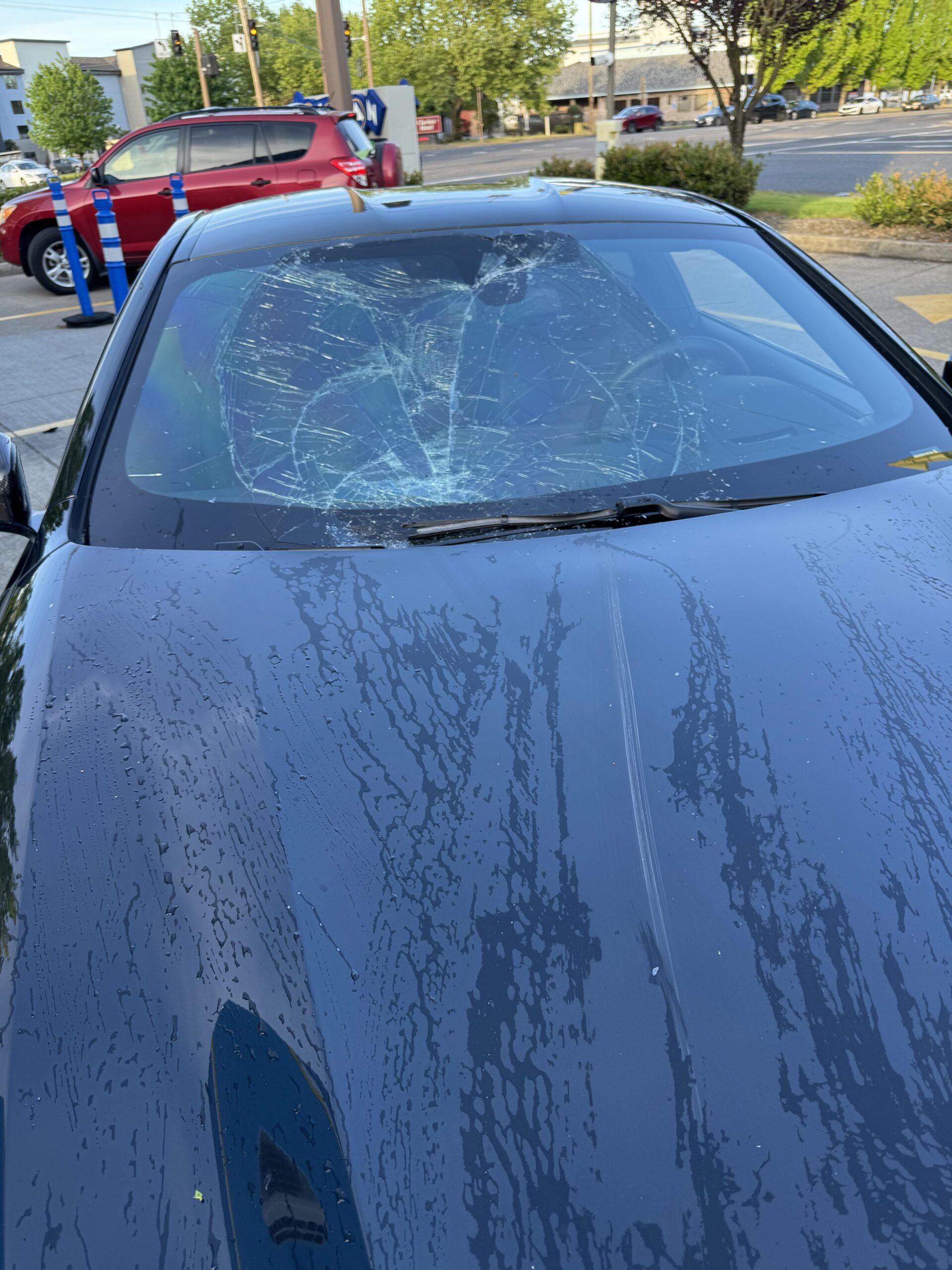
Contact wash equipment can clean quickly, but brush and cloth condition matters.
Credit: www.reddit.com

Automatic wash tunnels combine detergent, water, contact material, and air drying.
Credit: www.yahoo.com
Alternatives to Gas Station Car Washes
Touchless automatic wash
This is a convenient compromise when you want speed without brushes touching the paint. It is best for loose contamination and routine rinsing, not necessarily baked-on grime.
Self-service wash bay
You control the pressure wand and timing, which can be useful for rinsing wheel wells and underbody areas. Be cautious with shared brushes because they may contain grit.
Professional hand wash
A reputable detailer can use cleaner towels, better lighting, and more careful techniques. Confirm what products and drying methods are included.
Home hand wash
This provides the greatest control if you have suitable drainage, water access, and clean equipment. It is often the best choice for preserving a high-quality finish.
Waterless or rinseless cleaning
These methods can work for lightly dusty vehicles when used with the correct product, plenty of clean microfiber towels, and adequate lubrication. They are not appropriate for thick mud or heavily gritty paint because wiping can drag abrasive particles across the finish.
For vehicles with unusual equipment or low clearance, review applicable equipment requirements before choosing any automated facility. Guidance on vehicle setup for mountain driving illustrates why clearance, tires, and accessories should be considered together.
Frequently Asked Questions
Do gas station car washes scratch paint?
They can, particularly when brushes or cloth strips are contaminated with sand and road grit. The risk is lower with well-maintained equipment and higher with repeated use of an old or dirty contact system. A touchless wash removes the contact risk but may not remove every stubborn contaminant.
Is a touchless wash better than a brush wash?
Touchless is generally better for minimizing physical paint contact. Brush or soft-cloth systems may clean more thoroughly, but they introduce a greater risk of fine marring. Choose based on whether paint preservation or maximum convenience and cleaning power is the priority.
Can a gas station wash damage ceramic coating?
It usually will not destroy a properly applied coating in one visit, but harsh detergents and abrasive contact can reduce slickness or shorten the life of temporary top layers. Follow the coating manufacturer’s wash instructions and avoid facilities with visibly dirty equipment.
Should I use a gas station wash after driving on salted roads?
Yes, removing salt promptly is usually sensible. Choose a program with underbody rinsing when available, and pay attention to wheel wells, rocker panels, and other areas where residue collects.
How often can I use an automatic car wash?
Use it as often as road conditions require, but avoid unnecessary repeated contact cycles. If you wash frequently, choose a clean touchless facility or alternate automatic cleaning with a controlled hand wash.
Can I take a convertible through a gas station car wash?
Only if the vehicle manufacturer and the wash facility permit it. Some soft tops, seals, and aftermarket modifications are not suitable for automatic tunnels. When in doubt, use a careful hand wash.
Are premium wash packages worth the cost?
They may provide convenience such as an underbody rinse, additional drying, or a temporary surface treatment. They do not guarantee scratch-free cleaning or replace proper paint protection. Choose extras based on the condition of your vehicle rather than the package name.
Final Verdict: Are Gas Station Car Washes Bad?
Gas station car washes are not inherently bad. They are a practical maintenance tool with clear trade-offs.
A clean, well-maintained touchless or soft-cloth facility can safely handle routine dirt, salt, and dust for many daily drivers. The risk increases when equipment is neglected, the vehicle is heavily contaminated, or the same abrasive contact wash is used repeatedly on a finish that you are trying to keep flawless.
For the safest decision:
- Inspect the equipment before entering.
- Follow vehicle restrictions.
- Prefer touchless when avoiding paint contact matters most.
- Rinse salt and heavy contamination promptly.
- Secure antennas, mirrors, racks, and loose accessories.
- Use controlled hand washing when the finish is delicate or valuable.
- Document any damage immediately.
The “shocking truth” is that the location—gas station or otherwise—is less important than the wash technology, maintenance quality, and way you use it. Choose the method that matches your vehicle’s condition, and a gas station wash can be convenient without becoming a costly mistake.








