Black Friday deals are live on Amazon · limited-time discounts, grab them before they’re gone
Grab the deals

ByMax Lee
How to Operate Car Wash: Expert Tips for Flawless Results
Operating a car wash is more than turning on pumps and spraying soap. A reliable wash depends on safe equipment, correct chemical dosing, consistent vehicle handling, trained staff, clean water management, and a final quality inspection.
Whether you run an automatic tunnel, self-service bays, touchless system, or hand-wash operation, the goal is the same: remove contamination without damaging the vehicle, keep customers moving efficiently, and protect employees and equipment. You can also read our guide on will automatic car wash remove ceramic coating.
This guide explains how to operate each type of car wash, how to prepare before opening, how to handle common failures, and how to deliver consistently clean, dry results.
Choose the Right Car Wash Operating Model
The operating routine depends on the type of facility you manage.
| Car wash type | Main operating priority | Typical customer involvement |
|---|---|---|
| Automatic tunnel | Conveyor control, chemical balance, brushes, dryers, and vehicle spacing | Low |
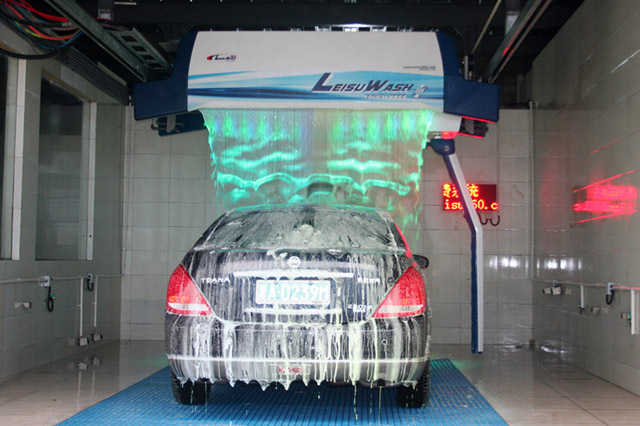
| Touchless automatic | Pump pressure, nozzle alignment, chemical dwell time, and drying | Low |
| Self-service bay | Working spray equipment, instructions, timers, and drainage | High |
| Hand wash or detailing site | Staff training, wash sequence, inspection, and cloth management | None to moderate |
A facility may also combine several models. For example, a site might offer automatic washes, vacuum stations, mat cleaners, and self-service bays. Each area needs its own inspection checklist rather than one general opening routine. You can also read our guide on how to use a manual car wash.
Before Opening: Complete a Safety and Equipment Check
A consistent pre-opening inspection prevents many customer complaints and expensive breakdowns. Walk through the site before accepting the first vehicle.
Inspect the wash system
Check the following:
- Main power, emergency stops, and control-panel indicators
- Water supply, storage tanks, pumps, hoses, and filters
- Chemical levels and dosing lines
- Spray arches, nozzles, foam applicators, and wax applicators
- Conveyor, rollers, guide rails, wheel guides, and vehicle sensors
- Brushes, cloth strips, side washers, and overhead components
- Air compressors, dryers, fans, and exhaust vents
- Floor drains, grates, oil separators, and wastewater collection points
- Payment terminals, gates, ticket readers, and receipt printers
- Lighting, signs, cameras, and intercoms
Do not rely only on visual inspection. Listen for unusual pump noise, inspect fittings for leaks, and look for chemical residue around dosing equipment. A small leak can reduce pressure, waste product, and create a slip hazard.
If compressed air is used for tire inflation, drying, or cleaning, verify that the compressor has suitable capacity and duty-cycle capability. A useful air-system planning guide can help when sizing equipment for repeated demand.
Confirm chemical supplies and dilution
Use only products approved for the equipment and vehicle surfaces being cleaned. Before opening:
- Confirm that soap, presoak, tire cleaner, wax, and drying agent are in the correct containers.
- Check labels and safety data sheets.
- Inspect suction tubes, caps, and dosing pumps.
- Confirm dilution settings against the chemical manufacturer’s instructions.
- Prime lines if the system has been idle or a container was replaced.
- Clean blocked strainers or injectors before changing the dosage.
More chemical does not automatically produce a cleaner vehicle. Overdosing can leave residue, increase rinsing demand, affect wastewater treatment, and damage sensitive finishes. Underdosing may fail to loosen traffic film, forcing brushes or operators to work harder.
Check weather and vehicle conditions
Temperature, wind, sunlight, and road contamination affect the wash process. On a hot, sunny day, a vehicle can dry before rinsing is complete, leaving mineral spots. In freezing conditions, water can refreeze on doors, mirrors, locks, and walkways.
Adjust the service plan by:
- Washing shaded areas first when practical
- Increasing drying attention during low temperatures
- Keeping walkways treated and clearly marked during icy weather
- Suspending exterior washing when conditions make safe operation impossible
- Advising customers to check doors, hatchbacks, and mirrors after a winter wash
How to Operate an Automatic or Tunnel Car Wash
An automatic wash should follow a controlled sequence. Operators should not bypass sensors or rush a vehicle through a fault condition.
1. Prepare the vehicle entry area
Before the vehicle reaches the conveyor or wash bay:
- Ask the driver to close windows, sunroofs, and convertible tops.
- Confirm that doors, trunks, hatches, and fuel doors are closed.
- Remove or secure loose accessories such as roof-mounted items, antennas, and hanging decorations.
- Explain whether the customer should remain in the vehicle.
- Direct the driver to follow the lane markings and stop at the indicated position.
- Confirm that the vehicle is suitable for the system.
The facility should display clear warnings for vehicles with nonstandard dimensions, exposed equipment, loose trim, damaged glass, or other conditions that may create risk. Operators should never force a vehicle into a wash system simply because it physically fits.
For facilities that serve vehicles traveling through mountain or winter regions, a documented vehicle suitability checklist can help staff think systematically about clearance, tires, and operating conditions.
2. Position and secure the vehicle
For conveyor systems, guide the driver onto the track or belt according to the site’s instructions. Make sure the wheels are aligned and that the driver follows the required gear, brake, and steering instructions.
For in-bay automatic systems, center the vehicle within the marked position. Verify that the vehicle is stationary before activating the cycle. Never start brushes, arches, or high-pressure spray while a person is outside the vehicle unless the system is specifically designed for that procedure.
3. Run the wash sequence
A typical sequence includes:
- Dry or low-pressure removal of loose grit
- Presoak or detergent application
- Dwell time to soften road film
- High-pressure rinse
- Mechanical cleaning, if applicable
- Wheel and lower-body cleaning
- Final rinse
- Wax or protectant application, if selected
- Spot-free or filtered-water rinse
- Drying
The exact order varies by equipment. Follow the system manufacturer’s operating manual rather than changing cycle timing based on appearance alone.
A common mistake is allowing brushes to contact a heavily soiled vehicle before loose grit has been removed. Pre-rinsing reduces the chance of dragging abrasive particles across the paint. Brush material also needs regular cleaning and replacement; worn or contaminated brushes can create more damage than a properly maintained system.
4. Monitor the vehicle during the cycle
The operator should watch the wash rather than treating the system as unattended. Pay attention to:
- Vehicle movement and spacing
- Brush pressure and contact
- Spray pattern and nozzle alignment
- Chemical coverage
- Unusual vibration or noise
- Water leaks
- Dryer position and airflow
- Vehicles that stop unexpectedly
Use the emergency stop when there is a risk to a person, vehicle, or machine. After stopping, identify the cause before resetting the system. Restarting repeatedly without diagnosis can turn a minor sensor issue into a larger mechanical failure.
5. Complete drying and exit
Dryers should remove water without striking mirrors, trim, or other vulnerable components. Check that air nozzles are aligned and that filters are clean.
If water remains on the vehicle, operators can direct the customer toward a finishing area or use approved drying tools. Do not use a dirty towel on paint. A clean microfiber towel should be separated from cloths used on wheels, door jambs, or lower panels.
How to Operate a Self-Service Car Wash
Self-service customers need simple equipment and clear instructions. Confusing controls increase wash time, chemical waste, and equipment misuse.
Set up each bay
Before opening, verify that every bay has:
- A functioning spray wand and hose
- Correctly labeled program selections
- Adequate soap, presoak, wax, and rinse supplies
- A working timer and payment system
- A clean brush with no embedded grit
- Clear operating instructions
- Good lighting and visible emergency information
- Unblocked drains and a slip-resistant floor
Inspect spray hoses for cuts, kinks, and damaged fittings. Hang wands securely so they cannot fall against a vehicle.
Give customers a safe wash order
Post a short sequence such as:
- Remove loose dirt with the high-pressure rinse.
- Apply presoak or soap.
- Use the bay brush only after rinsing away loose grit.
- Rinse thoroughly from the roof downward.
- Use wax or protectant only if desired.
- Finish with spot-free rinse water.
- Dry with a clean towel or approved air system.
Customers who prefer a careful hand wash can follow a paint-safe bucket routine outside the bay, where permitted by local rules and site drainage requirements.
Manage time without sacrificing safety
Time limits should keep bays available without encouraging unsafe rushing. Display the remaining time clearly, provide a warning before the timer ends, and make it easy to purchase additional time if the system allows.
Do not pressure customers to continue when equipment is malfunctioning or the floor becomes hazardous. Close and mark a bay out of service until the problem is corrected.
How to Operate a Hand-Wash or Detailing Area
A hand-wash operation needs a repeatable workflow. The quality of the result should not depend on which employee happens to wash the vehicle.
Use a clean-to-dirty workflow
A practical order is:
- Confirm the requested service and inspect the vehicle.
- Record existing damage, heavily soiled areas, and fragile accessories.
- Remove loose dirt with a rinse.
- Clean wheels and tires with separate tools.
- Wash the upper body before the lower panels.
- Rinse thoroughly.
- Clean glass and exterior trim with suitable products.
- Dry with clean, designated towels.
- Vacuum and clean the interior if included.
- Perform a final inspection before release.
Wheels, tires, exhaust areas, and lower rocker panels carry more abrasive contamination than painted upper surfaces. Keep their brushes, buckets, mitts, and towels separate from paint-contact equipment.
Train staff on chemical and towel control
Every employee should know:
- Which product is used on each surface
- Required dilution and dwell time
- Which chemicals must never be mixed
- How to read a product label and safety data sheet
- When a towel or mitt must be removed from service
- How to prevent cross-contamination between vehicles
- How to report damage or a customer complaint
Use color coding or clearly labeled containers for paint, glass, wheels, interiors, and floors. In practice, towel control is one of the easiest ways to improve consistency. A towel that falls on the ground should not return to the vehicle.
Inspect before handing over the vehicle
Use a final checklist that covers:
- Roof, hood, grille, mirrors, and glass
- Door handles, license plates, and lower panels
- Wheels and tire sidewalls
- Door jambs and hatch areas, if included
- Water trapped around mirrors, emblems, and trim
- Interior glass, mats, and high-touch surfaces
- Personal belongings left in the cabin
If damage or a missed area is reported, remain professional, inspect the vehicle with the customer, and follow the site’s documented resolution procedure. Avoid admitting fault or making technical claims before the facts are established.
Safety, Chemicals, and Wastewater Compliance
Car wash sites combine moving machinery, electricity, water, vehicles, cleaning chemicals, and slippery floors. Safety must be built into the daily process.
Protect employees and customers
Require appropriate protective equipment for the task, which may include gloves, eye protection, waterproof footwear, hearing protection, or chemical-resistant clothing. Keep electrical controls and extension equipment away from standing water, and use properly maintained equipment suitable for wet environments.
Place warning signs around wet floors and isolate areas where a slip, trip, or vehicle movement hazard exists. Keep emergency stops accessible and train employees to use them.
For general workplace safety resources, operators can consult OSHA’s official guidance and adapt procedures to local requirements, equipment manuals, and risk assessments.
Handle chemicals correctly
Store chemicals in labeled containers with compatible secondary containment where required. Keep incompatible products separated, and never mix chemicals unless the manufacturer specifically permits it.
Maintain accessible safety data sheets and train employees to respond to spills. A spill kit should match the products used on-site. If a chemical contacts skin or eyes, follow the product’s emergency instructions and seek medical help when required.
Manage wastewater responsibly
Wash water may contain detergents, oils, metals, road salt, and other contaminants. Do not assume that a floor drain leads to an approved treatment system. Confirm local sewer, stormwater, pretreatment, discharge, and water-reclamation requirements before opening or changing the operation.
Water-reclaim systems can reduce fresh-water demand, but reclaimed water must be filtered and maintained correctly. Poorly maintained reclaim water can carry odor, sediment, or contamination back onto vehicles. Monitor filters, tanks, pumps, and treatment components according to the system manufacturer’s schedule.
Quality Control: Build a Repeatable Inspection System
A wash is successful when the vehicle is clean, the customer understands what was included, and the site has not created a safety or equipment problem.
Use three inspection points:
Opening inspection
Confirm that the site, equipment, chemicals, payment systems, and drainage are ready.
In-process inspection
Watch the first vehicles after opening and check the system after any adjustment, chemical change, or interruption.
Final inspection
Check for missed contamination, water spots, residue, damaged trim, trapped water, and incomplete drying.
Track recurring issues in a maintenance log. Record the date, equipment involved, symptoms, corrective action, and whether the problem returned. Patterns such as weak presoak, repeated low pressure, or streaking after a filter change are easier to solve when documented.
Water and Energy Efficiency Improvements
Resource efficiency can reduce operating costs while improving equipment reliability.
- Repair leaks as soon as they are discovered.
- Use automatic shutoffs on unattended hoses and spray equipment.
- Maintain pumps, nozzles, and filters so the system does not work harder than necessary.
- Use reclaim water where appropriate and permitted.
- Keep dryer filters and ventilation paths clean.
- Turn off lighting and equipment that are not needed during closed hours.
- Schedule preventive maintenance before peak demand periods.
- Use chemical dosing controls instead of relying on manual pouring.
- Train employees to stop running water during delays.
Do not reduce rinse time so far that chemical residue remains on the vehicle. A poor rinse creates rework, customer complaints, and potentially more water consumption later.
Common Car Wash Problems and Practical Fixes
| Problem | Likely causes | First checks |
|---|---|---|
| Low water pressure | Blocked filter, pump issue, closed valve, leaking line | Check valves, filters, gauges, and visible leaks |
| Soap is not dispensing | Empty container, blocked injector, air in line, failed dosing pump | Confirm supply, clean injector, prime line, inspect pump |
| Brushes stop moving | Sensor fault, overload, obstruction, drive issue | Stop system, isolate hazard, inspect for obstruction |
| Water spots remain | Hard water, poor final rinse, heat, weak drying | Check spot-free supply, filters, weather, and dryer airflow |
| Vehicle is still dirty | Insufficient presoak, short dwell time, worn brushes, poor spray pattern | Check chemical concentration, nozzles, brushes, and timing |
| Dryer is weak | Dirty filter, fan fault, blocked duct, incorrect nozzle position | Clean filters and inspect airflow |
| Payment system fails | Network interruption, reader fault, power issue | Check power, connection, error codes, and alternate payment |
| Floor is slippery | Soap buildup, poor drainage, oil contamination | Close the area if needed, clean safely, and inspect drains |
Never reach into moving equipment to clear a blockage. Shut down and isolate the machine according to the manufacturer’s procedure before maintenance.
Customer Service Practices That Improve Retention
Clean equipment matters, but customers also judge the clarity and professionalism of the service.
- Display prices, wash options, exclusions, and estimated process time.
- Explain what customers should do before entering the bay.
- Keep payment and refund procedures straightforward.
- Provide a visible way to request help.
- Resolve missed areas promptly and politely.
- Avoid promising that a wash will remove permanent stains, scratches, oxidation, or embedded contaminants.
- Ask permission before performing an upgrade or additional service.
- Keep vacuum areas, payment points, and queue lanes clean.
Staff should also know how to identify vehicles that need special handling. For example, window films and aftermarket accessories may require different cleaning methods; operators can use a window-film care reference when customers ask about tint-related concerns.
Daily, Weekly, and Monthly Maintenance Schedule
Daily
- Inspect pumps, hoses, nozzles, brushes, dryers, and sensors.
- Check chemical levels and dosing.
- Clean floors, drains, bays, vacuum areas, and touchpoints.
- Empty waste containers.
- Test payment equipment and signage.
- Log faults and customer complaints.
Weekly
- Clean filters, strainers, brush assemblies, and dryer intakes.
- Inspect hoses, fittings, belts, chains, rollers, and guards.
- Check chemical lines for air leaks or crystallized residue.
- Review water-reclaim tank condition.
- Inspect safety signs and emergency equipment.
- Review the maintenance log for repeating failures.
Monthly or according to the manufacturer’s schedule
- Lubricate approved components.
- Test sensors, emergency stops, interlocks, and alarms.
- Inspect electrical connections through a qualified technician where necessary.
- Calibrate dosing systems and pressure equipment.
- Service compressors, pumps, and dryers.
- Review employee training and chemical-handling procedures.
- Confirm permits, inspections, and wastewater procedures remain current.
Maintenance intervals should always follow the equipment manufacturer’s manual and applicable local regulations. Heavy-use sites may need more frequent service than a small seasonal operation.

An equipment inspection helps identify pressure, chemical, and mechanical problems before customers arrive.
Credit: www.youtube.com

An automatic wash works best when vehicle spacing and conveyor positioning are controlled.
Credit: m.youtube.com
Frequently Asked Questions
How do you operate a car wash safely?
Start with an opening inspection, check water and chemical systems, confirm safety devices work, and keep customers away from moving equipment. Use protective equipment, post wet-floor warnings, and stop the system immediately if a person, vehicle, or machine is at risk.
What is the correct order for an automatic car wash?
The usual order is loose-dirt removal, presoak, detergent, dwell time, rinse, mechanical cleaning if applicable, final rinse, protectant, and drying. The exact sequence depends on the equipment manufacturer’s design.
How long does a car wash take?
The wash cycle may take only a few minutes, but total customer time also includes queueing, payment, vehicle positioning, and drying. The facility should publish an honest estimate rather than promise a fixed time for every vehicle.
How often should car wash equipment be maintained?
Inspect essential equipment every operating day. Clean filters and check moving parts at regular weekly intervals, then perform deeper servicing according to the manufacturer’s schedule and the facility’s usage level.
Can a car wash operate in winter?
Yes, if the equipment, drainage, chemicals, and site procedures are suitable for freezing conditions. Pay special attention to ice on walkways, frozen hoses, trapped water in mirrors and door seals, and safe vehicle movement.
How can a car wash prevent scratches?
Remove loose grit before mechanical contact, maintain clean brushes and cloths, use separate tools for wheels and paint, control chemical dilution, and inspect equipment for wear. A wash cannot remove existing scratches, so document pre-existing damage when appropriate.
What should an operator do when a machine fails during a wash?
Stop the system if there is any safety risk, secure the area, and prevent additional vehicles from entering. Record the fault, inspect only when the equipment is safely isolated, and call a qualified technician when the problem involves electrical, hydraulic, mechanical, or chemical systems.
Conclusion
To operate a car wash successfully, treat it as a controlled process rather than a collection of machines. Prepare the site before opening, verify vehicle suitability, use chemicals at the correct dilution, follow a consistent wash sequence, and inspect the finished result.
Preventive maintenance, safe wastewater handling, clean tools, and clear customer instructions protect both the vehicle and the business. Start with a written opening checklist and a maintenance log, then improve the procedure whenever recurring faults or customer feedback reveal a weakness.








