Massachusetts radar detector legality in passenger and commercial vehicles depends on what you drive. The rules split cleanly: passenger cars can use them, but commercial vehicles face a full ban. As of 2026, the law hasn’t changed, so the distinction still holds.
In our research, the key difference comes down to vehicle classification under Massachusetts General Laws Chapter 90, Section 16A. That means the first thing to check is whether your vehicle falls under passenger or commercial rules.
Quick Answer
Massachusetts allows radar detectors in passenger vehicles. Commercial vehicles over 10,000 lbs or hauling hazardous materials cannot use them. The ban applies to trucks and buses.
Passenger vehicles face no state-level restrictions.
Is a Radar Detector Legal in Massachusetts?
Yes, for passenger vehicles. The state does not prohibit radar detectors in cars, SUVs, or motorcycles. The law targets commercial use, not personal.
You won’t find a statewide ban for everyday drivers. But local ordinances can add restrictions, so it’s worth a quick check. Most drivers won’t run into issues with a properly mounted detector.
How Massachusetts Law Treats Radar Detectors
The rules come from Massachusetts General Laws Chapter 90, Section 16A. This section explicitly bans radar detectors in commercial vehicles. The law defines commercial vehicles as those over 10,000 lbs or transporting hazardous materials.
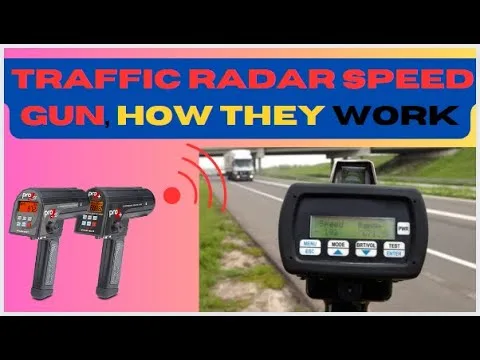
Police enforce this ban actively. Officers can pull over commercial drivers for having a detector in use or even in possession. The penalty is a fine, and the device may be confiscated.
Passenger Vehicles: What’s Allowed and What’s Not
Passenger vehicles have no restrictions under state law. You can mount a detector on your windshield or dashboard. The only limits come from how you use it.
Avoid obstructing your view. Massachusetts law requires a clear line of sight for the driver. A poorly placed detector can lead to a separate citation.
Also, detectors don’t make speeding legal. They only alert you to enforcement. Speeding tickets still apply if you’re caught over the limit.
Commercial Vehicles: The Strict Ban Explained
Commercial vehicles face a total ban on radar detectors. This includes trucks, buses, and any vehicle over 10,000 lbs. The law also covers vehicles hauling hazardous materials, regardless of weight.

The ban applies to both use and possession. Even having a detector in the cab can lead to a fine. Enforcement is strict, and exceptions are rare.
Fleet operators should train drivers on this rule. Ignorance isn’t a valid defense if stopped. The Federal Motor Carrier Safety Administration aligns with Massachusetts on this restriction.
Why Commercial Vehicles Are Different
The ban exists because commercial vehicles pose higher risks on the road. Heavier loads and longer stopping distances make speed enforcement critical. Radar detectors could encourage reckless driving in these cases.
Federal regulations also play a role. The FMCSA supports state-level bans to maintain safety standards. Commercial drivers are held to stricter rules than passenger vehicle operators.
What Happens If You Break the Rules?
For commercial drivers, the penalty is a fine. The exact amount varies but typically ranges from $100 to $500. The detector may also be confiscated.
Passenger vehicle drivers face no state penalties for using detectors. But local laws might still apply. Always check municipal ordinances if you’re unsure.
Radar Detectors vs. Other Speed-Trap Tools
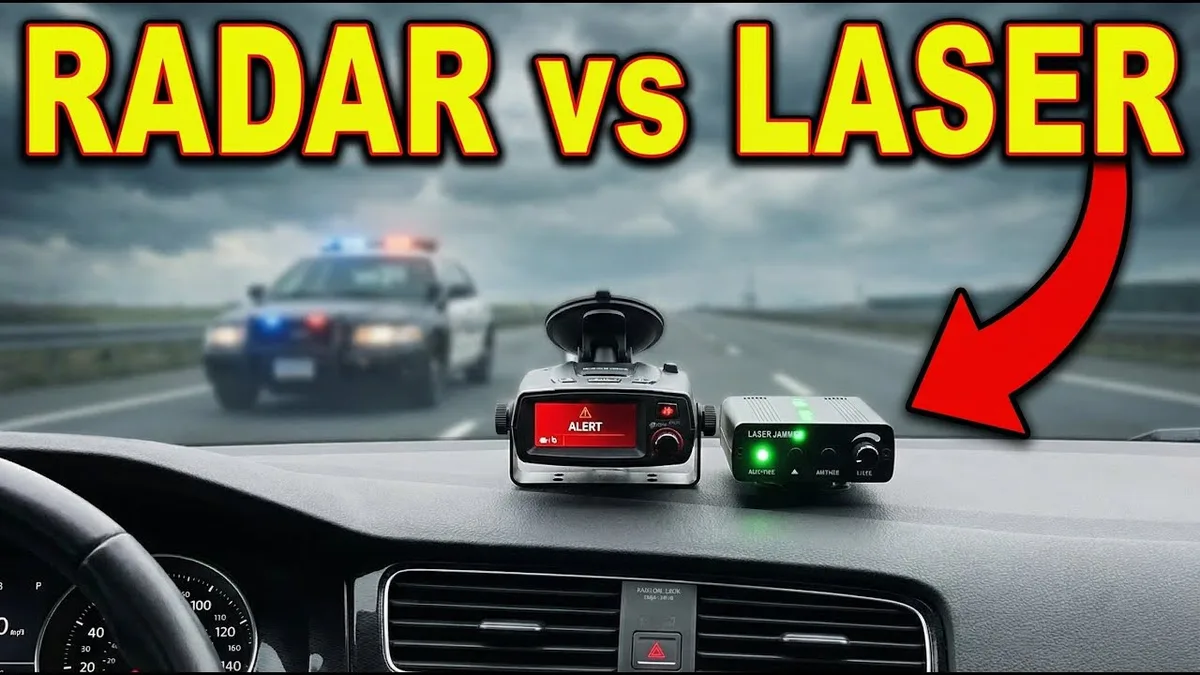
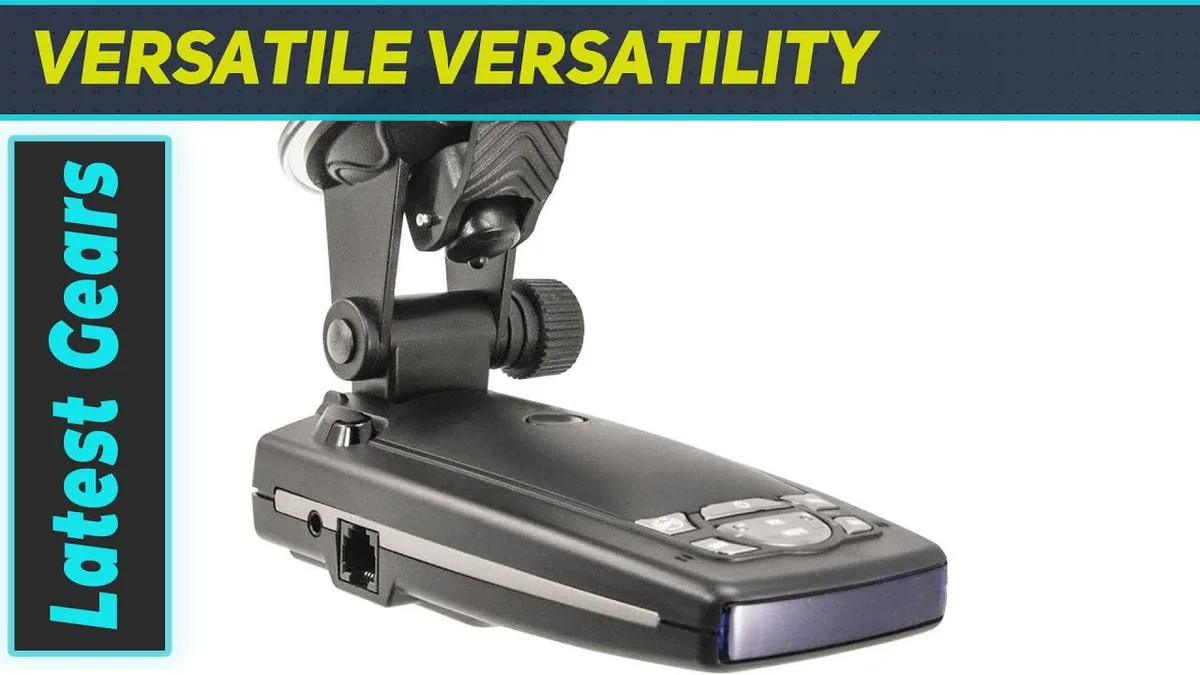
Radar detectors pick up police radar signals. They alert you to potential speed traps ahead. But they don’t block the signal.
Laser jammers actively disrupt LIDAR guns. These are illegal in Massachusetts for all vehicles. The state treats jammers the same as radar detectors in commercial vehicles.
GPS-based apps like Waze offer crowd-sourced alerts. These aren’t detectors but provide similar warnings. They’re legal in all vehicles since they don’t interfere with enforcement.
How to Use a Radar Detector Legally in Massachusetts
Mount it properly. The device should not obstruct your view. A windshield mount is common but check for local rules.
Update the firmware regularly. New radar bands and enforcement tech emerge often. An outdated detector may miss threats.
Avoid using it in commercial vehicles. The ban is absolute and enforcement is strict. Even possession can lead to penalties.
Common Mistakes That Get Drivers in Trouble
Assuming all vehicles follow the same rules. Commercial drivers often overlook the ban. Always confirm your vehicle classification.
Ignoring local ordinances. Some cities restrict detector use even in passenger cars. A quick check with the RMV can save hassle.
Using outdated equipment. Older detectors may not pick up newer radar bands. This can give a false sense of security.
Neighboring States: How Their Laws Compare
New Hampshire allows radar detectors in all vehicles. There’s no ban for commercial or passenger use. This makes it more lenient than Massachusetts.
Connecticut bans detectors in commercial vehicles over 10,000 lbs. The rule mirrors Massachusetts but doesn’t cover hazardous materials. Passenger vehicles face no restrictions.
Rhode Island prohibits detectors in all commercial vehicles. The law is similar to Massachusetts but with slightly different weight thresholds. Always verify the exact limits.
FAQs About Massachusetts Radar Detector Legality
Can I use a radar detector in my personal car in Massachusetts?
Yes. The state has no restrictions for passenger vehicles. You can mount and use one legally.
Are radar detectors illegal in trucks in Massachusetts?
Yes. Commercial vehicles over 10,000 lbs or hauling hazardous materials cannot use them. The ban includes possession.
What’s the penalty for using a radar detector in a commercial vehicle?
You’ll face a fine, typically between $100 and $500. The device may also be confiscated. Enforcement is strict.
Do radar detectors work against LIDAR?
No. Radar detectors pick up radar signals but not LIDAR. For LIDAR, you’d need a jammer, which is illegal in Massachusetts.
Can I use a GPS app like Waze instead of a radar detector?
Yes. GPS apps with crowd-sourced alerts are legal in all vehicles. They don’t interfere with enforcement equipment.
Final Verdict: Should You Use One?
For passenger vehicles, a radar detector is a legal tool. It can help you stay aware of speed enforcement. Just ensure proper mounting and updates.
For commercial vehicles, the answer is no. The ban is absolute and carries fines. It’s not worth the risk.