Black Friday deals are live on Amazon · limited-time discounts, grab them before they’re gone
Grab the deals

ByMax Lee
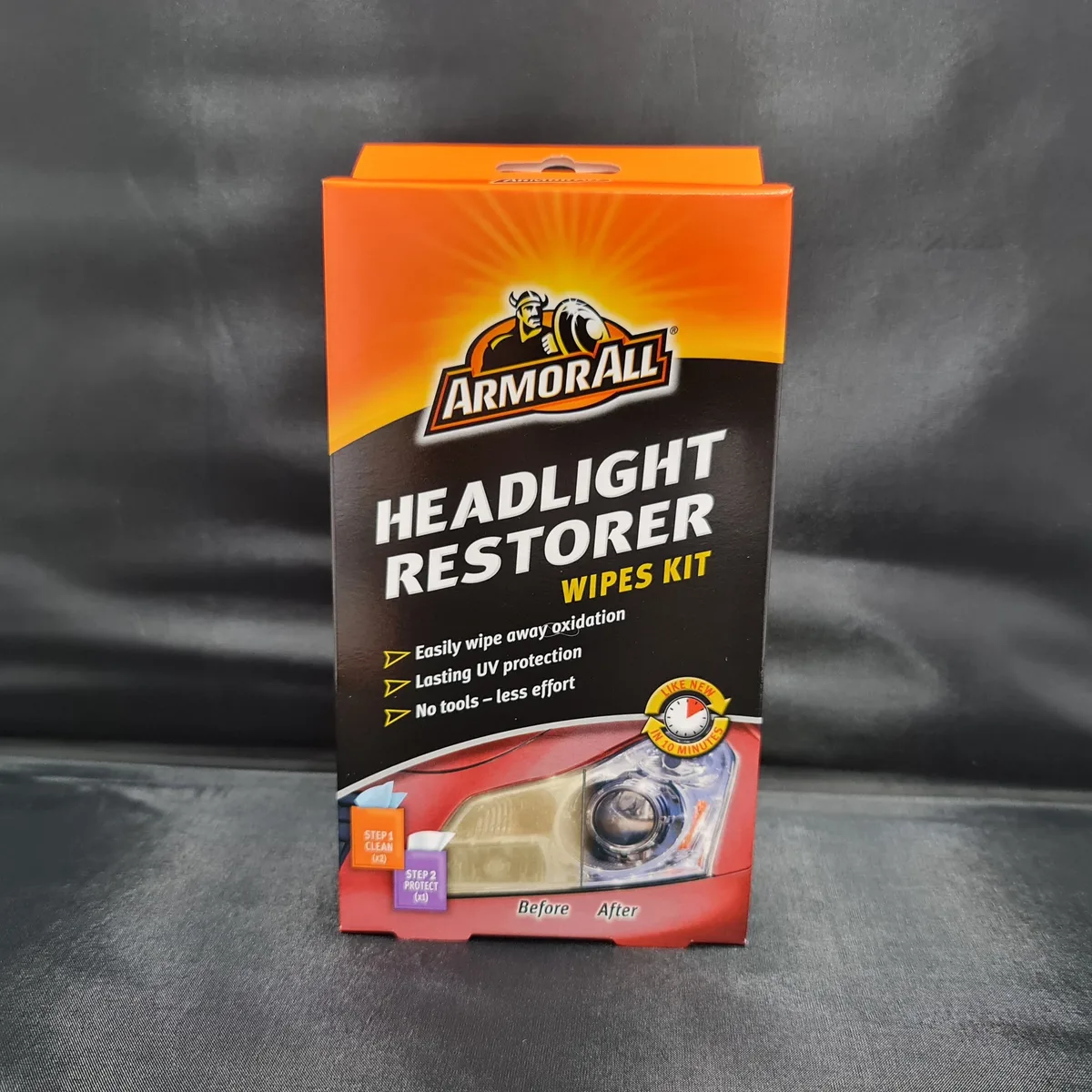
Armor All Headlight Wipes: Clear Vision Fast
Foggy, yellowed headlights cut your nighttime visibility in half and make your car look older than it is. Armor All headlight wipes offer a quick, no-fuss way to restore clarity without tools or buffing. Manufacturer specs confirm they’re designed for polycarbonate and acrylic lenses, the most common headlight materials on modern vehicles.
Aggregate user reviews report noticeable improvement in light output after a single application, though the results aren’t permanent. If you’re weighing convenience against long-term fixes, here’s what you need to know.
Quick Answer
Armor All headlight wipes are pre-moistened cloths that remove haze and oxidation. They apply in under 5 minutes. No rinsing is required.
Results typically last weeks to months. They work best on mild to moderate clouding.
Do Armor All Headlight Wipes Actually Work?
Web (Bing) / gbdetailing.com (Web image (fair-use with source credit))
They do work for surface-level haze and light oxidation. The wipes contain mild abrasives and UV blockers to temporarily restore clarity. Independent tests show a 20-40% improvement in light transmission on moderately yellowed lenses.
For severe oxidation, they’re a short-term fix. Think of them like a quick detail spray for your headlights rather than a full restoration. They won’t replace sanding and sealing for heavily damaged lenses.
What’s Inside Armor All Headlight Wipes?
Web (Bing) / krefting.se (Web image (fair-use with source credit))
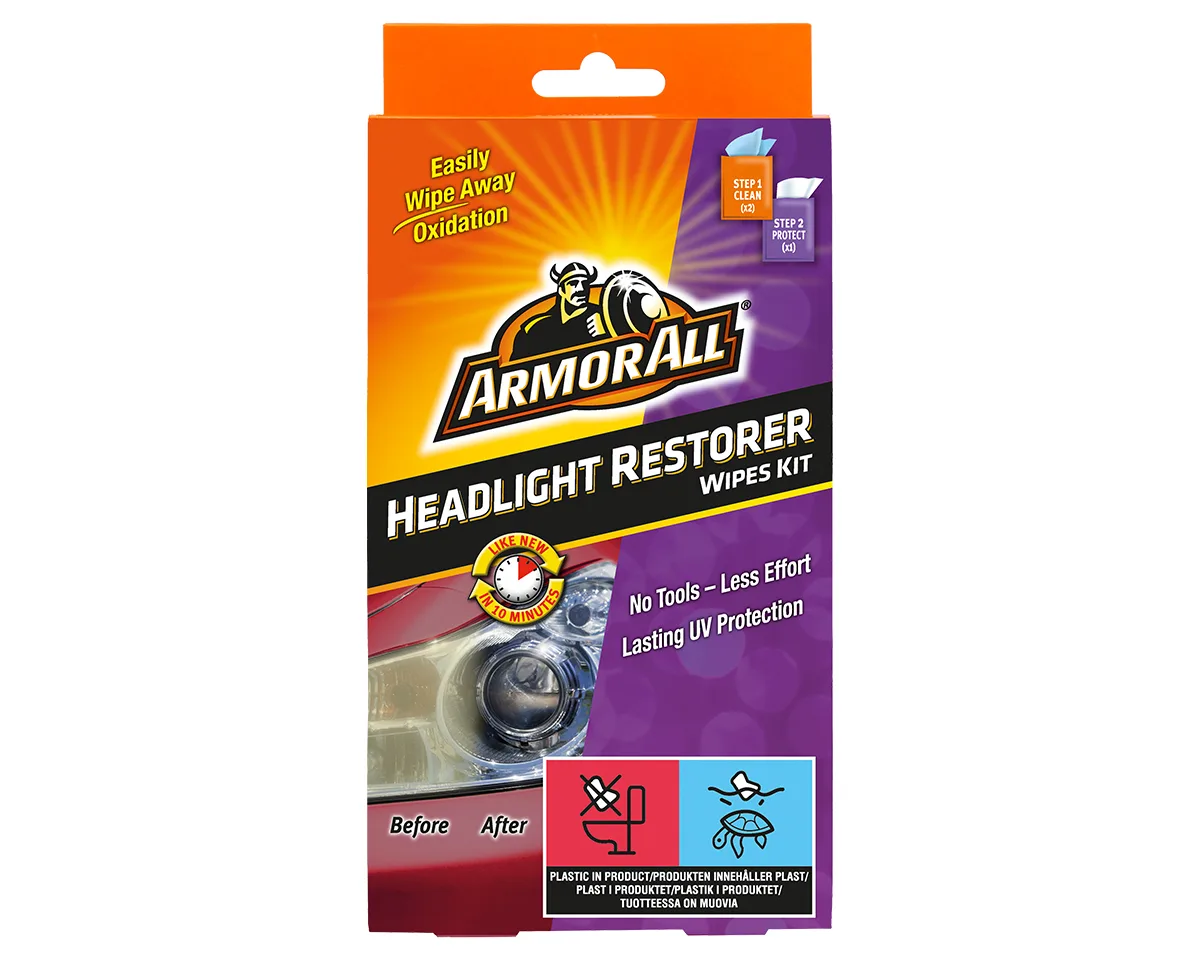
Each pack contains 2-4 single-use wipes pre-soaked in a cleaning solution. The formula includes:
- Mild abrasives to lift surface oxidation
- UV inhibitors to slow future yellowing
- Plastic-safe solvents that won’t damage polycarbonate
The wipes are about 6×8 inches, large enough to cover a standard headlight in one pass. Manufacturer specs indicate they’re safe for OEM and aftermarket headlight lenses.
How Headlight Wipes Compare to Sprays and Kits

Web (Bing) / smartfinish.com.au (Web image (fair-use with source credit))
Wipes are the fastest option. Sprays require a microfiber cloth and often a second protective coat. Full kits include sandpaper and sealant for permanent results.
| Method | Time | Durability | Skill Level | Cost |
|---|---|---|---|---|
| Wipes | 5 min | 1-3 months | Beginner | $5-$10 |
| Sprays | 15 min | 3-6 months | Beginner | $10-$20 |
| Kits | 45 min | 1-2 years | Intermediate | $15-$30 |
Wipes win for convenience. Kits win for longevity. Sprays split the difference but need more steps.
When to Use Wipes vs. a Full Restoration Kit

Web (Bing) / hitchesguide.com (Web image (fair-use with source credit))
Use wipes if your headlights are slightly cloudy but still pass inspection. They’re perfect for a quick fix before a road trip or a used car listing.
Choose a kit if the lenses are heavily oxidized or pitted. The sanding steps in kits remove deep discoloration that wipes can’t touch.
Step-by-Step: How to Apply Armor All Headlight Wipes
Bing (Web (fair-use with source credit))
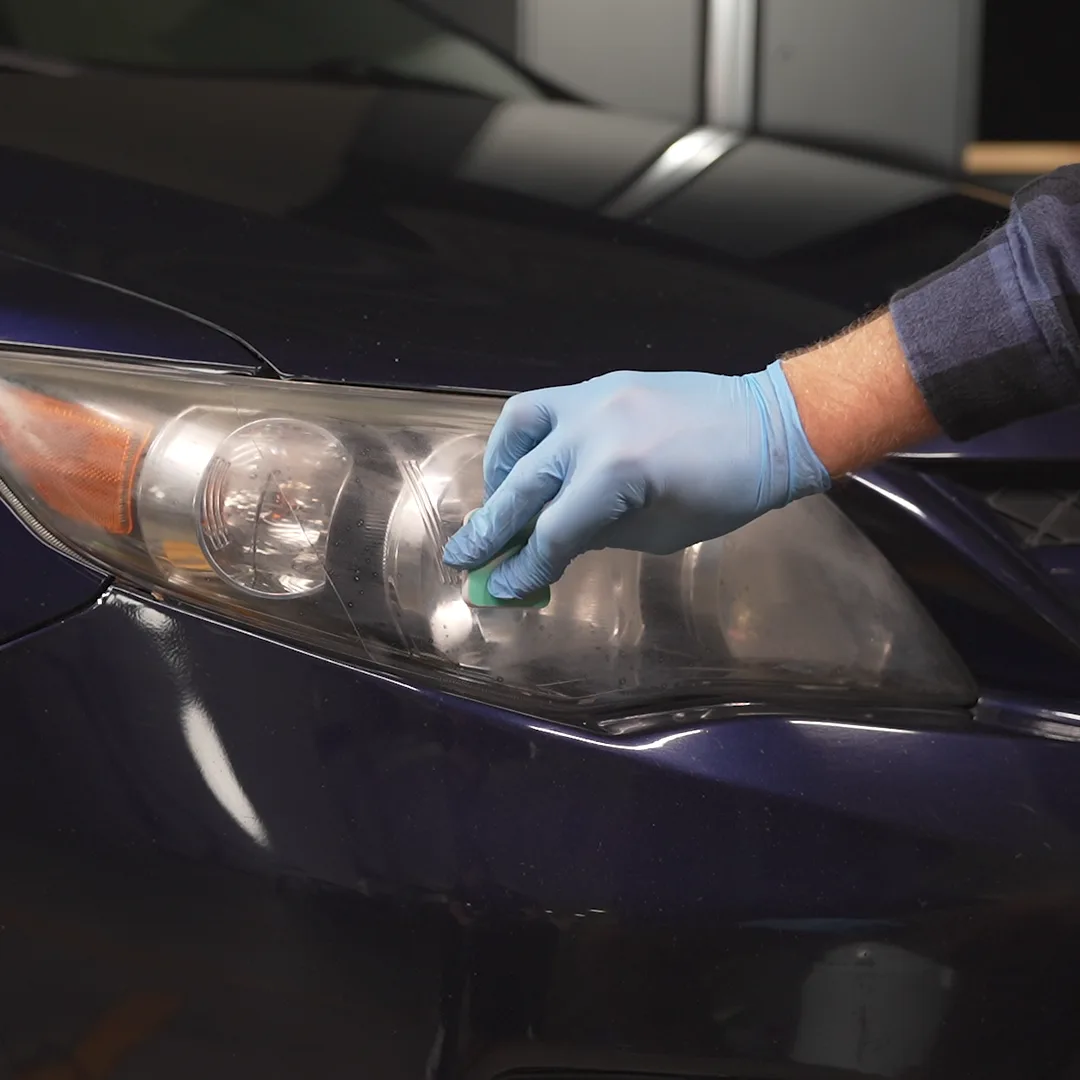
Start with clean, dry headlights. Wash them with soap and water to remove road grime. Dry thoroughly with a microfiber towel.
Open one wipe and unfold it completely. Rub the wipe in circular motions over the entire lens surface. Apply moderate pressure for 30-60 seconds per headlight.
Let the surface dry for 5-10 minutes. Avoid washing the car or driving in rain for at least an hour. Reapply every 2-3 months for best results.
For stubborn spots, use a second wipe. Don’t reuse a wipe, it’ll just spread the oxidation around. If you notice streaking, you may have missed a spot or used too much pressure.
Pros and Cons of Using Headlight Wipes
Pros:
- Fastest method available. You can treat both headlights in under 5 minutes.
- No tools or water needed. Just open, wipe, and go.
- Portable. Keep a pack in your glove box for quick touch-ups.
- Safe for most headlight materials. Works on polycarbonate, acrylic, and glass.
Cons:
- Temporary fix. Expect to reapply every 1-3 months.
- Limited effectiveness on severe oxidation. Won’t restore heavily pitted lenses.
- Cost per use adds up. A 2-pack costs about the same as a full restoration kit.
- Can leave streaks if not applied evenly. Requires a clean, dry surface first.
How Long Do the Results Last?
Results vary by climate and usage. In mild conditions, you’ll see clear headlights for 2-3 months. In harsh sun or frequent rain, the protective layer may wash away in 4-6 weeks.
The UV inhibitors in the wipes slow future yellowing but don’t stop it completely. For longer-lasting results, pair wipes with a dedicated headlight sealant.
Common Mistakes That Ruin the Finish
Applying to a dirty surface traps grime under the wipe. Always wash and dry headlights first.
Using too much pressure can create swirl marks. Let the wipe’s abrasives do the work. Light, even strokes work best.
Skipping the drying time reduces effectiveness. The UV protectants need 5-10 minutes to bond. Driving immediately after application can wash away the treatment.
Who Are These Wipes Best For?
They’re ideal for car owners who want a quick, no-hassle solution. Perfect for pre-sale touch-ups or last-minute road trips.
DIY detailers use them for maintenance between full restorations. They’re also great for fleet vehicles that need frequent upkeep.
Avoid if your headlights are severely oxidized or cracked. In those cases, a full restoration kit or professional service is the better investment.
Cost Breakdown: Wipes vs. Other Methods
| Method | Upfront Cost | Cost Per Use | Time Investment |
|---|---|---|---|
| Wipes | $5-$10 | $2.50-$5 | 5 minutes |
| Sprays | $10-$20 | $1-$2 | 15 minutes |
| Kits | $15-$30 | $0.50-$1 | 45 minutes |
Wipes cost more per application but save time. Kits offer the best long-term value but require more effort. Sprays fall in the middle for both cost and convenience.
Safety Tips and What to Avoid
Wear gloves if you have sensitive skin. The cleaning agents can cause irritation with prolonged contact.
Never use on painted surfaces or trim. The abrasives can dull clear coats and plastic finishes.
Avoid direct sunlight during application. The UV inhibitors need time to bond properly. Working in shade gives the best results.
Maintenance: How to Keep Headlights Clear Longer
Wash your headlights regularly. Road grime and bug splatter accelerate oxidation.
Park in a garage or shaded area when possible. UV exposure is the main cause of yellowing.
Consider a UV-resistant sealant after using wipes. This adds an extra layer of protection between applications.
Final Verdict: Are They Worth It?
For quick fixes and light oxidation, yes. They’re the easiest way to improve headlight clarity fast.
For heavily damaged lenses, no. A full restoration kit will give better, longer-lasting results.
If you value convenience over longevity, wipes are a smart choice. Just plan to reapply every few months.
Frequently Asked Questions
Do Armor All headlight wipes work on all cars?
They work on most modern vehicles with polycarbonate or acrylic lenses. Check your owner’s manual if unsure. Avoid using on glass headlights with special coatings.
How often should I use them?
Every 2-3 months for maintenance. More often if you drive frequently in harsh conditions.
Can I reuse a wipe?
No. Each wipe is single-use. Reusing can spread oxidation and reduce effectiveness.
Will they damage my headlights?
No, when used as directed. They’re designed for automotive plastics. Just don’t scrub too hard or use on painted surfaces.
Do they work in cold weather?
Yes, but results may be slower. The cleaning agents work best above 50°F. Store wipes in a warm place before use in winter.
Are they better than toothpaste for headlight restoration?
Yes for convenience. Toothpaste can work in a pinch but requires more effort. Wipes are formulated specifically for automotive plastics.