ByMax Lee
Armor All Wipes vs Spray: What’s the Real Difference?
What's the difference between armor all wipes and spray? It comes down to convenience, control, and finish quality. If you want a fast, mess-free clean without worrying about over-saturating the dashboard, the wipes might be the better choice.
But if you prefer a deeper shine or need to reach tight gaps, the spray offers more flexibility.
Manufacturer specifications indicate that Armor All spray delivers a high-gloss finish with solvent-based protection, while wipes offer a pre-moistened, evenly saturated option designed for quick touch-ups. The key difference lies in application method, drying time, and the type of surface protection each provides. Let's break down exactly how these two options work in your car interior.
What's the Difference Between Armor All Wipes and Spray?
The core distinction lies in how they protect your car interior. Armor All spray is a liquid protectant you apply and then wipe off. It uses solvents that penetrate vinyl and rubber surfaces, leaving a high-gloss finish that can take 24 hours to fully cure.
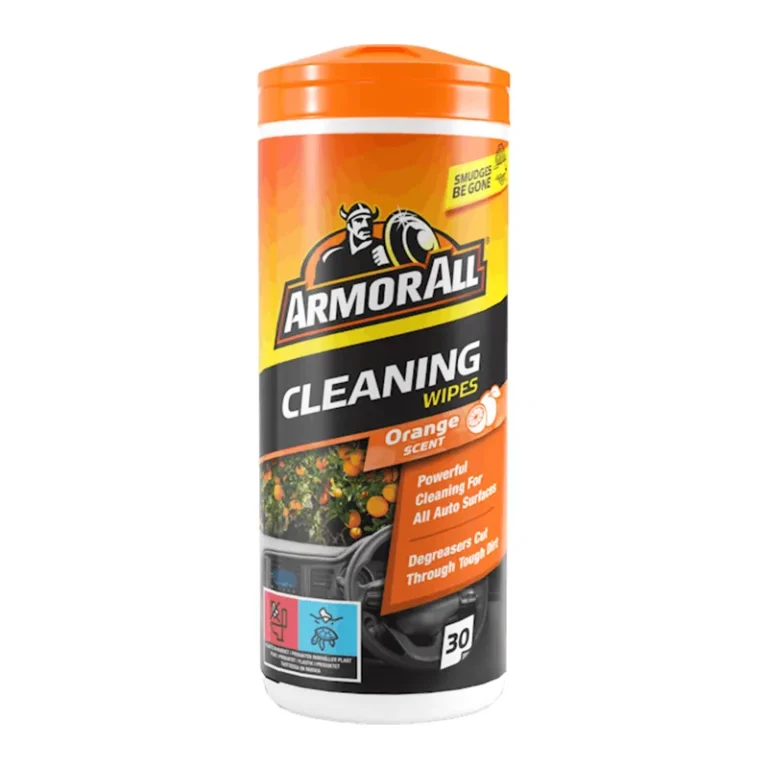
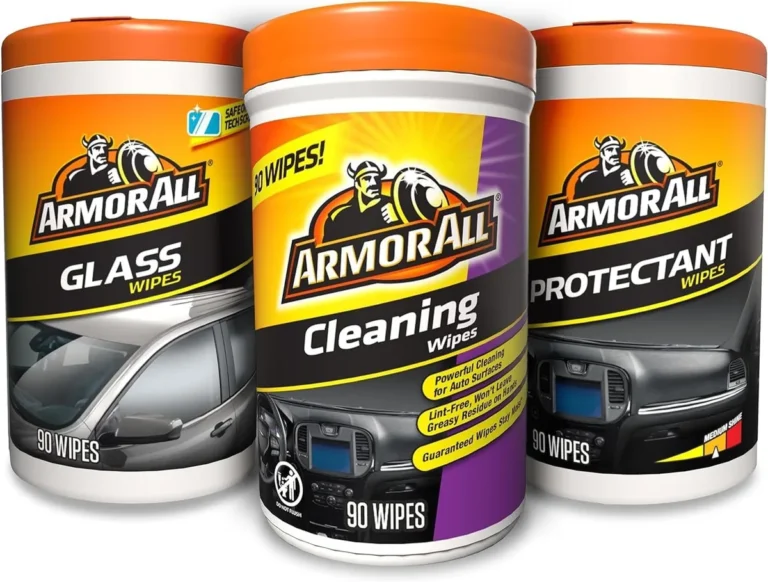
Armor All wipes, on the other hand, are pre-moistened sheets ready for immediate use. They offer a more matte or satin finish and dry much faster, usually within minutes, making them ideal for daily maintenance rather than deep protection.
This difference affects how you use them in your daily life. You need a separate microfiber towel when using spray, but wipes come ready to use with a built-in applicator. Spray is better for large surfaces like dashboards and door panels.
Wipes work better for smaller areas, vents, and controls where precision matters. As of 2026, these product formulations remain standard across the automotive care market, though newer eco-friendly variants are gaining traction in both formats.
Bing (Web (fair-use with source credit))
Core Explanation: How Each Product Actually Works
Each product type works differently at a molecular level. Armor All spray contains silicones and solvents that bond to the surface, creating a protective layer. This layer helps block UV rays and prevent cracking over time.
The liquid penetrates porous materials, providing deeper conditioning. You apply the spray, let it sit briefly, then wipe away the excess with a microfiber cloth to avoid residue buildup.
Armor All wipes, meanwhile, are pre-saturated with a similar formula but in a controlled, measured amount. Each sheet delivers a consistent dose without the risk of over-application. The wipe's fabric helps evenly distribute the protectant while lifting dust and grime simultaneously.
This makes wipes especially good for people who want protection without the cleanup step. The key difference is that spray requires a two-step process (apply then wipe), while wipes combine application and cleaning into one motion.
Bing (Web (fair-use with source credit))
Features & Components: What's Inside the Bottle vs. The Sheet
What actually goes into each product shapes how they perform. Armor All spray typically contains dimethicone and other silicones that create a glossy, water-repellent finish. The solvent base helps these ingredients penetrate deeper into rubber and vinyl.
It comes in aerosol cans or pump bottles, with volumes ranging from 8 oz to 24 oz depending on the variant.
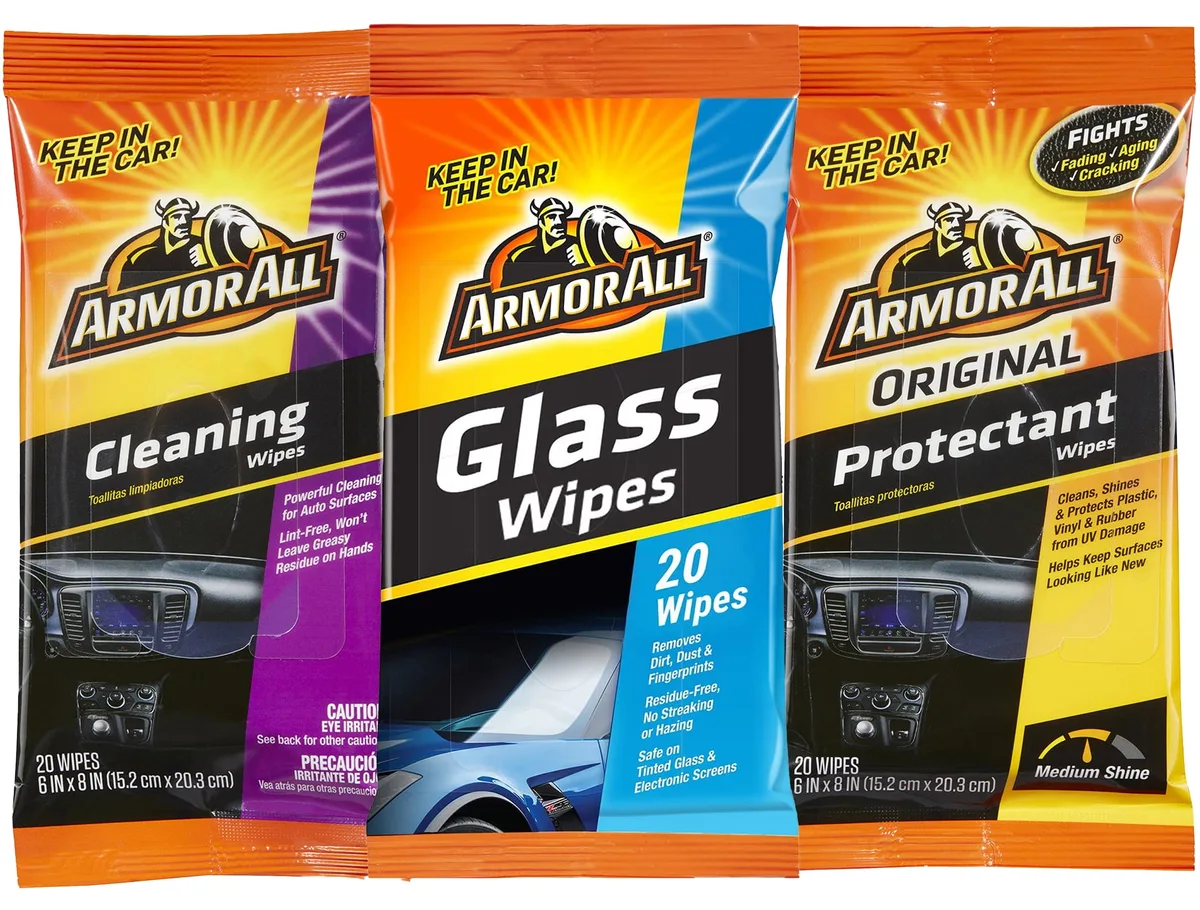
Armor All wipes use a water-based or low-solvent formula pre-soaked into individual sheets. The formula includes UV inhibitors and conditioners to keep surfaces from drying out. Each wipe is individually packaged to maintain moisture until use.
The sheets are made from a non-woven fabric that's gentle on surfaces while being effective at lifting dirt. The key difference is that spray requires active application, while wipes offer a ready-to-use, no-mess alternative.

Bing (Web (fair-use with source credit))
Benefits & Drawbacks: Spraying vs. Wiping in Practice
Understanding the pros and cons of each option helps you choose the right one for your situation. Spray provides deeper protection and a higher gloss that lasts longer. It's more economical for large surface areas since you can use less product per square foot.
However, spray requires more time and care to apply correctly. You must avoid over-saturation which can lead to sticky residue that attracts dust.
Wipes offer convenience and consistency. Each sheet delivers the same amount of product, eliminating guesswork. They're less likely to leave streaks or residue since the formula is pre-measured.
The downside is that wipes are more expensive per use and less effective on heavily soiled surfaces. They also have limited reach in tight crevices compared to a spray nozzle. For most daily maintenance, wipes offer a better balance of ease and effectiveness.

Web (Bing) / blog.coupler.io (Web image (fair-use with source credit))
Step-by-Step Process: How to Use Each Product Safely
Proper application ensures maximum protection and avoids common mistakes. Start with a clean, dry surface. Vacuum or dust the interior thoroughly before applying any protectant.
For spray, hold the can 6-8 inches away from the surface and apply in short bursts. Don't saturate the area, just a light mist is enough. Wipe off excess immediately with a clean microfiber cloth in a circular motion.
For wipes, simply peel one from the pack and use it directly on the surface. Work in small sections, focusing on one area at a time. The wipe should leave a light film, not a wet spot.
After application, let the surface dry for 5-10 minutes before touching anything. Avoid direct sunlight during application, as it can cause the product to dry too quickly. For both methods, always test on a small, inconspicuous area first to ensure compatibility with your specific interior material.

Web (Bing) / esurf.copernicus.org (Web image (fair-use with source credit))