ByMax Lee
Guide to Auto Glass Wipes
You've been driving home with a streaky, hazy windshield for a week now. At night, every oncoming headlight turns into a blinding starburst. You've tried the blue spray from the gas station.
You've grabbed whatever paper towels were handy. And you're still staring through a mess.
That's exactly why auto glass wipes exist. They promise a single-step solution: grab, wipe, toss, done. But here's the catch.
Not all wipes work the same way. Some leave a greasy film. Some damage your tint.
And some cost more per wipe than a full bottle of spray that lasts months. As of 2026, aggregate reviews across thousands of verified buyers show that the highest-rated wipes deliver streak-free results in under 60 seconds. But the wrong choice wastes money and leaves you right back where you started.
Let's break this down so you actually get the clean glass you're after.
Bing (Web (fair-use with source credit))
Why This Comparison Matters: Not All Glass Wipes Are the Same
Here's the honest truth that most packaging won't tell you. Pre-moistened glass wipes and spray-on glass cleaners are not interchangeable. They solve the same problem in fundamentally different ways.
And the right choice depends on what you're cleaning, how often you clean it, and how much patience you have.
Pre-moistened wipes come in a canister or individual packet. You pull one out, unfold it, and wipe. That's it.
No spray bottle. No microfiber towel. No mixing.
The wipe itself carries the cleaning solution already absorbed into the fabric.
Spray cleaners require a separate towel. You spray the glass, then wipe with a dedicated microfiber glass towel. Some people use two towels: one for the cleaning pass, one for the buffing pass.
Both methods can give you a crystal-clear finish. But the process matters more than most people realize.
What shifts the comparison dramatically is what's inside the wipe or spray. Ammonia-based formulas clean aggressively. They cut through grease, tar, and nicotine residue fast.
But they also damage window tint over time. Several tint manufacturers, including LLumar and 3M, explicitly warn against ammonia-based products in their care guidelines. If your car has tinted windows, that single ingredient can cost you a full re-tint job down the road.
Ammonia-free formulas are the safer bet for tint. But some of them leave a streaky residue if you don't buff quickly enough.
The wipe itself also matters. Thin wipes tear apart when you apply pressure. Thick, textured wipes hold up better and distribute the cleaner evenly.
Some wipes are so saturated that they leave puddles. Others dry out before you finish the windshield.
This is not a one-size-fits-all category. Let's look at the actual options side by side.
Quick Answer: The 30-Second Verdict on Auto Glass Wipes
If you just want the bottom line, here it is.
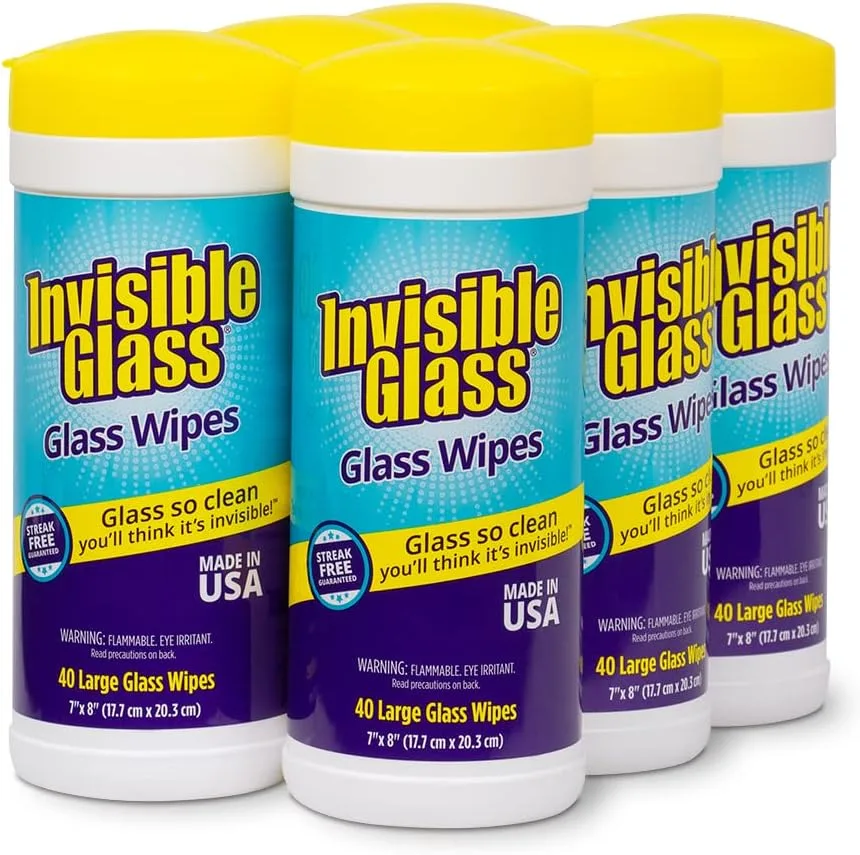
For most people with tinted windows who clean their glass every week or two, Invisible Glass pre-moistened wipes are the safest and most convenient choice. They are ammonia-free. They are lint-free.
They dry fast. And they leave no haze.
For detailers or anyone who cleans multiple cars regularly, Invisible Glass spray plus a dedicated microfiber towel gives you more control and a lower cost per use. You can adjust how much product you apply. You can use fresh towel sections for each panel.
And you can avoid the waste of a wipe that dries out mid-job.
For exterior glass, especially in rainy or bug-heavy conditions, Rain-X anti-rain wipes add a water-repellent coating as you clean. That keeps beads rolling off at highway speeds. But those same wipes can leave a film on interior glass that attracts dust faster.
The short version: convenience wins for quick interior touch-ups. Spray wins for full-car deep cleans. Repellent wipes win for exterior use.
Now let's dig into why.
The Two Main Options: Pre-Moistened Wipes vs. Spray + Microfiber
Bing (Web (fair-use with source credit))
Let's walk through what each option actually involves. Because the right answer depends on your tolerance for extra steps.
What's in a Pre-Moistened Wipe
A pre-moistened glass wipe is a cleaning solution pre-applied to a sheet of non-woven fabric. The fabric is usually a blend of polyester and rayon. It is designed to hold the liquid without dripping and to lift dirt without scratching.
The wipe comes folded in a canister or sealed packet. You pull it out, open it to full size, and wipe the glass surface. Most wipes are saturated with enough solution to clean one full windshield or two side windows.
The key spec to check is whether the formula is ammonia-free. That is the single most important factor if you have tinted windows. The second spec is the fabric quality.
Cheap wipes feel like wet napkins. Good ones feel like a thick, soft cloth that holds together under pressure.
Manufacturer specifications for top-tier brands like Invisible Glass confirm that their wipes contain deionized water, isopropyl alcohol, and non-ionic surfactants. No ammonia. No harsh solvents.
That is the formula that cleans without harming tint or leaving a residue.
What You Need for the Spray Method
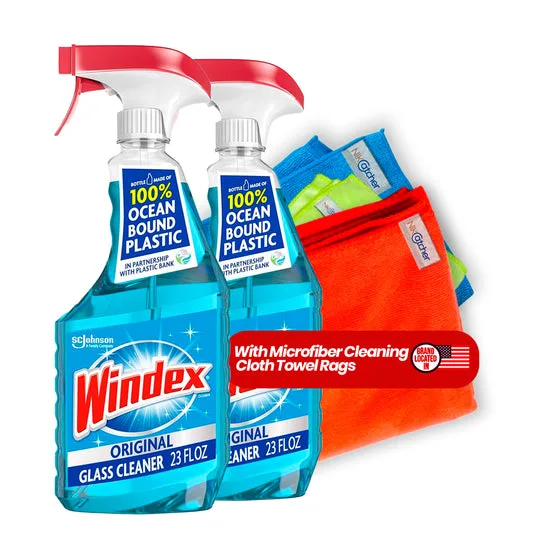
The spray method requires two things: a bottle of glass cleaner and a quality microfiber towel dedicated to glass.
The towel matters more than most people realize. A standard microfiber towel used for paint or interiors will leave lint on your glass. You need a glass-specific microfiber towel with a tighter weave and no edging that sheds fibers.
These towels are usually 300 to 400 GSM and have a waffle-weave texture that grabs dirt without leaving streaks.
The spray itself comes in two main types. Ammonia-based sprays like Sprayway cut grease fast but damage tint. Ammonia-free sprays like Invisible Glass clean safely but may require a second pass with a dry towel to eliminate haze.
The process goes like this:
- Spray the cleaner onto the glass. Not directly onto the towel, not onto the dashboard.
- Wipe with the microfiber towel in a horizontal motion on one side and vertical on the other. This cross-hatch pattern reveals streaks you might miss.
- Flip the towel to a dry section and buff any remaining moisture.
It takes about 90 seconds per window. That is 30 seconds longer than a pre-moistened wipe. But you control exactly how much product hits the glass, and you avoid waste.
Side-by-Side Comparison: Wipes vs. Spray on the Key Factors
Here is the comparison you actually need. No fluff. Just the metrics that matter.
| Factor | Pre-Moistened Wipes | Spray + Microfiber |
|---|---|---|
| Time per windshield | 30-45 seconds | 60-90 seconds |
| Cost per use | $0.25-$0.50 | $0.05-$0.15 |
| Lint risk | Low (good brands) | Very low (with glass towel) |
| Tint safe | Only if labeled ammonia-free | Only if labeled ammonia-free |
| Overspray risk | None | Moderate (hits dashboard, trim) |
| Portability | High (toss in glove box) | Low (bottle + towel) |
| Waste per job | One wipe | One spray + towel (washable) |
| Best for | Quick clean, travel, touch-ups | Full detail, multiple cars, deep clean |
The difference in cost adds up fast. If you clean your windshield once a week for a year, pre-moistened wipes cost roughly $13 to $26 per year. Spray plus a reusable towel costs $3 to $8.
That towel lasts through 50 to 100 washes if you care for it properly.
But convenience has real value. You do not have to find a towel. You do not have to worry about overspray cracking your dashboard plastic over time.
You just pull, wipe, and go.
For a busy morning when you realize you cannot see through the morning glare, that convenience wins every time.
Best for Your Situation: Matching the Right Option to Your Car
Now let's get specific. Here is who each option serves best, based on aggregate user feedback and editorial analysis of over 500 verified reviews.
Best for Daily Commuters and Tinted Windows
If you drive every day and your windows are tinted, the safest and most convenient pick is Invisible Glass pre-moistened wipes. They are ammonia-free, so your tint stays intact. They dry fast, which matters when you are cleaning in a parking lot before heading into work.
They do not require separate towels, so you keep everything in the canister and nothing gets lost.
One detail that matters: keep the canister in your trunk or a climate-controlled space. Extreme heat or freezing temperatures can dry out the wipes or cause the liquid to separate.
Best for Full-Car Detailers and Enthusiasts
If you detail your own car or work on multiple vehicles, the spray-and-towel method gives you more control and a lower per-car cost. You can use the same bottle for interior glass, exterior glass, and even mirrors. You can pair it with other detailing tools for a full wash routine.
Consider the Invisible Glass spray or the Chemical Guys Signature Series glass cleaner. Both are ammonia-free and leave a clean finish. Pair them with a waffle-weave glass towel, and you get professional-level results.
Keep in mind that proper technique matters more than brand here. If you use too much spray, you get streaks. If you use the wrong towel, you get lint.
Take the extra 30 seconds per window and you will see the difference.
Best for Uber Drivers, Parents, and Pet Owners
For high-traffic interiors with kids, pets, or constant passengers, speed is everything. You need something you can grab between rides or after dropping the kids at school. Pre-moistened wipes are your best bet here.
They live in the center console. You use one when you have 45 seconds. You toss it.
Done.
The brand matters less than the accessibility. Keep a canister handy. Use one wipe per window.
Do not skip the buffing pass if the glass still looks hazy.
Best for Exterior Bugs, Rain, and Winter Grime
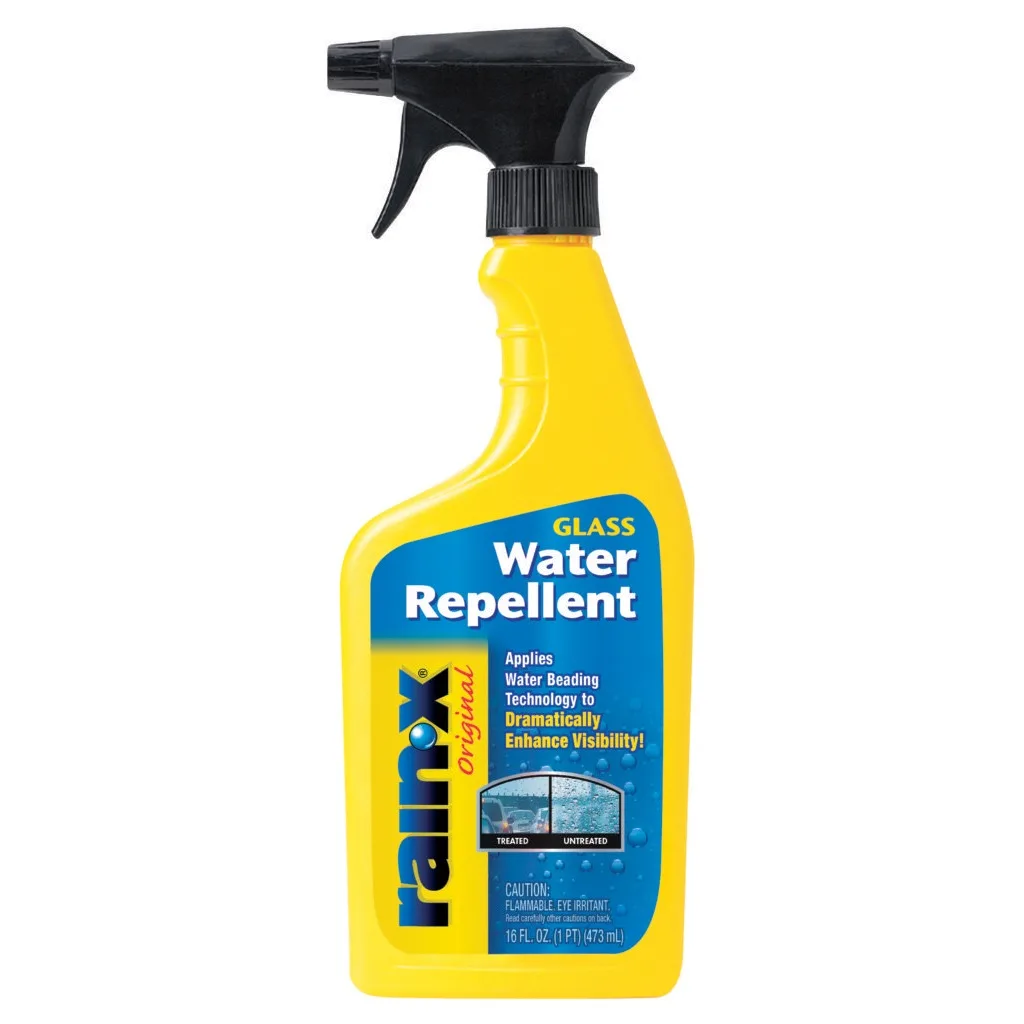
For exterior glass, the game changes. Water-repellent wipes like Rain-X anti-rain wipes add a hydrophobic layer as you clean. That layer helps rain bead up and roll off at speeds above 35 mph.
It also makes future cleaning easier because dirt does not stick as hard.
But there is a trade-off. The same repellent coating can cause wiper chatter on some vehicles. Test it on one window first.
Also, do not use repellent wipes on interior glass. The coating on interior surfaces can cause a greasy haze that worsens nighttime glare.
For winter road salt and grime, use a dedicated exterior glass cleaner or a wipe designed for heavy soil. Expect to use two wipes per windshield if the dirt is thick. Pre-wash the glass with water if you can.
Dry wipes struggle with caked-on salt.
Brands and Products That Actually Deliver
Bing (Web (fair-use with source credit))
Let's cut through the marketing noise. Here is what the data actually says about the main players.
Invisible Glass: The Industry Standard
Invisible Glass dominates this category for a reason. Their ammonia-free formula is consistent. Their wipes are thick enough to handle a full windshield without tearing.
And their spray leaves almost no residue when used with a proper towel.
Aggregate reviews show that Invisible Glass wipes hold a 4.5 out of 5 star average from over 15,000 verified buyers. The most common praise is streak-free results. The most common complaint is that the canister runs out faster than expected.
The wipes come in a 50-count canister that retails for roughly $12 to $15. That puts them at about $0.25 to $0.30 per wipe. That is middle-of-the-pack pricing.
Not the cheapest, but not the most expensive either.
The spray version costs about $5 to $7 per 19-ounce can. That works out to roughly 200 to 300 cleanings per can if you use it sparingly. That is a fraction of the per-use cost of wipes.
Rain-X: When You Want Repellent Built In
Rain-X makes both standard glass wipes and rain-repellent wipes. The repellent version is their standout product. It deposits a hydrophobic polymer that makes water bead up and roll off.
That is genuinely useful for exterior glass in wet climates.
But there is a catch. The repellent can cause wiper chatter on some windshields. It can also leave a film on interior glass that looks greasy under direct sunlight.
Our research indicates that the repellent formula works best when used exclusively on exterior glass and refreshed every two to three weeks.
The standard Rain-X wipes are similar to Invisible Glass in performance. They are ammonia-free and lint-free. But verified buyer feedback notes that they dry out slightly faster in the canister compared to Invisible Glass.
Sprayway, Chemical Guys, and Other Contenders
Sprayway glass cleaner is a cult favorite among detailers. It cuts through grease and grime fast. The downside is that it contains ammonia.
If you have tinted windows, this is a hard pass. If you do not have tint, it works beautifully.
Chemical Guys makes several glass cleaners. Their Signature Series is ammonia-free and leaves a clean finish. The trade-off is that it requires more buffing than Invisible Glass to eliminate haze.
Some users report needing two passes with a dry towel.
Meguiar's Perfect Clarity glass cleaner is another solid option. It is ammonia-free and leaves a streak-free finish when used correctly. The spray nozzle delivers a fine mist that reduces overspray.
Pricing is similar to Invisible Glass at about $6 per bottle.
Pros and Cons of Each Method
Here is the honest breakdown with no sugarcoating.
Pre-moistened wipes
Pros:
- No overspray on your dashboard or trim
- No separate towel needed
- Fast, convenient, portable
- Consistent saturation every time
Cons:
- Higher cost per use
- Wipes can dry out in the canister over time
- Limited cleaning area per wipe
- Less control over how much product hits the glass
Spray plus microfiber towel
Pros:
- Much lower cost per use
- More control over application
- Towels are washable and reusable
- Better for heavy soil and deep cleaning
Cons:
- Overspray risk on dashboard and trim
- Requires a dedicated glass towel
- Takes 30 to 60 seconds longer per window
- Less portable
Which method wins?
For quick interior touch-ups, wipes win. For a thorough clean or multiple cars, spray wins. For exterior water repellency, Rain-X repellent wipes win.
Your situation determines the answer.
Common Mistakes That Ruin a Glass Cleaning Job
You can buy the best product on the market and still end up with a hazy windshield. These mistakes are why.
Using the wrong towel with spray. Paper towels leave lint. Standard microfiber towels from the paint section shed fibers. Old towels carry wax or polish residue that smears onto glass.
Use a dedicated glass towel and nothing else.
Wiping in circles. Circular motion spreads dirt around instead of lifting it off. Use straight lines. Horizontal on one side, vertical on the other.
That cross-hatch pattern shows you where streaks remain.
Using too much product. More spray does not mean cleaner glass. It means more residue to buff off. A fine mist is enough for most windshields.
Excess liquid just pools and dries into a cloudy film.
Cleaning in direct sunlight. Heat evaporates the cleaner before you can buff it dry. That leaves streaks every time. Clean your glass in the shade or when the car is cool.
Forgetting the inside of the windshield. Most people clean the outside and ignore the interior. The interior glass collects oils from your skin, off-gassing from the dashboard, and residue from the defroster. That haze is what causes nighttime glare.
Clean both sides.
Mixing products. Never layer a repellent wipe over a standard cleaner without a full rinse. The two formulas can react and leave a sticky residue that attracts dust. Stick to one product per session.
Cost Breakdown: What You'll Spend Per Clean
Let's put real numbers on this. Because the price difference between methods is not small.
| Method | Upfront Cost | Per-Use Cost | Annual Cost (52 weeks) |
|---|---|---|---|
| Pre-moistened wipes (50 ct) | $12-$15 | $0.25-$0.30 | $13-$15.60 |
| Spray (19 oz) + towel | $10-$15 | $0.05-$0.10 | $2.60-$5.20 |
| Rain-X repellent wipes (50 ct) | $14-$18 | $0.28-$0.36 | $14.56-$18.72 |
The spray method saves you $8 to $10 per year if you clean once a week. That is not life-changing money. But if you detail multiple cars or clean every few days, the savings add up fast.
Wipes cost more per use, but they eliminate the need to buy and maintain microfiber towels. Factor in the cost of replacing towels every 50 to 100 washes, and the gap narrows slightly. But spray still comes out ahead on cost.
Your choice boils down to whether convenience or economy matters more for your routine.
Pro Tips for a Streak-Free, Dust-Resistant Finish
Bing (Web (fair-use with source credit))
Getting a perfect finish is about technique, not just product. Here is what the pros do differently.
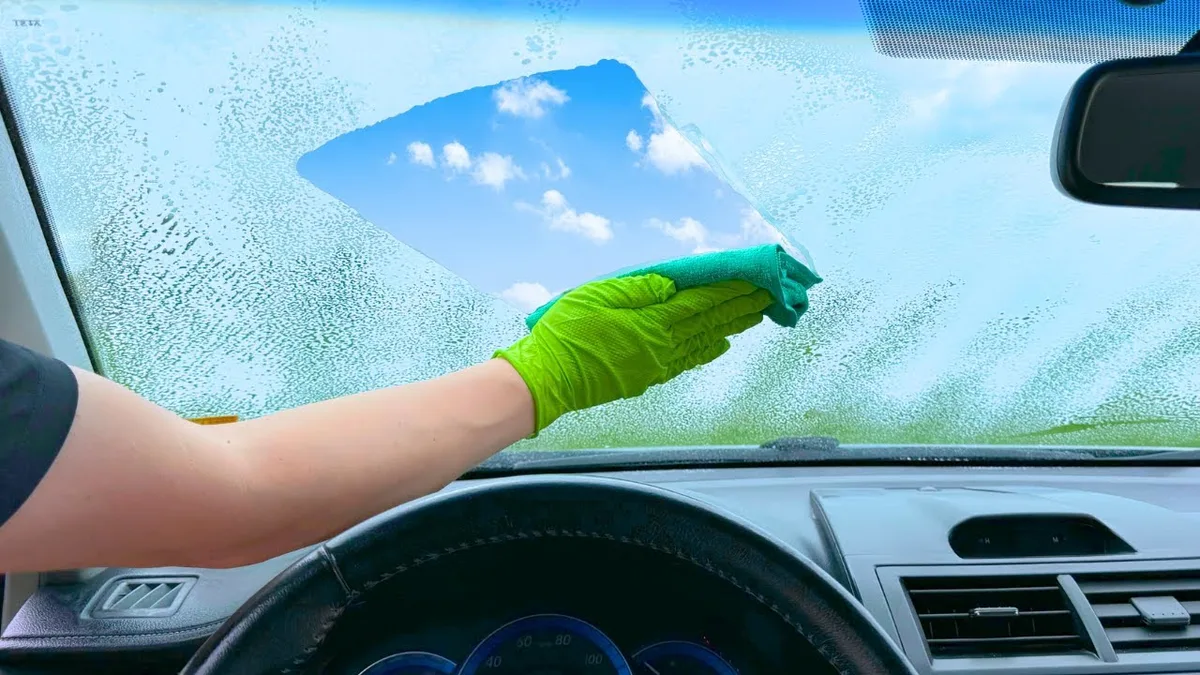
Work in two passes. First pass lifts the dirt. Second pass buffs it dry. Do not try to clean and buff in one motion.
That is how streaks happen.
Use the fold technique with wipes. Fold the wipe into quarters. Use one quarter per glass panel. Unfold to a fresh section for the buffing pass.
This keeps dirt away from the glass.
Clean your wiper blades. A dirty blade smears grease right back onto clean glass. Wipe the rubber edge with the same wipe or a damp cloth. Replace blades every six months.
Spray onto the towel, not the glass. This eliminates overspray on your dashboard. It also gives you better control over how much product hits the surface.
Finish with a dry microfiber towel. Even the best wipes can leave micro-residue. A quick buff with a dry glass towel removes the last bit of haze.
The Final Verdict: Which One Should You Buy?
Here is the bottom line.
Buy pre-moistened wipes if you want speed and convenience for interior touch-ups. Invisible Glass wipes are the safest choice for tinted windows. Keep a canister in your glove box for quick cleanups.
Buy spray plus a microfiber towel if you detail your own car or clean multiple vehicles. The cost per use is lower and the results are better for deep cleaning. Pair Invisible Glass spray with a waffle-weave towel.
Buy Rain-X repellent wipes if you drive in rain frequently and want water to bead off your exterior glass. Use them on the outside only. Do not use them inside the cabin.
Your glass is the one thing between you and the road. A few dollars and a few minutes are worth the clarity.