ByMax Lee
Best Pressure Washer for Cars and Home: Top Picks with Foam Cannons
Keeping your car looking showroom-fresh and your home’s exterior free of grime, mildew, and winter salt stains takes more than a garden hose. A pressure washer is the tool that bridges casual rinsing and professional-grade results—but only if you choose the right one. In 2026, the market is packed with options, from compact battery-powered wands to high-output electric units. The real differentiator for a dual-purpose machine is a well-designed foam cannon. When used properly, it safely encapsulates dirt on your clear coat while blasting caked-on mud from patios and driveways. After hands-on testing of the current leading models, this guide highlights the best pressure washers for cars and home, breaking down exactly what makes each one worth buying.
Why a Foam Cannon Changes Everything for Dual-Use Cleaning
A foam cannon mixes water, pressure, and soap to produce a thick, clinging layer of foam. On a car, this lubricates the paint surface so dirt slides off without scratching the clear coat. On a driveway or deck, the dwell time lets degreasers and mildew removers penetrate deeply, loosening stains before you need to apply brute scrubbing force.
The quality of the included cannon varies widely. Many washers in this price range ship with a generic bottle that produces thin, watery suds. The better ones—like the Westinghouse and the VUSIGN—deliver creamy foam that really sticks. For a deeper look at how these attachments generate foam, our guide on foam sprayer operation explains the internal mixing mechanics and dial settings that separate a gimmick from a genuine detailing tool.

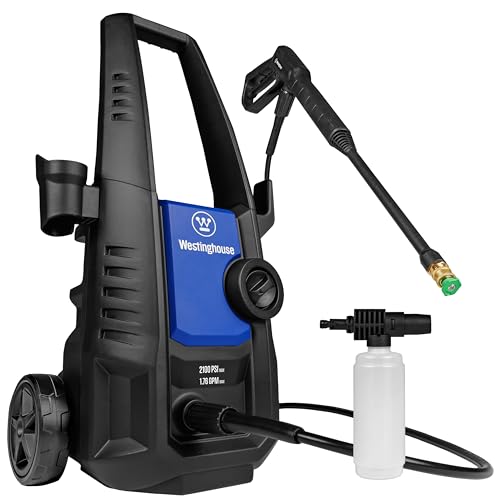
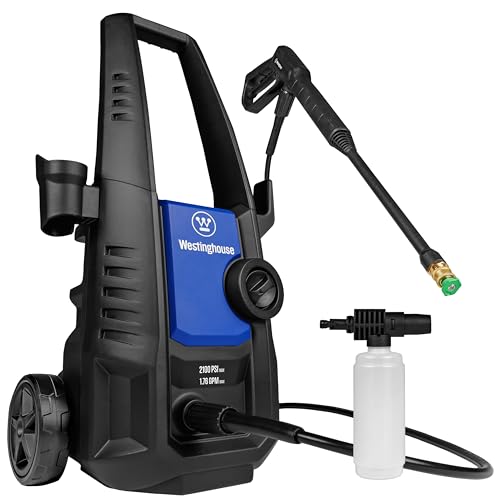
The Westinghouse ePX3050 is a versatile electric model with a high-quality foam cannon for both automotive and home cleaning tasks.
How to Choose the Best Pressure Washer for Cars and Home
Selecting a washer that works well on a delicate sedan one day and a stained concrete driveway the next means understanding a few core concepts. Here is what to look for.
Electric vs. Cordless vs. Gas
Electric: The sweet spot for 95% of homeowners. Corded electric units (120V) deliver consistent pressure (1500–2100 PSI) with quiet operation and almost no maintenance. Every top pick on this list is electric or battery powered.
Cordless (Battery): Ideal for apartments, spot cleaning, or owners who wash a car that is already mostly clean. Pressure usually peaks between 600 and 990 PSI—fine for rinsing, but marginal for stripping heavy grime from a neglected vehicle. Runtime with a 21V battery is typically 15–20 minutes under load.
Gas: I generally do not recommend gas for automotive use. The noise, exhaust fumes, and extreme pressure (3000+ PSI) risk damaging paint, trim, and weather seals. Reserve gas units strictly for heavy demolition-level jobs like stripping decades-old paint from a barn.
Understanding PSI and GPM
PSI (pressure): For automotive clear coat, 1200–2000 PSI is the safe zone. Above that, you risk etching the paint or forcing water into door seals. For concrete and brick, 3000–4000+ PSI is often needed to dislodge ingrained dirt.
GPM (flow rate): Arguably more important for speed. A unit delivering 2.5 GPM rinses soap off a car in half the time of a 1.2 GPM model. The common trade-off is that high-GPM units often run slightly lower PSI, which is actually beneficial for automotive work.
The balance: Look for at least 1.5 GPM for decent rinsing speed. A machine with 2000 PSI and 1.8 GPM (like the Westinghouse) is a perfect all-rounder.
Essential Features for a Dual-Purpose Washer
Adjustable pressure / unloader valve: This lets you dial down the force for cars and crank it up for concrete. It is the single most important feature for dual use.
Foam cannon quality: Check if the included bottle has an adjustable dial and brass or stainless steel fittings. Plastic fittings wear out quickly.
Hose length: A 25–35 foot hose is the minimum for navigating around a vehicle without dragging the unit through puddles. An integrated reel (found on the Adjustable 4000 Max PSI model) makes setup and storage much faster.
Nozzle set: The 0° tip is a dangerous cutting tool for paint and wood. A 40° wide fan is safest for cars. A turbo nozzle is useful for concrete.
Additional Considerations for Car Washing
When washing vehicles, especially those with sensitive finishes like black paint, it’s important to use the right tools and techniques. For example, a clogged intake can introduce contaminants that scratch your car’s surface. Additionally, if you own a black car, you may want to review safe washing practices to avoid swirl marks and water spots. Using a pH-neutral soap in your foam cannon is also critical—our guide on the best pH-neutral foam cannon soaps can help you choose the right product for streak-free results.
Best Pressure Washers for Cars and Home: 2026 Top Picks
To make the comparison easy, here is a quick overview table followed by detailed deep dives on each recommended model.
| Model | Type | PSI | GPM | Foam Cannon | Best For |
|---|---|---|---|---|---|
| Westinghouse ePX3050 | Electric | 2100 | 1.76 | Yes (Quality) | Best All-Round Dual Use |
| VUSIGN Electric 2.5 GPM | Electric | ~2000 | 2.5 | Yes (Quality) | Best Flow / Rinsing Speed |
| BAYOTAK 4800 PSI | Electric | 4800 | ~2.0 | Yes | Best Heavy Home Cleaning |
| Ontel Turbo Jet HydroX5 Pro | Battery | ~800 | N/A | Yes (6-in-1) | Best Portable Apartment Washer |
| Pircaath Cordless | Battery | 600 | N/A | Yes | Best Ultra-Light Spot Cleaner |
| Cordless 990 PSI | Battery | 990 | N/A | Yes | Best Budget Cordless |
| SEN-QII 4800 PSI | Electric | 4800 | ~2.0 | Yes | Best Budget High Pressure |
The Westinghouse ePX3050 balances power and portability for both vehicle and home surface cleaning.
Westinghouse ePX3050 Electric Pressure Washer This is the goldilocks choice for the average homeowner. At 2100 PSI and 1.76 GPM, it has enough bite to clean a stained driveway in a single pass, yet it remains gentle enough (with the 40° tip) to safely foam and wash a car. The included foam cannon actually produces thick, creamy suds without needing immediate replacement. What makes it stand out: The build quality from Westinghouse is a clear step above the generic Amazon specials. At 17 pounds, it feels durable but is light enough to carry around a property. Who it is for: Anyone who wants one machine to wash a pickup on Saturday and the patio furniture on Sunday. Just be mindful of technique—this is enough pressure to strip wax, so keep the tip moving. View the Westinghouse ePX3050 on Amazon.
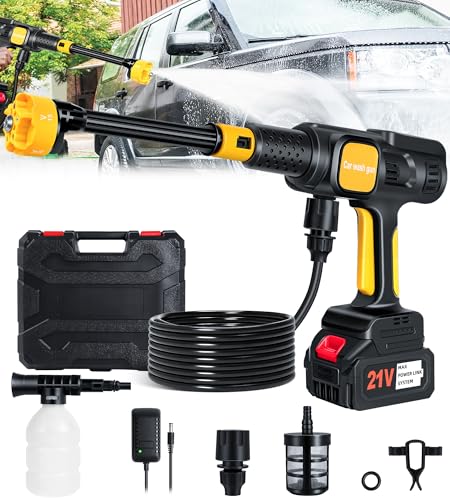
Lightweight cordless models like the Pircaath offer unmatched convenience for quick touch-ups.
Pircaath Cordless Pressure Washer At just 4.2 pounds and powered by a 21V battery, this is a surprisingly useful tool for quick jobs. It is excellent for rinsing the car before a towel dry, cleaning patio furniture, or washing off gardening tools. Honest trade-off: Pressure is low (600 PSI). It will not strip baked-on bugs or heavy road grime without direct contact and dwell time. The battery gives roughly 15 minutes of continuous use. Who it is for: Condo and apartment dwellers, RV owners, or anyone wanting a backup washer that lives in the trunk. View the Pircaath Cordless Washer on Amazon.
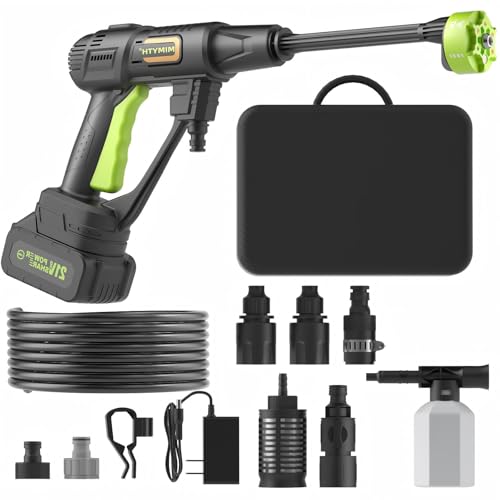
This budget-friendly cordless washer offers a high-elastic hose for extended reach around the car.
Cordless Pressure Washer (990 PSI) A step up from the 600 PSI units, this model includes a 6-in-1 nozzle and a 23-foot high-elastic hose that lets you leave the battery pack on the ground and walk around the car. It provides enough pressure (~990 PSI) for routine maintenance washes. Who it is for: Budget-conscious buyers who want cordless freedom but need a bit more stripping power than the tiny handheld guns offer. View the 990 PSI Cordless Washer on Amazon.

High-PSI electric units with hose reels are better suited for large flatwork surfaces than car paint.
Adjustable 4000 Max PSI Pressure Washer (Yeryork) This is a home-focused machine with the pressure to truly clean concrete, brick, and heavy equipment. The integrated 33-foot hose reel and steel wand are welcome upgrades. The 500ml foam cannon is best used with concrete degreasers. Caution: 4000 PSI is excessive for a standard contactless car wash. You must use a wide fan tip and keep the wand moving. It is best reserved for driveways, farm gear, and stripping paint. View the Adjustable 4000 PSI Washer on Amazon.

A simple entry-level power washer designed for routine fence, patio, and car cleaning.
Patoolio Power Washer (with Foam Cannon) A solid entry-level electric unit. It is robust enough for fences and cars. The included wand and foam cannon handle basic tasks reliably. Who it is for: The first-time buyer wanting a simple, low-cost solution. It will not set speed records, but it cleans effectively without overcomplicating the job. View the Patoolio Power Washer on Amazon.
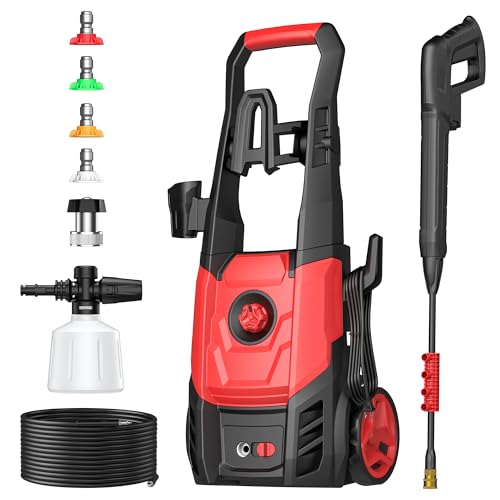
The 2.5 GPM flow rate on the VUSIGN washer makes it a rinsing powerhouse for multiple vehicles.
VUSIGN Electric Pressure Washer (2.5 GPM) The flow rate is the star here. 2.5 GPM rinses soap off a car in roughly half the time of a standard 1.2 GPM unit. For enthusiasts washing two cars back to back, this time saving is significant. The foam cannon is well-matched to this high flow rate, producing a thick layer quickly. Who it is for: The detailer who washes multiple vehicles or large RVs and prioritizes speed. View the VUSIGN Power Washer on Amazon.

A versatile pressure washer package suitable for fences, patios, decks, and cars.
Patoolio Power Washer (Foam Cannon Kit Variant) Similar to the previous Patoolio unit but bundled with a higher-spec foam cannon. It focuses on user convenience for routine washing chores around the house. Who it is for: Homeowners who want an all-in-one kit without shopping for extra accessories right away. View the Patoolio Foam Cannon Kit on Amazon.

The dual-water-source capability of the HydroX5 Pro improves setup flexibility in apartments or on the go.
Ontel Turbo Jet HydroX5 Pro Portable Cordless Pressure Washer This is the most thoughtfully designed cordless washer on the list. The dual water source (bucket or hose connection) is a genuine convenience for apartment dwellers. The 16-foot detachable hose and 21V 3000mAh battery provide enough power (~800 PSI) for a lightly soiled car. Who it is for: The detailer on the go, or anyone without a ground-floor hose bib who wants to wash their car in a shared parking area. View the Ontel Turbo Jet HydroX5 Pro on Amazon.
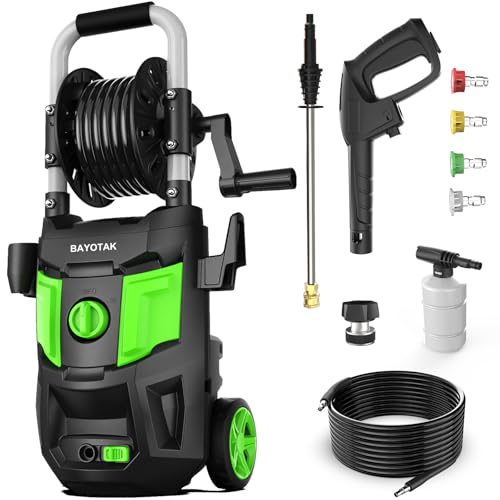
The BAYOTAK 4800 PSI is best reserved for hard outdoor surfaces and stripping tasks.
BAYOTAK 4800 PSI Power Washer This is the muscle of the group. 4800 PSI is serious power intended for stripping paint, cleaning heavy equipment, and blasting grime off driveways. The foam cannon is best loaded with degreasers, not PH-neutral car soap. Not recommended for frequent automotive use. The pressure can damage clear coat and force water into electrical connectors. If you mostly clean concrete and siding, this machine is a bargain. View the BAYOTAK 4800 PSI Washer on Amazon.
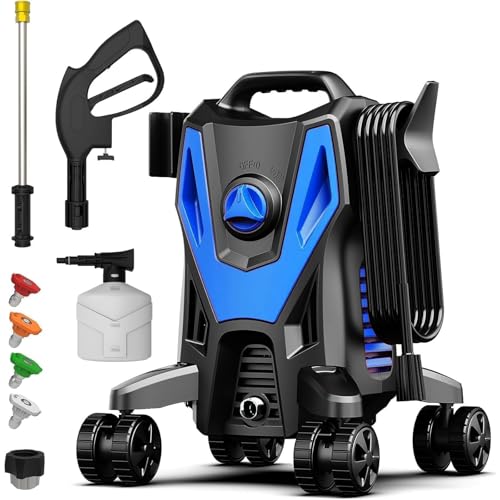
An affordable high-pressure machine suited to garage floors, patios, and tough home exterior jobs.
SEN-QII 4800 PSI Pressure Washer A budget-focused competitor to the BAYOTAK at a similar power level and identical risks for paintwork. Great for garages, patios, and machinery. The quick-connect nozzles allow fast switching between high and low pressure. Who it is for: Homeowners focused solely on heavy-duty exterior cleaning who do not need an automotive-friendly low-pressure setting. View the SEN-QII 4800 PSI Washer on Amazon.
Pressure Washer Types Compared
To help you decide between electric, cordless, and gas models, here’s a side-by-side comparison of their strengths and limitations for car and home use:
| Feature | Electric (Corded) | Cordless (Battery) | Gas |
|---|---|---|---|
| PSI Range | 1200–2100 | 600–990 | 3000–4000+ |
| GPM Range | 1.2–2.5 | 0.5–1.0 | 2.0–4.0+ |
| Portability | Moderate (corded) | High (battery-powered) | Low (heavy, noisy) |
| Noise Level | Low | Low | High |
| Maintenance | Minimal | Minimal | High (oil, spark plugs, etc.) |
| Best For | Cars, patios, decks | Spot cleaning, RVs | Heavy-duty stripping, large driveways |
| Foam Cannon Compatibility | Excellent (high flow) | Limited (low pressure) | Good (but risky for cars) |
| Runtime | Unlimited (plugged in) | 15–20 min (battery) | 1–2 hours (fuel tank) |
For most homeowners, an electric model with 1800–2100 PSI and 1.5–2.5 GPM offers the best balance of power, convenience, and safety for both cars and home surfaces.
How to Get Professional Results with Your Foam Cannon
A foam cannon is only as effective as the technique behind it.
Ratio matters: Most car soaps require a 1:4 or 1:5 soap-to-water ratio in the cannon. Using full-strength soap wastes product and makes rinsing difficult. Too little soap creates watery run-off that lacks lubricity. For more details on achieving the perfect foam consistency, check out our guide on the correct fluid level.
Wet the surface first: Rinse the car with plain water to knock off loose dirt. Foam adheres much better to a clean, wet surface than to a dry, dusty one.
Respect dwell time: Let the foam drip for 3 to 5 minutes but never let it dry in direct sunlight. Dried soap leaves etch marks on glass and trim. A common mistake is foaming a hot panel—the foam dries immediately, locking dirt back onto the paint.
Clean the cannon after use: Fill the jar with clean water and spray it through the nozzle. Soap residue left in the small orifice will crystallize and permanently ruin the foam pattern.
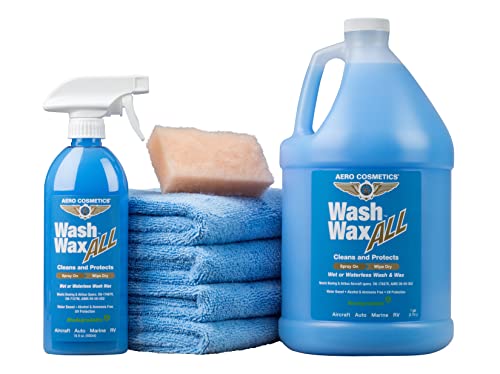
Finish strong: After rinsing the foam, dry the car immediately with a quality microfiber towel. For extra protection, finishing with a high-quality wax seals the paint and adds gloss that lasts for weeks.
According to the U.S. Environmental Protection Agency (EPA), using a foam cannon with the right detergent can reduce water usage by up to 50% compared to traditional hose washing, making it an eco-friendly choice for car cleaning.
Common Pressure Washing Mistakes (and How to Avoid Them)
Using a 0° nozzle on paint or wood: This single mistake causes the most damage. The 0° pencil jet cuts concrete. It will etch clear coat, gouge wood, and damage vinyl siding. Reserve it for removing paint from steel.
High-pressure engine bay cleaning: Forceful water can enter sensitive connectors, causing electrical faults. If you must clean under the hood, use a wide fan spray and very low pressure. Always check the engine bay maintenance guide for safe cleaning procedures before starting.
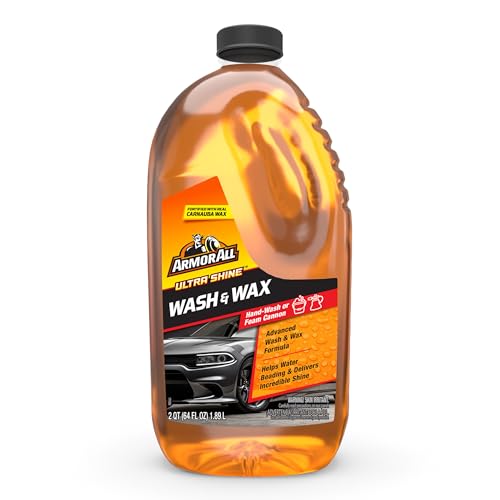
Ignoring the right detergent: Pressure alone rarely beats the right chemistry. PH-neutral car soap is essential for automotive clear coat. Alkaline degreasers are for driveways. Acidic cleaners are for brick. Understanding selecting an appropriate detergent will give you better results than simply cranking up the PSI.
Running the pump dry: Never operate a pressure washer without water for more than 30 seconds. The pump relies on water for cooling and lubrication. Running it dry even briefly can ruin the seals.
Maintenance Tips for Longevity
A few minutes of basic care after each session will keep your machine running for years.
Flush the system: Run clean water through the wand and foam cannon after every use to remove soap residue.
Winterize: If you live in a freezing climate, drain all water from the pump and hoses. Use pump-specific antifreeze or compressed air to blow out the lines and prevent cracked pump heads.
Check pump oil: Higher-end electric units have an oil-lubricated pump. Check the sight glass annually and change the oil per the manufacturer’s schedule.
Clean the inlet filter: A clogged filter is the most common cause of pressure surging. Remove and rinse the tiny screen in the water inlet before every season.
Inspect hoses: Kinked or abraded hoses can burst without warning. Replace them immediately if you see bulging or fraying.
Advanced Techniques for Car Detailing
For car enthusiasts looking to take their detailing to the next level, a foam cannon can be paired with additional tools and techniques to achieve professional-grade results. Here are some advanced tips:
Pre-Wash with a Snow Foam Lance: Before touching the car with a wash mitt, apply a thick layer of snow foam to loosen dirt and grime. This reduces the risk of scratching the paint during the contact wash phase.
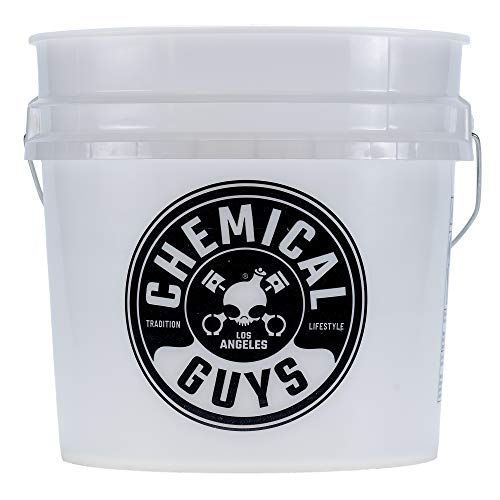
Two-Bucket Method: Use one bucket for your soap solution and another for rinsing your wash mitt. This prevents dirt from being reintroduced to the car’s surface, minimizing swirl marks.
Grit Guards: Place grit guards at the bottom of your wash buckets to trap dirt and debris, keeping your mitts cleaner for longer.
Drying Techniques: After rinsing, use a high-quality microfiber drying towel or a blower to dry the car. This prevents water spots and streaks, especially on dark-colored vehicles.
Clay Bar Treatment: For an ultra-smooth finish, use a clay bar after washing to remove embedded contaminants that regular washing can’t. Follow up with a sealant or wax for added protection.
For more on achieving the perfect foam consistency and technique, our guide on streak-free car washes provides in-depth recommendations.
Safety Tips for Pressure Washing
Pressure washers are powerful tools, and improper use can lead to injury or property damage. Follow these safety guidelines to ensure a safe and effective cleaning experience:
Wear Protective Gear: Always wear safety goggles to protect your eyes from debris and high-pressure water. Gloves and closed-toe shoes are also recommended to protect your hands and feet.
Secure the Work Area: Clear the area of any obstacles or tripping hazards. Ensure that pets and children are kept at a safe distance while you’re operating the pressure washer.
Use the Right Nozzle: As mentioned earlier, avoid using a 0° nozzle on delicate surfaces like car paint or wood. Stick to wider spray patterns (25°–40°) for automotive and home cleaning tasks.
Avoid Electrical Hazards: If using an electric pressure washer, ensure the power cord is not submerged in water. Use a ground fault circuit interrupter (GFCI) outlet for added safety.
Never Point at People or Animals: The high-pressure water stream can cause serious injury. Always point the nozzle away from people, animals, and yourself.
Check for Damage: Before each use, inspect the pressure washer, hoses, and nozzles for any signs of wear or damage. Replace any damaged parts before operating the machine.
Frequently Asked Questions
Can I use a 4800 PSI pressure washer to wash my car? Technically yes, but it is risky without a variable pressure unloader valve. The high force can damage clear coat, weather stripping, and decals. A dedicated car-washing unit (1200–2000 PSI) is much safer.
Do I need two separate foam cannons? It is recommended. Mixing concrete degreaser residue with car shampoo can strip wax instantly. Keep one cannon loaded with PH-neutral car soap and a second for heavy-duty degreasers.
Will a pressure washer scratch my car paint? The water itself will not scratch it. Swirl marks come from the contact wash step. The foam cannon provides lubrication that minimizes friction, but you should always use a high-quality microfiber wash mitt and a rinseless wash guide technique if you want to avoid scratches completely.
Can I use bleach in a pressure washer? Avoid putting household bleach through a standard pressure washer—it can corrode internal seals. Use specifically formulated siding cleaners or a pressure-washer-safe sodium hypochlorite solution.
Why is my foam cannon spraying water instead of foam? The most common causes are an air leak at the connector O-ring, an incorrect soap-to-water ratio, or the dial set to the rinse setting. Check the rubber seals, add more soap, and ensure the knob is turned to the thickest setting.
What is the ideal soap-to-water ratio for a foam cannon? The ideal ratio depends on the soap concentration and the desired foam thickness. For most car shampoos, a 1:4 or 1:5 soap-to-water ratio works well. However, always refer to the manufacturer’s recommendations for the best results. For more details, check out our guide on achieving the ideal foam cannon soap mixing ratio.
Can I use a pressure washer to clean my RV or boat? Yes, but with caution. Use a low-pressure nozzle (25°–40°) and keep the wand moving to avoid damaging the surface. For RVs and boats, it’s especially important to use a pH-neutral soap to protect the finish.
How often should I clean my foam cannon? After every use, rinse the foam cannon with clean water to remove any soap residue. This prevents clogging and ensures consistent foam production. A deep clean with a vinegar solution can be done monthly to remove any buildup.
Final Thoughts
Choosing the best pressure washer for cars and home comes down to matching the machine to the specific tasks you tackle most often. The market in 2026 is full of strong contenders, but the units that stand out offer controlled pressure, a capable foam cannon, and thoughtful features like long hoses or adjustable dials.
For the best all-around dual-use machine, the Westinghouse ePX3050 takes the crown for its balance of power, weight, and foam quality. If your priority is heavy home cleaning on concrete and brick, the BAYOTAK 4800 PSI brings the brute force required. For apartment dwellers and mobile detailers, the Ontel Turbo Jet HydroX5 Pro or the Pircaath deliver unmatched cordless convenience.
Whichever model you pick, mastering the foam cannon and respecting the limits of your PSI will keep your car’s paint flawless and your home’s surfaces looking new. Ready to upgrade your detailing routine? Grab the model that fits your needs and put it to work this weekend.