ByMax Lee
Best Soap for Ceramic Coated Cars
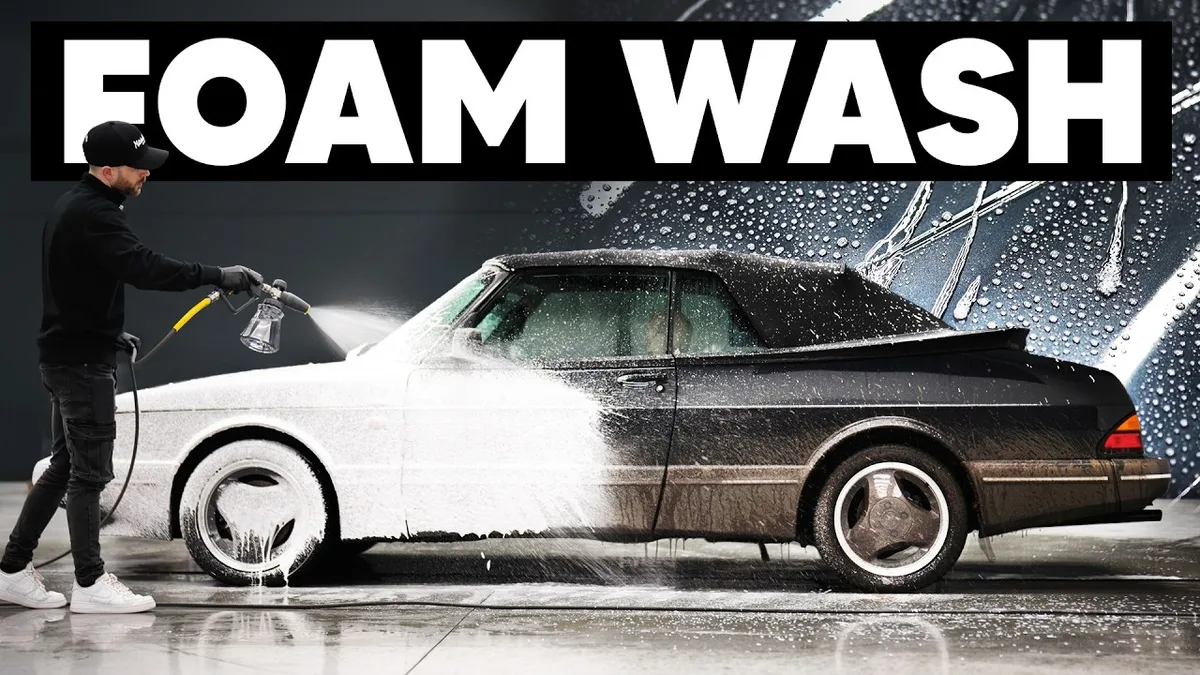
Foam cannon applying pH-neutral soap to a ceramic coated vehicle
YouTube / Vermijl Car Detail (YouTube thumbnail (fair-use with source credit))
If you’ve ever wondered what kind of soap can you use on a ceramic coated car , the short answer is pH-neutral car soap. Ceramic coatings are durable but not invincible, and the wrong soap can strip them prematurely.
Manufacturer specs confirm that coatings last longest when washed with soaps in the 6.5–7.5 pH range. That’s why the first rule is checking the label before you suds up.
Quick Answer
Use pH-neutral car soap. Avoid alkaline or acidic cleaners. They degrade the coating over time.
Stick to products labeled safe for ceramic coatings.
Why Regular Soap Can Ruin Your Ceramic Coating
Ceramic coatings bond to your car’s paint at a molecular level, creating a hydrophobic layer that repels water and contaminants. But this layer isn’t immune to chemicals. Alkaline soaps, like dish detergent or some household cleaners, break down the coating’s silica or titanium dioxide matrix.
Over time, this weakens the hydrophobic effect and shortens the coating’s lifespan.
Even mild acidity can etch into the coating if used repeatedly. That’s why a reliable soap for washing cars always recommends pH-neutral options. As of 2026, most premium ceramic coatings are rated for 2–5 years, but harsh soaps can cut that in half.
The 3 Types of Soap That Work (and Which to Avoid)
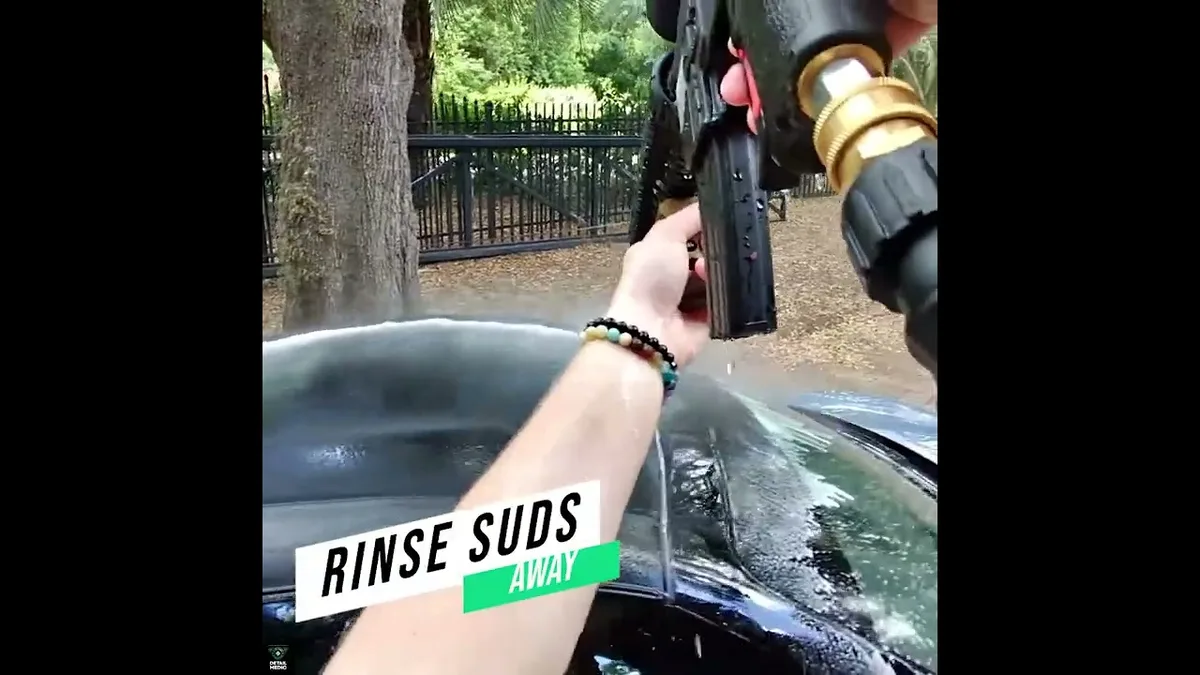
Example of a pH-neutral car soap safe for ceramic coatings
YouTube / DETAIL MEDIC (YouTube thumbnail (fair-use with source credit))
Safe options:
pH-neutral car soap (6.5–7.5 pH): The gold standard. Gentle on coatings, effective at lifting dirt without stripping protection.
Ceramic coating maintenance soap: Formulated specifically for coated surfaces. Often includes additives to enhance gloss and hydrophobicity.
Synthetic car shampoo: Free of harsh detergents, waxes, or fillers. Safe for frequent use.
Avoid at all costs:
Dish soap (highly alkaline, strips coatings)
Household cleaners (ammonia, bleach, or degreasers)
Laundry detergent (abrasive and chemical-heavy)
Any soap with pH outside 6–8 range
If your soap doesn’t list its pH, assume it’s unsafe. Most ammonia-free glass cleaners are also pH-neutral, but they’re not designed for paint; stick to car-specific products.
pH Matters: How to Check If Your Soap Is Safe
Not all soaps advertise their pH, but you can test it yourself. pH strips (available at pool supply stores or online) are the easiest method. Dip a strip into a soap-water solution and compare the color to the chart. Anything between 6.5 and 7.5 is safe.
If you don’t have strips, look for labels that say:
- “pH-balanced”
- “Safe for ceramic coatings”
- “Neutral pH formula”
Avoid soaps marketed as “heavy-duty,” “degreaser,” or “bug/tar remover.” These are almost always too harsh. For extra caution, check the manufacturer’s website; most ceramic coating brands, like Gyeon or Ceramic Pro, publish approved soap lists. According to International Detailing Association guidelines, using manufacturer-approved products is one of the best ways to maintain coating integrity.
For those using a foam cannon, ensure your soap is compatible with the device to achieve thick, clinging foam that lifts contaminants without scratching.
Step-by-Step: How to Wash a Ceramic Coated Car Without Damaging It
Washing a ceramic coated car isn’t complicated, but the process matters. Follow these steps to avoid swirl marks, water spots, or premature coating wear.
Prep:
Park in the shade. Direct sun causes soap to dry too quickly, leaving streaks.
Rinse with water first. Use a pressure washer at the right PSI to loosen dirt without damaging the coating.
Wash:
Fill a dedicated car wash bucket with water and add pH-neutral soap. Use the recommended dilution (usually 1 oz per gallon).
Use a high-quality wash mitt or sponge. Microfiber is ideal; it holds more suds and traps dirt particles.
Work in sections. Start at the top and move downward. Avoid circular motions; use straight lines to minimize swirls.
Rinse and dry:
Rinse thoroughly with clean water. Leftover soap residue can dull the finish.
Dry with a clean microfiber towel. Pat, don’t rub, to prevent marring.
For hard water areas, consider a final rinse with distilled water or a portable water softener.
In practice, many detailers find that using a grit guard in both buckets further reduces the risk of reintroducing dirt to the paint. A common mistake is reusing a mitt that’s dropped on the ground—always have a backup.
The Two-Bucket Method vs. Foam Cannon—Which Is Better?
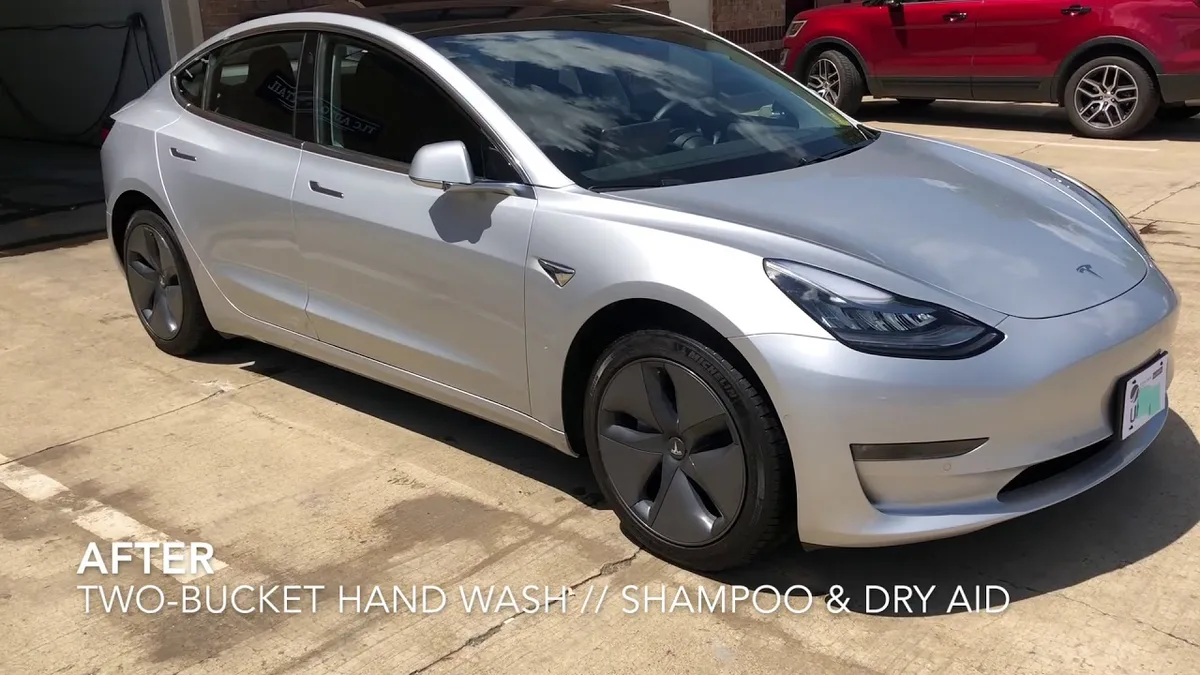
Two-bucket method with grit guards for safe washing
YouTube / Out of Spec Detailing (YouTube thumbnail (fair-use with source credit))
The two-bucket method is the safest for ceramic coatings. One bucket holds soapy water, the other holds clean rinse water for your mitt. This prevents dirt from being reintroduced to the paint.
A foam cannon is faster and great for pre-soaking. It blasts thick foam over the car, loosening grime before contact washing. But it doesn’t replace the two-bucket method for the actual wash.
For best results, use both. Foam cannon first, then two-bucket wash. This combo minimizes scratches and preserves the coating. When using a foam cannon soap, ensure it’s pH-neutral to maintain the coating’s hydrophobic properties.
Common Mistakes That Shorten Your Coating’s Life
Using a single dirty bucket is the top offender. It grinds dirt into the paint, causing swirl marks. Always use two buckets.
Washing in direct sunlight speeds up soap drying. This leaves water spots and streaks. Stick to shaded areas or early morning/late afternoon washes.
Skipping the pre-rinse is another mistake. A thorough rinse removes loose dirt, reducing the risk of scratches during the wash.
Another frequent error is using the same towel for drying the paint and wheels. Brake dust contains abrasive particles that can scratch the coating. Always use separate towels.
What About Dish Soap, Dawn, or Household Cleaners?
Never use them. Dish soap like Dawn has a pH of 8–9, which is too alkaline for ceramic coatings. It strips the hydrophobic layer over time.
Household cleaners often contain ammonia, bleach, or degreasers. These chemicals break down the coating’s bond with the paint. Even diluted, they’re not safe.
Stick to car-specific soaps. They’re formulated to clean without damaging protective layers. If you’re in a pinch, a pH-neutral baby shampoo is a safer temporary alternative than dish soap.
Best Soaps for Different Situations (Light Dust vs. Heavy Grime)
For light dust or weekly maintenance, a standard pH-neutral car soap works. It’s gentle and preserves the coating’s longevity.
For heavy grime or bug splatter, use a ceramic coating maintenance soap. These have stronger surfactants but are still safe for coatings. They help restore hydrophobicity after tough cleaning.
Avoid all-purpose cleaners or wheel cleaners on the paint. These are too harsh. Use them only on wheels, tires, or undercarriages.
For those dealing with frequent road grime, a hose filter can help remove contaminants from your water supply before they reach the car’s surface.
How Often Should You Wash a Ceramic Coated Car?
Wash every 1–2 weeks. Regular washing prevents dirt buildup, which can degrade the coating over time.
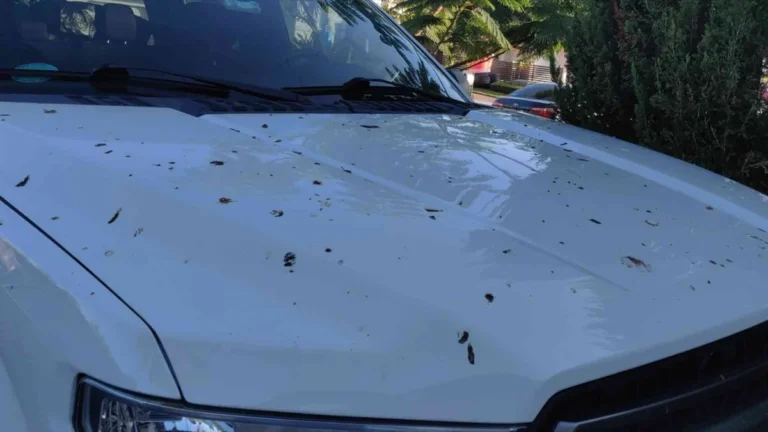
If your car sits outside, wash it weekly. Pollen, bird droppings, and tree sap can etch into the coating if left too long.
After rain or snow, rinse the car as soon as possible. Road salt and minerals in rainwater can leave spots or damage the coating. A quick rinse with distilled water helps prevent this.
Hard Water? Here’s How to Prevent Spotting
Hard water mineral deposits on a ceramic coated car
Wikimedia Commons / Eddie August Schneider
Hard water leaves mineral deposits that etch into the coating. These spots are tough to remove and dull the finish.
Use distilled water for the final rinse. This prevents minerals from settling on the surface. A portable water softener is another good investment for frequent washers.
If spots already exist, use a dedicated water spot remover. Apply it to a cool surface and buff gently with a microfiber cloth.
For areas with extremely hard water, consider installing a whole-house water softener or using a deionized water filter for your pressure washer. This extra step can significantly extend the life of your coating.
Pro Tips to Keep Your Coating Looking New Longer
Always use a separate mitt for wheels and tires. Brake dust and grime can transfer to the paint and scratch the coating.
Dry the car immediately after washing. Water left to air-dry will leave spots, even with soft water.
Apply a ceramic coating booster every 3–6 months. These sprays or liquids refresh the hydrophobic properties without needing a full reapplication.
Store your car in a garage or under a cover when possible. UV exposure can degrade the coating over time, even with regular washing. For black cars, proper washing techniques are especially important to prevent swirl marks and maintain gloss.
Ceramic Coating Soap Comparison Table
| Soap Type | pH Range | Best For | Hydrophobic Boost | Cost |
|---|---|---|---|---|
| pH-neutral car soap | 6.5–7.5 | Regular maintenance | Minimal | Low |
| Ceramic maintenance soap | 6.5–7.5 | Heavy grime, restoration | Yes | Medium |
| Synthetic car shampoo | 6.5–7.5 | Frequent washing | Minimal | Low–Medium |
| Foam cannon soap | 6.5–7.5 | Pre-soak, thick foam | Moderate | Medium |
How to Extend the Life of Your Ceramic Coating
Regular maintenance is key to maximizing your coating’s lifespan. In addition to using the right soap, consider the following:
- Decontamination Washes: Every 3–6 months, perform a decontamination wash using an iron remover and clay bar. This removes embedded contaminants that regular soap can’t.
- Avoid Automatic Car Washes: Brushes in automatic car washes can cause micro-scratches, even on coated cars. If you must use one, opt for touchless washes.
- Immediate Cleanup of Spills: Bird droppings, tree sap, and bug splatter should be removed as soon as possible. These substances can etch into the coating if left unattended.
- Use a Quick Detailer: Between washes, a pH-neutral quick detailer spray can help maintain the coating’s hydrophobic properties and add gloss.
The Science Behind Ceramic Coatings and Soap
Ceramic coatings are typically composed of silica (SiO2) or titanium dioxide (TiO2) nanoparticles that form a hard, protective layer on the paint. This layer is highly resistant to UV rays, chemicals, and minor scratches. However, it is not impervious to all substances.
When you wash your car with a high-pH soap, the alkaline chemicals can break down the silica matrix, reducing the coating’s effectiveness. Similarly, acidic soaps can etch into the coating, creating micro-pits that compromise its hydrophobic properties. pH-neutral soaps, on the other hand, clean without disrupting the coating’s molecular structure.
DIY pH Testing for Your Soap
If you’re unsure about your soap’s pH, you can perform a simple test at home:
- Gather Supplies: You’ll need pH test strips (available online or at pool supply stores), distilled water, and a small container.
- Create a Solution: Mix a small amount of your car soap with distilled water in the container. Follow the soap’s recommended dilution ratio.
- Test the pH: Dip a pH strip into the solution and compare the color to the chart provided with the strips.
- Interpret Results: If the pH falls between 6.5 and 7.5, the soap is safe for ceramic coatings. If it’s outside this range, switch to a pH-neutral alternative.
FAQs About Washing Ceramic Coated Cars
Can I use a pressure washer on a ceramic coated car?
Yes, but keep the PSI below 2000. Higher pressure can strip the coating or force water under seals. Use a 40-degree nozzle for a wide, gentle spray.
Will automatic car washes damage my coating?
Most touchless car washes are safe. Brush car washes can cause swirl marks, even on coated cars. Stick to hand washing for the best protection.
How do I remove bird droppings without damaging the coating?
Rinse the area first to soften the droppings. Use a pH-neutral soap and a microfiber cloth to gently lift the residue. Never scrub hard or use abrasive tools.
Can I wax over a ceramic coating?
No. Wax won’t bond to the coating and can leave a hazy residue. The coating itself provides better protection than wax.
How long does a ceramic coating last with proper washing?
With pH-neutral soap and regular maintenance, most coatings last 2–5 years. Harsh soaps or poor washing techniques can cut this lifespan in half.
Can I use a waterless wash product on a ceramic coated car?
Yes, but choose a pH-neutral waterless wash specifically designed for automotive use. These products are safe for ceramic coatings and can be a convenient option for light dust or quick cleanups. Always follow the manufacturer’s instructions.
What should I do if my coating starts to lose its hydrophobic properties?
If water no longer beads on the surface, it may be time to apply a ceramic coating booster. These products are designed to refresh the hydrophobic layer without requiring a full reapplication of the coating.
Is it safe to use a clay bar on a ceramic coated car?
Yes, but use a lubricant specifically designed for clay bars and ceramic coatings. Avoid aggressive claying, as it can prematurely wear down the coating. Stick to a light or medium-grade clay bar for safe decontamination.
Final Verdict: The Safest Soap for Your Coating
pH-neutral car soap is the only safe choice for ceramic coated cars. It cleans effectively without breaking down the coating’s protective layer.
Avoid dish soap, household cleaners, or any product with a pH outside 6.5–7.5. These will degrade the coating over time.
For best results, pair the right soap with the two-bucket method and a foam cannon. This combo keeps your coating looking new and maximizes its lifespan. Invest in quality tools and products to ensure your ceramic coating remains in top condition for years to come.