ByMax Lee
Best Waterproof Gloves for Washing Cars
Washing your car without the right protection leaves your hands dry, cracked, or irritated from soaps and grime. Waterproof gloves for washing cars solve this by keeping your skin safe while giving you the grip and durability needed for scrubbing, waxing, and rinsing.
Manufacturer specifications confirm that gloves rated for chemical resistance (like nitrile or neoprene) handle automotive cleaners far better than standard household gloves. That’s why the right pair isn’t just about comfort, it’s about performance. For more on this, see our guide on are car washes safe for black cars.
Quick Answer
Waterproof gloves for washing cars protect your hands from water, chemicals, and abrasions. Nitrile and neoprene offer the best chemical resistance. Thicker gloves (10+ mil) last longer but reduce dexterity.
Reusable options save money over time.
Why Waterproof Gloves Matter for Washing Cars
Car soaps, degreasers, and even wheel cleaners contain harsh chemicals that strip natural oils from your skin. Over time, this leads to dryness, cracks, or even chemical burns if you’re working with strong solvents. For more on this, see our guide on are radar detectors legal in michigan for trucks.
Textured nitrile gloves designed for wet, soapy car-washing tasks
Waterproof gloves also prevent blisters from prolonged scrubbing and give you a better grip on slippery surfaces. Without them, you risk dropping tools, losing control of hoses, or struggling with stubborn grime. Per OSHA guidelines, skin protection is critical when handling industrial cleaners, and automotive products often fall into this category.
Nitrile vs. Latex vs. Neoprene vs. Vinyl: What’s the Difference?
Not all waterproof gloves are created equal. The material determines how well they hold up to chemicals, punctures, and repeated use. For more on this, see our guide on maryland emissions test exemptions for new cars.
- Nitrile : Best for chemical resistance and durability. Resists oils, fuels, and most automotive cleaners. Latex-free, so it’s safe for allergy sufferers. Typically 3–15 mil thick.
- Latex : Flexible and comfortable with good grip, but some people are allergic. Less resistant to solvents than nitrile.
- Neoprene : Excellent for waterproofing and chemical resistance. Often thicker and more insulated, making it ideal for cold-weather washing.
- Vinyl : Budget-friendly but less durable. Poor resistance to solvents and punctures. Best for light, occasional use.

Side-by-side comparison of nitrile and latex glove materials
Aggregate reviews report that nitrile and neoprene outperform vinyl and latex for automotive tasks. If you’re detailing frequently or using strong cleaners, these are the only two worth considering.
Key Features That Actually Matter in Car Washing Gloves
Not every feature is a selling point, some are essential, others are just marketing fluff. Focus on these:
- Material : Nitrile or neoprene for chemical resistance.
- Thickness : 5–10 mil balances protection and dexterity. Thinner gloves (3–4 mil) are better for light tasks, while 12+ mil handles heavy-duty cleaning.
- Grip texture : Diamond or dotted patterns prevent slipping on wet surfaces.
- Cuff length : Longer cuffs (forearm-length) keep water from seeping in when you’re working with deep buckets or pressure washers.
- Lining : Cotton or fleece linings add comfort for long sessions but can reduce breathability.
Avoid gloves with seams in high-wear areas like the palms—they’ll tear faster under pressure.
For the best results, pair your gloves with a [top-rated brewers] for a reliable machine that complements your car care routine.
Thickness, Length, and Grip: How to Pick the Right Specs
Thickness is measured in mils (1 mil = 0.001 inch). Here’s how to match it to your needs:
| Thickness (mil) | Best For | Drawbacks |
|---|---|---|
| 3–4 | Light washing, quick tasks | Less durable, poor chemical resistance |
| 5–8 | Regular car washing, waxing | Balanced protection and dexterity |
| 10–15 | Heavy-duty cleaning, wheel detail | Stiffer, less tactile feel |
| 15+ | Industrial use, extreme chemicals | Bulky, reduces fine motor control |
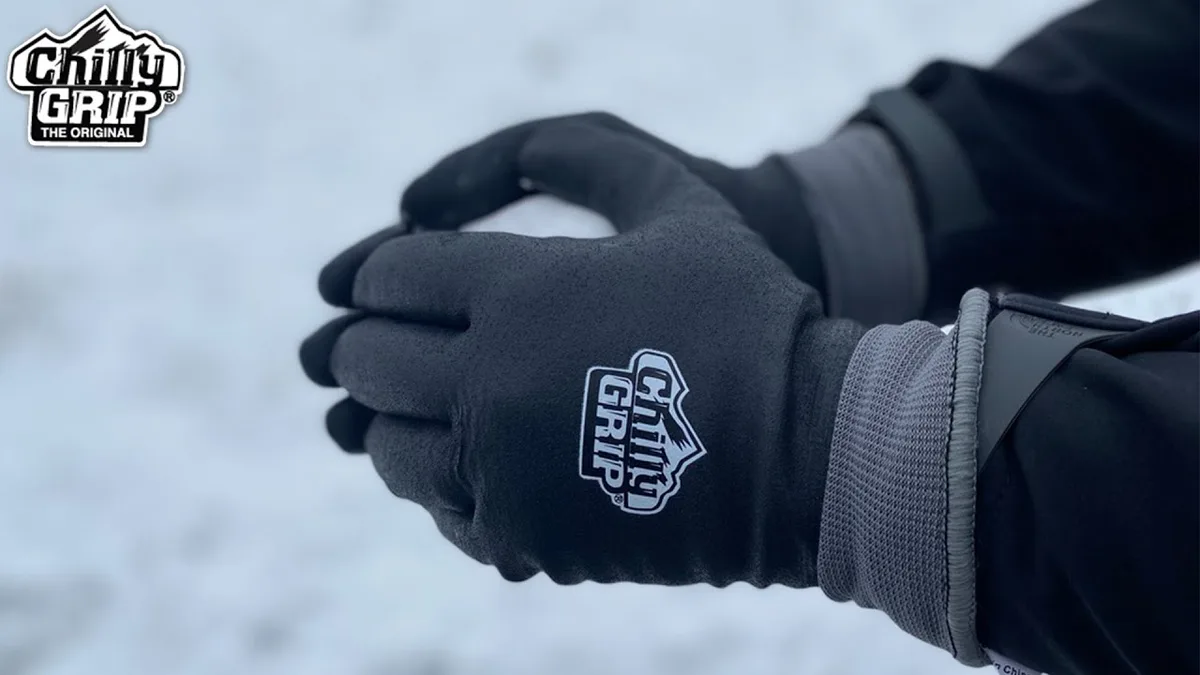
Close-up of a thick glove with a diamond-pattern grip for wet conditions
For cuff length, wrist-length gloves work for most tasks, but forearm-length is better if you’re frequently submerging your hands. Grip texture is non-negotiable—smooth gloves become useless when wet. Look for a raised pattern that’s visible and tactile.
In practice, a common mistake is choosing gloves that are too thick for delicate tasks like waxing, which can leave swirl marks if you can’t feel the surface properly.
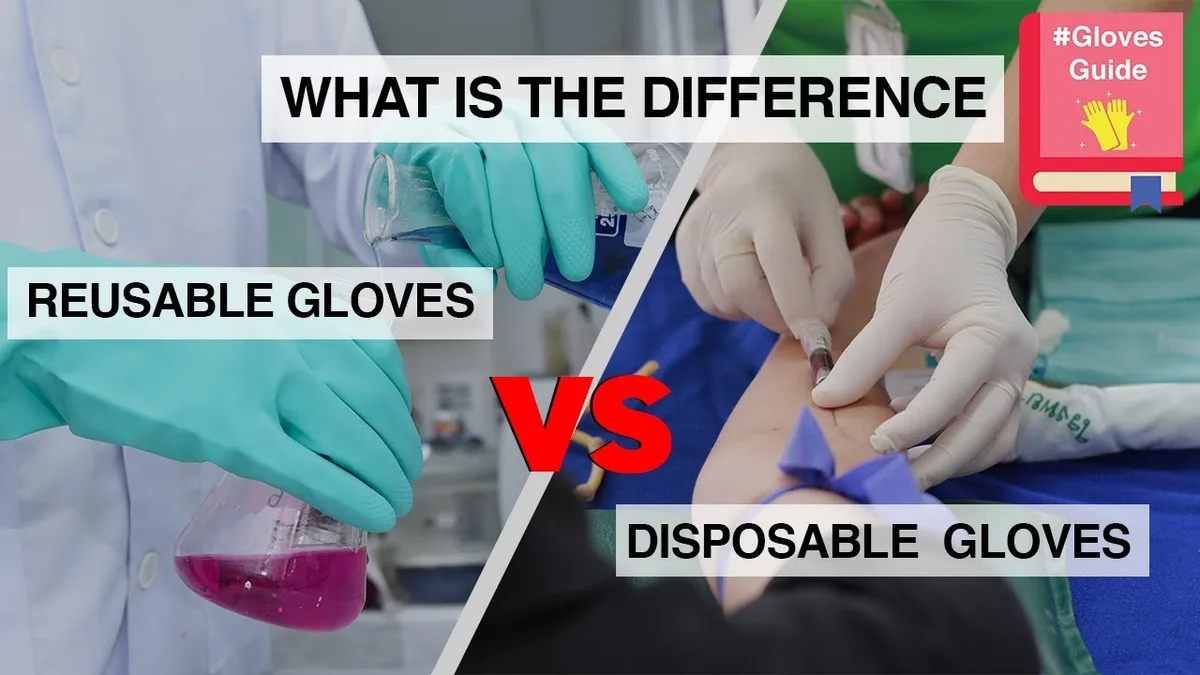
Reusable vs. Disposable: Which Saves You More in the Long Run?
Disposable gloves cost less upfront but add up fast. A box of 100 nitrile disposables runs $10–$20, while a single pair of reusable nitrile or neoprene gloves costs $10–$30 but lasts for months with proper care.
Thick reusable nitrile glove next to a thin disposable glove
Reusables win for frequent washers. They’re thicker, more chemical-resistant, and often have better grip patterns. Disposables make sense for one-off tasks or if you’re allergic to reusable materials.
For frequent car washers, using a [hose filter] can also extend the life of your gloves by reducing sediment and contaminants in the water.
Best Waterproof Gloves for Different Car Washing Tasks
Washing and Rinsing
Lightweight nitrile (5–8 mil) with textured palms works best. It balances protection with the flexibility to handle sponges and hoses.
Wheel and Tire Cleaning
Thicker nitrile or neoprene (10+ mil) resists brake dust and harsh wheel cleaners. Long cuffs prevent splashes from reaching your skin.
Waxing and Polishing
Thin, flexible nitrile (3–5 mil) lets you feel the surface. Look for gloves with a smooth finish to avoid marring paint.
Pressure Washing
Heavy-duty neoprene with forearm-length cuffs stands up to high-pressure water. Reinforced palms prevent wear from the trigger.
How to Choose the Right Glove Size and Fit
A proper fit is just as important as material and thickness. Gloves that are too loose can slip off or reduce grip, while gloves that are too tight can cause fatigue and restrict movement.
Measure the circumference of your palm (just below the knuckles) and compare it to the manufacturer’s sizing chart. Most brands offer sizes from XS to XXL. If you’re between sizes, opt for the larger size for comfort during extended use.
Try the gloves on before purchasing if possible. Bend your fingers and make a fist to ensure the material doesn’t restrict movement. For online purchases, check the return policy in case the fit isn’t right.
Common Mistakes That Ruin Gloves (and Your Hands)
Using the wrong material for the job is the top error. Vinyl gloves dissolve in solvent-based cleaners. Latex degrades with prolonged exposure to oils.
Another mistake is skipping the rinse. Soap residue left on gloves breaks down the material faster. Always rinse and dry them after each use.
Storing gloves in direct sunlight or extreme heat causes cracking. Keep them in a cool, dry place away from UV exposure.
Avoiding these mistakes ensures your gloves last longer and your hands stay protected. For additional protection, consider using a [pH-neutral foam cannon soap] to minimize skin irritation.
How to Make Your Gloves Last Longer
Rinse gloves immediately after use to remove chemicals and grime. Use mild soap and warm water for cleaning, then air-dry away from heat sources.
Turn them inside out occasionally to dry the interior and prevent odor buildup. For stubborn smells, sprinkle baking soda inside and let it sit overnight.
Inspect gloves regularly for thin spots or tears. Replace them at the first sign of wear to avoid leaks or chemical exposure.
Safety Check: Chemicals, Allergies, and What to Avoid
Latex allergies are common, so nitrile or vinyl are safer alternatives. If you’re unsure, check for a latex-free label.
Avoid gloves with unknown additives or fillers. Stick to reputable brands that meet ASTM or EN 374 standards for chemical resistance.
Never reuse disposable gloves. They’re designed for single use and degrade quickly with repeated exposure to water and chemicals.
For those with sensitive skin, using a [streak-free car wash soap] can also reduce the risk of irritation.
Price Ranges: What to Expect at Every Budget
Budget gloves start around $5 for a pack of disposables. These work for occasional use but lack durability and chemical resistance.
Mid-range reusable gloves cost $10–$25. They offer better protection and last for months with proper care. Expect nitrile or neoprene materials with textured grips.
Premium gloves run $25–$50. These are heavy-duty, often with reinforced palms and extended cuffs. They’re ideal for professional detailers or frequent users.
Real-World Scenarios: Which Gloves Work Best When?
Weekend DIY Washing
A pair of 5–8 mil nitrile gloves with textured palms covers most tasks. They’re affordable and easy to find at auto parts stores.
Professional Detailing
Thicker neoprene gloves (10+ mil) with long cuffs handle daily use. Look for reinforced seams and chemical-resistant linings.
Winter Washing
Insulated neoprene gloves keep hands warm in cold water. Some models include thermal linings for extra comfort.
Quick Touch-Ups
Disposable nitrile gloves work for spot cleaning or waxing. They’re convenient but not cost-effective for regular use.
Additional Considerations for Special Cases
Cold Weather Washing
If you wash your car in cold climates, consider gloves with thermal insulation. Neoprene is naturally insulating, but some models include additional fleece or foam linings for extra warmth. Look for gloves rated for cold-water use to maintain flexibility and comfort.
Allergy-Prone Users
For those with sensitive skin or latex allergies, nitrile is the safest choice. Some gloves are also labeled as hypoallergenic, which can provide additional peace of mind. Always check the manufacturer’s specifications for allergy information.
Eco-Friendly Options
If sustainability is a priority, look for reusable gloves made from eco-friendly materials. Some brands offer nitrile or neoprene gloves that are free from harmful chemicals and can be recycled at the end of their life. While these may cost more upfront, they can be a more environmentally responsible choice in the long run.
Comparison Table: Top Glove Materials for Car Washing
| Material | Chemical Resistance | Durability | Flexibility | Cost | Best For |
|---|---|---|---|---|---|
| Nitrile | Excellent | High | Moderate | $$ | Most car washing tasks, wheel cleaning |
| Neoprene | Excellent | Very High | Moderate | $$$ | Heavy-duty tasks, cold weather |
| Latex | Good | Moderate | High | $ | Light tasks (if no allergy) |
| Vinyl | Poor | Low | High | $ | Occasional, light use |
FAQs About Waterproof Car Washing Gloves
Do I need different gloves for wheels and paint?
Yes. Wheels require thicker, chemical-resistant gloves (10+ mil nitrile or neoprene). Paint-safe tasks can use thinner, more flexible gloves.
Can I use dishwashing gloves for car washing?
Not ideal. Dishwashing gloves often lack chemical resistance for automotive cleaners. They may degrade quickly with car soaps and degreasers.
How do I know if my gloves are chemical-resistant?
Check the manufacturer specs for ASTM or EN 374 ratings. Nitrile and neoprene typically meet these standards for automotive use.
Are latex gloves safe for car washing?
Only if you’re not allergic. Latex degrades faster with oils and solvents, so nitrile or neoprene are better choices.
How often should I replace my gloves?
Inspect them regularly. Replace at the first sign of thinning, cracks, or leaks. Reusables typically last 3–6 months with frequent use.
Can I use the same gloves for waxing and wheel cleaning?
It’s not recommended. Waxing requires thinner, more flexible gloves to avoid marring the paint, while wheel cleaning needs thicker, more chemical-resistant gloves to handle brake dust and harsh cleaners.
How do I clean my reusable gloves?
Rinse them with mild soap and warm water after each use. Avoid harsh detergents or bleach, as these can degrade the material. Air-dry them away from direct sunlight or heat sources.
Conclusion
Choosing the right waterproof gloves for washing cars comes down to balancing protection, durability, and comfort. Nitrile and neoprene gloves are the top choices for most tasks, offering the best chemical resistance and longevity. For occasional use, disposable gloves may suffice, but reusable options are more cost-effective and eco-friendly in the long run.
Remember to consider the thickness, cuff length, and grip texture based on your specific needs, whether it’s light washing, heavy-duty cleaning, or waxing. Proper care and storage will extend the life of your gloves, ensuring they continue to protect your hands effectively.
Ready to upgrade your car washing routine? Start by selecting a pair of gloves that match your most frequent tasks, and don’t forget to pair them with [a reliable machine] for the best results.