ByMax Lee
Drive Thru Car Wash: Step-by-Step Guide
YouTube / Rhock Island (YouTube thumbnail (fair-use with source credit))
Using a drive-through car wash is faster than hand-washing, but doing it wrong can scratch your paint or damage parts. If you’ve ever wondered how to use drive through car wash without the hassle or risk, the key is preparation and knowing your vehicle’s limits.
Most automatic washes take 5, 10 minutes and use 30, 100 gallons of water, depending on the type. The process is simple once you know the steps, but a few wrong moves can cost you.
Quick Answer
Drive in slowly and follow the lane markings. Stop at the sensor and select your wash program. Pay at the kiosk or via app.
Stay in neutral with your foot off the brake. Keep hands off the wheel until the conveyor stops.
How Drive-Through Car Washes Actually Work
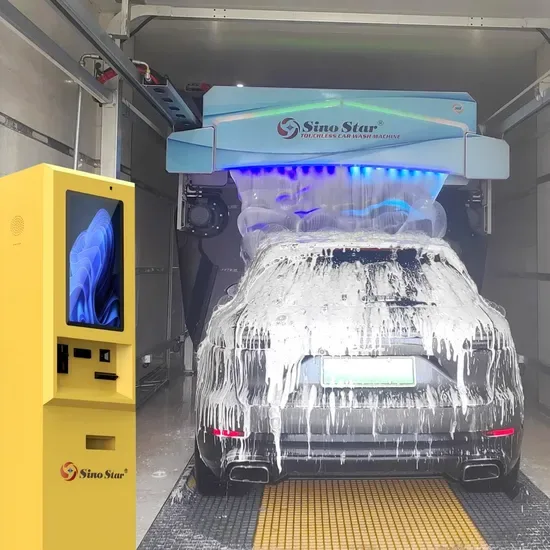
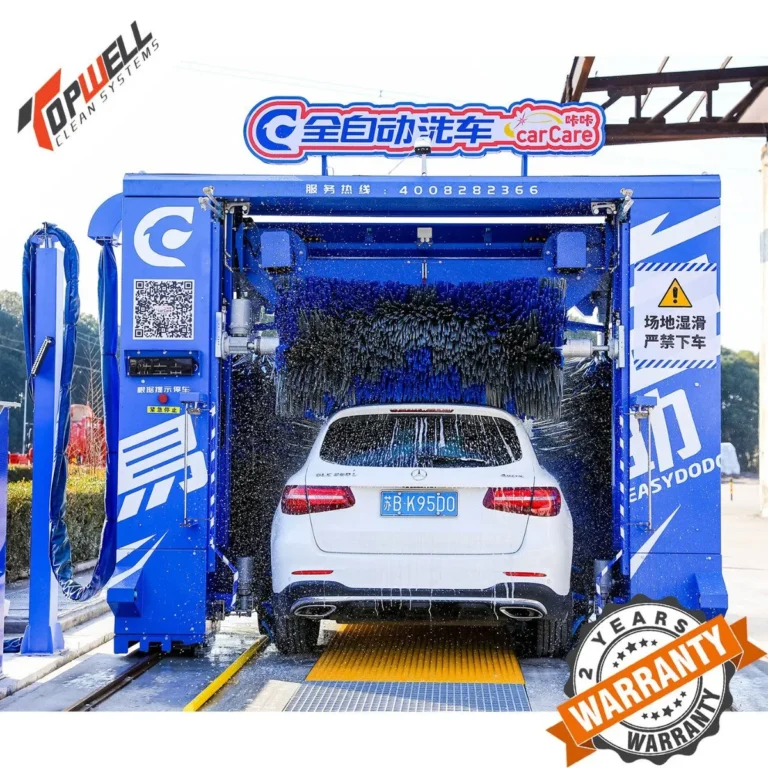
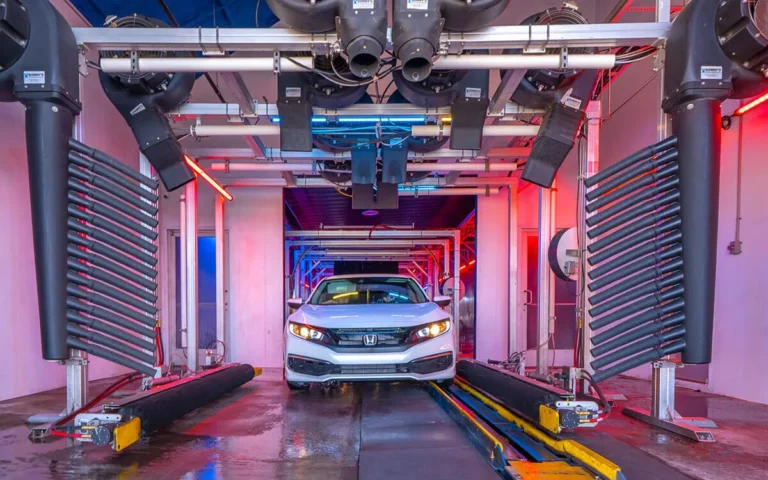
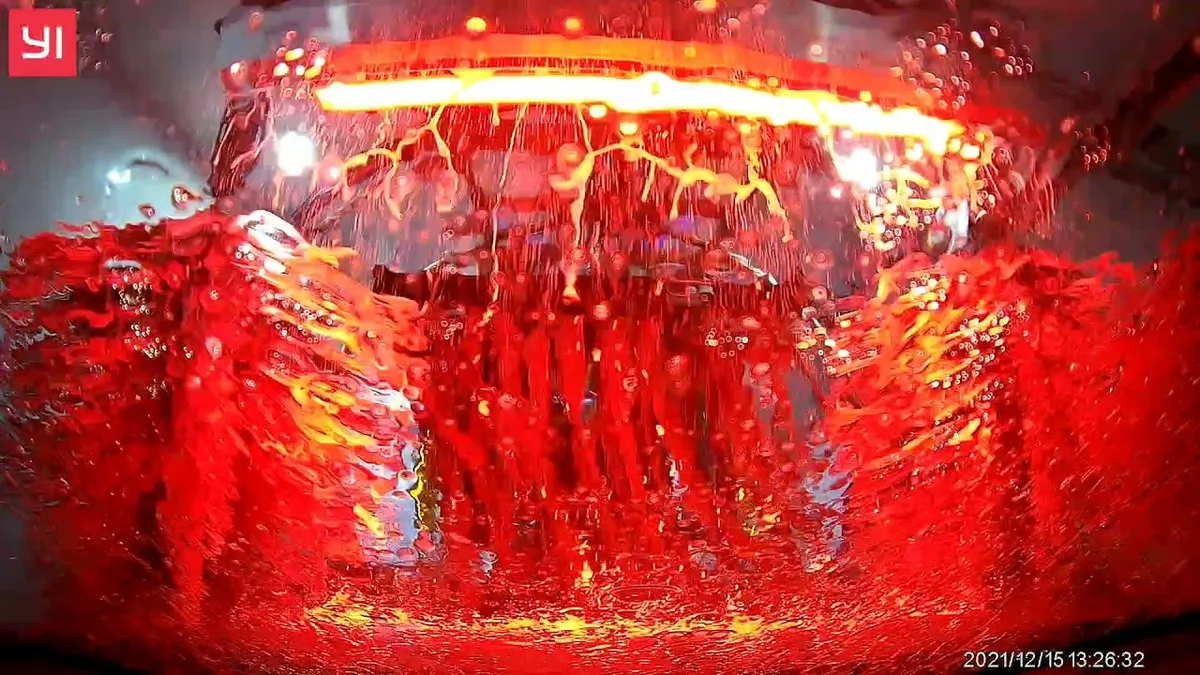
A drive-through car wash moves your vehicle through a tunnel on a conveyor belt. Sensors detect your car’s size and position, then trigger high-pressure water jets, soap applicators, and brushes if it’s a soft-cloth wash. The system adjusts spray patterns to cover wheels, undercarriage, and body panels.
Touchless washes use only water and chemicals. Brush washes add rotating foam or microfiber pads. Both end with a rinse cycle and air dryers.
Manufacturer specs confirm most tunnels handle vehicles up to 8 feet wide and 6.5, 8 feet tall.
Types of Automatic Car Washes (and Which to Pick)
YouTube / Elliott Alvis (YouTube thumbnail (fair-use with source credit))
Not all automatic washes work the same. The right type depends on your car’s finish and your priorities.
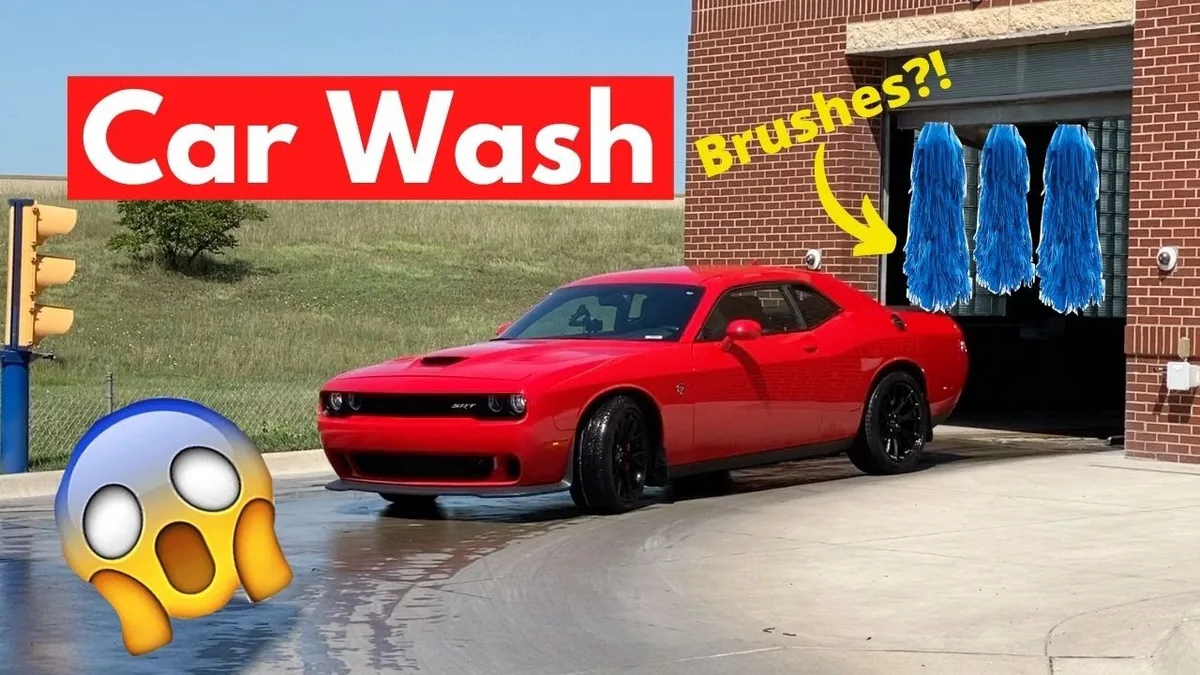
Touchless car wash
- Uses high-pressure water and chemicals only
- Best for delicate paint, wraps, or matte finishes
- Less risk of scratches but may miss stubborn grime
Soft-cloth car wash
- Uses rotating foam or microfiber brushes
- Better at removing heavy dirt and road film
- Higher scratch risk on sensitive surfaces
Self-serve car wash
- You control the wand and settings
- Cheaper but requires manual effort
- Good for spot-cleaning or pre-wash rinsing
If your car has a clear coat or custom paint, touchless is the safer choice. For everyday sedans and SUVs, soft-cloth washes clean more thoroughly.
What to Do Before You Even Pull In
YouTube / GenX Bilal (YouTube thumbnail (fair-use with source credit))
A little prep prevents damage and ensures a better clean.
- Remove loose items like bike racks, magnetic signs, or detachable antennas
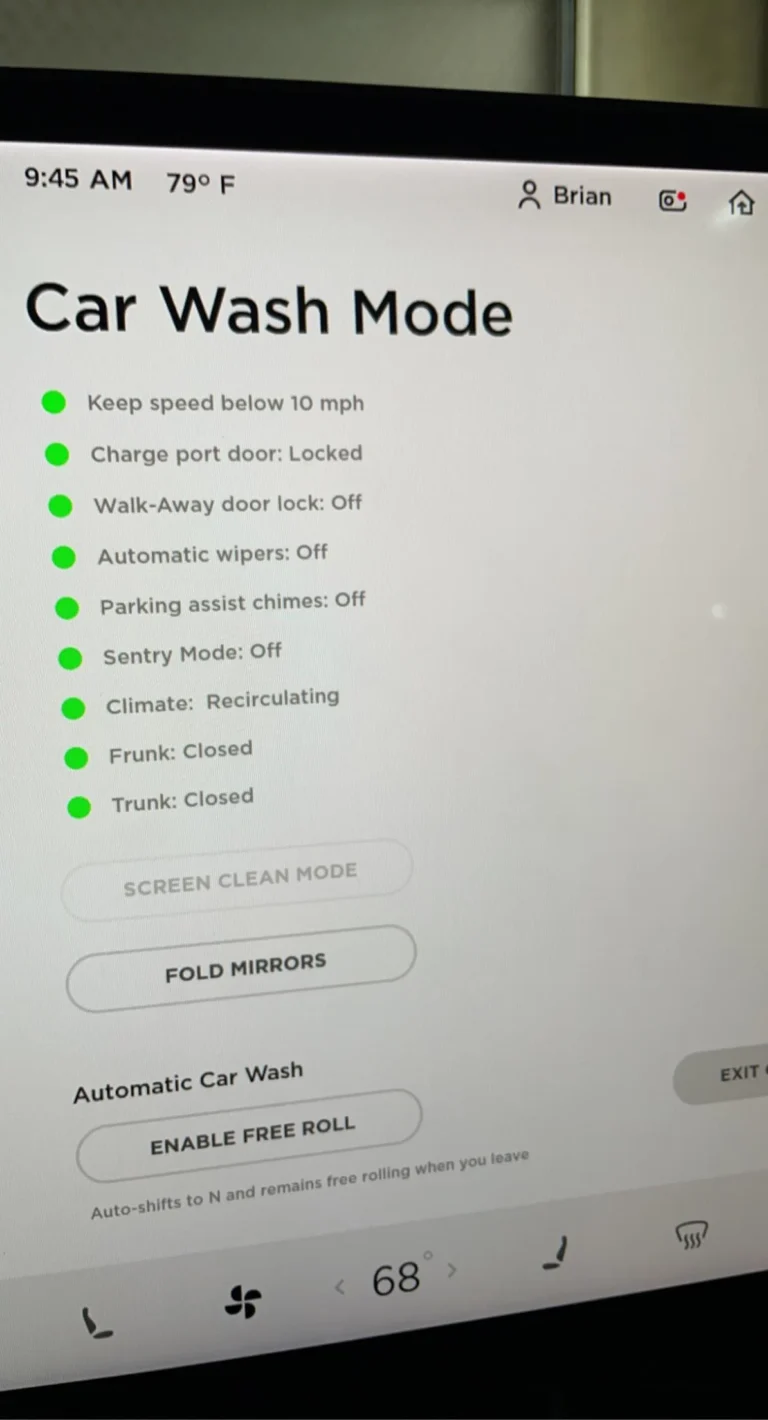
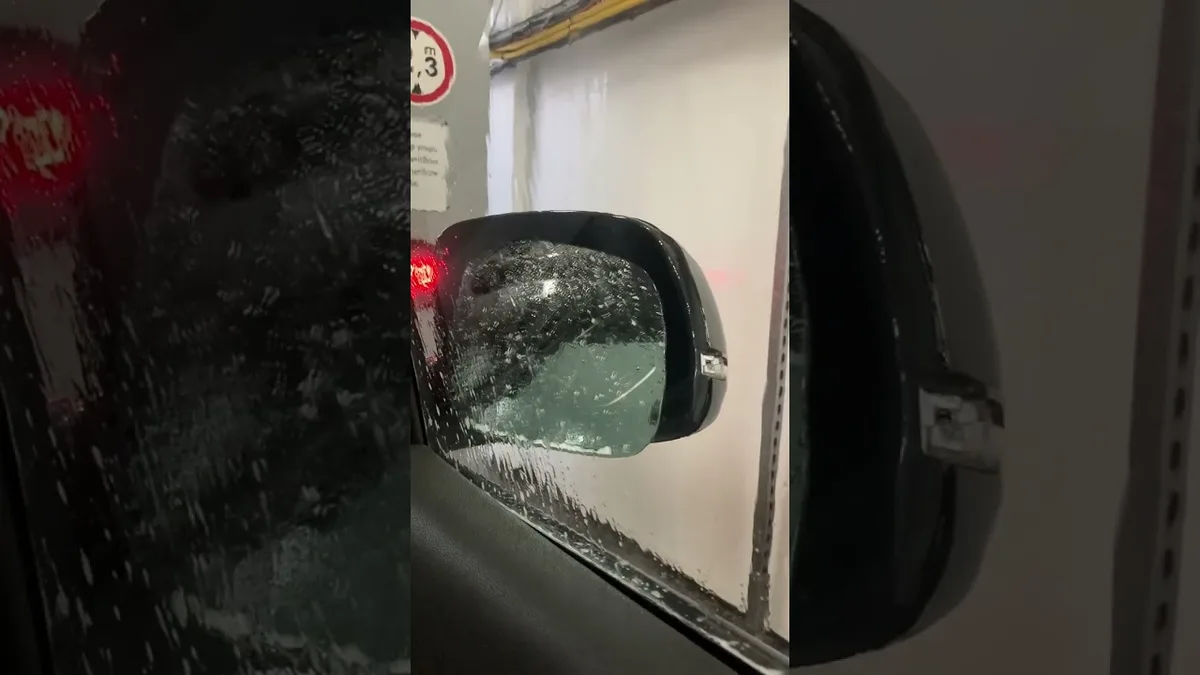
- Fold in side mirrors if they extend beyond your car’s width
- Close all windows, sunroofs, and convertible tops
- Check for existing damage like cracks or loose trim
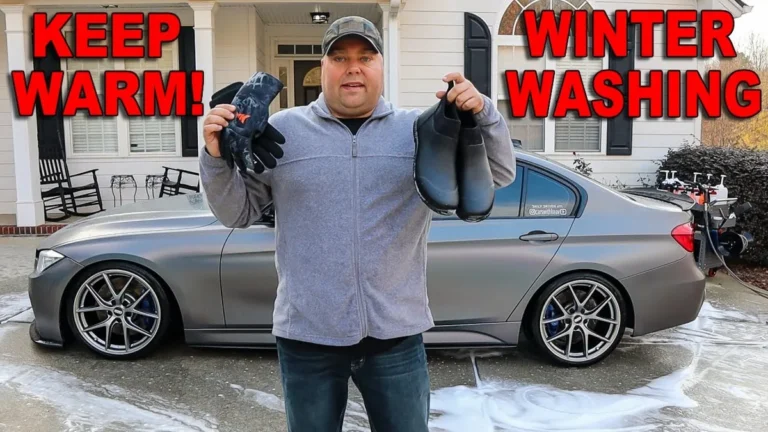
- Rinse off heavy mud or salt if your car is caked in grime
Aggregate reviews report that skipping this step is the top cause of broken parts in automatic washes. If your vehicle has aftermarket parts or a lift kit, check the car wash’s height and width limits first.
Step-by-Step: How to Use a Drive-Through Car Wash
YouTube / Shenzhen Diversity Kiosk Technology Co.,Ltd. (YouTube thumbnail (fair-use with source credit))
Follow these steps for a smooth, damage-free wash.
Pull in slowly Align your wheels with the conveyor track. Stop when the light or sign tells you to.
Select your wash program Choose basic, premium, or add-ons like wax or undercarriage spray. Prices typically range from $8 to $25.
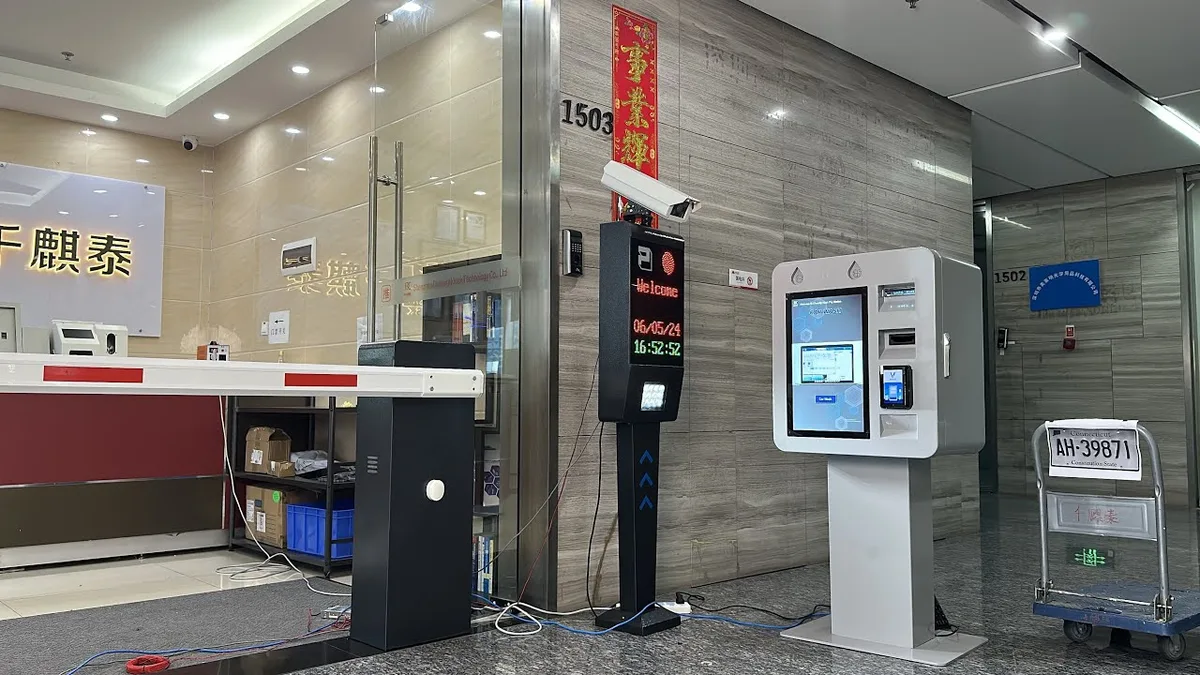
Pay at the kiosk Use cash, card, or a membership app. Some locations offer contactless options for faster service.
Shift to neutral (automatic) or out of gear (manual) Take your foot off the brake and release the steering wheel. The conveyor will move your car forward.
Stay in the car Never exit the vehicle during the wash. Keep hands and feet inside.
Wait for the dryer Air blowers remove most water, but you may need to wipe down spots afterward.
If the conveyor stops unexpectedly, stay calm and wait for the system to reset. Forcing the car forward can damage the equipment.
Common Mistakes That Damage Your Car
Leaving loose parts on your vehicle is the top cause of breakage. Antennas, bike racks, and even unsecured floor mats can get caught in the equipment.
Using a brush wash on matte or wrapped paint often leaves swirl marks. Touchless washes are the safer choice for these finishes.
Ignoring height and width limits can jam the conveyor or damage your roof. Most tunnels max out at 8 feet tall and 8 feet wide.
Skipping the pre-rinse on a heavily soiled car forces the brushes to grind dirt into the paint. A quick rinse at a self-serve bay first prevents scratches.
When to Skip the Automatic Wash
Hand washing is better for classic cars with delicate finishes. The control lets you avoid harsh chemicals and abrasive brushes.
If your vehicle has aftermarket parts like lift kits or wide tires, check compatibility first. Many automatic washes can’t accommodate modified vehicles.
During freezing temperatures, some locations close to prevent ice damage. Always check the wash’s operating status before arriving.
For deep cleaning inside wheel wells or undercarriages, a self-serve wand gives you better access than a drive-through tunnel.
Memberships vs. Pay-Per-Wash: Are They Worth It?
Unlimited wash memberships cost $20, $50 per month. They pay off if you wash your car more than twice a month.
Pay-per-wash is better for occasional users. You only pay when you need it, with no long-term commitment.
Some memberships include extras like free vacuums or discounts on detailing. Compare the perks before signing up.
If you own multiple vehicles, check if the membership covers all of them. Some plans limit the number of cars per account.
Costs, Time, and What to Expect
Basic washes start around $8. Premium packages with wax and undercarriage spray can reach $25 or more.
A standard wash cycle takes 5, 10 minutes. Add another 2, 3 minutes for drying and pulling out of the tunnel.
Water usage varies by type. Touchless washes use 30, 50 gallons, while brush washes can use up to 100 gallons.
Expect to spend an extra 5 minutes if the line is long. Weekday mornings are typically the least busy.
Safety and Vehicle Compatibility Checks
Never exit your vehicle during the wash. The conveyor and equipment create serious hazards.
Disable lane-keeping assist or other driver aids. These systems can interfere with the conveyor’s movement.
Check that all doors, windows, and the sunroof are closed. Water can damage interiors if seals aren’t tight.
If your car has a low ground clearance, look for a wash with a flat conveyor. Some tunnels have raised tracks that can scrape undercarriages.
Pro Tips for a Spotless, Scratch-Free Wash
Choose the right time of day. Early mornings or weekdays have shorter lines and less dirt buildup on the equipment.
Rinse your car first if it’s covered in mud or salt. This prevents the wash from grinding abrasive particles into your paint.
Opt for a pre-soak cycle if available. It loosens stubborn grime before the main wash begins.
Use a touchless wash for vehicles with wraps or matte finishes. Brushes can dull or peel these surfaces over time.
Frequently Asked Questions
Can I go through a car wash with a roof rack?
Yes, but remove any loose accessories first. Fixed roof racks are usually fine, but check the wash’s height limit to avoid damage.
Does a drive-through car wash damage paint?
It can if you use the wrong type. Brush washes may cause micro-scratches, while touchless washes are gentler on paint.
How often should I use a drive-through car wash?
Once every two weeks is ideal for most drivers. More frequent washes help in harsh climates with road salt or pollen.
What if my car gets stuck in the wash?
Stay calm and follow the staff’s instructions. Forcing the car forward can damage the equipment or your vehicle.
Are car wash memberships worth it?
If you wash your car more than twice a month, a membership usually saves money. Compare the cost of individual washes to the monthly fee.
Can I wash a convertible in a drive-through car wash?
Only with the top up and windows closed. Some washes have height restrictions that may not accommodate convertibles with the top down.