ByMax Lee
Best Way to Wash a BYD Car Safely
Washing a BYD isn’t the same as washing a gas car. The best way to wash a BYD starts with protecting its high-voltage components and charging port from water damage. Manufacturer specs confirm that while BYDs are built to handle rain, direct high-pressure streams or improper cleaning can void warranties or cause electrical issues.
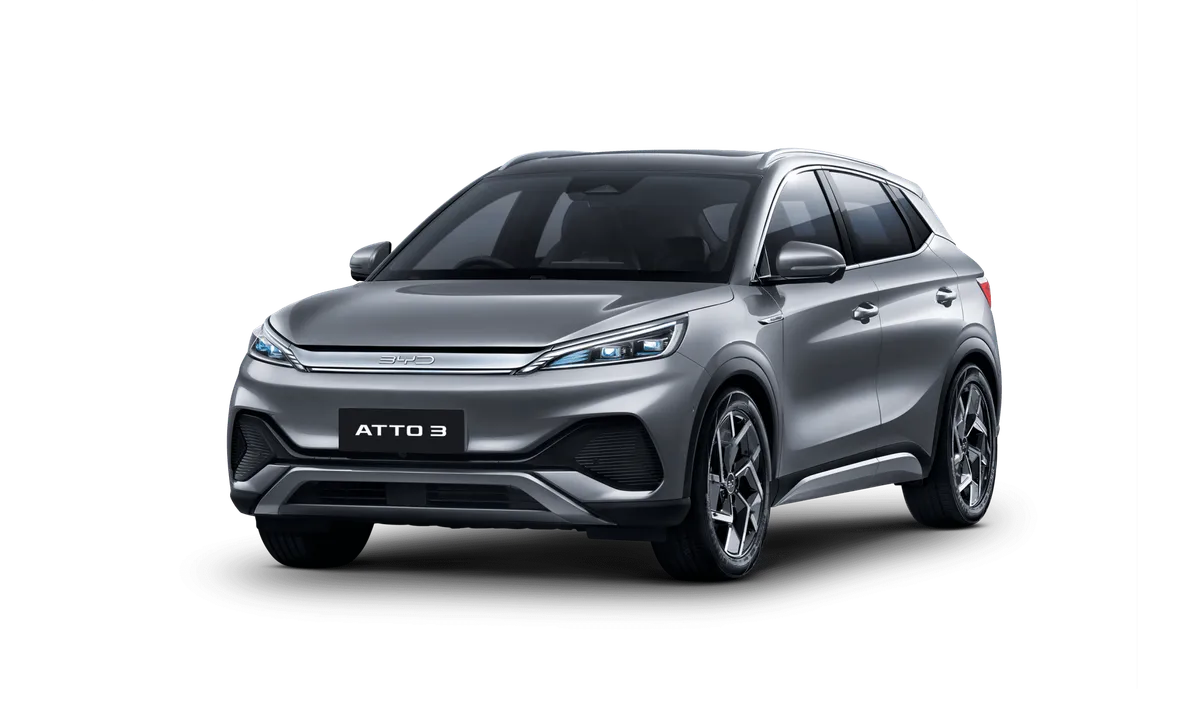
BYD models like the Atto 3 and Seal have IP67-rated batteries, but that doesn’t mean you can blast them with a pressure washer. As of 2026, the brand’s official care guides still recommend gentle hand washing with the right tools.
Quick Answer
The best way to wash a BYD is by hand using the two-bucket method. Use pH-balanced car shampoo and a microfiber mitt. Avoid high-pressure water near the charging port or electrical components.
Always dry thoroughly to prevent water spots.
Is It Safe to Wash a BYD Like a Normal Car?
No, not exactly. While BYDs are designed to withstand typical weather, their electrical systems require extra caution. A normal car wash might not account for the charging port, sensors, or high-voltage components under the hood.
Bing (Web (fair-use with source credit))
BYDs have sealed batteries and connectors, but direct water intrusion can still cause problems. For example, the charging port on most models isn’t meant for high-pressure water. Even a standard automatic car wash with stiff brushes can scratch the paint or damage sensors.
If you’re used to washing a gas car, you’ll need to adjust your approach. The key differences are avoiding water in sensitive areas and using gentler methods.
What Makes Washing a BYD Different
The main difference is the electrical system. BYDs have high-voltage batteries, inverters, and charging ports that aren’t present in traditional cars. These components are water-resistant but not waterproof.
The charging port is a critical weak point. Water entering the port can cause short circuits or corrosion over time. BYD’s manuals typically advise against spraying water directly into the port, even if it’s closed.
Sensors and cameras are another concern. Modern BYDs come with advanced driver-assistance systems that rely on cameras and LiDAR. High-pressure water or harsh chemicals can damage these sensors, leading to costly repairs.
Finally, the paint and finish matter. BYDs often have specialized coatings or finishes that require pH-balanced cleaners. Using the wrong soap can strip wax or damage ceramic coatings.
BYD’s Official Washing Guidelines (From the Manual)
BYD’s owner’s manuals provide clear instructions for washing. For most models, they recommend hand washing with a soft mitt or sponge. The water pressure should be kept below 1,500 PSI if using a pressure washer, and the nozzle should be held at least 12 inches away from the car’s surface.
The manuals also specify avoiding certain areas. These include the charging port, under the hood near electrical components, and any visible sensors or cameras. If you’re unsure, covering the charging port with a plastic bag or tape before washing is a safe practice.
For drying, microfiber towels are recommended to prevent swirl marks. Air drying can leave water spots, especially in hard water areas. A leaf blower on a cool setting can help remove water from crevices without damaging the paint.
Here’s a quick reference table for BYD’s guidelines:
| Area | Recommended Method | Avoid |
|---|---|---|
| Body Panels | Hand wash, pH-balanced shampoo | Abrasive brushes, high-pressure water |
| Charging Port | Cover before washing | Direct water spray |
| Sensors/Cameras | Gentle wipe with microfiber | High-pressure water, harsh chemicals |
| Wheels/Tires | Separate brush, degreaser | Acidic cleaners |
The Right Tools for Washing a BYD
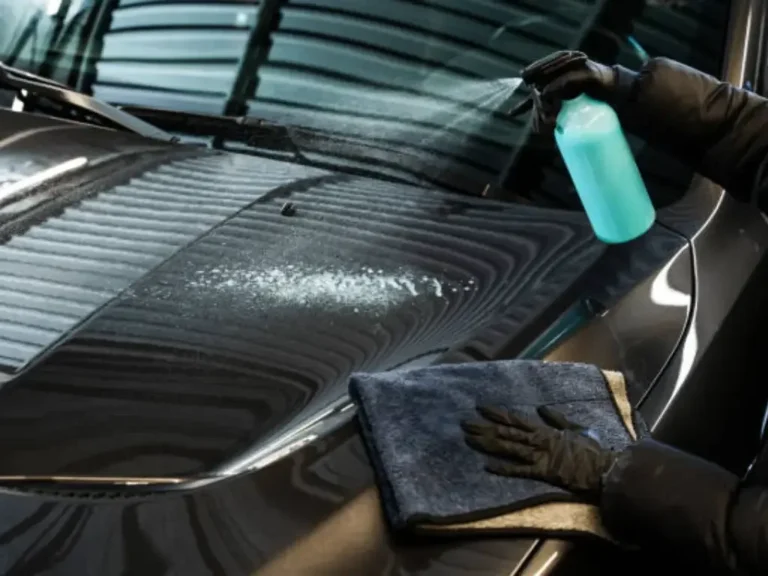
You don’t need specialized equipment, but the right tools make a difference. Start with a high-quality microfiber wash mitt and two buckets, one for soap and one for rinsing the mitt. This two-bucket method prevents dirt from being reintroduced to the car’s surface.
For soap, use a pH-balanced car shampoo. Household detergents or dish soap can strip wax and damage paint over time. If your BYD has a ceramic coating, check the manufacturer’s recommendations for compatible cleaners.
A pressure washer can be used, but with caution. Stick to a wide-angle nozzle (25, 40 degrees) and keep the pressure below 1,500 PSI. Never aim the stream directly at the charging port, sensors, or seams where water could enter.
For drying, microfiber towels are ideal. They absorb water without scratching the paint. A leaf blower can help remove water from hard-to-reach areas like mirrors and door jambs.
Step-by-Step: How to Hand Wash a BYD Safely
Start with a pre-rinse to remove loose dirt. Use a hose with a gentle flow or a pressure washer on its lowest setting. This prevents scratching the paint during the wash.
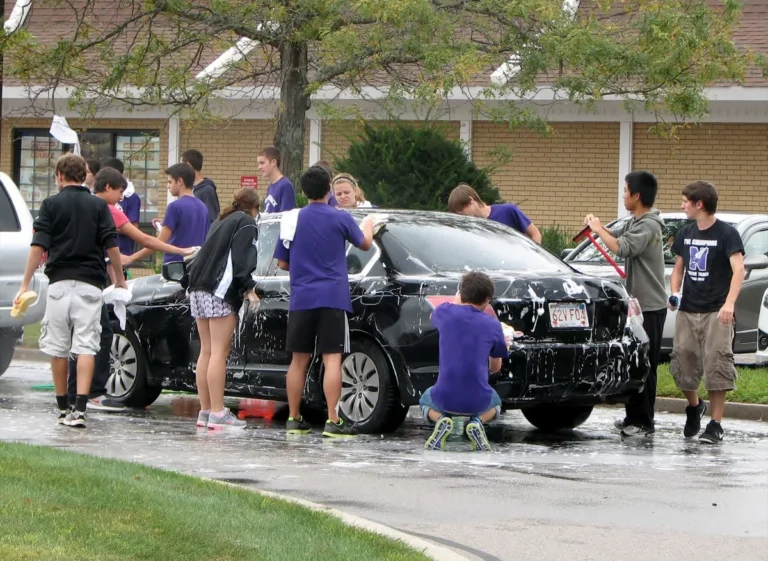
Next, fill two buckets: one with soapy water and one with clean water for rinsing your mitt. Use a pH-balanced car shampoo and a high-quality microfiber wash mitt. Wash from the top down, starting with the roof and working your way to the lower panels.

Wikimedia Commons / Eddie August Schneider
Wash the wheels and tires separately with a dedicated brush and degreaser. Brake dust can be abrasive, so avoid using the same mitt you use for the body. Rinse the wheels thoroughly to remove all cleaner residue.
After washing, dry the car with microfiber towels. Use a separate towel for the wheels to avoid transferring dirt back to the paint. For hard-to-reach areas like door jambs and mirrors, a leaf blower on a cool setting can help remove water without touching the surface.
Can You Use a Pressure Washer on a BYD?
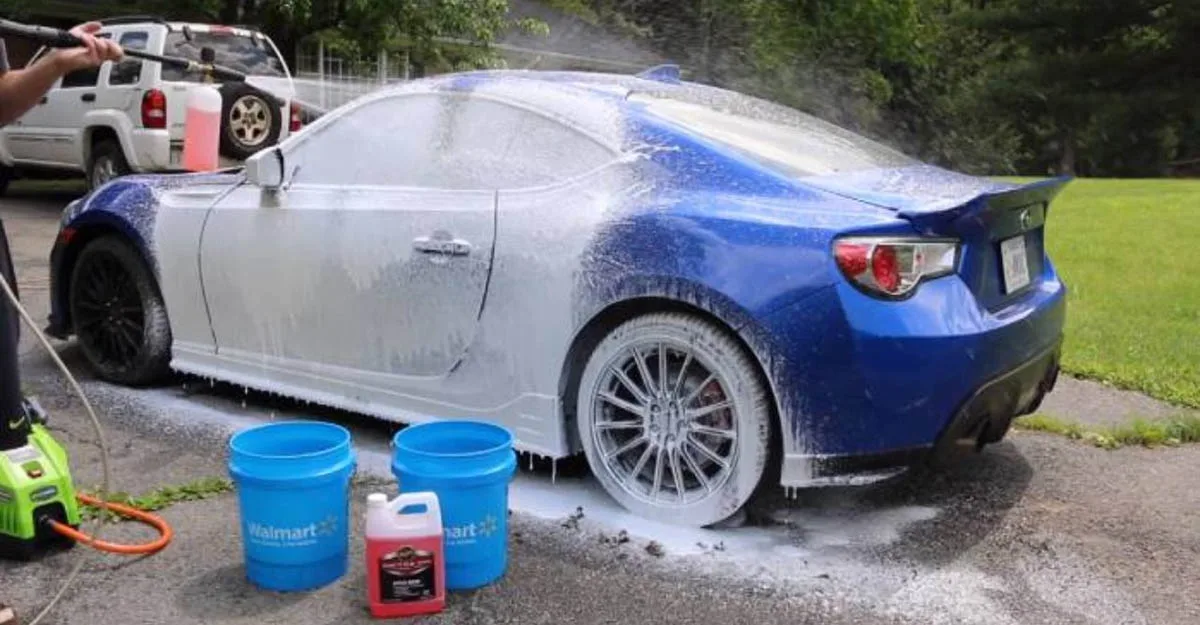
Yes, but with strict precautions. Keep the pressure below 1,500 PSI and use a wide-angle nozzle (25, 40 degrees). Hold the nozzle at least 12 inches away from the car’s surface to avoid damaging the paint or seals.
Bing (Web (fair-use with source credit))
Never aim the pressure washer directly at the charging port, sensors, or electrical components. These areas are vulnerable to water intrusion, which can cause short circuits or corrosion. If you’re unsure, stick to hand washing for these sensitive spots.
Pressure washers are best for removing stubborn grime from the underbody or wheel wells. However, avoid using them on the main body panels unless you’re experienced. The risk of damaging paint or seals isn’t worth the convenience for most BYD owners.
Automatic Car Washes: Which Types Are Safe?
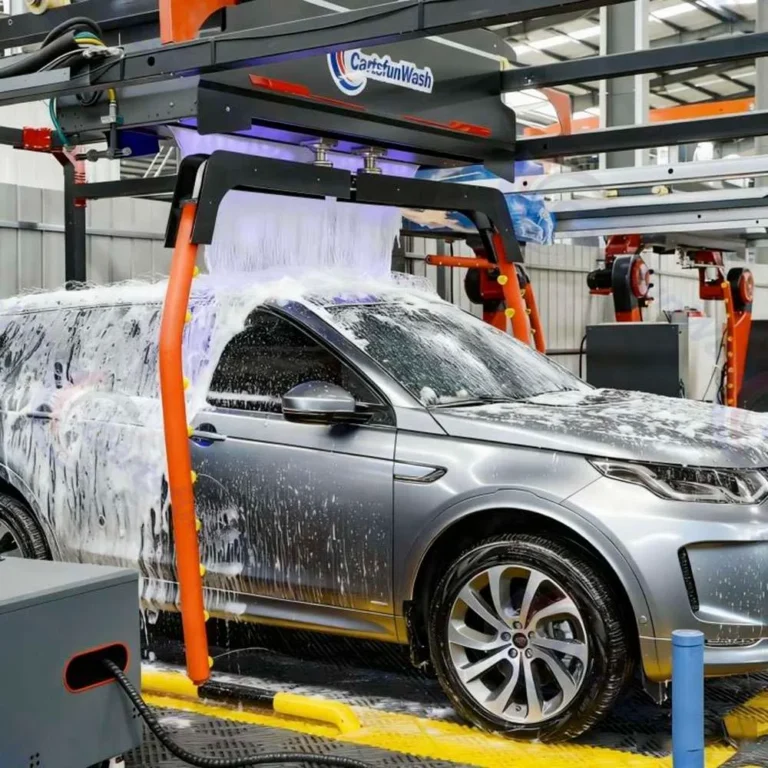
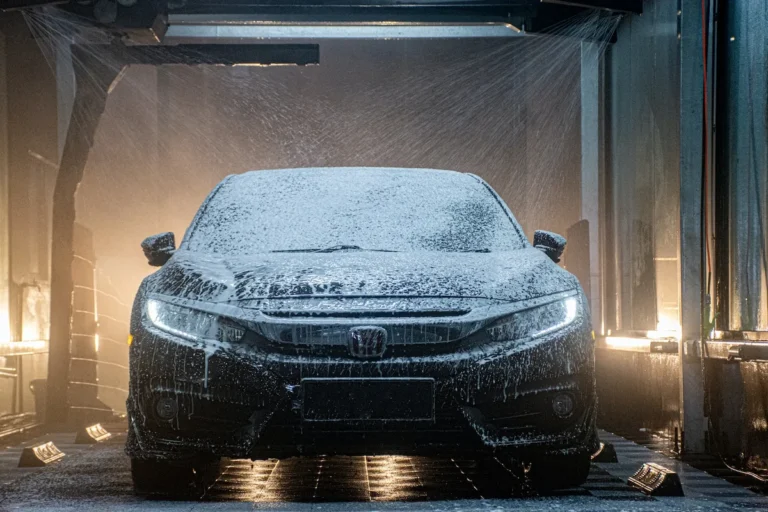
Touchless car washes are the safest option for BYDs. They use high-pressure water jets and detergents without physical brushes, reducing the risk of scratches or damage to sensors. However, even touchless washes can be risky if the water pressure is too high near sensitive areas.
Brush car washes are not recommended. The stiff brushes can scratch the paint, damage sensors, or even dislodge trim pieces. If you must use a brush car wash, choose one with soft cloth strips and avoid it for models with matte or ceramic-coated paint.
Self-service car washes give you more control. You can use the pressure wand to rinse the car gently and apply soap manually. Just avoid aiming the wand at the charging port or electrical components.
Always dry the car thoroughly afterward to prevent water spots.
How to Protect the Charging Port and Electrical Components
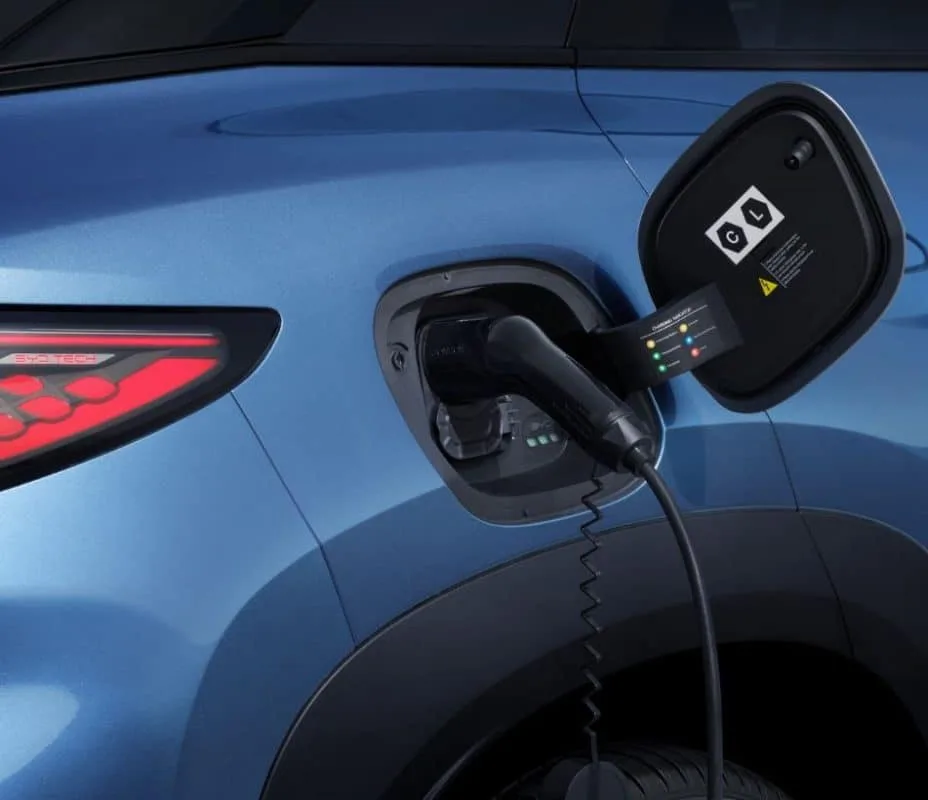
The charging port is the most vulnerable area when washing a BYD. Water entering the port can cause short circuits or corrosion. Always close the port before washing, and consider covering it with a plastic bag or tape for extra protection.
Bing (Web (fair-use with source credit))
Avoid spraying water directly at the port, even if it’s closed. High-pressure water can force its way past the seals, especially if they’re worn or damaged. If water does get inside, dry it thoroughly with a microfiber towel or compressed air.
Other electrical components, like the battery housing and inverter, are also sensitive to water. While these are typically sealed, it’s best to avoid spraying water directly at them. Stick to gentle hand washing for these areas, and always dry the car completely after washing.
Winter and Salt: Special Washing Tips for Cold Climates
Road salt and grime build up quickly in winter. Wash your BYD more frequently during this season to prevent corrosion. Pay special attention to the underbody, wheel wells, and charging port, where salt can accumulate.
Use a degreaser or specialized wheel cleaner to remove brake dust and salt from the wheels. These areas are prone to corrosion, so thorough cleaning is essential. Rinse the underbody if your car wash has an undercarriage spray option.
After washing, dry the car completely to prevent ice from forming on the surface. If temperatures are below freezing, consider washing the car in a heated garage or using a touchless car wash with warm water. Avoid washing in extreme cold, as water can freeze before it has a chance to dry.
Common Mistakes That Damage a BYD
Using household cleaners is a frequent error. Dish soap or laundry detergent can strip wax and damage paint over time. Stick to pH-balanced car shampoo to preserve the finish.
Skipping the two-bucket method leads to swirl marks. Dirt from the car gets trapped in the mitt and scratches the paint when reused. Always rinse the mitt in the clean water bucket between passes.
Ignoring the charging port is risky. Many owners forget to close or cover it before washing. Water intrusion can cause electrical issues or corrosion in the contacts.
Best Products for Washing and Detailing a BYD
A high-quality microfiber wash mitt is essential. It holds soap well and minimizes the risk of scratching. Avoid cheap sponges or brushes that can trap dirt.
pH-balanced car shampoo is a must. It cleans effectively without harming the paint or stripping protective coatings. Look for products labeled as safe for automotive finishes.
Microfiber drying towels prevent water spots. They absorb water quickly and leave no lint behind. Use a separate towel for the wheels to avoid transferring brake dust to the body.
Maintenance: How Often Should You Wash a BYD
Wash your BYD every two weeks in normal conditions. This prevents dirt and grime from building up and damaging the paint. More frequent washing may be needed in harsh climates.
In winter, wash weekly if roads are salted. Salt accelerates corrosion and can damage the underbody and electrical components. Pay extra attention to the wheel wells and charging port.
After long trips or exposure to bird droppings, wash immediately. These contaminants can etch the paint if left untreated. A quick rinse and spot clean can prevent permanent damage.
FAQs About Washing a BYD
Can I use a self-service car wash for my BYD?
Yes, but use the pressure wand carefully. Avoid aiming it at the charging port or sensors. Stick to gentle settings and dry the car thoroughly afterward.
What should I do if water gets in the charging port?
Dry it immediately with a microfiber towel or compressed air. Avoid using the charger until the port is completely dry to prevent short circuits.
Is it safe to wash a BYD in the rain?
It’s not ideal. While BYDs are water-resistant, washing in the rain can make it harder to control water exposure to sensitive areas. Wait for dry weather when possible.
Can I wax or seal my BYD after washing?
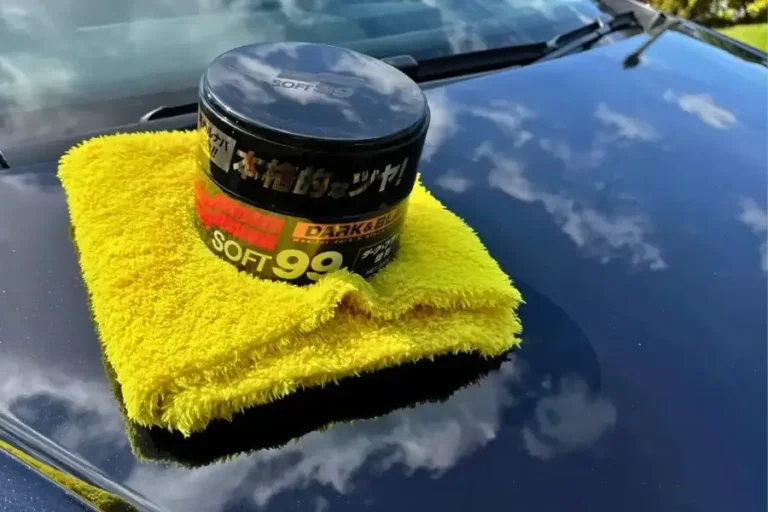
Yes, but ensure the car is completely dry first. Wax or sealant helps protect the paint and makes future washing easier. Follow the product’s instructions for best results.
Does washing affect my BYD’s warranty?
Improper washing can void the warranty. Always follow the manufacturer’s guidelines to avoid damage to electrical components or the paint.