Dust on your car isn’t just ugly, it’s abrasive. Left unchecked, it scratches clear coat and dulls paint over time. Proper dust removal from car exterior starts with the right method for your finish and dust type.
Aggregate reviews and manufacturer specs confirm that even light dust can cause micro-scratches if wiped dry. The fix is simpler than you think.
Quick Answer
Dust removal from car exterior starts with a rinse or blow-off. Use a high-GSM microfiber cloth for light dust. Stubborn dust needs a waterless wash or clay bar.
Always dry with a clean towel to prevent water spots.
Why Dust on Your Car Is More Than Just an Eyesore
Dust isn’t inert. It carries tiny particles of sand, pollen, and industrial debris that act like sandpaper on your paint. Over time, this leads to swirl marks and a faded finish.
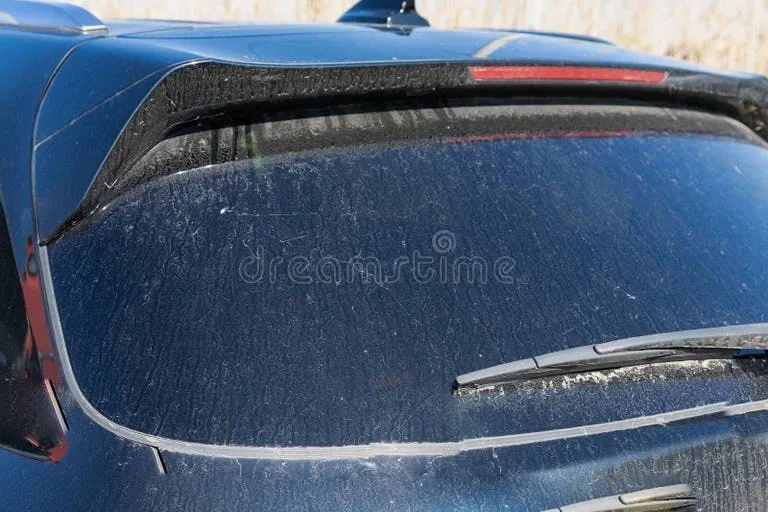
The International Carwash Association notes that regular dust removal extends the life of your clear coat. Neglect it, and you’ll face costly paint correction down the line.
How Dust Affects Your Car’s Paint Over Time
Dust particles are sharp under a microscope. When you wipe a dry car, you drag these particles across the surface, creating micro-scratches. These scratches scatter light, making your paint look dull.
Manufacturer specs for automotive paints show that clear coats are only 1.5 to 2 mils thick. Repeated dry wiping can wear through this layer faster than you’d expect.
The 3 Types of Dust You’re Dealing With (And Why It Matters)
Light dust settles on the surface and can be blown or wiped off. It’s mostly harmless if removed properly.
Pollen and organic dust stick to paint, especially after rain. They require a pre-wash soak to loosen.
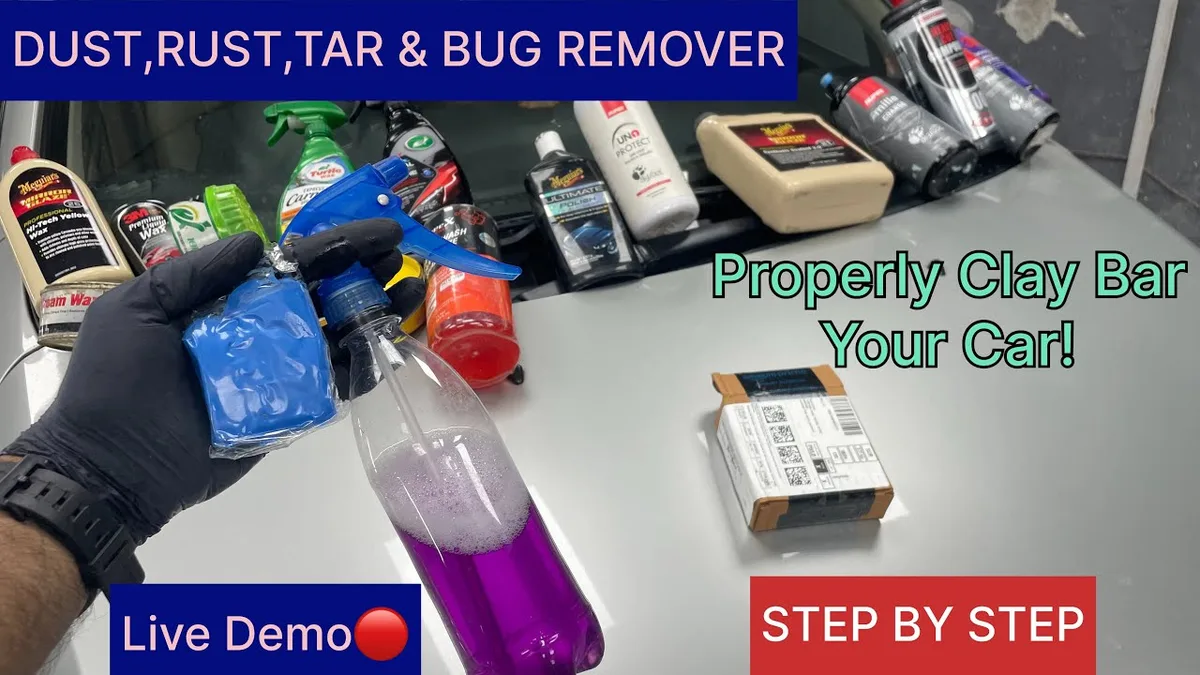
Industrial or road dust contains metal shavings and tar. This type embeds in paint and needs a clay bar or specialized cleaner.
Decision Tree: Which Dust Removal Method Fits Your Situation?
If your car has light dust and no visible grime:
Use a microfiber cloth or compressed air. This takes 5 minutes and prevents scratches.
If you see pollen or a thin layer of dirt:
A waterless wash spray is your best bet. It lubricates the surface so dust lifts without scratching.
If the dust is caked on or mixed with mud:
A traditional wash with the two-bucket method is safest. Follow up with a clay bar if the paint feels rough.
Step-by-Step: How to Remove Dust Safely at Home
Tools You’ll Need
- High-GSM microfiber cloths (400+ GSM)
- Waterless car wash spray or pH-neutral car soap
- Two buckets with grit guards
- Clay bar and lubricant (for deep cleaning)
- Drying towel (waffle weave or plush microfiber)
Pre-Wash: The Dust Removal Game-Changer
Start by rinsing the car with a hose or pressure washer. This removes loose dust before you touch the paint.
For stubborn dust, use a foam cannon to loosen contaminants. Let the foam dwell for 2, 3 minutes before rinsing.
Washing Without Swirl Marks
Use the two-bucket method to keep dirt out of your wash mitt. One bucket holds soapy water, the other holds clean rinse water.
Dip the mitt in the soap bucket, wash a section, then rinse it in the clean water bucket before reloading with soap. This prevents picking up dirt and dragging it across the paint.
Work from the top down. Gravity pulls dirt downward, so cleaning the roof first keeps you from re-soiling lower panels.
Waterless Wash vs. Traditional Wash: Which Should You Use?
Waterless wash is best for light dust and quick touch-ups. It uses lubricating sprays to lift dust without water or scratching.
Traditional wash is better for heavy dirt or weekly cleaning. It removes embedded grime but requires more time and water.
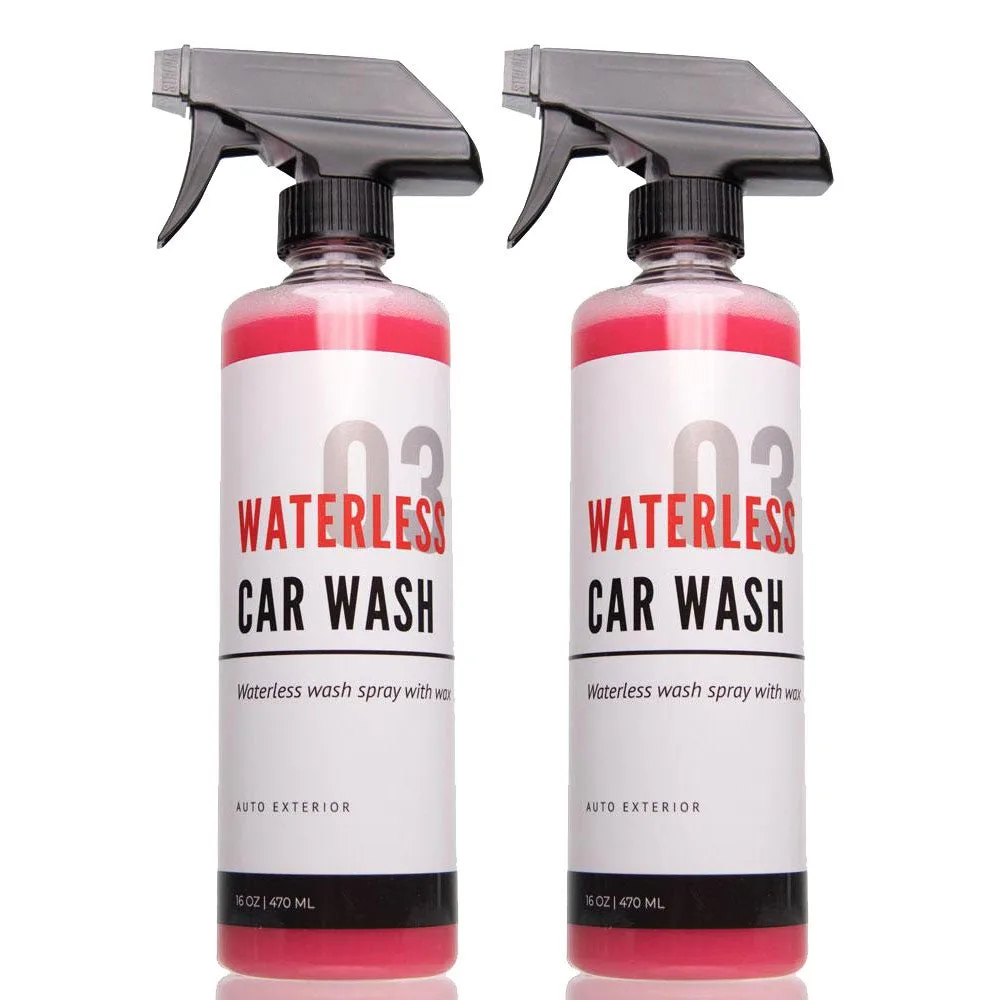
For electric vehicles, waterless wash avoids risking water in charging ports. For off-roaders, traditional wash handles caked-on mud better.
The Best Tools for Dust Removal (And What to Avoid)
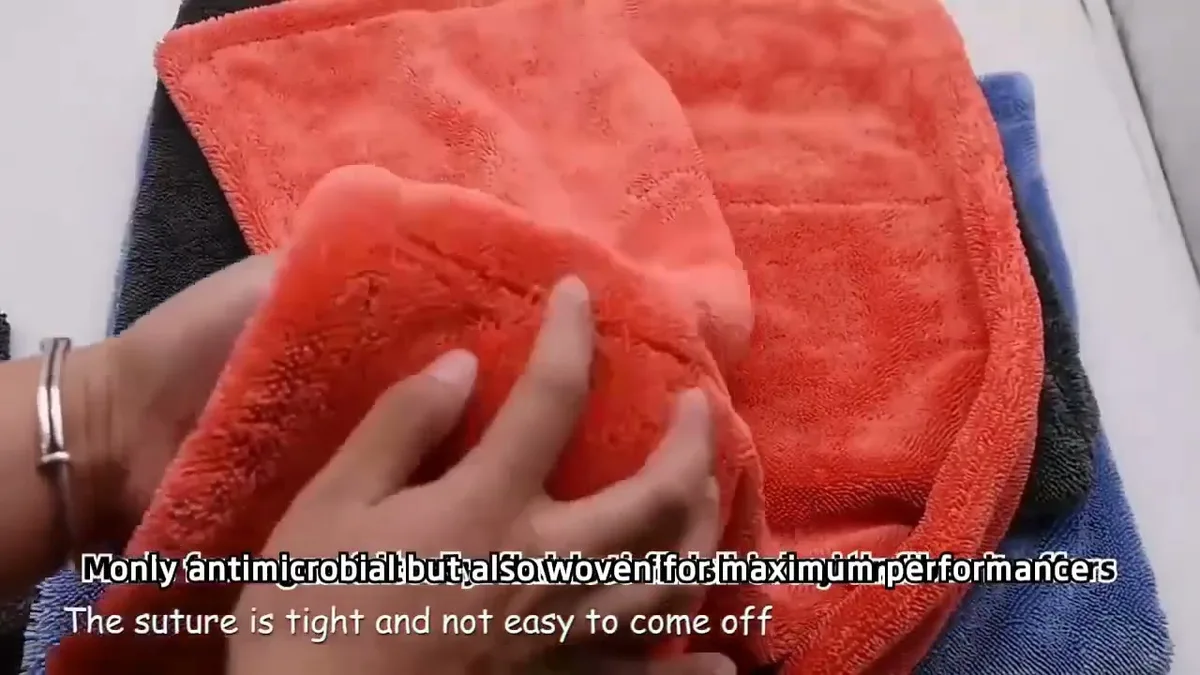
High-GSM microfiber cloths are the safest for dust. Look for 400+ GSM for plush, lint-free cleaning.
Avoid household towels or paper towels. They contain fibers that can scratch paint.
Compressed air works for hard-to-reach areas like grilles and vents. Use low PSI to avoid blowing dust into other crevices.
Common Mistakes That Ruin Your Paint While “Cleaning”
Washing in direct sunlight causes water spots. The heat dries soap too quickly, leaving mineral deposits.
Using dish soap strips wax and sealants. It’s too harsh for automotive finishes.
Drying with a dirty towel re-deposits dust. Always use a clean, dedicated drying towel.
How Often Should You Really Wash Your Car?
Weekly washing is ideal for most climates. It prevents dust buildup and maintains protection.
In dry, dusty areas, wash every 5, 7 days. Pollen-heavy seasons may require extra attention.
For garage-kept cars, a monthly wash may suffice. But even stored cars collect dust that needs removal.
Pro Tips to Keep Dust Off Longer
Wax or sealant adds a protective layer that repels dust. Carnauba wax lasts 1, 3 months, while synthetic sealants can last 6 months or more.
Ceramic coatings offer the longest protection, up to 2+ years. They create a hydrophobic surface that makes dust easier to rinse off.
Park in a garage or under a carport when possible. This reduces exposure to environmental dust and pollen.
Wax, Sealants, and Ceramic Coatings: What’s Worth It?
Wax is the easiest to apply and gives a deep shine. It’s best for those who enjoy regular maintenance.
Sealants are more durable and often include UV protection. They’re ideal for daily drivers who want long-lasting results.
Ceramic coatings are the most expensive but offer the best protection. They’re worth it for high-end or show cars.
Parking Smarter to Reduce Dust Buildup
Avoid parking under trees. They drop sap, pollen, and bird droppings that attract dust.
Face your car away from prevailing winds. This reduces the amount of dust that settles on the front end.
Use a car cover if parking outside for extended periods. It keeps dust and debris off the paint.
Special Cases: Matte Paint, Vinyl Wraps, and Electric Cars
Matte paint requires pH-neutral cleaners and microfiber cloths. Never use wax or polish, as they can create glossy spots.
Vinyl wraps need gentle cleaning with a mild soap solution. Avoid abrasive tools that can damage the wrap.
Electric cars should avoid high-pressure washers near charging ports. Waterless wash is a safer alternative.
FAQs About Dust Removal from Car Exteriors
Can I use a leaf blower to remove dust from my car?
Yes, a leaf blower on low setting can remove loose dust. Keep the nozzle 12, 18 inches away to avoid damaging paint.
How do I remove dust without scratching my car?
Use a high-GSM microfiber cloth or a waterless wash spray. Always lift dust rather than dragging it across the surface.
Is it safe to wash my car in the sun?
No, washing in direct sunlight causes water spots. The heat dries soap too quickly, leaving mineral deposits.
How often should I clay bar my car?
Clay bar every 3, 6 months for most cars. Use it more often if you drive in high-dust areas or notice roughness.
What’s the best way to dry my car without water spots?
Use a clean, plush microfiber drying towel. Blot the surface rather than dragging the towel to prevent streaks.