Black Friday deals are live on Amazon · limited-time discounts, grab them before they’re gone
Grab the deals

ByMax Lee
Can I Wash the Car With Dish Soap? The Shocking Truth
Yes, you can wash a car with dish soap in an emergency—but you generally should not use it as your regular car shampoo.
Dish soap is formulated to cut through cooking grease on plates, not to safely lubricate automotive paint while lifting road grit. A single wash is unlikely to ruin a healthy clear coat, but repeated use can remove waxes and sealants, leave trim looking dry, and increase the chance of fine scratches when the wrong washing technique is used. You can also read our guide on how to do a car wash for fundraising.
The best everyday choice is a pH-balanced automotive shampoo designed for painted surfaces. Here is when dish soap is acceptable, what it can affect, and how to wash your car safely.
Credit: www.cheapism.com
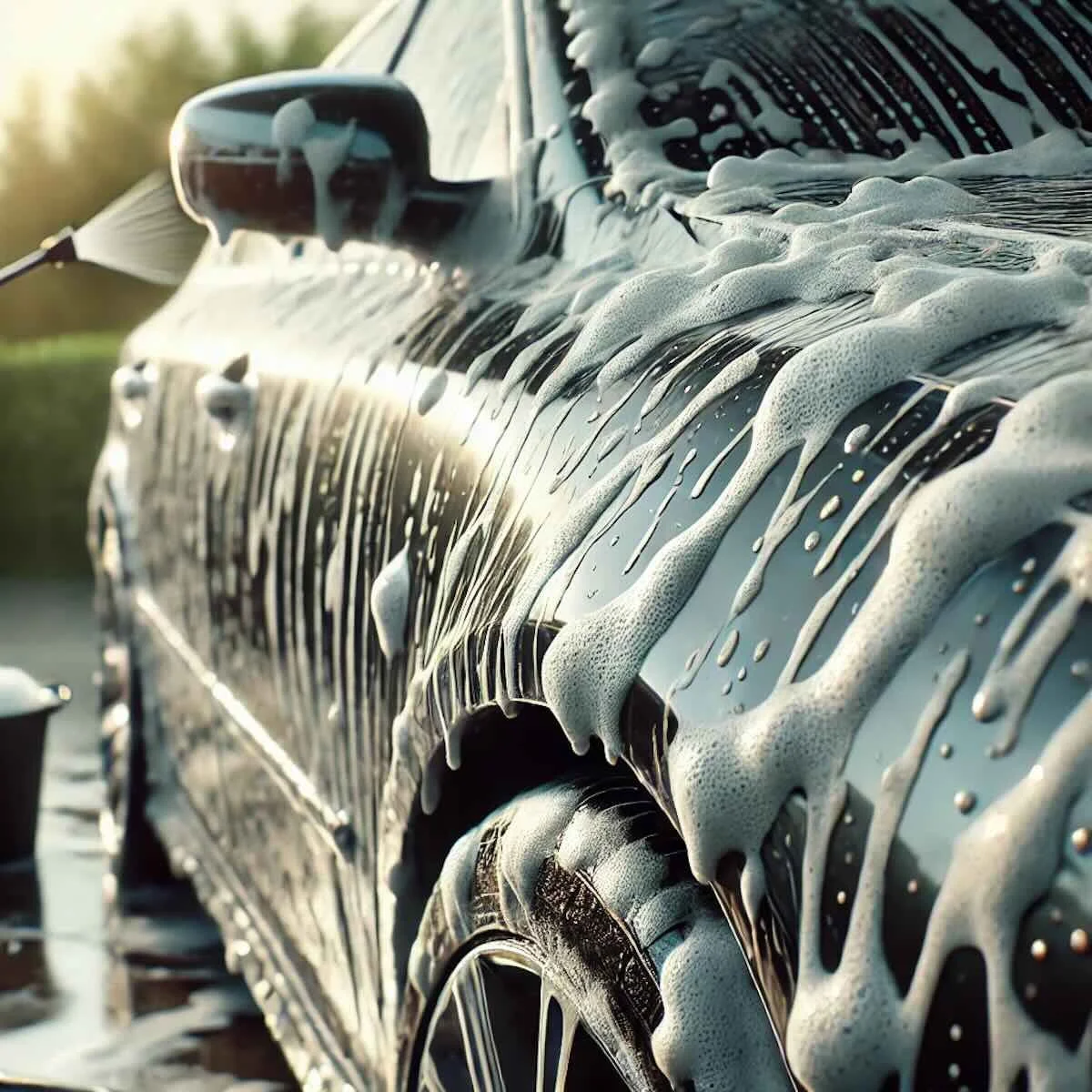
Dish soap may create plenty of foam, but foam alone does not guarantee paint-safe cleaning.
What Dish Soap Is Designed to Do
Dishwashing liquid is made to dissolve food oils, grease, and residue from hard kitchen surfaces. Its surfactants surround oily particles so they can be suspended in water and rinsed away. You can also read our guide on is dish soap good for washing cars.
That strong degreasing action is useful on dishes but less desirable on a vehicle. Automotive paint is protected by a clear coat and often by an additional layer of wax, paint sealant, or ceramic coating. A car shampoo is typically formulated to:
- Provide lubrication between the wash mitt and the paint
- Lift and suspend road dirt without aggressively stripping protection
- Rinse clean with minimal residue
- Work safely around exterior plastics, rubber, and trim
- Match the needs of modern clear coats and coated surfaces
Dish soap may be inexpensive and convenient, but its cleaning power is aimed at grease removal rather than paint protection. In practice, the washing method matters as much as the product: a dirty sponge can create more damage than the soap itself.
Is Dish Soap Bad for Car Paint?
Dish soap is not an instant paint destroyer. Using it once will not normally make automotive paint peel, crack, or rust. Modern factory paint systems are more durable than that. You can also read our guide on can i wash my car with dawn dish soap.
The concern is repeated use. Dish soap can remove or weaken surface protection such as:
- Natural or synthetic wax
- Paint sealants
- Some spray-applied protectants
- Oils and dressing left on exterior trim
Once that protection is gone, water may stop beading, contaminants can stick more easily, and the finish may lose some of its gloss. Dish soap does not usually damage a sound clear coat directly, but it is not the best product for preserving the layers applied over it.
It also has less purpose-built lubricity than a quality car shampoo. If dirt remains on the paint and the wash mitt is dragged across it, the resulting friction can create swirls and fine scratches. This is especially noticeable on black or dark-colored vehicles; using a gentler wash routine helps reduce that risk.
What dish soap usually does not do
A common exaggeration is that dish soap immediately causes rust, peeling paint, or permanent clear-coat failure. Those problems are more commonly associated with existing paint damage, neglected corrosion, harsh chemicals, abrasion, UV exposure, or trapped moisture.
Dish soap can remove protection, but it does not magically expose bare metal on an otherwise intact vehicle after one wash. If paint is already chipped or bubbling, the underlying defect—not an occasional wash—is the main rust risk.
What Happens to Wax, Sealants, and Ceramic Coatings?
The effect depends on the protection currently on the vehicle.
| Surface protection | Likely result of dish soap |
|---|---|
| No wax or sealant | Cleans the surface, but offers no protection benefit |
| Carnauba or synthetic wax | May noticeably reduce durability and water beading |
| Paint sealant | Can shorten its useful life, especially with repeated washing |
| Ceramic coating | Usually does not remove a properly cured coating in one wash, but is unnecessary and may leave residue |
| Vinyl wrap or paint protection film | Follow the material maker’s cleaning instructions instead |
“Wax-safe” car shampoo is the safer choice when you want to preserve existing protection. If the vehicle has a ceramic coating, use the coating manufacturer’s recommended wash product rather than assuming that extra foam or degreasing power is better. A professional detailing association such as the International Detailing Association also emphasizes process, surface compatibility, and safe cleaning practices—not simply how much a product foams.
Can Dish Soap Damage Rubber, Plastic, or Trim?
Repeated exposure to strong degreasers may leave unprotected rubber and textured plastic looking dull or dry. Door seals, wiper components, exterior trim, and tire sidewalls can all age from sunlight, heat, ozone, and contamination, so dish soap is only one possible contributor.
The bigger problem is often residue. If dish soap is not rinsed completely, it can leave a film or streaking on:
- Black plastic trim
- Gloss-black exterior panels
- Rubber seals
- Chrome and brightwork
- Windshield edges and mirrors
Do not use dish soap inside the cabin, on leather, or on delicate instrument-panel surfaces. Interior materials need cleaners made for vinyl, leather, fabric, or coated plastics.
When Is Using Dish Soap Acceptable?
Dish soap is reasonable as a one-time emergency cleaner when you have no automotive shampoo and the vehicle needs washing immediately. It may also help remove a small, greasy contaminant from a localized area, although a dedicated automotive degreaser is usually more appropriate.
Use it cautiously when:
- The car is not freshly waxed or coated
- The contamination is greasy rather than ordinary dust
- You can rinse the surface thoroughly
- You will not scrub dry or use a rough sponge
- You plan to restore protection afterward
Avoid it when the vehicle has a delicate aftermarket finish, fresh detailing work, matte paint, vinyl graphics, or a coating with specific maintenance instructions. The product maker’s instructions should take priority.
If you have already used dish soap, do not panic. Rinse the car well, dry it with a clean microfiber towel, inspect for streaks, and apply a compatible spray wax or sealant if the surface needs renewed protection.
Dish Soap vs. Automotive Car Shampoo
| Feature | Dish soap | Automotive shampoo |
|---|---|---|
| Main purpose | Removing food grease | Cleaning vehicle dirt and road film |
| Paint protection | Can reduce wax or sealant protection | Usually formulated to preserve it |
| Lubricity | Varies and is not paint-focused | Designed for safer mitt movement |
| Trim compatibility | Not optimized for vehicle materials | Generally tested for exterior surfaces |
| Best use | Occasional emergency or spot degreasing | Routine exterior washing |
| Cost | Usually cheaper per bottle | Affordable when used at the correct dilution |
The important distinction is not that dish soap is “toxic” to paint. It is that automotive shampoo is engineered for the combination of paint, grit, water, and repeated contact that occurs during a car wash. Even simple car-wash soap guidance is preferable to guessing at household cleaners.
How to Wash a Car Safely
A careful process protects the finish regardless of which suitable shampoo you use.
1. Choose the right conditions
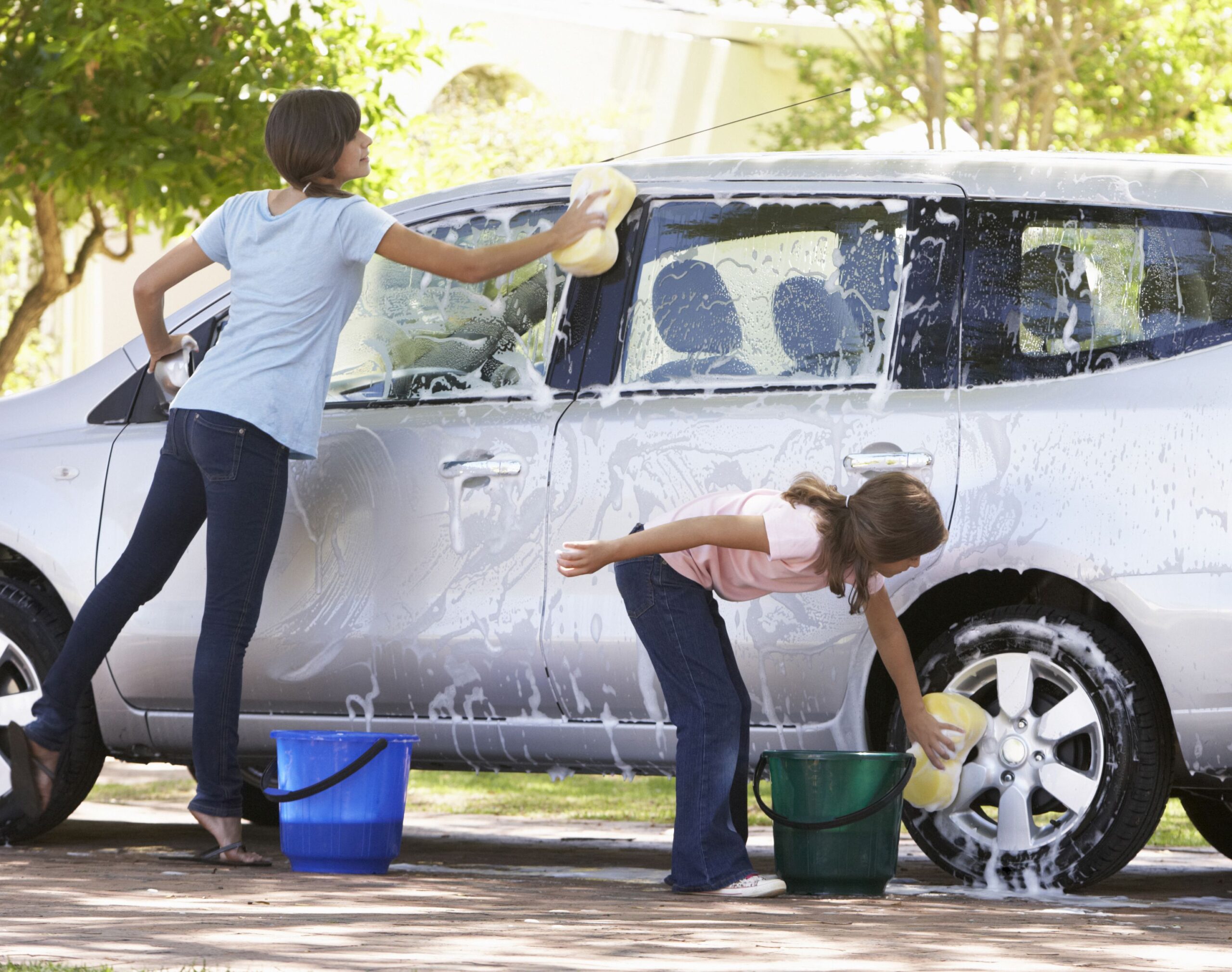
Wash in the shade when the panels are cool. Direct sun can dry water and soap before you rinse, leaving mineral spots and streaks. Do not wash during high winds, when airborne dust can settle on wet paint.
Park on a surface where dirty runoff will not splash back onto the lower panels. Keep all towels, mitts, and buckets clean before starting.
2. Rinse loose grit first
Use a hose or pressure washer to remove loose sand, dust, and mud. Start at the roof and work downward. Do not hold a pressure nozzle close to damaged paint, rubber seals, badges, or stone chips.
This pre-rinse reduces the amount of abrasive material that the wash mitt must touch.
3. Use two buckets if possible
Use one bucket for diluted car shampoo and another for rinsing the mitt. A grit guard can help keep heavier particles at the bottom of the rinse bucket. The two-bucket washing method is especially useful on dark paint or heavily soiled vehicles.
Never use the same sponge for the paint and the wheels. Brake dust can contain abrasive particles that may scratch clear coat.
4. Wash from top to bottom
Clean the least dirty surfaces first:
- Roof
- Windows
- Hood and trunk
- Upper doors and fenders
- Lower doors and bumpers
- Wheels and tires last
Work in small sections. Use straight, light passes rather than pressing hard or making circular scrubbing motions. Rinse the mitt frequently, particularly after cleaning lower panels.
5. Rinse before the soap dries
Rinse each section as you finish it. If the water is hard or the weather is warm, do not allow suds to dry on the paint. Dried minerals can create spots that require polishing or a dedicated water-spot treatment.
6. Dry with clean microfiber towels
Use a clean, soft, high-absorption microfiber drying towel. Blot or gently glide it across the surface; do not use an old bath towel, paper towel, or abrasive chamois.
A blower can help remove water from mirrors, grilles, emblems, and door handles before final towel drying. For larger equipment, use only clean, dry air; a properly sized air supply for vehicle work can be useful for crevices, but it is not a substitute for safe washing.
7. Restore protection when needed
After an emergency dish-soap wash, inspect the finish. If water no longer beads and the surface feels unprotected, apply a compatible spray sealant or wax according to its label.
Do not apply wax over a dirty or wet residue-covered surface. If the paint feels rough after washing, use an appropriate decontamination process rather than rubbing harder.
Common Car-Washing Mistakes to Avoid
Even the right soap can produce poor results when the technique is careless. Avoid these frequent mistakes:
- Washing with one dirty sponge for the entire vehicle
- Scrubbing bird droppings or road film while dry
- Using household bleach, glass cleaner, or ammonia on paint
- Letting soap dry in direct sunlight
- Washing wheels with the same mitt used on the body
- Using a brush with stiff, contaminated bristles
- Reusing a microfiber towel that was dropped on the ground
- Spraying high-pressure water directly into seals or damaged trim
- Washing immediately after applying a coating or fresh paint without checking cure instructions
- Relying on foam alone to remove bonded contamination
If the car is heavily muddy, rinse more than once before touching the paint. For routine maintenance, a touchless wash can reduce contact, although it may not remove every bonded contaminant. The best approach for a coated vehicle depends on the coating’s care requirements; compare that with guidance on touchless wash safety.
How Often Should You Wash Your Car?
There is no universal schedule because driving conditions vary. A vehicle exposed to road salt, coastal air, construction dust, pollen, or frequent rain may need more frequent rinsing than a garaged weekend car.
Wash when contamination accumulates rather than waiting for a thick film to form. Bird droppings, tree sap, bug residue, and road salt deserve prompt attention because they can be more harmful than the occasional use of an imperfect soap.
For a normal daily driver:
- Rinse promptly after heavy mud or salty-road exposure
- Wash when visible road film builds up
- Clean bird droppings and insects as soon as practical
- Inspect and renew wax or sealant according to that product’s instructions
- Keep wheels and wheel arches from accumulating abrasive brake dust
Regular gentle washing is better than infrequent aggressive scrubbing.
Frequently Asked Questions
Can I wash my car with dish soap once?
Yes, one emergency wash is unlikely to cause permanent paint damage. Rinse thoroughly, dry with clean microfiber, and consider applying a compatible wax or sealant afterward. Do not make dish soap your routine shampoo.
Does dish soap remove car wax?
It can reduce or shorten the life of wax and some sealants, particularly when used repeatedly or at a strong concentration. The exact effect depends on the soap, dilution, wax, and condition of the surface.
Will dish soap ruin clear coat?
Normally, no—not from a single properly rinsed wash. The greater risks are loss of surface protection, residue, and scratches caused by poor technique or contaminated washing tools.
Can I use dish soap on car windows?
It may clean exterior glass, but it can leave streaks or residue if not rinsed completely. Use a glass cleaner or automotive shampoo for more predictable results, and keep products away from interior screens and sensitive dashboard surfaces.
Can I use dish soap on tires?
It can remove some surface grime, but a dedicated tire cleaner is easier to control and better suited to tire materials. Never apply a glossy tire dressing to the tread; keep treatments on the sidewall and follow the label.
Is dish soap safe for a ceramic-coated car?
A single wash may not destroy a properly cured ceramic coating, but dish soap is still not the preferred maintenance product. Use the coating manufacturer’s recommended shampoo and drying method.
What should I use if I have no car soap?
Rinse the vehicle with water and wait until you can obtain automotive shampoo if the car is only lightly dirty. If you must wash it, use a small amount of mild dish soap in plenty of water, minimize contact, rinse exceptionally well, and restore protection afterward.
Final Verdict: Can I Wash the Car With Dish Soap?
You can wash a car with dish soap occasionally, but it is not the best long-term choice. Its grease-cutting formula may remove wax and sealant protection, leave residue on trim, and provide less paint-focused lubrication than automotive shampoo.
For routine care, use a pH-balanced car wash product, a clean microfiber mitt, separate wheel tools, plenty of rinse water, and a shade-based washing process. Save dish soap for a genuine emergency or a carefully controlled spot-cleaning task—not your regular car-wash bucket.
For a cleaner finish with less risk of scratches and lost protection, switch to automotive shampoo before your next wash.
If you need a lower-contact option for a delicate finish, compare it with soft-touch wash precautions.








