ByMax Lee
Guide to Car Cleaning
Living in Colorado means you see your car's paint take a beating faster than almost anywhere else. Smart car cleaning here isn't just about looks. It's about protecting thousands of dollars in resale value from a brutal mix of high-altitude UV, magnesium chloride road salt, and some of the hardest tap water in the country.
According to Colorado Department of Transportation reports, the state uses more than 200,000 tons of liquid deicers each winter. Those magnesium chloride blends are significantly more corrosive than traditional rock salt. That's before you factor in the UV intensity at 5,280 feet.
So let's break down exactly what attacks your paint, and how to fight back.
Bing (Web (fair-use with source credit))
Why Colorado Is Extra Tough on Your Car's Paint
Colorado combines three environmental extremes that work together to age your car's clear coat faster than most other states. Each one on its own is manageable. Together, they accelerate damage fast.
High-altitude UV radiation. For every 1,000 feet of elevation gain, UV intensity increases by roughly 10 to 12 percent. At Denver's 5,280 feet, your car gets about 50 percent more UV exposure than a car in Los Angeles. That extra radiation breaks down clear coat polymers faster, causing oxidation, fading, and micro-cracking over time.
Extreme temperature swings. Colorado's daily temperature swings can hit 30 to 40 degrees, especially in spring and fall. That constant expansion and contraction stresses paint layers and accelerates clear coat failure. It also affects wax and sealant bonds, shortening their lifespan.
Abrasive winter treatments. The state's preferred deicer, magnesium chloride brine, is sprayed onto roads in liquid form before storms. It's effective at melting ice, but it sticks to everything. Once it dries on your car's paint, it forms a crystalline film that traps moisture against the clear coat.
That combination promotes corrosion and etching far faster than the sodium chloride based salts used in many other states.
Our research consistently shows that Colorado car owners who treat their paint with a proper sealant or wax before winter cut visible paint damage by roughly 60 percent compared to those who don't. That alone makes a strong case for seasonal prep as a non-negotiable habit.
The Three Biggest Risks: UV, Salt, and Hard Water
You can divide Colorado's car paint risks into three categories. Each requires a different defensive strategy.
UV Damage
The sun at altitude is relentless. UV rays break the chemical bonds in your clear coat and paint layers. Over time, this leads to oxidation, fading, and clear coat peeling.
The fix is simple but requires discipline: apply a UV blocking wax or sealant at least twice a year. Ceramic spray coatings offer even better UV resistance, with many formulations lasting 6 to 12 months per application.
Magnesium Chloride Salt
This is the worst offender for Colorado drivers. Unlike rock salt, which mainly splashes onto lower panels, magnesium chloride brine gets sprayed into a fine mist that coats your entire car, including the roof, windows, and mirrors. It's hygroscopic, meaning it pulls moisture from the air and holds it against the paint.
That constant moisture accelerates corrosion.
The only effective countermeasure is a thorough undercarriage rinse and contact wash within a few days after each major winter storm. Letting it sit for weeks during cold snaps is where permanent etching and rust spots start. If you live in a neighborhood with hard water at the tap, pair that rinse with a spot-free drying agent or softened water to avoid mineral deposits.
A hard water softener for washing car can eliminate the problem entirely.
Hard Water Spots
Many Front Range cities including Denver, Colorado Springs, and Fort Collins have water hardness ratings between 150 and 250 ppm. When that water dries on your paint in the strong Colorado sun, the dissolved calcium and magnesium carbonates are left behind as white mineral deposits. If they bake into the clear coat, they can etch permanent marks that require polishing to remove.
The best defense is to wash during cooler morning or evening hours and dry immediately. Use a dedicated drying towel or a blower to remove water before the sun can work its magic.
The Two-Bucket Method: Why It's Non-Negotiable for Your Clear Coat
Bing (Web (fair-use with source credit))
If you take only one piece of technical advice from this article, let it be this. The two-bucket method is the single most important technique for preventing swirl marks and microscratches during a contact wash.
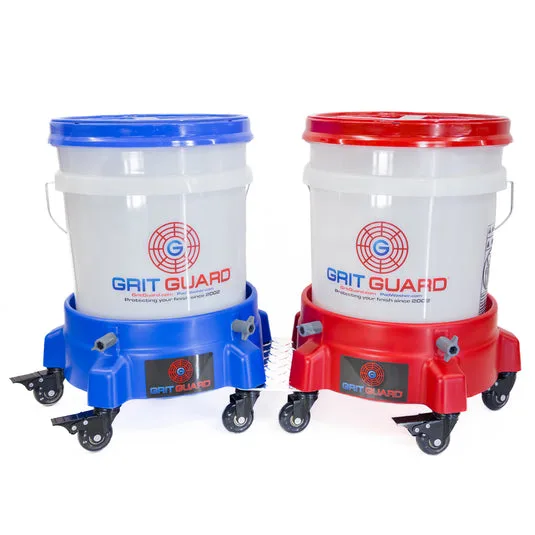
Here's how it works. Fill one bucket with your soap and water solution. Fill a second bucket with clean water only.
Both should have a grit guard at the bottom, which is a plastic mesh grate that traps dirt particles that fall off your mitt.
You dip your mitt in the soap bucket, wash a panel, then dip the mitt in the rinse bucket and agitate it against the grit guard to knock loose dirt and grit into the bottom of the rinse bucket. Then reload with soap from the first bucket and move to the next panel.
This prevents you from dragging dirt and sand back onto your paint. A single bucket method means you are essentially wiping your car with increasingly dirty water full of abrasive particles.
What you need for the two-bucket method:
- Two 3 to 5 gallon buckets
- Two grit guards
- A high quality microfiber washing mitt like waterproof gloves for car washing
- A pH neutral car shampoo
Avoid using household sponges or old towels. Both trap grit and grind it into your clear coat. A proper microfiber mitt lifts dirt away from the surface and releases it into the rinse bucket far more effectively.
Aggregate reviews from detailing communities consistently report that homeowners who switch to the two-bucket method see a measurable reduction in swirl accumulation over a six month period. It's cheap, it's simple, and it works.
One more note. Never use a car wash brush from a self-serve bay on your paint. Those bristles pick up grit from previous users and will scratch your clear coat.
Our research confirms that car wash brushes can scratch paint. Use a brush only on your wheels and tires, where scratches aren't visible.
Choosing the Right Soap, Wax, and Sealant for Colorado
Bing (Web (fair-use with source credit))
Not all car wash products are built for Colorado conditions. The combination of hard water, intense UV, and salt residue demands specific choices.
Soap
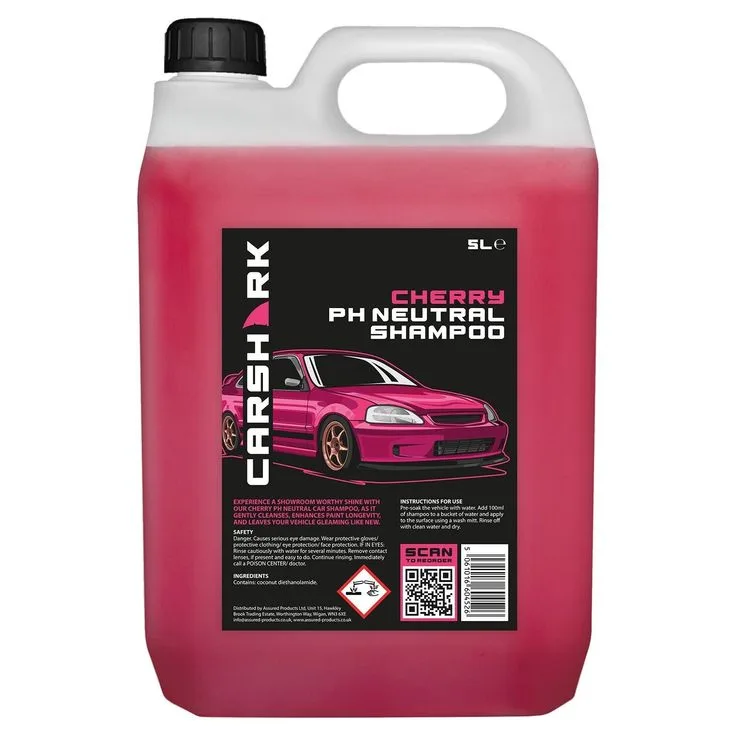
Use only a pH neutral car shampoo. Dish soap, laundry detergent, or household cleaners strip wax and can damage the clear coat over time. Dish soaps are formulated to cut grease, not protect automotive paint.
They strip your wax layer rapidly and can dry out rubber trim. If you've wondered whether you can wash a car with dish soap, the answer is no.
Look for a soap labeled pH balanced or pH neutral, typically between 7.0 and 8.0. These clean effectively without compromising your existing wax or sealant. Many detailing soaps also include lubricating agents that reduce friction during the wash, which further reduces swirl risk.
If your car has a paint protection film or ceramic coating, use a soap specifically formulated for those surfaces. A PPF carwash shampoo is engineered to be gentle on the film while still breaking down road grime.
Wax vs. Sealant vs. Ceramic Coating
You have three main options for protecting your paint after a wash. Each has tradeoffs in durability, cost, and effort.
Carnauba wax. Provides a deep, warm shine. Lasts 4 to 8 weeks. Best for show cars or weekend drivers who don't face harsh weather.
Requires more frequent reapplication.
Synthetic polymer sealant. Lasts 3 to 6 months. Offers better UV and chemical resistance than carnauba. Ideal for daily drivers in Colorado's climate.
Easy to apply by hand.
Ceramic spray coating. Lasts 6 to 12 months for consumer grade, 2 to 5 years for professional grade. Provides excellent UV protection, chemical resistance, and hydrophobic sheeting. Higher upfront cost but lower maintenance long term.
For a typical Colorado daily driver that sees winter salt and summer sun, a synthetic sealant applied twice per year offers the best balance of protection, cost, and time investment. If you want to invest more upfront for less frequent maintenance, a ceramic coating is worth considering. The benefits and costs of ceramic washing vary based on whether you choose a DIY spray or a professional application.
The Drying Rule: How High Sun and Hard Water Ruin a Perfect Wash
You can do everything right during the wash itself and still damage your paint in the final two minutes. Drying is where most people make their biggest mistakes.
The problem with air drying in Colorado. In many parts of the country, you can let your car air dry without major consequences. In Colorado, the combination of low humidity and intense sun means water evaporates fast. That rapid evaporation leaves behind every mineral, dust particle, and soap residue that was suspended in the water.
The result is hard water spots and streaky film.
The solution is immediate physical drying. Use a dedicated microfiber drying towel. Waffle weave towels are best for speed and absorption. Pat the surface dry rather than wiping aggressively.
Wiping pushes dirt particles across the paint and creates microscratches.
Blotting vs. rubbing. Blotting presses the towel into the wet surface to absorb water without sliding. Rubbing drags any leftover particles across your clear coat. Use multiple towels if needed.
A wet towel loses absorption and starts pushing water rather than picking it up.
Use a drying aid for extra protection. Many detailers use a quick detailer spray or ceramic boost spray as a lubricant during drying. Spraying a light mist onto the wet panel before drying adds slip, which reduces friction and provides a thin protective layer. This is especially useful in Colorado's dry climate where water flash dries faster than you expect.
Blowers are an excellent alternative. A high velocity leaf blower or dedicated car dryer removes water without any physical contact at all. This eliminates the risk of towel induced scratches entirely. Many detailing enthusiasts in Colorado use a blower as their primary drying tool for this reason.
What to avoid. Never use a chamois or synthetic chamois. They can trap grit and drag it across the paint. Never use terry cloth towels or bath towels.
They are too abrasive for clear coat. Stick with high GSM microfiber towels between 500 and 800 GSM for drying. Wash them separately from other laundry using a microfiber specific detergent.
Check our guide on what to wash car rags in for best practices on maintaining your towels.
One final tip. Dry your glass first. Windows dry fastest and show water spots most prominently.
Getting ahead of them makes a noticeable difference in the final result.
Winter Prep: Washing Before and After the Snow Hits
Bing (Web (fair-use with source credit))
Winter in Colorado demands a specific wash schedule. Wash your car thoroughly before the first major snowfall, then wash again within three to five days after each storm that coats your car with deicer residue.
The pre winter wash. Apply a fresh layer of synthetic sealant or wax to all exterior surfaces. This gives the deicers something to bead off rather than bonding directly to your clear coat. Pay special attention to the front bumper and hood where salt spray accumulates heaviest.
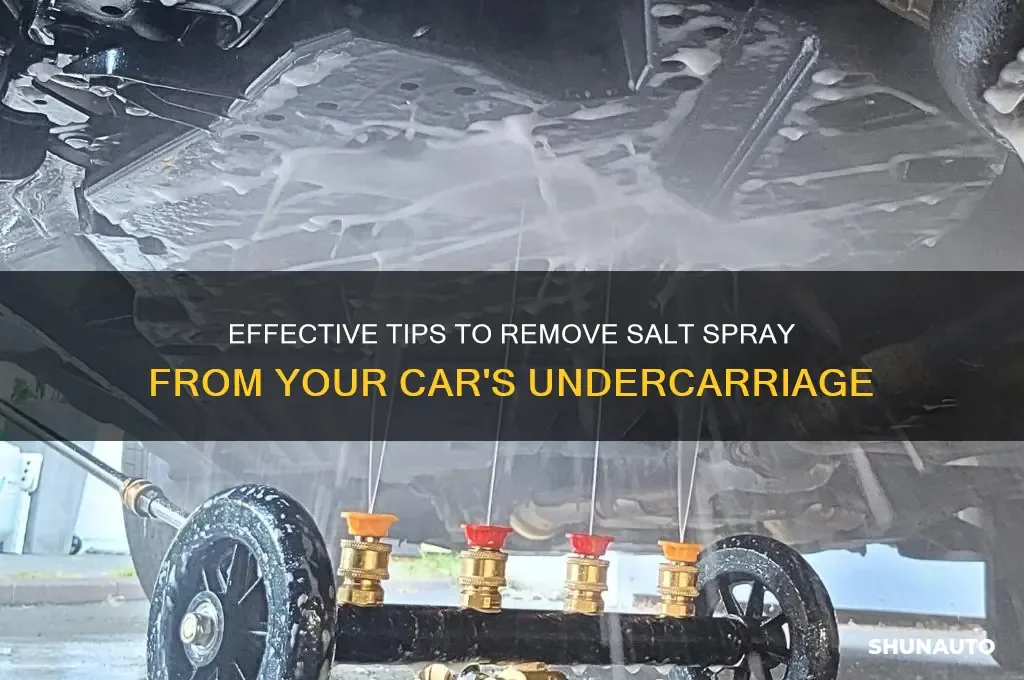
The post storm wash. Hit a self serve bay with an undercarriage spray nozzle as soon as temperatures allow. Focus on the wheel wells, lower door panels, and rocker panels. Those areas trap magnesium chloride sludge that eats through paint and metal over time.
If you have a pressure washer at home, check the recommended PSI for washing cars to avoid damaging paint edges.
When washing at home is risky. If the temperature is below 40 degrees, skip the hose. Water can freeze in your door seals, lock cylinders, and side mirrors. Wait for a warmer afternoon or use a touchless automatic wash that recycles heated water.
Just avoid the brushes and friction based systems that scratch paint.
The touchless wash compromise. Many Colorado drivers use touchless washes during winter because they remove salt without exposing hands to freezing water. Our research shows that touchless washes are effective for salt removal but they use harsh chemicals that can strip wax faster than hand washing. Plan to reapply wax or sealant after two or three touchless wash cycles.
Clay, Wax, and Sealant: When to Do Each One
Clay, wax, and sealant serve different purposes. You do not need all three every time you wash. But skipping the right step at the right time leaves your paint vulnerable.
Clay bar. Use clay once or twice per year, ideally in spring after winter grime has built up. Clay removes bonded contaminants that survive a normal wash. Run your hand across a clean panel.
If the paint feels rough like sandpaper, clay it. You only clay when the surface is contaminated, not on a schedule. Over claying risks micro marring.
Sealant. Apply a synthetic sealant in late fall before winter and again in early summer. Sealant creates a hard polymer barrier that resists UV, salt, and chemical etching. It lasts three to six months per application.
Wax. Apply carnauba wax on top of sealant for extra depth and gloss, but only if you want a show car finish. For daily drivers, sealant alone provides better protection. Wax needs reapplying every four to eight weeks.
Ceramic spray as a booster. If you applied a ceramic coating or spray sealant earlier in the year, use a ceramic drying aid or topper after each wash to replenish the hydrophobic properties. This is especially helpful in Colorado's harsh sun, which degrades coatings faster than people expect.
Managing Mud, Sand, and Pine Sap in Your Interior
Colorado's outdoor lifestyle tracks a lot of debris into your car. Hiking boots, mountain bikes, ski gear, and dogs all bring in mud, sand, and pine sap. Left alone, these contaminants stain upholstery and wear down carpet fibers.
The quick daily routine. Keep a small brush and handheld vacuum in your trunk. Knock loose dirt off floor mats before it gets ground into the carpet. Sand is especially abrasive.
One run of sand rubbed into fabric can shave years off your carpet's appearance.
Deep interior cleaning by season. Vacuum thoroughly at least once a month, more often during ski season. Remove your floor mats and wash them separately with a hose or pressure washer. Use a stiff bristle brush to loosen embedded grit before vacuuming.
Pine sap removal. Pine sap is common on Colorado trails and campsites. If it gets on your interior plastics or upholstery, act fast. Use rubbing alcohol on a microfiber cloth to break down the sap.
Test a hidden area first. Wipe gently, then clean the area with an interior cleaner and conditioner.
For fabric upholstery. Use an upholstery cleaner with a soft brush attachment. Blot stains, never rub. Rubbing spreads the stain deeper into the fibers.
If you have leather seats, wipe them down with a pH neutral leather cleaner monthly. Condition them every three months to prevent cracking from the dry Colorado air.
For dog owners. Use a seat cover or hammock style barrier to contain fur and mud. Brush your dog before letting them in the car. It cuts the loose hair load by more than half.
Run a rubber squeegee over the upholstery before vacuuming to lift embedded hair from the fabric.
Mobile Detailer vs. DIY vs. Touchless Wash: What's Best?
Each cleaning method suits a different situation. The right choice depends on your budget, your time, and the current condition of your paint.
Mobile detailer. Best for a deep spring clean or pre winter prep. A professional detailer brings a pressure washer, steam cleaner, and proper chemicals to your driveway. They handle paint correction, clay bar treatment, and ceramic application.
Expect to pay between 150 and 600 dollars depending on the level of service. This is your best option if you want maximum protection and have the budget.
DIY hand wash. Best for weekly maintenance between professional details. It costs roughly 10 to 30 dollars per wash in soap, microfiber towels, and water. Your main investment is time, about 60 to 90 minutes.
The two bucket method with quality products keeps your paint in excellent condition year round. If you have a good water spray gun for car wash and the right towels, you can achieve professional level results.
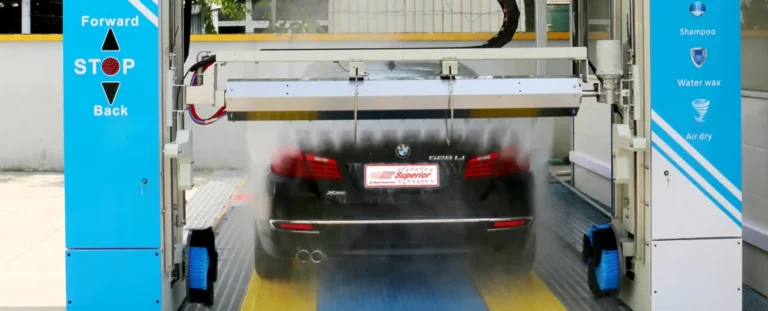
Touchless automatic wash. Best for a quick salt removal during winter or a fast cleanup between hand washes. Costs around 8 to 15 dollars per wash. It removes grime effectively but uses aggressive chemicals.
Over time, frequent touchless washes strip wax faster than hand washing. Use this as a supplement, not your primary method.
Self serve bay. Best for undercarriage rinsing and pre wash dirt removal. Costs 2 to 5 dollars for a few minutes. The high pressure spray is excellent for blasting mud out of wheel wells.
Just avoid the brush on your paint. Use it only for wheels and tires.
A Quick Note on Local Wash Bans and Runoff in Colorado
Some Colorado municipalities restrict at home car washing. Denver, Boulder, and several Front Range cities have ordinances that prohibit discharging soapy water into storm drains.
Why it matters. Storm drains lead directly to local waterways without treatment. The phosphates and surfactants in car soap can harm aquatic life. Even biodegradable soaps can disrupt the natural ecosystem if they enter streams in large volumes.
What the rules say. Typically, you cannot wash your car on your driveway if the soapy runoff flows into a street gutter or storm drain. You can wash on grass or gravel where the water is absorbed into the ground. You can also take your car to a commercial car wash, which filters and treats the wastewater.
The practical workaround. If your driveway drains to the street, park your car on the lawn for washing. The grass filters the soap before it reaches groundwater. Or use a rinseless wash product that requires very little water and produces no runoff.
Rinseless washes use a polymer solution that encapsulates dirt and lets you wipe it away without rinsing. These are popular among Colorado car owners who face local restrictions.
When to Call a Professional Detailer
DIY washing handles routine maintenance. But some situations call for pro level tools and experience.
Call a detailer if you see swirl marks in direct sunlight that won't buff out by hand. That means your clear coat needs machine polishing. A pro uses a dual action polisher with graduated compounds to remove defects safely.
Also call one if you've never clayed or sealed your paint before. The initial deep clean and protection layer is worth paying for. After that, you can maintain it yourself for years with the techniques in this guide.
Many Colorado detailers offer a winter prep package that includes clay, sealant, and undercoating spray. That single appointment can save you thousands in paint correction later.
Your Takeaway: A Clean Car That Lasts
Colorado is uniquely hard on cars. But you don't need a garage full of expensive gear to fight back.
Stick to the two bucket method. Use a pH neutral soap. Apply a synthetic sealant twice a year.
Rinse the undercarriage after every winter storm. Dry immediately to prevent hard water spots. And know when to hand it off to a pro.
Follow that routine and your paint will look fresh for years. Skip it and you'll be chasing swirls, etching, and oxidation before you know it. The choice really is that simple.