ByMax Lee
What to Wash Car Rags in (2026) — Beginner-Friendly Guide
You drop good money on microfiber towels, only to watch them turn into greasy, linty rags after a handful of washes. That’s frustrating, and it’s almost always because of what you’re washing them in. If you’ve ever wondered what to wash car rags in, the answer depends on two things: what the rag is made of and what’s stuck on it.
Get either wrong, and you’re shortening the towel’s life and risking scratches on your paint.
Manufacturer care instructions for microfiber detailing towels consistently warn against fabric softener, it coats the fibers and cuts absorbency by up to 40%. As of 2026, that’s still the number one mistake detailers see. The good news?
Once you understand a few simple rules, washing car rags becomes a five-minute routine that keeps your towels soft, fluffy, and ready for the next job.
Bing (Web (fair-use with source credit))
Problem / Why Your Car Rags Get Ruined Fast
Car rags don’t wear out from use. They wear out from bad washing habits.
The biggest culprit is fabric softener. You use it on your clothes because it makes them feel nice. On microfiber, it’s a disaster.
The softener leaves a waxy coating that clogs the split fibers, making them unable to trap dirt. The towel stops absorbing water. It starts smearing polish instead of buffing it smooth.
One wash with softener can cut a towel’s life in half.
Hot water is another problem. Microfiber is plastic, polyester and polyamide. Crank the water above 140°F and those fibers can melt and fuse.
You don’t see it happen, but the towel becomes stiff and less effective. Cotton rags handle heat better but shrink and lose absorbency over time.
Then there’s regular laundry detergent. Most brands contain dyes, fragrances, and optical brighteners. Those additives leave a residue that transfers to your car’s paint.
You wipe a clean rag on a black panel and suddenly you’re chasing streaks. That’s not the rag’s fault. It’s what you washed it in.
If you need a quick primer on the right soap for the whole car, not just the rags, check out our guide on make my own car wash soap for a breakdown of ingredients that won’t leave residues.
Quick Answer / The One Rule That Changes Everything
Wash your car rags with a dedicated microfiber detergent or a free-and-clear laundry detergent. No softener. No bleach.
No dryer sheets.
Use cold or warm water, never hot. Machine wash on a gentle cycle. Add an extra rinse cycle to flush out any leftover soap.
Dry on low heat or air-dry. High heat melts microfiber.
That’s the core rule. If you follow nothing else, this keeps your towels working. For more specialized needs, like rags used on ceramic-coated cars, our article on washing a car with ceramic coating pressure washer has you covered.
Core Decision: What Kind of Rag Are You Washing?
Before you choose a wash method, know the fabric. The wrong treatment for the wrong rag is like using sandpaper on a wax job.
Microfiber vs. Cotton vs. Wash Mitts
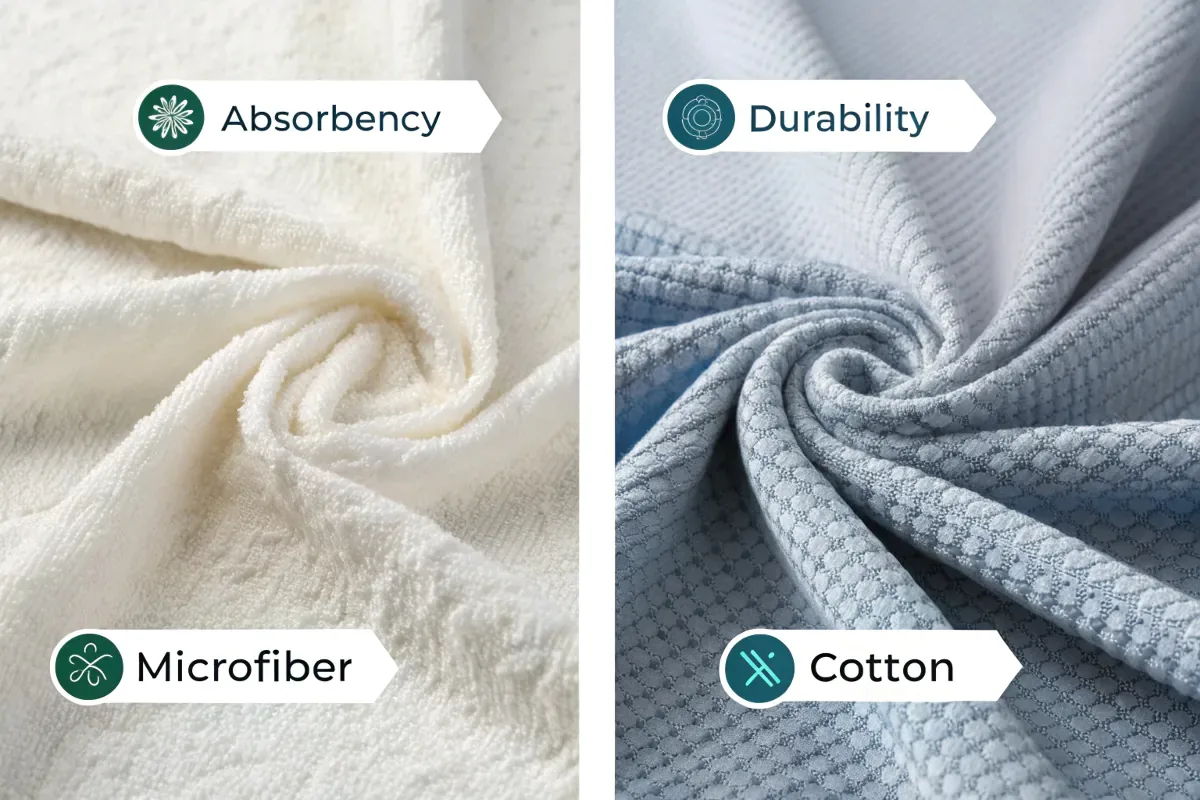
Microfiber towels are the standard for modern detailing. They’re made from split polyester and polyamide fibers that trap dirt in the gaps. They need delicate handling: cold water, no softener, low heat.
Cotton terry cloth is cheaper and more forgiving. You can wash it in warmer water and use regular detergent (still skip softener and bleach). Cotton sheds lint more than microfiber, so it’s better for wheels and dirty jobs, not final wipe-downs.
Wash mitts are usually microfiber or chenille. Treat them like microfiber, gentle wash, air-dry. The shape traps dirt, so rinse them thoroughly before washing.
A quick reference:
| Rag Type | Max Water Temp | Softener allowed? | Best Detergent |
|---|---|---|---|
| Microfiber | 140°F (60°C) | No | Dedicated microfiber or free-and-clear |
| Cotton terry | 160°F (70°C) | No (still avoid) | Free-and-clear or regular (no dyes) |
| Chenille mitt | 140°F (60°C) | No | Dedicated microfiber |
If you’re still using cotton rags for your paint, consider switching. Our post on manual cleaning equipment using in car wash covers the best tools for a contact wash.
Bing (Web (fair-use with source credit))
The Real Condition That Decides Your Wash Method: What’s On the Rag?
This is where the decision tree starts. The dirt and chemicals on your rag determine what wash solution you need. Washing an oil-soaked rag with a mild detergent is like rinsing a butter pan with water, it won’t cut the grease.
Wax & Polish Residue
Wax and polish are stubborn. They contain oils, silicones, and abrasives that bond to the fibers. A normal wash won’t remove them.
You need a detergent strong enough to break the wax, but gentle enough to not damage the rag.
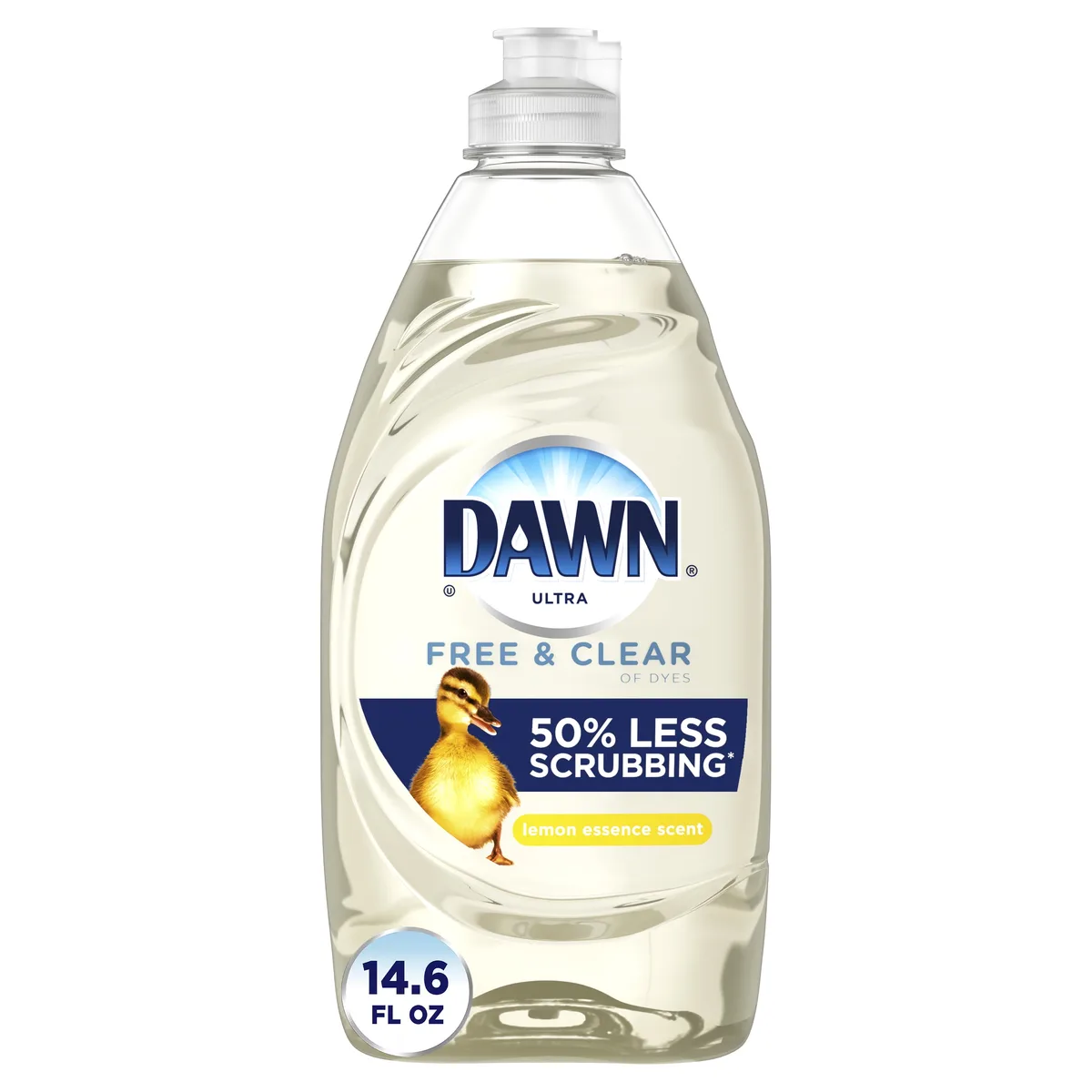
Dish soap is the go-to here. It’s a degreaser that cuts through wax better than laundry detergent. Use a dedicated microfiber wash if you want a safer option for expensive towels.
Heavy Grease & Wheel Grime
Wheel rags are the nastiest. They pick up brake dust, tire shine, road grime, and sometimes oil. These rags are often cotton because they get thrown away sooner.
If you’re washing them at all, use hot water (cotton only) and a heavy-duty detergent like dish soap or a free-and-clear laundry detergent with an extra rinse. Microfiber wheel rags should be washed separately from paint towels, cross‑contamination is real.
General Dust & Light Dirt
These are your “safe” rags. They’ve only touched clean paint after a wash, or they’ve been used for drying. A gentle cycle with free-and-clear detergent is plenty.
No special soaking needed.
For more on the right pre‑wash steps, read our guide on pre car wash spray to keep dirt off your towels in the first place.
Decision Tree: Choose Your Wash Solution
Now you match the residue to the soap. Here’s the logic.
Branch 1 – Dedicated Microfiber Detergent
Best for: All microfiber rags, especially those used for wax removal or polishing. These detergents are pH-balanced and won’t leave residue. They also contain enzymes that break down wax.
Use it every time if you have expensive towels. Cost is higher, but towel life doubles.
Branch 2 – Free & Clear Laundry Detergent
Best for: Lightly soiled rags and cotton terry. Avoid brands with dyes or fragrances. Look for “free and clear” on the label.
Works well for drying towels and dust rags.
Cheaper than dedicated wash, but not strong enough for heavy wax.
Branch 3 – Dish Soap (for Stubborn Wax)
Best for: Rags caked with wax, polish, or heavy grease. Use a grease-cutting dish soap (like the original blue kind). Hand-wash in a sink with warm water.
Rinse thoroughly.
Dish soap is harsh on microfiber. Limit this to once every five washes. For an alternative, see our article on cleaning car with joy dish washing liquid, it covers the do’s and don’ts.
Branch 4 – Vinegar or Rubbing Alcohol Soak
Best for: Rags with dried wax or residue that won’t come out. Soak for 30 minutes in a mix of one part distilled white vinegar to three parts warm water. Or use rubbing alcohol straight for 10 minutes.
This is a reset. Use it only when rags feel stiff or waxy after a normal wash.
Bing (Web (fair-use with source credit))
The decision table makes it easy:
| Residue Type | Best Wash Solution | Method | Rinse extra? |
|---|---|---|---|
| Wax / polish | Dedicated microfiber detergent or dish soap | Machine or hand wash | Yes |
| Heavy grease / wheel grime | Dish soap (for cotton), dedicated wash (for microfiber) | Hand wash first, then machine | Yes — two extra rinses |
| Light dust / drying | Free-and-clear detergent | Machine gentle cycle | One extra rinse |
Now that you know what to wash car rags in based on their makeup and grime, the next step is the actual process, water temperature, cycle settings, and drying, which we’ll walk through next.
Step-by-Step Washing Process (Machine & Hand)
You have the right detergent. Now you need the right process. The steps are slightly different depending on whether you use a machine or a sink, but the goal is the same: remove all contaminants without damaging the fibers.
Pre-Wash Prep: Shake, Sort, Soak
Start by taking every rag outside and shaking it out. You would be surprised how much loose dirt and grit stays trapped. That grit will grind into the fibers during washing and cause micro-tears.
Sort your rags by residue type. Keep wax rags separate from grease rags. Keep microfiber separate from cotton.
Never wash paint towels with wheel rags. Cross-contamination is a one-way ticket to swirl marks.
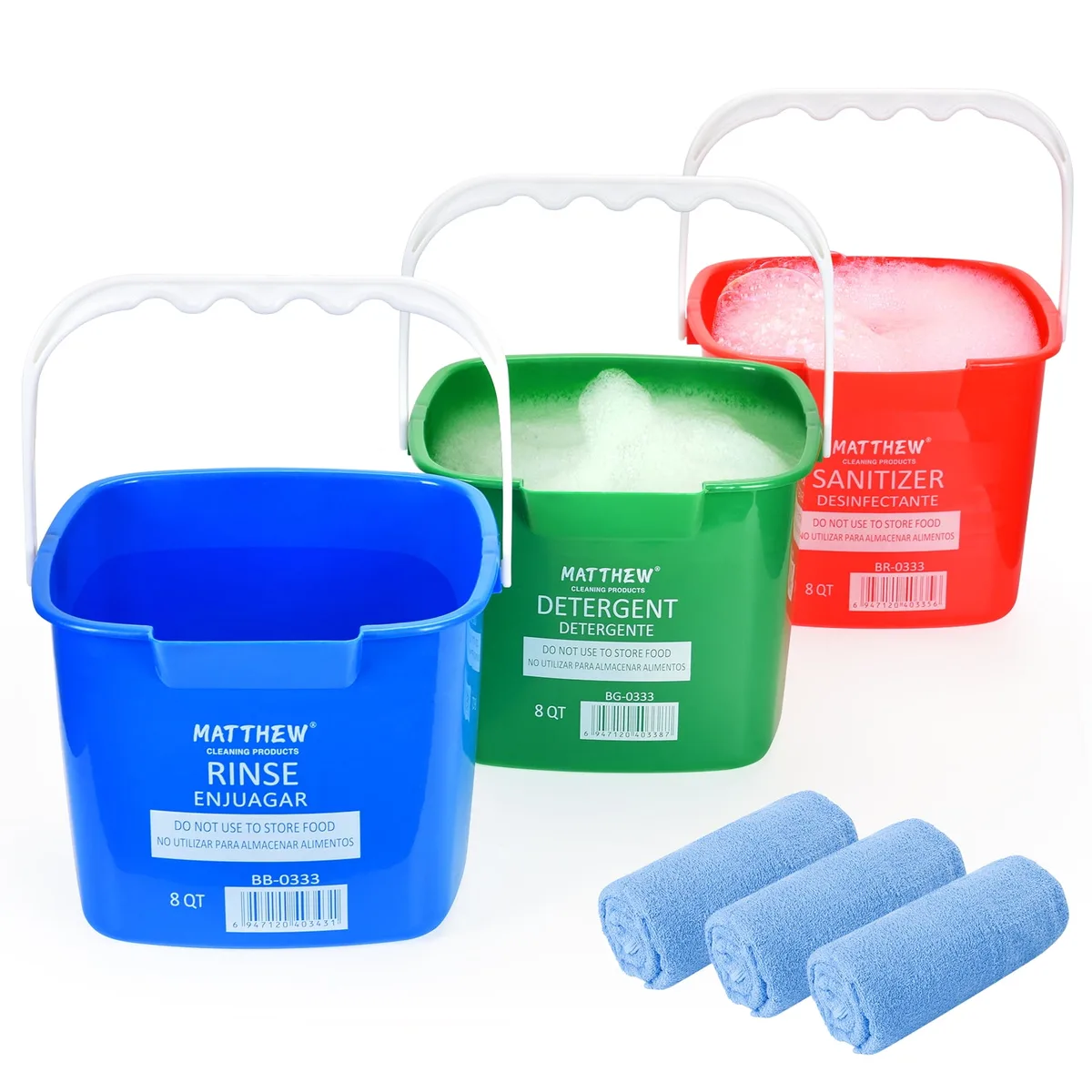
For heavy wax or polish residue, do a pre-soak. Fill a bucket with warm water and add a capful of your chosen detergent. Submerge the rags and let them sit for 20 to 30 minutes.
This loosens the wax so the wash cycle can finish the job.
If you are hand-washing particularly dirty rags, our guide on heavy equipment wash soap covers the kind of heavy-duty cleaning that works for greasy rags without damaging them.
Machine Wash Settings That Save Your Towels
A front-loading machine is ideal because it uses less water and is gentler on fabrics. But a top-loader works fine if you use the right settings.
Set the cycle to “Gentle” or “Delicate.” Use cold or warm water. Never go above 140°F for microfiber. Add an extra rinse cycle.
This is non-negotiable for wax and polish rags. Detergent residue left in the towel will smear on your next detail.
Do not overload the machine. Microfiber needs room to agitate. Stuffing in 20 towels means they won’t rinse clean.
Stick to 10 to 15 medium towels per load.
Never wash your car rags with household laundry. Lint from cotton clothes transfers to microfiber and ruins its ability to trap dirt. The same goes for dryer sheets in the same load.
Hand-Washing When You’re Short on Rags
Hand-washing is fine for a small batch. Fill a clean sink or bucket with warm water and add detergent. Agitate the rags by hand for two to three minutes.
Focus on the dirtiest areas. Rinse thoroughly under running water until the water runs clear. Squeeze out excess water gently.
Do not wring microfiber. Twisting the fibers damages their structure.
For wax-heavy rags, repeat the wash cycle with fresh water and a little more detergent. Then follow with a clear water rinse.
Bing (Web (fair-use with source credit))
Drying Without Damage: Air vs. Low Heat
Drying is where most people make their second biggest mistake. The first is fabric softener. The second is high heat.
Microfiber is a blend of polyester and polyamide. Both are plastics. High heat causes them to warp and melt.
You will not see the damage immediately, but the towel becomes stiff and loses absorbency. Over time, it stops working entirely.
Air-drying is the safest option. Hang the rags on a drying rack or a clothesline. Keep them out of direct sunlight to prevent UV damage.
They will take several hours to dry fully, but the towels last longer.
If you use a dryer, set it to “Low” or “No Heat.” Never use high heat. Add a dryer ball or a clean tennis ball to fluff the fibers. Do not use dryer sheets.
They coat the fibers just like liquid fabric softener.
Cotton terry can handle medium heat, but low is still better. Cotton shrinks, and high heat accelerates that.
Common Washing Mistakes That Scratch Paint Later
You wash your rags. They look clean. You use them on your paint.
Suddenly you see fine scratches. The culprit is almost always something you did in the wash.
Here are the most common mistakes that lead to paint damage.
- Washing with household laundry. Lint from cotton clothes embeds in microfiber. That lint acts like fine sandpaper on clear coat.
- Using fabric softener. This coats fibers and makes them smear dirt instead of trapping it. The smeared dirt scratches.
- Overloading the machine. Dense packs of towels don’t rinse properly. Detergent residue dries into crystals that scratch.
- Skipping the extra rinse. Wax residue stays in the towel. Next time you buff, you are grinding wax particles into the paint.
- Drying on high heat. Melted fibers become hard and abrasive. They scratch like fine-grit sandpaper.
- Mixing residue types. A rag used for tire shine should never touch paint. Even after washing, trace oils can transfer.
The fix for all these is simple: wash rags separately, use the right detergent, rinse extra, and dry low. Your paint will thank you.
How Often Should You Wash Car Rags?
The short answer is after every use. Never let dirty rags sit. Dirt and chemicals harden over time and become much harder to remove.
If you detail a car and used five towels, wash all five immediately. Do not toss them in a pile for later. Wax and polish contain solvents that can degrade the fibers if left to dry.
For drying towels and glass towels that only touched clean surfaces, you can sometimes go two uses before washing. But inspect them first. If you see a spot or a streak, wash.
A good rule of thumb is to wash your entire rag stash once a week if you detail regularly. If you only wash your car once a month, wash the rags right after that single wash. Letting them sit in a dirty pile is the fastest way to ruin them.
Quick Reference: Best Wash Method by Rag Type & Residue
This table puts everything together. Use it as a cheat sheet before your next wash.
| Rag Type | Common Residue | Best Wash Solution | Water Temp | Drying Method |
|---|---|---|---|---|
| Microfiber paint towel | Wax, polish, light dust | Dedicated microfiber detergent | Cold or warm (max 140°F) | Air-dry or low heat |
| Microfiber drying towel | Water spots, light dirt | Free-and-clear laundry detergent | Cold | Air-dry |
| Microfiber wheel towel | Brake dust, tire shine, grease | Dish soap for heavy grease; dedicated wash for light | Warm (hand wash first) | Air-dry |
| Cotton terry wax rag | Heavy wax, polish, compound | Dish soap or free-and-clear with extra rinse | Warm to hot (max 160°F) | Low or medium heat |
| Cotton terry general rag | Light dirt, water | Free-and-clear laundry detergent | Warm | Low heat |
| Chenille wash mitt | Dirt, soap residue | Dedicated microfiber detergent | Cold or warm (max 140°F) | Air-dry |
Keep this chart handy. It takes the guesswork out of washing and keeps your rags in top shape for longer.
FAQs: What About Bleach, Softener, or Hot Water?
Can I use bleach to whiten my car rags?
No. Bleach destroys microfiber fibers. It eats away at the polyamide core.
The towel becomes weak and falls apart. Stick to dedicated microfiber detergent or free-and-clear options.
What if I accidentally used fabric softener once?
Don’t panic. One wash with softener isn’t fatal. The fibers are coated but not permanently damaged.
Wash the towels again with a dedicated microfiber detergent and skip the softener. Add an extra rinse cycle. They should recover.
Is hot water ever okay for microfiber?
Only if you stay under 140°F. Most household hot water heaters are set around 120°F, which is safe. But if you crank it to “hot” on your machine, you risk hitting 150°F or higher.
That melts the fibers. Stick to warm or cold for microfiber.
Can I wash car rags with vinegar instead of detergent?
Vinegar works as a soak for wax residue but not as a standalone detergent. It lacks the cleaning enzymes needed to break down oils and dirt. Use it for pre-soaking, then wash normally.
How do I get a musty smell out of my rags?
Musty smell means bacteria or mildew. Wash with hot water (if cotton) or warm water (if microfiber) and add a cup of white vinegar to the rinse cycle. Dry immediately and thoroughly.
Never leave wet rags in a pile.
Why do my microfiber towels still leave streaks after washing?
Streaks usually mean detergent residue or wax still trapped in the fibers. Run them through another wash with extra rinse. If that doesn’t fix it, try a vinegar soak.
For stubborn cases, a dish soap wash can strip everything out.
Final Cheat Sheet / Your Go-To Decision Guide
Here is the shortest version of everything we covered. Bookmark it or save it to your phone.
- Know your rag. Microfiber needs gentle care. Cotton can take more heat.
- Know your residue. Light dirt needs free-and-clear detergent. Wax needs dedicated wash or dish soap. Grease needs dish soap and a pre-soak.
- Wash immediately. Don’t let dirty rags sit. Wash after every use.
- Use cold or warm water. Never hot for microfiber. Never above 160°F for cotton.
- No softener, no bleach, no dryer sheets. These three ruin towels faster than anything.
- Add an extra rinse cycle. This clears out the residue that causes streaks and scratches.
- Dry on low or air-dry. High heat melts microfiber and shrinks cotton.
- Wash separately. Keep paint towels away from wheel towels. Keep microfiber away from cotton.
If you stick to these rules, your rags will last through dozens of washes. They will stay soft, absorbent, and safe for your paint. For more on keeping your entire wash routine in top shape, check out our guide on car shampoo for ppf to pair the right soap with the right towels.