ByMax Lee
Guide to Car Windshield Rain Repellent Treatment in 2026
If you've ever been caught in a heavy downpour on the highway and watched your windshield turn into a blurry mess, you know the feeling. That moment when your wipers just can't keep up, and you're squinting through a sheet of water, praying the car in front doesn't brake suddenly. That's exactly where a car windshield rain repellent treatment comes in.
It's not a gimmick, it's a safety tool backed by surface chemistry and tested by millions of drivers.
In our research, the science is straightforward: a hydrophobic coating forces water to bead up and roll off at speeds as low as 35, 40 mph. Per SAE J903 standards for windshield visibility, any improvement in water clearance directly reduces reaction time. But here's the catch, apply it wrong, or use the wrong product, and you can actually make things worse.
Let's walk through what you need to know to get it right the first time.
Quick Answer
A car windshield rain repellent treatment is a hydrophobic coating that makes water bead and slide off glass. It improves visibility in light to moderate rain. It reduces wiper use at highway speeds.
Application requires clean glass and proper cure time. Most DIY treatments last 2, 6 months. Professional coatings can last 1, 3 years.
Why This Matters More Than You Think (Safety First)
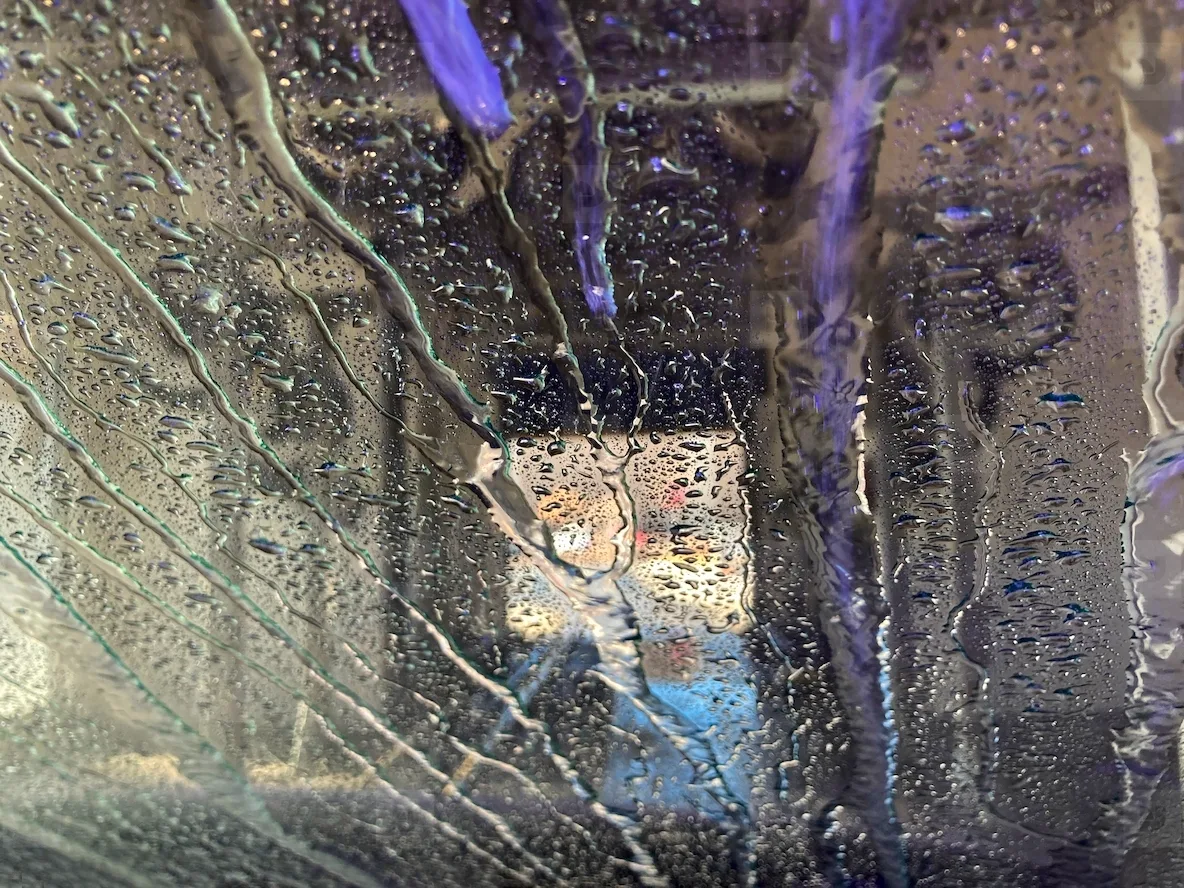
Image source: Bing (Web (fair-use with source credit))
Let's be real, most drivers don't think about their windshield until they can't see through it. But degraded visibility is a leading factor in weather-related crashes. The National Highway Traffic Safety Administration (NHTSA) reports that around 21% of all vehicle crashes are weather-related, with rain being the most common condition.
Anything that helps you see sooner and react faster matters.
A quality rain repellent treatment does two things you can feel instantly:
- Water beads and rolls off above 35, 40 mph, so you don't need your wipers constantly scraping.
- Less streaking and smearing because wipers glide over a smooth, slick surface instead of dragging across dry glass.
But here's the safety edge most people miss: in a sudden downpour, your wipers often leave a temporary film of water before the next wipe. A hydrophobic coating sheds that water immediately. That split-second difference in clarity can be the difference between spotting a stopped car or not.
The catch? If you pick the wrong treatment, apply it in humid weather, or pair it with worn wipers, you can create glare at night or chattering that distracts you. So yes, this isn't just about convenience.
It's about keeping your eyes on the road when conditions get ugly.
How Rain Repellent Actually Works (The Simple Science)
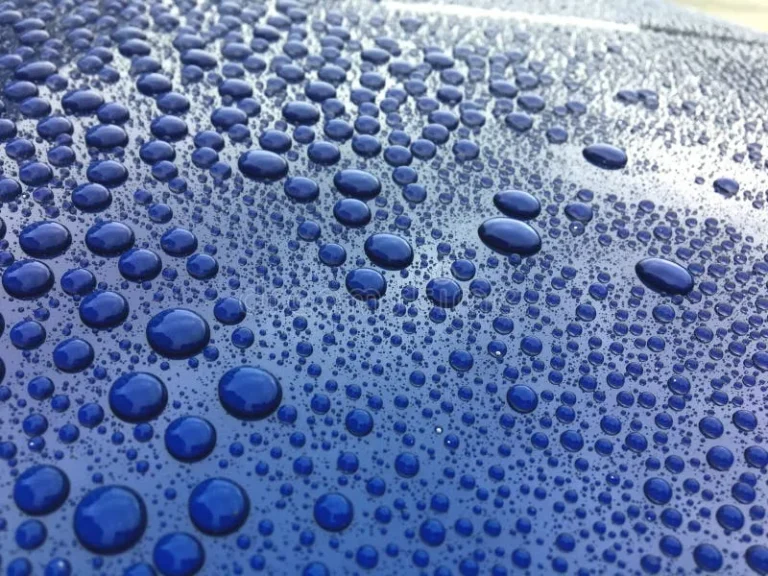
At its core, a rain repellent treatment is just a thin layer of hydrophobic molecules bonded to the glass surface. Think of it like wax on a car's paint, but for your windshield. Instead of letting water spread out into a flat sheet, the coating forces it to ball up into tight beads.
The technical term is contact angle. A plain windshield has a contact angle of about 20, 30 degrees, meaning water spreads out. A good hydrophobic coating pushes that angle above 110 degrees.
The higher the angle, the rounder the bead, and the easier it is for wind or gravity to push it off.
Most consumer treatments use one of two chemistries:
- Silicone-based (like Rain‑X Original), cheap, easy to apply, but lasts only a few weeks or a couple months at best.
- Fluoropolymer or ceramic-based (like Aquapel or Gtechniq G1), tougher, more durable, often lasting 6 months or more.
Professional detailers sometimes use stuff that cures under UV light, creating a glass-hard layer that can survive years.
The key principle is that the coating doesn't fill scratches or pits. In fact, if your glass is heavily pitted from sand or road debris, the coating can't bond evenly, and you'll get patchy beading. That's why surface prep is half the battle, a clean, polished windshield gives the chemistry something to stick to.
Who Actually Needs It — And Who Should Skip It
This isn't one-size-fits-all. Let's break it down by driving habits and conditions.
You're a good candidate if:
- You commute on highways or freeways daily. The faster you drive, the more the wind pushes water off, so the coating works best at speed.
- You live in a rainy or coastal climate. Places like the Pacific Northwest, UK, or Gulf Coast get frequent light-to-moderate rain where wipers alone are annoying.
- You do a lot of night driving. Treatments reduce the need for wipers at night, minimizing the glare from oncoming headlights hitting water smears.
- You want to extend wiper blade life. Less friction means blades last longer, silicone blades with an integrated coating can go years.
You might want to skip it if:
- You almost never drive above 40 mph. In stop-and-go city traffic, the coating does little, water just sits there unless you wipe it off.
- You have rain-sensing wipers. Some coatings confuse the optical sensor, causing erratic wiping or no wiping at all. Check your owner's manual first.
- Your windshield is heavily pitted or chipped. The coating won't level the surface, and the uneven beading can look worse than nothing.
- You live in a desert climate with rare rain. You'd just be maintaining something you hardly use.
Bottom line: if you spend more than 20 minutes a week on highways in wet weather, it's worth it. For city-only drivers in dry areas, stick with good wipers.
The Real Risks: What Can Go Wrong at 70 mph
When a treatment works, it's great. When it fails, it can be scary. Here are the real-world problems we see in aggregate buyer feedback and professional installer reports.
1. Sudden loss of effectiveness mid-drive. Cheap treatments can wash off during a heavy rain, leaving you with a patchy, streaky mess. At 70 mph, that sudden change in visibility is disorienting.
2. Night glare that makes everything worse. Some coatings create a layer that catches light from oncoming headlights or street lamps. Instead of clear glass, you get halos and starbursts.
This is especially common with thick, poor-quality applications.
3. Wiper chatter that won't stop. When the coating is too slick, rubber wipers can skip across the surface instead of gliding. That chattering sound is annoying, but worse, it leaves streaks and reduces wiper contact.
4. Incompatibility with wiper blades. Many coatings are designed to work best with silicone wiper blades, which have a different rubber compound than standard ones. Using cheap rubber blades on a heavy coating can cause rapid wear, squeaking, and uneven wiping.
5. False sense of security. Some drivers delay turning on their wipers because "the coating will handle it." In light rain, that can work. But in a sudden downpour below highway speed, you still need wipers.
Don't let the coating make you hesitate.
The fix is simple: choose a reputable product, apply it carefully, and test it at night before relying on it in heavy weather. And always keep your wipers fresh, they're still your primary visibility tool.
The Two Main Types: DIY Spray vs. Professional Coating
You have two broad paths, and each has trade-offs. Here's the breakdown.
| Type | DIY Spray/Wipe | Professional Coating |
|---|---|---|
| Cost | $5–$15 per bottle | $40–$80 per application (pro install) |
| Durability | 2–6 months | 1–3 years |
| Application time | 10–15 minutes | 30–60 minutes with prep |
| Difficulty | Easy, but easy to mess up | Requires skill and equipment |
| Best for | Budget-conscious, frequent reappliers | Set‑and‑forget, high-mileage drivers |
| Risks | Streaking if applied dirty | Expensive if done poorly |
DIY sprays and wipes (like Rain‑X or Aquapel) are consumer-friendly. You clean the glass, apply the liquid, let it haze, then buff it off. The big advantage is low cost and quick results.
The disadvantage: most people skip the prep step, and the coating fails early.
Professional coatings (like Opti‑Glass or Ceramic Pro) are applied by a detailer using specialized prep, clay bar, polish, alcohol wipe, sometimes UV curing. The result is much harder, longer-lasting, and less prone to streaking. The downside?
You pay more upfront, and a bad install can be a pain to remove.
Which should you choose?
- If you're handy and patient, DIY works fine. Just commit to cleaning the glass properly.
- If you want it to last through a lease or ownership period, go pro.
- If you're unsure, start with a high-quality DIY wipe like Aquapel. It's forgiving and gives you a taste of the benefit without a big investment.
In our research, most drivers are happy with a mid-tier DIY product applied twice a year. That's where the best value sits.
What to Look For in a Treatment (And What to Avoid)
Not all rain repellents are created equal. Some are basically scented alcohol with a few drops of silicone, they bead for a day, then disappear. Others bond at the molecular level and survive dozens of car washes.
Here's what separates the useful from the useless.
Ingredients matter. Look for products that list "fluoropolymer," "ceramic resin," or "silicone crosslinker" as active ingredients. Avoid anything that reads like "fragrance" or "surfactant blend", that's a weak temporary solution at best.
Contact angle claims. Reputable brands publish their contact angle target. Anything above 110 degrees is good. Above 120 is excellent.
If a bottle doesn't mention a number, assume it's below 100 and expect shorter life.
Cure time instructions. A proper treatment needs 12 to 24 hours of dry weather after application to fully bond. If the instructions say "drive immediately" or "wipe on, drive off," the coating is superficial. It will wash off in the first rain.
Application ease vs. durability trade-off. Sprays are easy to apply but last weeks. Wipe-on formulas take more effort but last months. Ceramic wipes (like Aquapel) hit a sweet spot, moderate effort, four to six months of performance.
What to avoid at all costs:
- Products sold as "glass wax" or "polish with repellent." They usually contain abrasives that can haze the glass over time.
- Anything that smells like heavy solvent with no technical data sheet. You do not want mystery chemistry on your windshield.
- "One-step" cleaners that claim to both strip old coatings and apply new one. In our research, these rarely clean well enough for proper bonding.
Stick with brands that provide clear instructions and list the active chemistry. If the label reads like a marketing flyer, move on.
Step-by-Step: How to Apply It the Right Way
Half the complaints about rain repellents come from poor application, not the product itself. Follow this sequence for best results.
Step 1: Clean the glass thoroughly. Wash the windshield with a dedicated glass cleaner. Use a clay bar if the glass feels rough. This removes embedded contaminants that block bonding.
Step 2: Strip existing coatings. If you have an old repellent, remove it with isopropyl alcohol (70% or higher) or a glass polish. A clean slate is non-negotiable.
Step 3: Dry completely. Use a clean microfiber towel. Any moisture trapped under the coating will cause hazing.
Step 4: Apply in the right conditions. Work in a shaded area. Temperature should be between 50°F and 85°F (10°C to 30°C). Humidity below 60%.
Wind can blow dust onto wet glass.
Step 5: Apply the product per label directions. For sprays, apply a light mist and spread with a clean applicator pad. For wipes, use long overlapping strokes. Work in small sections (about two square feet at a time).
Step 6: Let it haze. Most products require a few minutes to dry to a haze. Don't rush this. If you buff too early, the coating will be thin.
Step 7: Buff off the haze. Use a fresh microfiber towel. Wipe in one direction. Flip the towel often.
Remove every trace of residue.
Step 8: Cure. Park the car in a dry area for at least 12 hours. Avoid rain, car washes, and wiper use during this window.
After cure, test it. Spray water on the windshield. It should bead instantly and roll off at a slight tilt. If it sheets instead, the coating is either too thin or not fully cured.
Common Mistakes That Ruin Visibility (And How to Fix Them)
Even with a good product, mistakes happen. Here are the most common ones we see in aggregate buyer feedback, and what to do about them.
Mistake 1: Applying on dirty glass. Oils, wax, or bug residue block bonding. The coating fails in patches, creating a spotted pattern that catches light. Fix: strip everything and start over with a clean surface.
Mistake 2: Using too much product. Thick layers don't dry evenly. They leave streaks and can cause ghosting at night. Fix: less is more.
A thin, even coat is more durable than a thick, messy one.
Mistake 3: Buffing before the haze forms. The coating needs time to bond. If you buff while it's still wet, you remove the active layer. Fix: wait the full haze time recommended on the label.
Mistake 4: Applying in direct sunlight. Heat causes the product to dry too fast, leading to uneven coverage. The coating can also cure patchy. Fix: work in shade or on a cool day.
Mistake 5: Using old wiper blades. Rubber blades that are dried out or chipped will skip and chatter on the slick coating. Fix: install new wiper blades after the coating cures. Silicone blades are best.
Mistake 6: Not curing long enough. A 15-minute cure is not enough for many products. The first rain washes the coating off. Fix: follow the label's cure time.
For ceramic wipes, 24 hours is typical.
If you make a mistake, don't panic. Most coatings can be removed with isopropyl alcohol or a dedicated glass polish. Then reapplied correctly.
Night Driving and Glare: What Changes After Treatment
This is where many drivers get nervous. Will a rain repellent make headlight glare worse? The short answer is: it depends on the product and the application.
How glare happens. Any layer on glass can scatter light. If the coating is uneven, thick in spots, or contaminated with dust, it creates tiny lens effects. Oncoming headlights hit those spots and produce halos or starbursts.
Good coatings reduce glare. A properly applied hydrophobic layer actually reduces the amount of water film that catches light. Water beads sit taller and reflect light differently than a flat sheet. In our research, drivers report fewer blinding flashes from oncoming traffic after using a quality coating.
Bad coatings amplify glare. Cheap or poorly applied treatments leave a residue that behaves like a thin oil film. That film scatters light in all directions. Night vision becomes worse, not better.
What to do for safe night performance:
- Choose a product with a clear-dry finish. Some leave a slight haze that's invisible in daylight but catches light at night.
- Apply thinly. Thick layers are the number one cause of night glare.
- Test after cure. Drive at night in a dark area with headlights coming toward you. If you see halos, strip and reapply with less product.
- Use silicone wipers. They glide more smoothly and reduce the chance of streaking that reflects light.
One more thing. If you already have good vision at night with a clean windshield, a repellent won't hurt. If you struggle with glare from scratched glass or aging eyes, consider skipping the coating. Clear, polished glass with fresh wipers may be safer.
Wiper Blade Compatibility (Don't Ignore This)
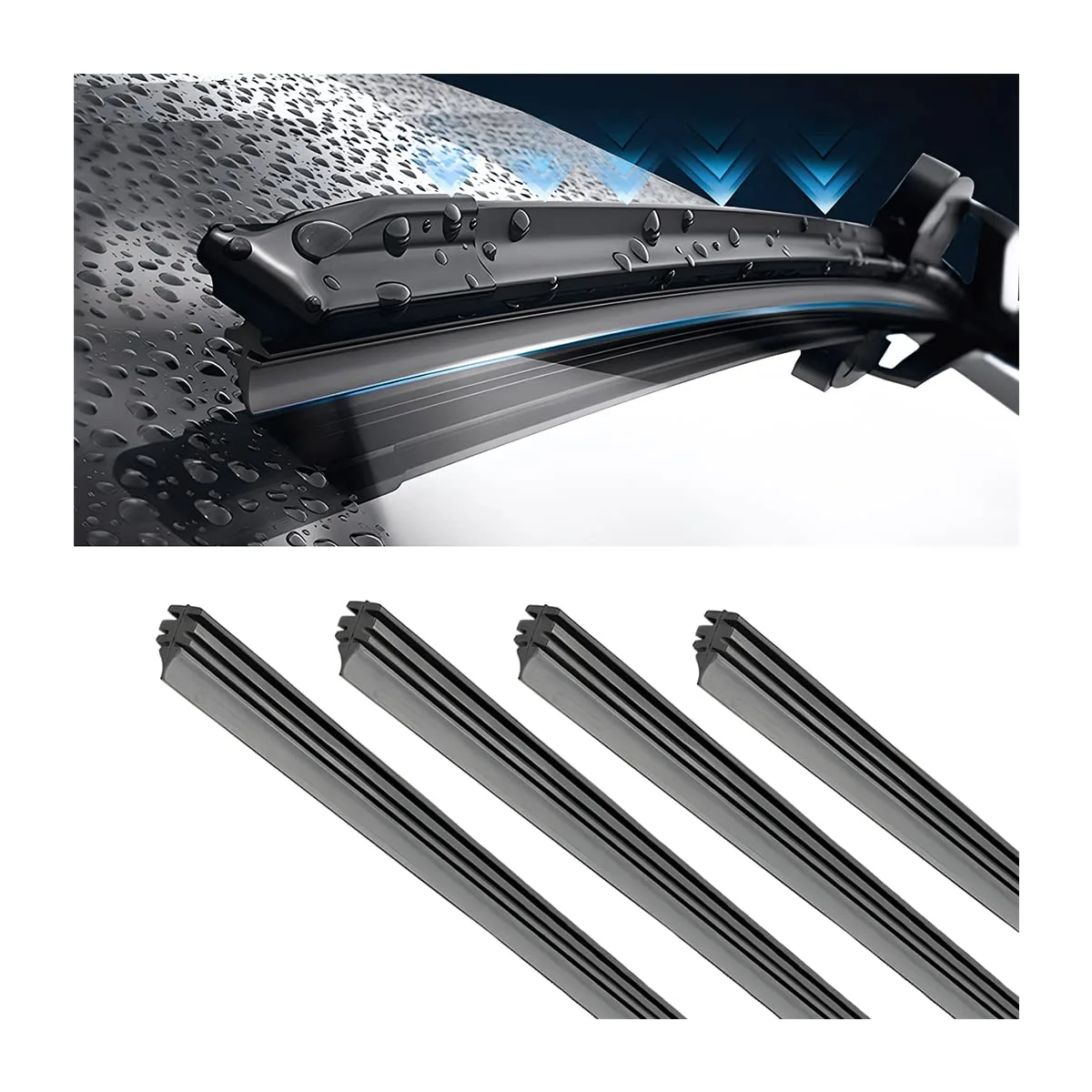
Image source: Bing (Web (fair-use with source credit))
You might think any wiper blade works with any windshield. Not true after you add a hydrophobic coating. The wrong blade can ruin the experience.
Standard rubber blades are designed for bare glass. On a slick coating, they can skip, chatter, or leave tramlines (thin wet streaks). The rubber lacks the grip to stay in full contact.
Silicone blades are the better match. They are softer and have a different coefficient of friction. They glide over hydrophobic surfaces without skipping.
Many silicone blades also have a built-in water repellent that complements the coating.
Beam blades vs. conventional frames. Beam blades distribute pressure more evenly. On a coated windshield, this reduces the risk of chatter. Conventional frames can concentrate pressure at the ends, causing the middle to lift.
What the experts recommend:
- Replace wiper blades immediately after applying a new coating. Old blades will streak and chatter, making you think the coating is the problem.
- Choose silicone beam blades. Brands like PIAA, Bosch, and Denso offer models specifically for coated glass.
- Check compatibility with your vehicle's wiper arm type. Some vehicles require special adapters.
If the chatter already started. Remove the coating from the blade path with isopropyl alcohol. Reinstall the coating, then install fresh silicone blades. That usually solves it.
Don't forget the rear wiper. If your car has a rear wiper, treat that glass too. The same compatibility rules apply. A chattering rear wiper is less dangerous but still annoying.
In our research, wiper blade compatibility is the most overlooked factor in a successful rain repellent experience. It's also the easiest to fix. Spend the $15 on new silicone blades, and you'll be glad you did.
Maintenance: How to Make It Last and When to Reapply
A quality coating lasts 2, 6 months. To extend its life, hand wash your windshield with a pH-neutral soap. Avoid automatic car washes with harsh brushes.
Reapply when water stops beading and starts sheeting.
Removal: What to Do If You Hate It or It Goes Bad
Use isopropyl alcohol (70% or higher) on a microfiber towel to break down the coating. For stubborn layers, a glass polish or fine cerium oxide paste works. Wipe clean and start fresh.
When to Call a Pro (And When DIY Is Totally Fine)
DIY works for most drivers with clean glass and patience. Call a pro if your windshield has heavy pitting, you want a 2-plus year coating, or you've already failed twice. Pros have UV curing and polishing tools that DIY can't match.
Quick Decision Guide: Which Option Fits Your Driving
| Situation | Best Pick |
|---|---|
| Highway commuter, rainy climate | DIY ceramic wipe, reapplied twice a year |
| City driver, rare rain | Skip coating; invest in good silicone wipers |
| Night driver, glare sensitive | Professional coating with thin application |
| Long-term owner, want "set and forget" | Professional UV-cured coating (1–3 years) |
| Budget conscious, first timer | DIY spray (short-lived but cheap test) |
Frequently Asked Questions
Can I apply rain repellent over old coating?
No. Old residue prevents proper bonding. Strip with alcohol first.
Will the treatment damage my windshield?
No, if applied correctly. Improper application can cause haze or glare.
How long does a typical DIY treatment last?
Two to six months depending on climate, car washes, and product quality.
Does rain repellent work with rain-sensing wipers?
Some coatings confuse the optical sensor. Test after application or check your owner's manual.