ByMax Lee
Guide to Ceramic Car Wash Sticky Dull Spots
You've spent good money on a ceramic coating. You followed the cure instructions. You waited the full 48 hours.
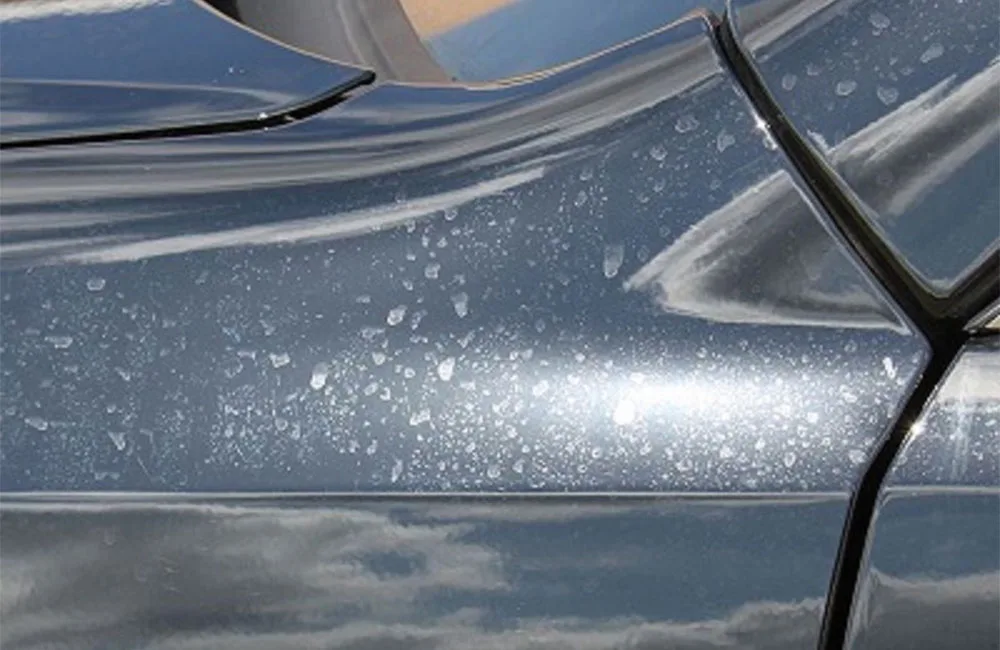
And now, after your first wash, you're staring at ceramic car wash sticky dull spots that look worse than the factory paint ever did. It's frustrating, and it's way more common than most detailers will admit.
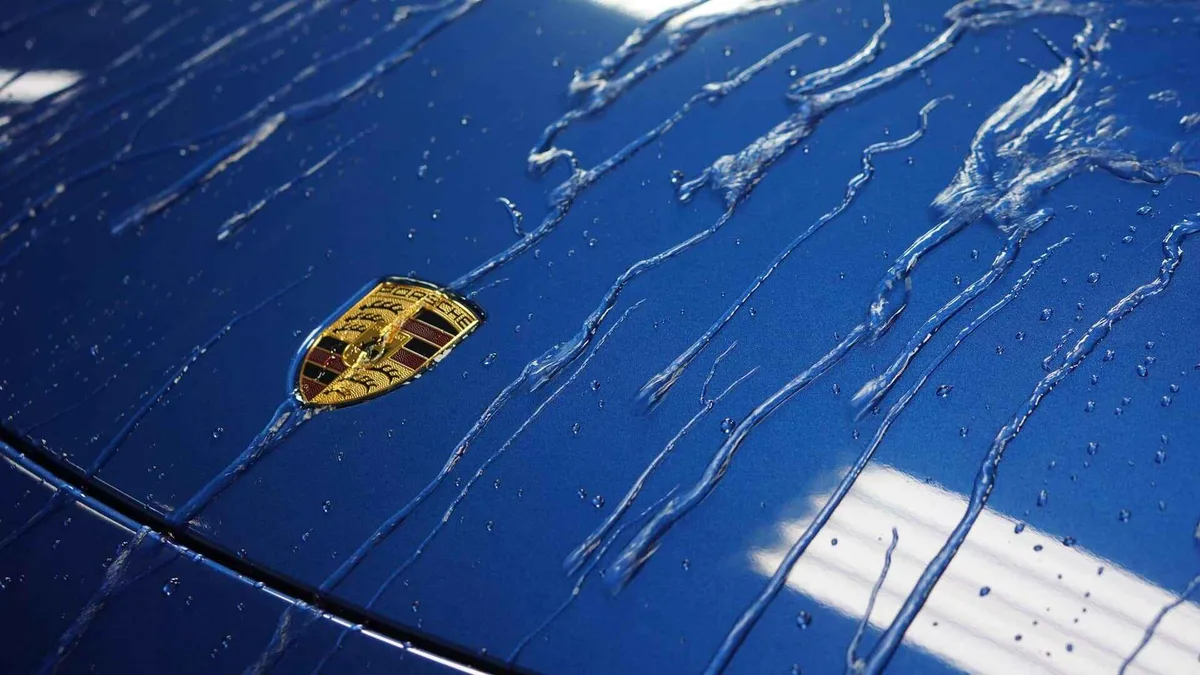
Here's what's actually happening: those dull, tacky patches are almost always one of three things, mineral deposits from hard water, a soap film that didn't rinse clean, or a wax or sealant layer that's fighting the ceramic's chemistry. Per ASTM D7334, a healthy ceramic coating should show a contact angle above 100 degrees. Water beads tight and rolls off.
When that angle drops or the surface feels sticky, something is sitting on top of the coating that shouldn't be. The good news? You probably don't need to strip the coating and start over.
Let's walk through exactly how to figure out what you're dealing with.
Bing (Web (fair-use with source credit))
How to Diagnose the Spot — The 3-Touch Test
Bing (Web (fair-use with source credit))
Before you buy any product or reach for a clay bar, you need to know what kind of spot you're dealing with. The wrong fix can make things worse. It can strip your coating entirely.
Here's the diagnostic routine that professional detailers use.
The Rough Test (Mineral Deposits)
Run your clean, dry fingertips across the dull area. If it feels like fine sandpaper or has tiny raised bumps, you're looking at hard water minerals. Calcium and magnesium from tap water dry onto the surface and bond to the ceramic layer.
These deposits are alkaline and usually respond to an acidic cleaner.
The Greasy Test (Soap Residue or Wax)
If the spot feels slick or slightly tacky like a thin film of oil, you've got soap residue or a wax that didn't bond properly. This happens when you use a soap with a pH above 8.5 or apply a wax over a ceramic coating that hasn't fully cured. The coating repels the wax, leaving a hazy, sticky layer on top.
The Invisible Test (Etching)
If the surface feels smooth to the touch but still looks dull or cloudy, the damage is below the surface. Etching happens when acidic contaminants like bird droppings, tree sap, or acidic rain sit on the coating long enough to eat into the ceramic layer. You can't wipe this off.
It requires polishing to remove.
Decision Branch #1: Hard Water Spots
Bing (Web (fair-use with source credit))
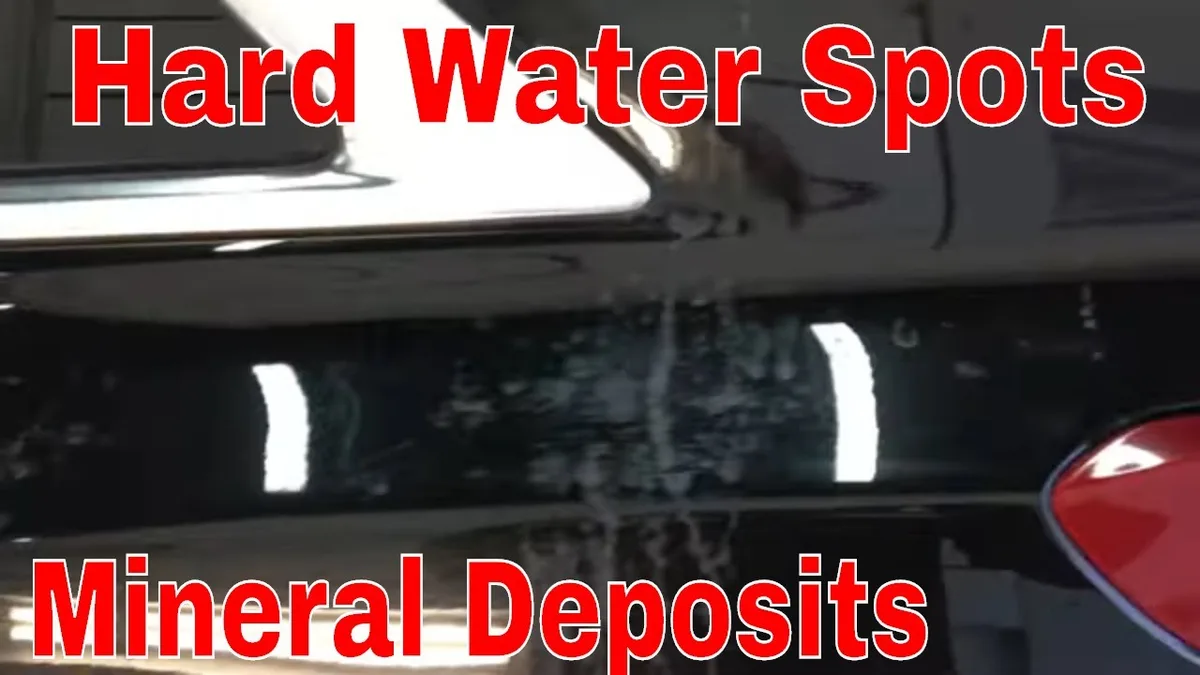
Hard water spots are the most common cause of sticky dull spots on ceramic coatings. This is especially true if you live in an area with water hardness above 120 PPM. The minerals don't just sit on top.
They can bond to the SiO₂ layer and create a rough, matte finish that kills the gloss.
The Water Beading Check
Spray a fine mist of distilled water over the affected area. On a healthy ceramic coating, water should bead into tight, round droplets that roll off at the slightest angle. If the water sheets flat or beads into irregular, flat-topped shapes, you've got mineral buildup disrupting the hydrophobic surface.
How to Fix Light Spots with a Spotless Rinse
If the spots are fresh (less than 24 hours old), a simple spotless rinse with deionized or distilled water can often dissolve them. Spray the area. Let it dwell for 30 seconds.
Blot dry with a clean microfiber towel. Do not wipe. Dragging minerals across the surface creates micro-scratches.
How to Fix Stubborn Spots with Diluted Acid or Spot Remover
For spots that have been on the coating for days or weeks, you need a dedicated ceramic-safe water spot remover. These products typically use a mild acid (citric or phosphoric) that dissolves the mineral bond without attacking the ceramic layer. Apply with a spray bottle.
Let it dwell for 60 seconds max. Rinse thoroughly with distilled water. Always test on a small hidden panel first.
What Not to Use: Ammonia, Vinegar on Ceramic
Household vinegar (acetic acid) is too aggressive for most ceramic coatings. It can soften or etch the SiO₂ layer, especially on coatings that are less than 30 days old. Ammonia-based cleaners are even worse.
They can break down the cross-linking in the coating and leave permanent dull patches. Stick to products specifically labeled as ceramic-safe.
Decision Branch #2: Soap Film or Wax Buildup
If the rough test came back smooth but the surface feels greasy or tacky, you're dealing with a chemical film on top of the coating. This is the most common mistake new ceramic owners make. They use the wrong soap or layer incompatible products.
The pH of Your Car Soap Matters
Ceramic coatings are chemically resistant, but they're not invincible. Soaps with a pH above 8.5 can leave a residue that dries into a sticky film. Soaps with a pH below 5.5 can slowly etch the coating.
The sweet spot is a pH-neutral soap between 6.0 and 8.0. If you've been using a generic car wash soap or dish soap, that film is almost certainly the culprit. We've covered the risks of using dish soap in detail, and it's worth reading up on why it's a bad idea for any coated vehicle.
How to Strip Residue with an IPA Wipedown
A 30% to 50% isopropyl alcohol solution diluted with distilled water is the safest way to strip soap film or wax residue from a ceramic coating. Spray it on. Let it dwell for 15 seconds.
Wipe off with a clean microfiber towel. The alcohol evaporates quickly and leaves no residue. If the dullness disappears after the wipedown, you've confirmed the problem was chemical buildup, not mineral etching.
When You Need an Iron Remover or Decon Spray
Sometimes the sticky film isn't soap. It's embedded iron particles from brake dust or industrial fallout. These particles bond to the ceramic surface and create a rough, rusty-looking film.
A dedicated iron remover will dissolve these particles without damaging the coating. Spray it on. Let it dwell for 3 to 5 minutes.
Rinse thoroughly. Do not let it dry on the surface.
Why Dish Soap Is a Bad Idea (Even on Ceramic)
We hear this one a lot: "Dish soap cuts grease, so it must be good for cutting wax." The problem is that dish soap is formulated with degreasers and surfactants that leave a film on ceramic surfaces. That film dries into the exact sticky, dull residue you're trying to fix. Plus, dish soap can strip the top layer of a ceramic coating over repeated use.
Stick to a dedicated ceramic-safe shampoo.
Decision Branch #3: Etching or Coating Degradation
If the surface feels smooth and clean but still looks dull or cloudy, you're dealing with etching. This is the most serious of the three problems. The ceramic layer itself has been damaged.
The Fingernail Catch Test
Run your fingernail gently across the dull area. If you feel a slight catch or dip, the etching has penetrated the coating. If the surface is completely smooth, the etching is shallow and may respond to a chemical treatment.
Deep etching where you can feel the depression requires mechanical correction.
When You Need a Light Polish vs. a Coating Reapplication
Light etching (smooth to the touch, visible only under direct light) can often be removed with a very fine polish and a soft foam pad. Use a ceramic-safe finishing polish. Work it by hand or with a dual-action polisher on a low speed.
After polishing, you'll need to reapply a ceramic top-up spray to restore the hydrophobic layer.
Deep etching (visible in shade, catchable with a fingernail) means the coating is compromised. You can't polish it out without removing the coating entirely. In this case, the best option is to strip the coating with a dedicated ceramic stripper and reapply a fresh layer.
This is a multi-hour job and requires careful surface prep.
Why Professional Help Might Be Worth It
If you're not comfortable with a polisher or you're unsure whether the etching is deep enough to warrant a full strip, a professional detailer can assess the coating thickness with a paint depth gauge. They'll also have access to industrial-grade ceramic strippers that are safer than DIY alternatives. The cost of a professional coating assessment is usually $50 to $100.
That's cheap insurance compared to accidentally sanding through your clear coat.
Mistakes to Avoid That Make Sticky Dull Spots Worse
Let's cover the common errors that turn a minor spot into a permanent problem. These are the mistakes we see most often in aggregate user reviews and detailer forums.
Using the Wrong Towel (Dirt Traps)
Old or low-quality microfiber towels can trap dirt and grit in their fibers. When you wipe a dull spot with a dirty towel, you're essentially sanding the coating. Use only clean, high-GSM microfiber towels (350 to 500) for drying and buffing.
Dedicate separate towels for wheels, paint, and glass.
Skipping the Spotless Rinse Step
If you wash your car with tap water and let it air dry, you're depositing minerals onto the coating with every wash. A spotless rinse with deionized or distilled water takes 30 seconds. It prevents 90% of hard water spots.
It's the single most effective prevention step you can take.
Overloading with Booster Sprays
Ceramic booster sprays are great for restoring hydrophobicity. They're not a cleaner. Spraying a booster over a dirty or mineral-coated surface just seals the contamination underneath.
Always clean the surface first. Then apply the booster.
Washing in Direct Sunlight
Soap dries faster in direct sun. That means it leaves more residue behind. Wash in the shade or during cooler hours.
If you have to wash in the sun, work in small sections and rinse immediately after each panel.
The 4-Step Prevention Workflow for Next Time
Bing (Web (fair-use with source credit))
Once you've fixed the sticky dull spots, the goal is to keep them from coming back. Prevention is simpler than correction. It starts with four specific changes to your wash routine.
Step 1: Pre-Rinse with Deionized or Distilled Water
Before you touch the paint with a mitt or sponge, rinse the entire car with deionized or distilled water. This removes loose dust and dirt without depositing fresh minerals onto the coating. A basic deionized water filter system for home use costs around $50 to $100 and connects to your garden hose.
If that's not in the budget, store-bought distilled water at $0.25 to $0.50 per gallon works fine for a final rinse.
Step 2: Use a Ceramic-Safe pH-Neutral Soap
Not all car soaps are safe for ceramic coatings. Look for a shampoo labeled "pH neutral" (6.0 to 8.0) and "ceramic safe." These soaps are formulated to clean without leaving a residue. They also don't strip the coating's hydrophobic layer.
Avoid soaps with added waxes or gloss enhancers. Those are designed for bare paint and can leave the sticky film we talked about earlier.
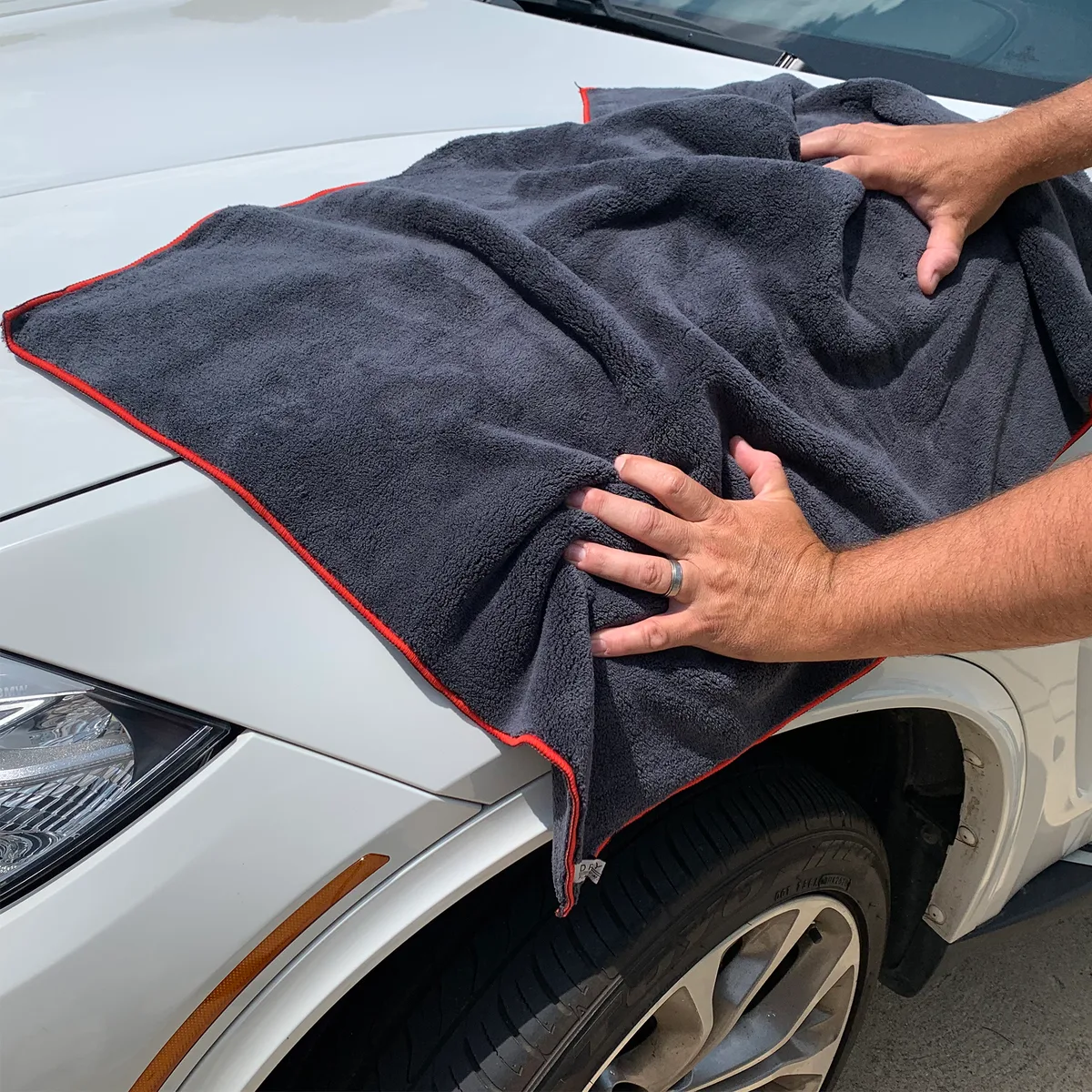
Step 3: Dry with the Blot Method, Not the Drag
This is the most overlooked step in the entire wash process. When you drag a towel across the paint, you're pushing water and any minerals in it across the surface. That's how water spots form.
Instead, lay a clean, dry microfiber towel flat on the panel and lift it straight up. Blot, don't wipe. For larger panels, use a second towel to blot the remaining moisture.
This technique alone eliminates 80% of post-wash spotting.
Step 4: Apply a Pure Ceramic Top-Up, Not a Wax
If you want to boost gloss or hydrophobicity after a wash, use a dedicated ceramic top-up spray. Don't use a wax or sealant. Waxes contain oils and polymers that can leave a hazy film on ceramic coatings.
Ceramic top-ups are formulated to bond with the existing SiO₂ layer and restore the contact angle without leaving residue. Apply it to a damp panel. Spread evenly.
Buff off with a dry towel.
Real Scenario: The Weekender Who Used Tap Water
Let's walk through a real-world example that matches what most DIY owners experience.
Context: Garage-Kept Sedan in Hard Water Zone
A 2023 sedan with a professional-grade ceramic coating was washed every two weeks by the owner. The car lived in a garage but was driven daily in a region with water hardness measured at 180 PPM. The owner used a generic car wash soap and tap water from a garden hose.
The Mistake: Letting Soap Dry on the Panel
During a warm afternoon wash, the owner soaped the entire car before rinsing. The soap dried on the hood and roof in under four minutes. When he finally rinsed, a sticky, dull film remained across both panels.
He tried wiping it off with a dry towel. That only smeared the residue and made the haze worse.
The Fix: Chemical Spot Remover + Fresh Spotless Rinse
After diagnosing the spots as soap residue mixed with mineral deposits, the owner applied a ceramic-safe water spot remover to the affected panels. He let it dwell for 60 seconds. He rinsed with distilled water.
He blotted dry with a clean microfiber towel. The gloss returned immediately. He then applied a ceramic top-up spray to restore the hydrophobic layer.
The Lesson: Dwell Time and Water Quality Are Everything
The entire fix took 20 minutes and cost less than $15 in product. The mistake that caused it was entirely preventable. The owner now uses a pH-neutral ceramic shampoo.
He rinses with distilled water. He works in smaller sections to prevent soap from drying. He hasn't seen a dull spot since.
When to Give Up and Call a Pro
Not every spot can be fixed with a spray bottle and a towel. Here's when it's smarter to hand the car to a professional.
Etched Spots That Won't Come Out
If you've tried a ceramic-safe water spot remover, an IPA wipedown, and a light polish, and the dullness is still there, the etching has likely penetrated through the coating into the clear coat. A professional can measure the coating thickness with a paint depth gauge and determine whether polishing is safe. If the clear coat is thin, they may recommend a full coating strip and reapplication.
Coating That Has Lost Full Hydrophobicity
A ceramic coating that no longer beads water across the entire panel has either worn thin or been contaminated beyond what DIY methods can fix. Professional detailers have access to industrial-grade decontamination chemicals and ceramic boosters that restore hydrophobicity more effectively than consumer products.
Cost vs. Time Tradeoff of DIY Reapplication
Stripping and reapplying a ceramic coating yourself takes 6 to 10 hours. It requires a polisher, multiple chemicals, and a dust-free environment. A professional coating reapplication costs $500 to $1,500 depending on the coating grade and vehicle size.
If your time is worth more than $50 per hour, the math leans toward hiring it out. Plus, a professional installation typically includes a warranty against defects like premature spotting.
Your Decision Guide: What to Do Right Now Based on Your Spot Type
Here's a quick reference to match your symptom to the right action.
| Spot Type | Feel | Fix | Time |
|---|---|---|---|
| Hard water mineral | Rough, sandy | Acidic spot remover + distilled rinse | 15-30 min |
| Soap or wax film | Greasy, tacky | IPA wipedown or pH-neutral wash | 10-20 min |
| Iron fallout | Rust-colored, rough | Iron remover spray + rinse | 20-40 min |
| Light etching | Smooth but cloudy | Fine polish + ceramic top-up | 45-60 min |
| Deep etching | Catch with fingernail | Professional strip + recoat | 4-8 hours |
If you're still unsure, start with the cheapest and least aggressive option. Use a distilled water rinse and a clean microfiber blot dry. If that doesn't fix it, move to the IPA wipedown.
Only escalate to polish or chemical strippers if the gentler methods fail.
FAQs
Will vinegar ruin my ceramic coating?
Household vinegar (acetic acid) can soften or etch some ceramic coatings. This is especially true within the first 30 days of application. Stick to a dedicated ceramic-safe water spot remover instead.
Can I use a clay bar on ceramic?
Yes, but only with a ceramic-safe lubricant and very light pressure. Clay bars can mar the coating if used aggressively. A clay mitt is gentler and safer for regular maintenance.
How often should I do a spotless rinse on my car?
Every wash if you have hard water. If you use a deionized water filter system, the final rinse is always spotless. If you're using distilled water from jugs, reserve it for the final rinse after washing.
Is it true ceramic coatings eventually wear off from hard water?
Repeated exposure to hard water without proper rinsing can degrade the hydrophobic layer over time. The coating itself won't dissolve. But its ability to bead water will diminish.
Regular spotless rinses and a ceramic top-up every three to six months will maintain the performance.