ByMax Lee
CT Emissions Test Exemptions for Newer Vehicles
Connecticut emissions testing exemptions for vehicles under four years old let you skip the biennial test if your car meets the age requirement. The rule applies to most gasoline and diesel vehicles based on model year, not when you bought or registered them.
As of 2026, Connecticut follows a strict 4-year window from the model year, so a 2023 model stays exempt through 2026. This means newer cars avoid the $20 test fee and the hassle of scheduling an inspection.
Quick Answer
Connecticut emissions testing exemptions for vehicles under four years old apply to cars in their first four model years. The exemption covers gasoline and diesel vehicles. Hybrid and electric vehicles have separate rules.
The window is based on model year, not purchase date.
How Connecticut’s Emissions Exemption Actually Works
Connecticut requires biennial emissions tests for most vehicles to reduce air pollution. The state grants a temporary pass to newer cars because they typically meet modern emissions standards without testing.
The exemption is automatic if your vehicle qualifies. You won’t receive a notice to test, and the DMV system flags eligible cars during registration. This applies to passenger cars, light trucks, and most SUVs under 10,000 pounds.
Bing (Web (fair-use with source credit))
The 4-Year Rule: Model Year vs. Registration Year
The exemption depends on the vehicle’s model year, not when you registered it in Connecticut. A 2024 model bought in 2025 is still exempt until the end of 2027.
If you register an out-of-state car, the model year still determines eligibility. The DMV uses the manufacturer’s model year, which is usually on the vehicle identification plate.

Wikimedia Commons / Dietmar Rabich (CC BY-SA)
Which Vehicles Still Need Testing (Even If They’re Newer)
Some vehicles don’t qualify for the 4-year exemption. Diesel-powered cars often require testing regardless of age. Modified vehicles with aftermarket emissions parts may also lose their exemption.
Vehicles over 25 years old may follow classic car rules instead. Always check with the CT DMV if you’re unsure about your car’s status.
Step-by-Step: How to Check If Your Car Is Exempt
First, locate your vehicle’s model year on the driver’s side door jamb or registration documents. Compare it to the current year to see if it falls within the 4-year window.
Next, confirm your vehicle type. Gasoline-powered cars under 10,000 pounds are typically covered. Diesel, hybrid, and electric vehicles have different rules.
Finally, verify during registration. The DMV system will automatically apply the exemption if eligible. If you’re flagged for testing by mistake, contact the DMV with your vehicle details.
What Happens If You Skip the Test by Mistake
You’ll get a registration hold if the DMV expects a test and you don’t complete it. The system flags non-compliant vehicles during renewal.
Fines start at $20 and can increase for repeated violations. You’ll also need to pass the test before the hold is lifted.
Hybrid and Electric Vehicles: Special Cases
Hybrids follow the same 4-year rule as gasoline vehicles. They’re exempt based on model year.
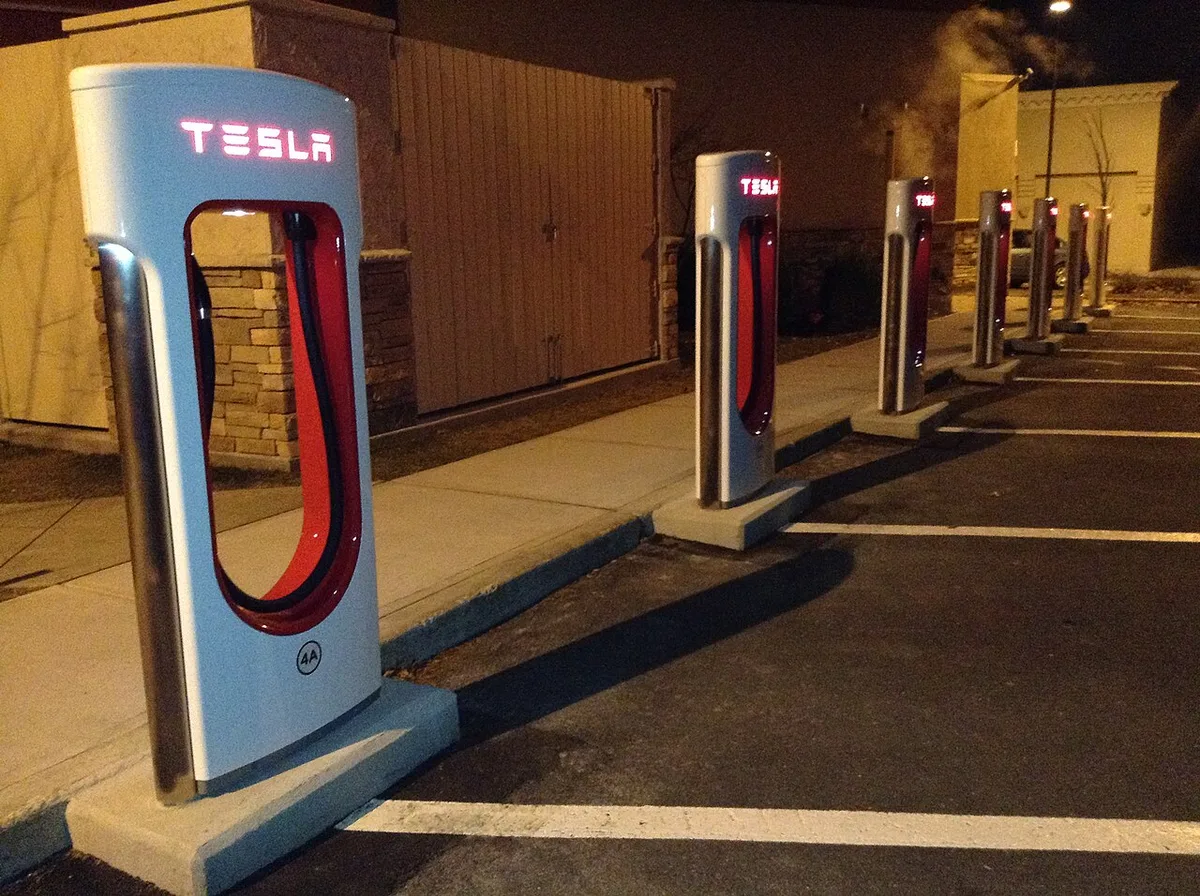
Full electric vehicles are exempt from emissions testing entirely. They don’t have tailpipe emissions to measure.
Wikimedia Commons / Mike Mozart from Funny YouTube, USA (CC BY)
Out-of-State Cars Registering in Connecticut
Out-of-state vehicles must meet Connecticut’s emissions standards when registered. The 4-year exemption still applies if the model year qualifies.
If your car was exempt in its previous state, that doesn’t automatically transfer. Connecticut uses its own model year calculation.
Costs, Fees, and Penalties You Should Know
The emissions test costs $20 for non-exempt vehicles. This fee is separate from registration costs.
Late fees apply if you miss the testing deadline. Penalties can add up quickly for repeated non-compliance.
Common Mistakes That Get People Fined
Assuming the exemption applies to diesel vehicles is a common error. Diesel cars often require testing regardless of age.
Ignoring the model year vs registration year difference can lead to unexpected test requirements. Always check the manufacturer’s model year on your vehicle.
Where to Verify Your Exemption Status
The easiest way is to check your registration renewal notice. It will state if an emissions test is required.
You can also use the CT DMV’s online vehicle lookup tool. Enter your plate number or VIN to confirm your status.
Wikimedia Commons / Mr.choppers (CC BY-SA)
FAQs About Connecticut’s Emissions Testing Rules
Does the exemption apply to leased vehicles?
Yes, leased vehicles follow the same model year rule. The 4-year window applies regardless of ownership status.
What if my car was manufactured in a different year than the model year?
The model year is what matters for the exemption. This is usually one year after the manufacturing date.
Can I get an exemption for a modified vehicle?
Modified vehicles may lose their exemption if changes affect emissions. Aftermarket parts can trigger testing requirements.
Do motorcycles need emissions testing in Connecticut?
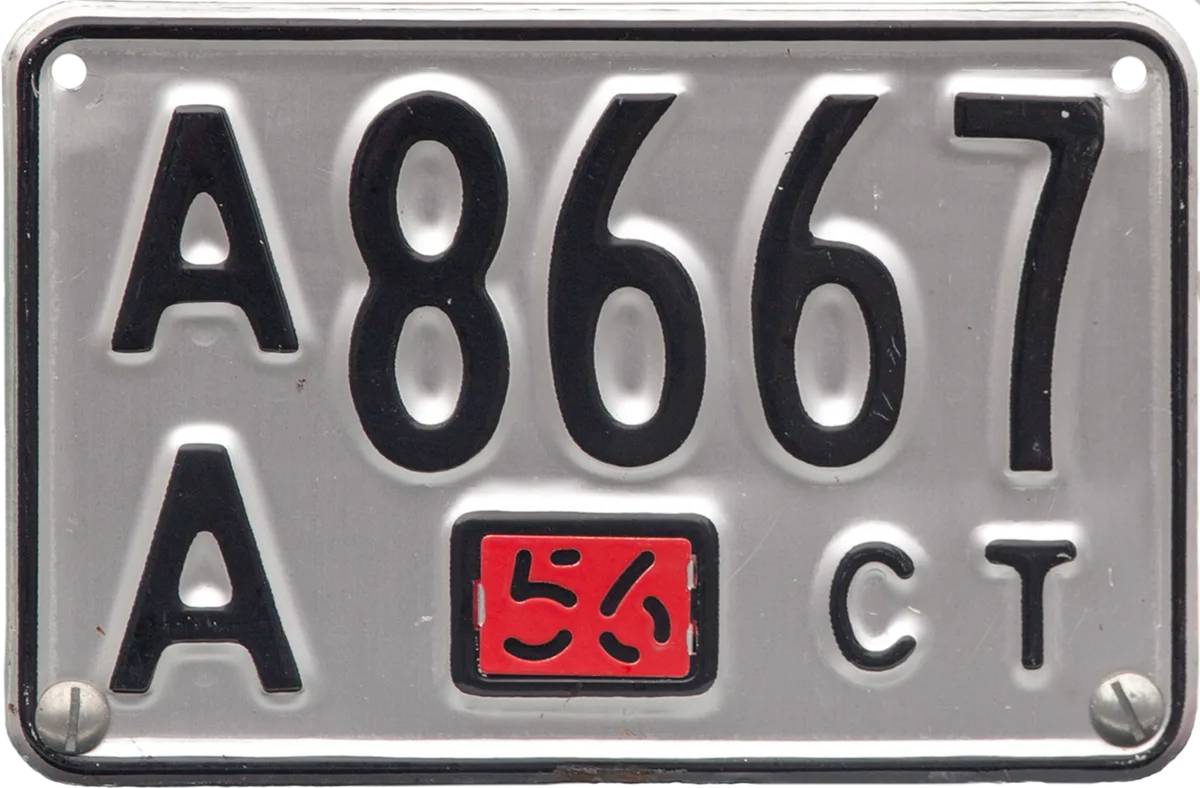
Motorcycles are currently exempt from Connecticut’s emissions testing program. This applies to all model years.
What happens if I fail the emissions test?
You’ll need to repair your vehicle and retest. Connecticut offers a waiver program for vehicles that fail after a certain repair cost threshold.