Connecticut lemon law for new vehicle consumer protection and arbitration exists to protect you when a brand-new car keeps breaking down under warranty. If your vehicle has a persistent defect that the dealer can’t fix, this law forces manufacturers to either replace it or refund your money.
As of 2026, the law covers new cars for 24 months or 24,000 miles, whichever comes first. The key is proving the same issue was repaired multiple times or left your car out of service for 30+ days.
Quick Answer
Connecticut lemon law for new vehicle consumer protection and arbitration applies to new cars with repeated, unfixed defects. It requires 4 repair attempts or 30 days out of service within 24 months or 24,000 miles. Arbitration is free and binding on the manufacturer.
You may get a full refund or a replacement vehicle.
Does Connecticut’s Lemon Law Cover Your New Car?
Yes, if your car meets three conditions. It must be new, purchased or leased in Connecticut, and still under the original warranty. The law also covers vehicles registered in Connecticut, even if bought out of state.
The protection starts from the date of delivery. It ends after 24 months or 24,000 miles, whichever comes first. Commercial vehicles over 10,000 pounds, motorcycles, and off-road vehicles are excluded.
What the Connecticut Lemon Law Actually Protects
This law targets defects that substantially impair the use, value, or safety of your vehicle. These are called nonconformities. If the manufacturer or dealer can’t fix the issue after a reasonable number of attempts, they must buy back the car or replace it.
The law also covers the costs of arbitration. This process is free for consumers and binding on the manufacturer. You’re not required to hire a lawyer, but you can if you choose.
The 3 Ways Your Vehicle Qualifies as a Lemon
Your car qualifies if it meets one of these conditions within the first 24 months or 24,000 miles:
- 4 or more repair attempts for the same defect.
- 30 or more cumulative days out of service for repairs.
- 1 repair attempt for a serious safety defect that could cause injury or death.
The defect must be covered under the manufacturer’s warranty. Minor issues, like a loose radio knob, typically don’t count. The problem must substantially impair the vehicle’s use, value, or safety.
What Counts as a “Nonconformity” (and What Doesn’t)
A nonconformity is a defect or condition that doesn’t meet the manufacturer’s warranty standards. This includes issues like engine failure, transmission problems, or electrical malfunctions. Safety-related defects, such as brake or steering failures, are also covered.
What doesn’t count? Normal wear and tear, damage from accidents, or issues caused by abuse or neglect. Modifications made after purchase can also void your protection.
How Connecticut’s Lemon Law Arbitration Process Works Step by Step

The arbitration process is designed to resolve disputes fairly and efficiently. Here’s how it works:
- File a complaint with the Connecticut Department of Consumer Protection (DCP). You can do this online, by mail, or in person.
- Provide documentation of all repair attempts, including dates, work orders, and invoices.
- Notify the manufacturer in writing, via certified mail, that you’re pursuing arbitration.
- Attend the hearing. Both you and the manufacturer will present your case to an arbitrator.
- Receive the decision. The arbitrator will issue a binding decision within 30 days. If you win, the manufacturer must comply with the order.
Documents You Must Have to Win Your Claim
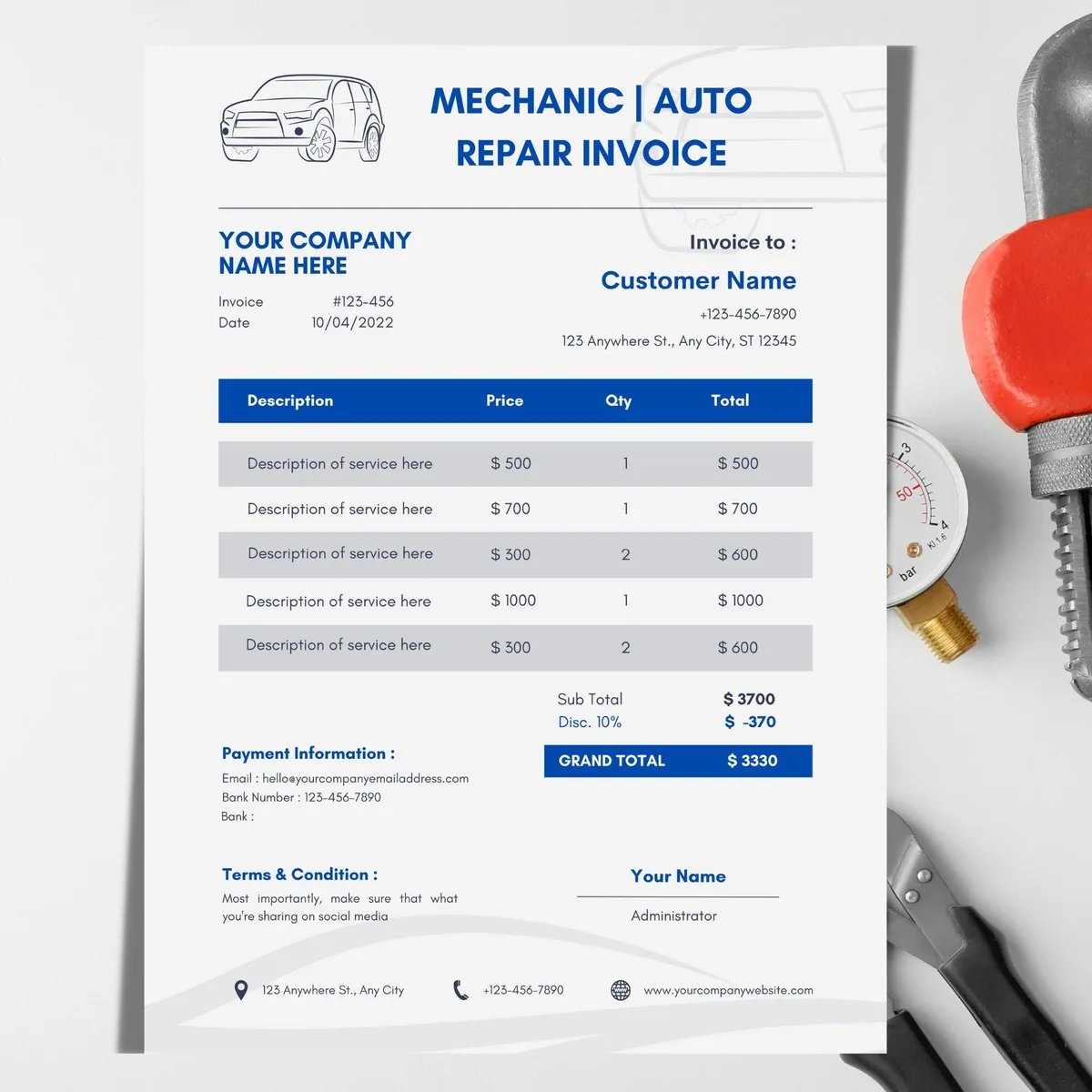
You need proof of every repair attempt. Keep all work orders, invoices, and receipts from the dealer. These documents must show the date, the problem described, and the work performed.
Also save any written communication with the manufacturer. Certified mail receipts prove you notified them properly. Without these, your claim may be denied.
How Refunds and Replacements Are Calculated
The refund includes the full purchase price, taxes, and fees. The manufacturer can deduct a mileage offset based on the IRS standard rate. This is 67 cents per mile as of 2026.
For a replacement, you get a comparable new vehicle. It should be the same make and model or equivalent. The manufacturer covers all costs, including registration and taxes.
Leased Vehicles: What’s Different Under CT Lemon Law
Leased cars are covered, but the process has a few twists. The lessee (you) must notify the lessor (the leasing company) and the manufacturer. The lessor is often involved in the arbitration.
The refund or replacement goes to the lessor, not you directly. However, you’re entitled to a prorated refund of your lease payments. The manufacturer must also cover any early termination fees.
Common Mistakes That Sink Lemon Law Claims
Many claims fail because of missing paperwork. Always keep copies of every repair order and communication. Without them, you can’t prove the defect or the repair attempts.
Another mistake is accepting a "goodwill" offer from the manufacturer. These often include waivers that give up your lemon law rights. Always consult the DCP or a lawyer before agreeing to any settlement.
What Happens If the Manufacturer Ignores the Arbitration Decision
The decision is binding on the manufacturer. If they refuse to comply, the DCP can take legal action. This may include fines or other penalties.
You also have the option to sue in court. The arbitration decision can be used as evidence in your case. However, lawsuits can be time-consuming and expensive, so most manufacturers comply with the arbitration ruling.
When to Skip Arbitration and Go to Court Instead
Arbitration is faster and cheaper, but court may be better for complex cases. If the manufacturer refuses to comply with arbitration, suing can force action. Small claims court handles disputes up to $15,000 in Connecticut.
For larger claims, superior court is an option. You’ll need a lawyer, and the process takes longer. But you may recover additional damages, like attorney fees or emotional distress.
Connecticut Lemon Law vs. Federal Warranty Law
Connecticut’s law is stricter than the federal Magnuson-Moss Warranty Act. The federal law covers defects but doesn’t set a repair attempt threshold. It also doesn’t require a buyback or replacement.
The state law gives you clearer protections. It defines specific conditions for a lemon and offers a free arbitration process. Federal law is more general and often harder to enforce.
Real-Life Scenarios: Does Your Situation Qualify?
Your car spends 35 days in the shop for transmission repairs within the first year. This meets the 30-day threshold, so it qualifies.
You’ve taken your car in 5 times for the same electrical issue. That’s more than 4 attempts, so it qualifies.
Your brakes fail once, and the dealer can’t fix it properly. Since it’s a serious safety defect, one attempt may be enough.
How to Contact Connecticut’s Lemon Law Program
The Connecticut Department of Consumer Protection handles all lemon law claims. You can reach them by phone at 860-713-6100. Their website has forms and instructions for filing a complaint.
For in-person help, visit their office in Hartford. They also offer email support at dcp@ct.gov. Response times are typically within a few business days.
Frequently Asked Questions
Does the lemon law cover used cars in Connecticut?
No, Connecticut’s lemon law only applies to new vehicles. Used cars have separate, less comprehensive protections under state law.
How long does the arbitration process take?
From filing to decision, it usually takes 60 to 90 days. Complex cases may take longer, but the DCP aims for quick resolutions.
Can I still file a claim if I didn’t keep all my repair records?
It’s much harder without documentation. The arbitrator needs proof of the defect and repair attempts. Missing records can lead to denial.
What if the manufacturer offers a cash settlement instead of a buyback?
You’re not required to accept it. Review any offer carefully, as it may waive your lemon law rights. Consult the DCP before agreeing.
Does the law cover vehicles bought out of state but registered in Connecticut?
Yes, as long as the car is registered in Connecticut. The purchase location doesn’t matter for eligibility.