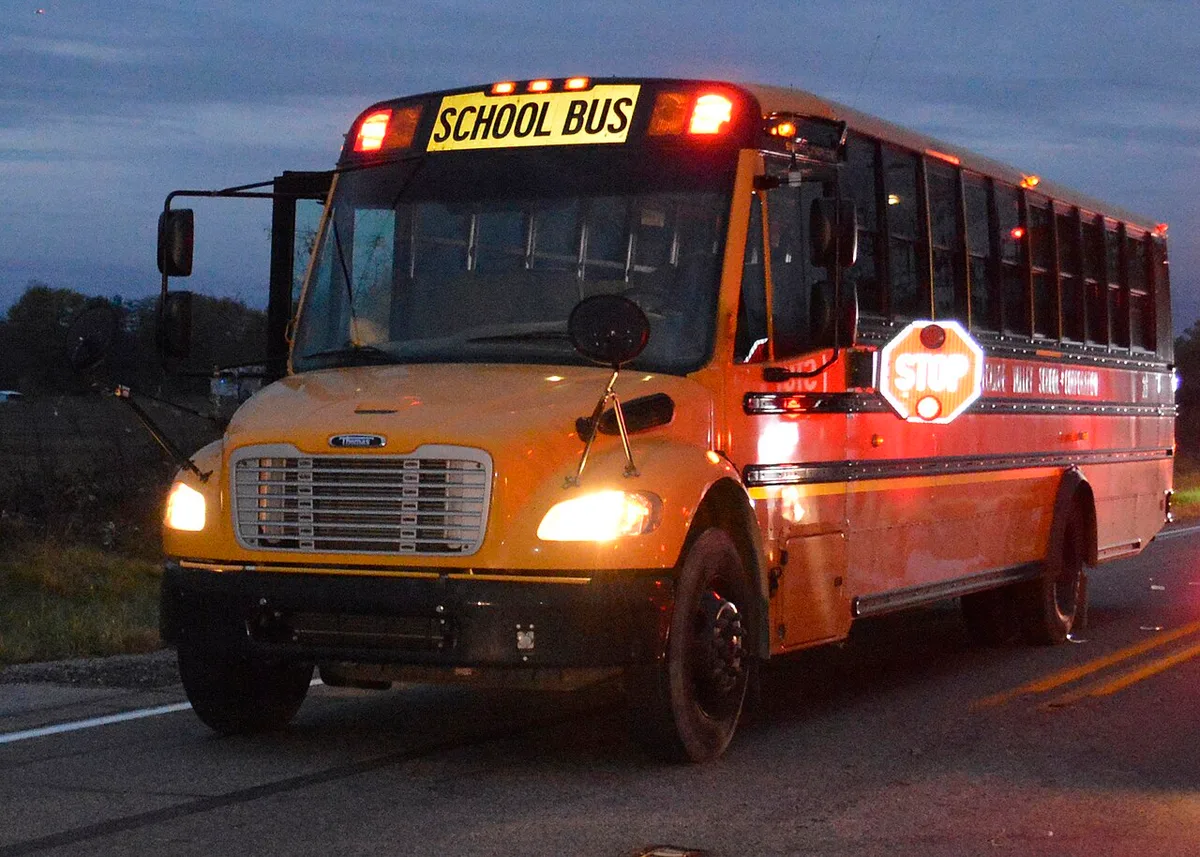
Connecticut school bus with flashing red lights and extended stop arm
If you’ve ever hesitated at a school bus with its stop arm out, you’re not alone. The Connecticut school bus stop law for divided and undivided highways trips up many drivers, and the rules change based on the road type. Get it wrong, and you risk a fine or worse, a child’s safety.
Per Connecticut General Statutes § 14-279, the law is clear but often misunderstood. The difference between a divided and undivided highway is the key.
Quick Answer
The Connecticut school bus stop law for divided and undivided highways requires you to stop for a school bus with flashing red lights on undivided roads. On divided highways, only traffic moving in the same direction as the bus must stop. Fines for illegal passing start at $450.
The rule applies to all vehicles.
Connecticut’s School Bus Stop Law: The Simple Rule You Need to Know
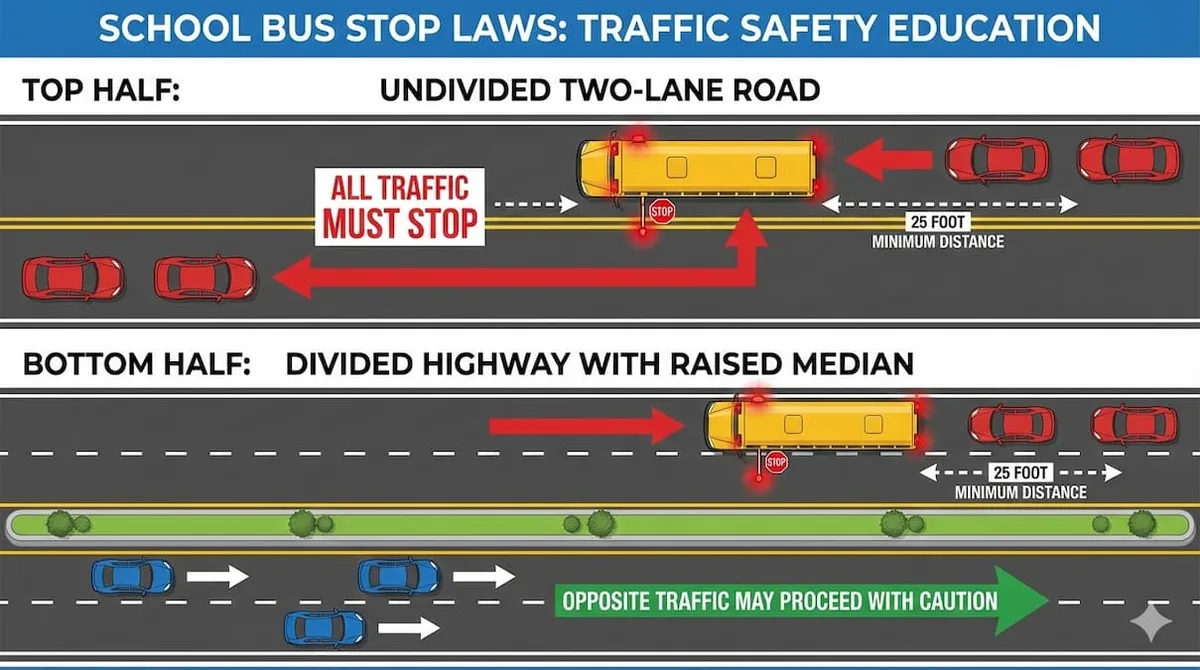
The core rule is this: when a school bus stops and extends its stop arm with flashing red lights, you must stop if you’re on the same side of the road as the bus or on an undivided highway. The only exception is on a divided highway, where traffic moving in the opposite direction can proceed with caution.
This law exists to protect children boarding or exiting the bus. As of 2026, Connecticut enforces it strictly, with penalties that escalate for repeat offenses. For comparison, neighboring states like Maryland’s school bus stop law on divided highways follows a similar structure but with some key differences in enforcement.
Divided vs. Undivided Highways: What’s the Difference?
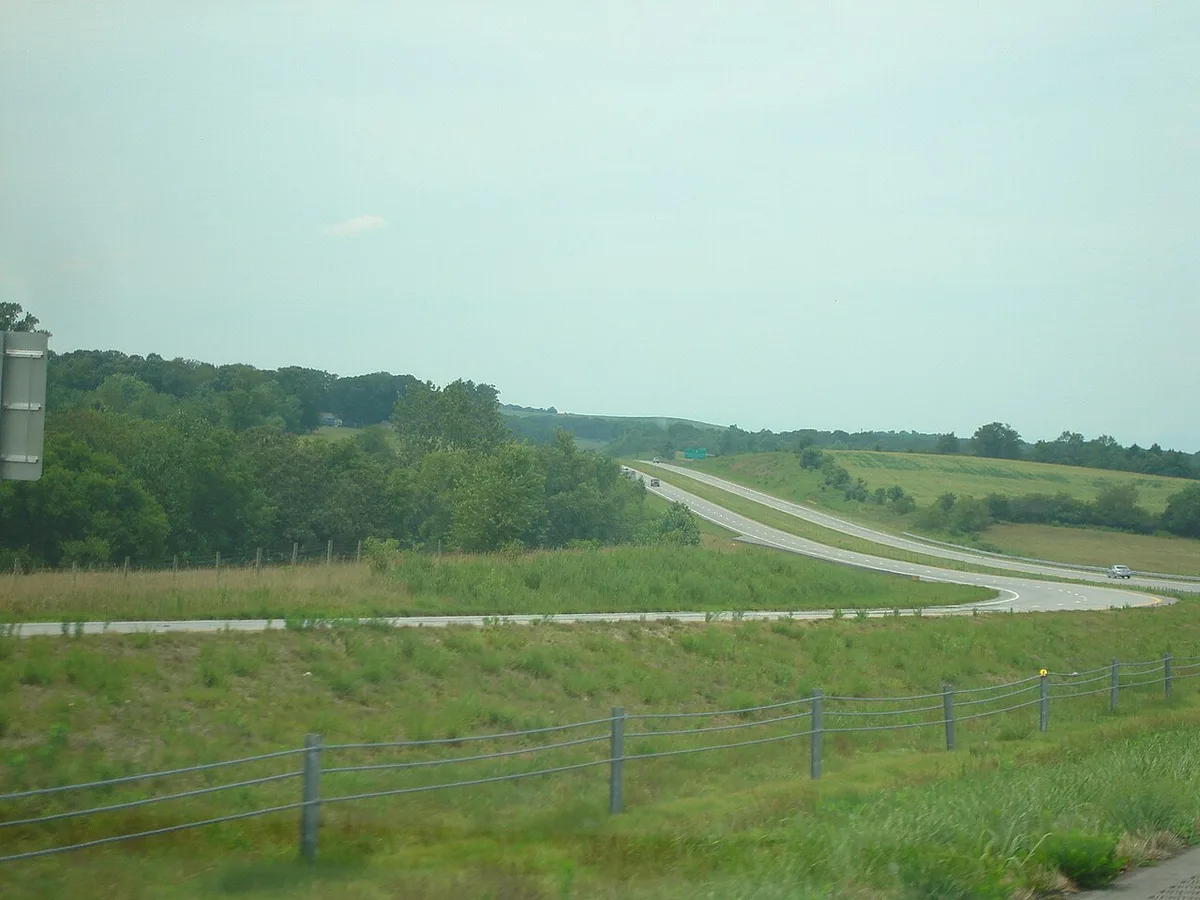
Physical barrier on a divided highway in Connecticut
A divided highway has a physical barrier or median separating traffic moving in opposite directions. This could be a concrete divider, grassy strip, or raised curb. If there’s anything solid between the lanes, it’s divided.
An undivided highway has no barrier. Traffic in both directions shares the same roadway, separated only by painted lines. This is the most common setup on rural and residential roads.
The Connecticut Department of Transportation provides official definitions and diagrams for reference.
In practice, drivers often confuse roads with double yellow lines as divided—these are still undivided highways. A common mistake is assuming that any multi-lane road is divided, but only physical barriers qualify.
When You Must Stop for a School Bus in Connecticut
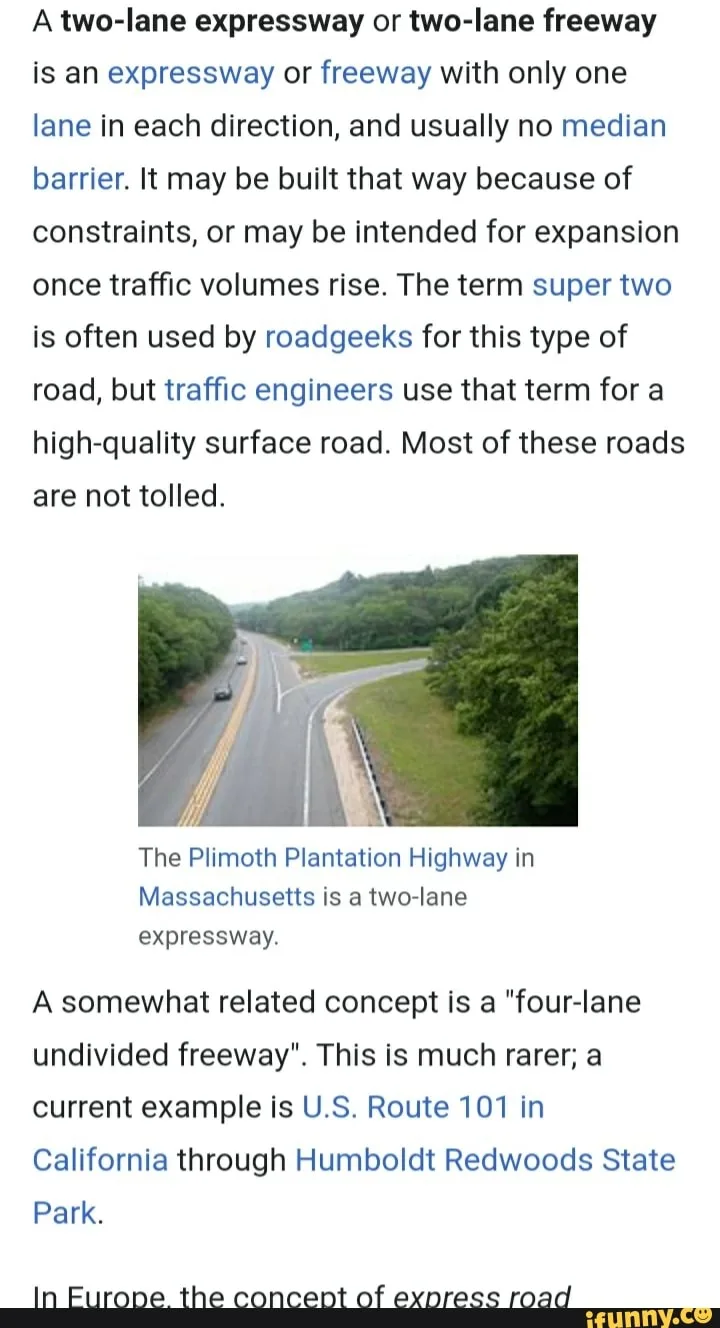
Undivided highway with school bus and oncoming traffic
On an undivided highway, all traffic in both directions must stop when a school bus stops with its red lights flashing. This applies even if you’re on the opposite side of the road.
Here’s the breakdown:
Undivided highway : Stop regardless of direction.
Divided highway, same direction as bus : Stop.
Divided highway, opposite direction : Proceed with caution.
This rule is consistent with national safety standards, as outlined by the National Highway Traffic Safety Administration (NHTSA). Their research shows that children are most at risk during boarding and alighting, which is why these laws are so strictly enforced.
When You Don’t Have to Stop on a Divided Highway
If you’re on a divided highway and the school bus is on the opposite side of the barrier, you don’t have to stop. The physical separation means children won’t be crossing your path to board or exit the bus.
However, always watch for children who might dart into the road unexpectedly. The law assumes the barrier provides safety, but vigilance is still required. In areas with high pedestrian traffic, such as near Maryland’s school zones, extra caution is advised even when the law doesn’t require a stop.
How to Tell If a Highway Is Divided or Undivided
Look for a physical barrier between lanes of opposite traffic. Concrete walls, grass medians, or even a row of flex posts count. If you see one, it’s divided.
If there’s only a painted line or nothing at all between directions, it’s undivided. This includes most two-lane roads where cars pass each other directly.
Some roads may have a mix of divided and undivided sections, particularly in urban areas. Always reassess the road type as you drive, especially when approaching a school bus. For example, a road may transition from divided to undivided near a school zone, requiring you to adjust your behavior accordingly.
The Exact Fines and Penalties for Illegal Passing
First-time offenders face a $450 fine. Repeat violations can lead to higher fines and potential license suspension. These penalties apply whether you pass on the left or right of the bus.
Connecticut takes this seriously because illegal passing puts children at direct risk. The fines are non-negotiable and enforced by both local police and school bus cameras in some districts. In addition to fines, illegal passing may result in points on your driving record, which can affect Maryland vehicle registration fees if you hold a license in multiple states.
Common Mistakes Drivers Make (And How to Avoid Them)
Many drivers assume they can always pass a bus on the opposite side. That’s only true on divided highways. On undivided roads, this mistake can cost you.
Another error is not stopping far enough back. State law requires you to stop at least 10 feet from the bus. Creeping forward while children are boarding is both illegal and dangerous.
A third mistake is misjudging the bus’s flashing lights. Yellow flashing lights indicate the bus is preparing to stop, while red flashing lights mean it is actively loading or unloading children. Drivers should begin slowing down as soon as they see yellow lights to avoid running afoul of the law.
What School Bus Drivers and Parents Should Watch For
Bus drivers note license plates of violators and report them to police. Many buses now have exterior cameras that capture illegal passing on video.
Parents should remind children to look both ways before crossing, even when the bus lights are flashing. Not all drivers follow the law, so caution is still necessary.
Additionally, parents can advocate for safer school bus routes, particularly in areas with poor visibility or high traffic volumes. Some districts have implemented additional safety measures, such as crossing guards or reduced speed limits near bus stops.
Quick Decision Guide: Should You Stop or Keep Going?
Flowchart showing when to stop for a school bus in Connecticut
Use this simple flowchart. See a bus with flashing red lights? Check the road type first.
If the highway is undivided, stop completely. If it’s divided and you’re on the opposite side of the barrier, you may proceed. When in doubt, stopping is always the safer choice.
Additional Scenarios and Edge Cases
School Buses on Private Roads or Driveways
The Connecticut school bus stop law primarily applies to public roads. However, if a school bus is picking up or dropping off children on a private road or driveway that is open to public use (e.g., a subdivision road), the same rules generally apply. Always err on the side of caution and stop if you’re unsure.
Multi-Lane Roads Without Barriers
On roads with multiple lanes in each direction but no physical barrier (e.g., a four-lane road with a double yellow line), all traffic must stop for a school bus with flashing red lights. This is a common point of confusion, as drivers may assume the multiple lanes provide enough separation.
School Bus Stop Arms and Lighting Systems
Modern school buses are equipped with both stop arms and flashing light systems. The stop arm extends outward when the bus is loading or unloading children, and the red lights flash simultaneously. Some buses also have white strobe lights to increase visibility. Drivers should treat any activated stop arm or flashing red lights as a signal to stop, regardless of the road type.
Comparison with Other States
While Connecticut’s law is clear, it’s helpful to understand how it compares to other states. For example:
- Maryland: Similar to Connecticut, Maryland requires all traffic to stop on undivided roads, but only same-direction traffic must stop on divided highways. You can read more about Maryland’s specific rules.
- New York: Requires all traffic to stop for a school bus with flashing red lights, regardless of the road type or direction of travel.
- Massachusetts: Follows the same divided/undivided distinction as Connecticut.
Understanding these differences is especially important for drivers who frequently travel across state lines.
Safety Tips for Drivers, Parents, and Students
For Drivers:
- Always scan for school buses when driving in residential areas or near schools, especially during morning and afternoon hours.
- Reduce your speed in school zones and near bus stops.
- Be extra cautious in poor weather conditions, where visibility may be reduced.
For Parents:
- Teach your children to wait for the bus in a safe location, away from the roadway.
- Remind them to look both ways before crossing the street, even if the bus lights are flashing.
- Encourage them to make eye contact with the bus driver before crossing.
For Students:
- Stay seated while the bus is in motion.
- Wait for the bus to come to a complete stop before standing up to exit.
- Use the handrail when boarding or exiting the bus to avoid falls.
How School Bus Stop Laws Are Enforced in Connecticut
Enforcement of school bus stop laws in Connecticut involves a combination of police patrols, school bus cameras, and community reporting. Many school districts have installed cameras on the exterior of buses to capture license plates of vehicles that illegally pass stopped buses. This footage is then reviewed by law enforcement, and tickets are issued to the registered owners of the vehicles.
In addition to automated enforcement, police officers often conduct targeted patrols in areas with frequent violations. Community members can also report violations to local police departments, providing license plate numbers and descriptions of the vehicles involved.
The Role of School Bus Drivers in Enforcement
School bus drivers play a critical role in enforcing stop laws. They are trained to observe and report violations, often noting the license plate numbers, vehicle descriptions, and locations of offending vehicles. In many cases, bus drivers will radio ahead to dispatch or law enforcement to report a violation in real time.
Bus drivers also receive training on safe loading and unloading procedures, including how to position the bus to maximize visibility and minimize risks to students. They are instructed to use their flashing lights and stop arms consistently and correctly to communicate their intentions to other drivers.
Legal Consequences Beyond Fines
While the immediate consequence of illegally passing a school bus is a fine, the legal ramifications can extend further. Repeat offenders may face increased fines, license suspension, or even criminal charges in cases where their actions result in injury or death. Additionally, a conviction for illegally passing a school bus can lead to increased insurance premiums, as it is considered a serious moving violation.
In civil cases, drivers who illegally pass a school bus and cause an accident may be held liable for damages, including medical expenses, property damage, and pain and suffering. This can result in significant financial burden, in addition to the criminal penalties.
How to Report a Violation
If you witness a vehicle illegally passing a school bus in Connecticut, you can report the violation to local law enforcement. To do so effectively:
- Note the license plate number, make, model, and color of the vehicle.
- Record the time, date, and location of the violation.
- Provide a description of what occurred, including the direction the vehicle was traveling and whether it passed on the left or right of the bus.
- If possible, provide any video footage or photographs of the violation.
Reports can typically be made by calling the non-emergency number of your local police department or through online reporting systems, if available.
School Bus Safety Technology
Advancements in technology have significantly enhanced school bus safety in recent years. Some of the most notable innovations include:
- Exterior Cameras: High-resolution cameras mounted on the sides and rear of the bus capture footage of vehicles that illegally pass the bus. This footage can be used as evidence in court and to issue tickets.
- Stop Arm Cameras: Cameras specifically designed to monitor the area around the stop arm can capture violations even in low-light conditions.
- GPS Tracking: Many school buses are equipped with GPS systems that allow dispatchers to monitor their location and route in real time. This can help in responding to emergencies or reporting violations.
- Student Tracking Systems: Some districts use RFID or other tracking technologies to monitor when students board and exit the bus, ensuring they are safely accounted for.
These technologies not only help enforce stop laws but also provide valuable data to school districts and law enforcement to identify high-risk areas and times.
Community Efforts to Improve School Bus Safety
School bus safety is a community-wide responsibility. Many Connecticut towns and cities have implemented programs to raise awareness and improve compliance with stop laws. These efforts may include:
- Public Awareness Campaigns: Billboards, social media posts, and local news segments remind drivers of the importance of stopping for school buses.
- School Zone Safety Initiatives: Reduced speed limits, additional signage, and crossing guards help protect students in areas with high pedestrian traffic.
- Parent and Student Education: Schools often provide resources and training to educate parents and students on safe bus riding practices.
- Driver Education Programs: Many driver’s education courses include modules on school bus stop laws and other traffic safety topics.
Quick Reference Table: Connecticut School Bus Stop Law
| Road Type | Same Direction as Bus | Opposite Direction | Fine for Violation |
|---|---|---|---|
| Undivided Highway | Stop | Stop | $450+ |
| Divided Highway | Stop | Proceed with caution | $450+ |
| Private Road (Public Use) | Stop | Stop | $450+ |
| Multi-Lane (No Barrier) | Stop | Stop | $450+ |
Frequently Asked Questions
Do I have to stop for a school bus on a four-lane road?
It depends. If the road is divided by a median or barrier, only traffic moving in the same direction as the bus must stop. If it’s undivided, all traffic must stop.
What if the bus is picking up kids on my side of a divided highway?
You must stop. The divided highway rule only allows opposite-direction traffic to proceed.
Can I get a ticket if a police officer doesn’t see me pass a bus?
Yes. Many school buses have cameras that record violations. The footage can be used to issue tickets.
Are there any exceptions to the stop rule?
No. All vehicles must stop for a school bus with flashing red lights on undivided roads or when traveling in the same direction on divided roads.
How far back should I stop from a school bus?
Connecticut law requires you to stop at least 10 feet away from the bus. This distance ensures children have a safe path to board or exit.
What should I do if a school bus is stopped with its yellow lights flashing?
Yellow flashing lights indicate that the bus is preparing to stop. Drivers should slow down and prepare to stop, as the bus will soon activate its red lights and stop arm.
Are there any special rules for school buses on highways or interstates?
School buses are generally not permitted to pick up or drop off students on highways or interstates. If a bus is stopped on such a road due to an emergency, all traffic must stop, regardless of the road type.
Can I be held liable if a child is injured while I illegally pass a school bus?
Yes. If your illegal passing results in injury to a child, you may face both criminal charges and civil liability for damages, including medical expenses and pain and suffering.
Conclusion
Understanding Connecticut’s school bus stop law is essential for every driver. The key takeaway is simple: on undivided highways, all traffic must stop for a school bus with flashing red lights, while on divided highways, only traffic moving in the same direction as the bus must stop. When in doubt, stopping is always the safer choice. To ensure you’re fully compliant, take a few minutes to review the rules and remind yourself of the differences between divided and undivided roads. Safe driving starts with knowing the law and following it every time.
For more on traffic safety, explore how Maryland’s move-over law protects emergency responders or the specifics of Louisiana’s aggressive driving penalties.