ByMax Lee
CT Work Zone Safety Laws: Doubled Fines for Speeding
Speeding through a Connecticut work zone can cost you double and endanger road crews. Connecticut work zone safety laws and doubled fines for speeding exist to protect workers and drivers, with strict penalties for those who ignore reduced limits.
As of 2026, Connecticut General Statutes §14-218a mandates doubled fines for speeding violations in active work zones, regardless of whether workers are present. These rules apply statewide on all public roads, including interstates like I-95 and I-84.
Quick Answer
Connecticut work zone safety laws and doubled fines for speeding apply in all active construction and maintenance zones. Fines double for any speeding violation, even at night or when no workers are visible. The law covers all public roads, including interstates and municipal projects.
Reduced speed limits are posted and strictly enforced.
Why Connecticut’s Work Zone Speeding Laws Matter
Work zones are high-risk areas where speeding can lead to serious accidents. Nationally, the Federal Highway Administration reports that speeding is a factor in nearly a third of work zone crashes. Connecticut’s doubled fine policy is a proven deterrent.
Bing (Web (fair-use with source credit))
The state aligns with federal guidelines under the Work Zone Safety and Mobility Rule. These laws exist to protect both road crews and drivers from preventable collisions.
How Connecticut’s Work Zone Speeding Laws Work
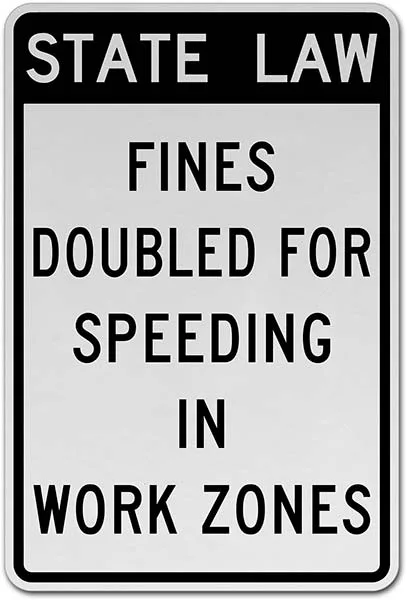
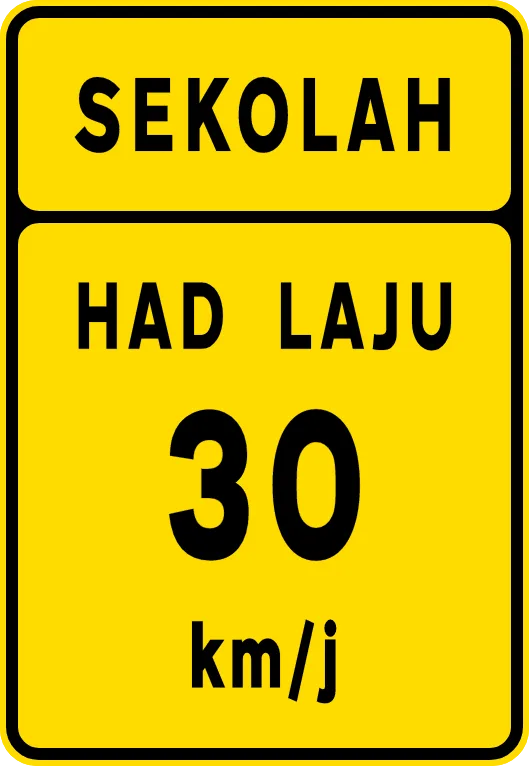
Connecticut’s work zone laws are governed by CGS §14-218a, which explicitly states that fines for speeding violations are doubled in designated work zones. These zones are clearly marked with signs indicating reduced speed limits and the doubled fine warning.
Wikimedia Commons / FS88 (CC BY-SA)
Reduced speed limits are temporary and apply only within marked boundaries. Typical reductions are 10 to 20 mph below the normal limit. For example, a 55 mph highway may drop to 45 mph in a work zone.
Where and When the Doubled Fines Apply
Doubled fines apply in all active work zones, defined as areas where construction, maintenance, or utility work is occurring on or near the roadway. This includes state highways, interstates, and local roads.
The doubled fine rule is in effect 24/7, even when workers are not present. The key factor is the presence of work zone signage, which legally establishes the zone. This means if you see a "Work Zone, Fines Doubled" sign, the rule applies regardless of time or activity.
Work zones are typically marked with:
- Advance warning signs
- Speed limit reduction signs
- "Fines Doubled" signs
- End of work zone signs
Exact Fine Amounts and Penalties in Connecticut
The base fine for speeding varies depending on how much you exceed the posted limit. When doubled in a work zone, the penalties add up quickly.
| Speed Over Limit | Base Fine | Work Zone Fine (Doubled) |
|---|---|---|
| 1–9 mph | $50–$90 | $100–$180 |
| 10–19 mph | $90–$150 | $180–$300 |
| 20–29 mph | $150–$250 | $300–$500 |
| 30+ mph | $250–$500+ | $500–$1,000+ |
In addition to fines, speeding violations in work zones may result in points on your license. For example, speeding 10, 19 mph over the limit adds 2 points, while 20+ mph over can add 3, 5 points.
How Work Zone Speed Limits Are Set
Connecticut Department of Transportation sets work zone speed limits based on road type, traffic volume, and the nature of the work. These limits are always lower than the normal posted speed for that stretch.
The most common reductions are 10 to 20 mph below the standard limit. CTDOT coordinates with local police and state troopers to ensure speed limits are appropriate for the conditions.
Who Enforces These Laws and How
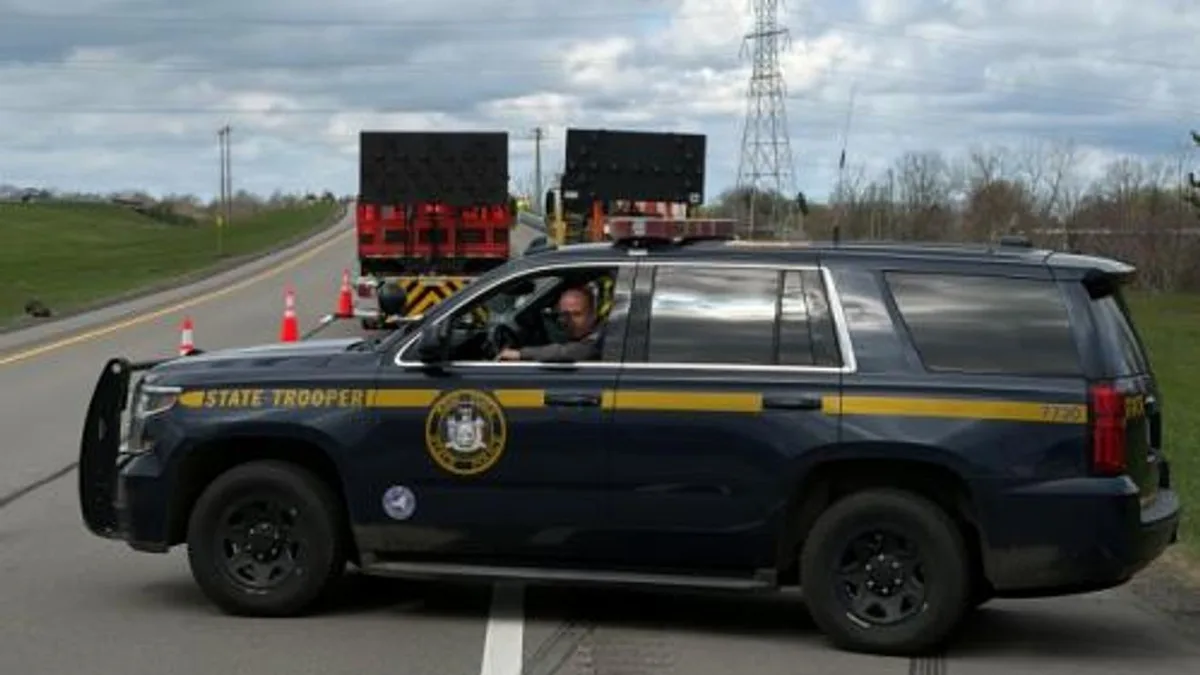
Enforcement is a joint effort between Connecticut State Police and local law enforcement agencies. Officers use radar, LIDAR, and visual observation to catch speeders in work zones.
Bing (Web (fair-use with source credit))
State troopers often conduct targeted patrols in known work zones, especially during peak construction hours. Local police departments also participate, particularly on municipal roads. All tickets are issued by officers present at the scene.
Common Mistakes Drivers Make in CT Work Zones
Many drivers assume work zone speed limits only apply when workers are visible. This is false. The doubled fine rule is in effect whenever the work zone signs are posted.
Another common mistake is ignoring advance warning signs. Drivers often wait until the last moment to slow down, which can be dangerous in areas with sudden lane shifts.
Some motorists also fail to maintain a safe following distance in work zones. Reduced speeds mean you need more space to react.
How to Avoid a Work Zone Speeding Ticket
Obey the posted speed limits. As soon as you see a work zone sign, reduce your speed to the indicated limit.
Pay attention to the sequence of signs. The first warning sign is your cue to start slowing down. The actual speed limit sign marks where the reduced limit begins.
Use cruise control carefully in work zones. The changing conditions often require frequent speed adjustments.
What Happens If You Get Caught Speeding in a Work Zone
If you're caught speeding in a Connecticut work zone, you'll receive a citation with the doubled fine amount. The officer will note the work zone location on the ticket.
You have the option to pay the fine or contest the ticket in court. In addition to the fine, you'll likely receive points on your license.
Work Zone Safety Tips for Drivers
Slow down before you reach the work zone. The advance warning signs are your first clue to reduce speed.
Bing (Web (fair-use with source credit))
Keep a safe distance from the car in front of you. Stay alert and avoid distractions. Put your phone away and focus on the road.
Connecticut vs. Other States: Work Zone Fine Comparisons
Connecticut's doubled fine policy is stricter than some neighboring states. New York also doubles fines in work zones, but only when workers are present.
Massachusetts has a similar law, but their base fines are generally lower. Rhode Island doesn't have a statewide doubled fine policy for work zones.
| State | Fine Multiplier | Workers Present Requirement |
|---|---|---|
| Connecticut | 2x | No |
| New York | 2x | Yes |
| Massachusetts | 2x | No |
| Rhode Island | 1x | N/A |
Real-Life Scenarios: What Counts as a Work Zone?
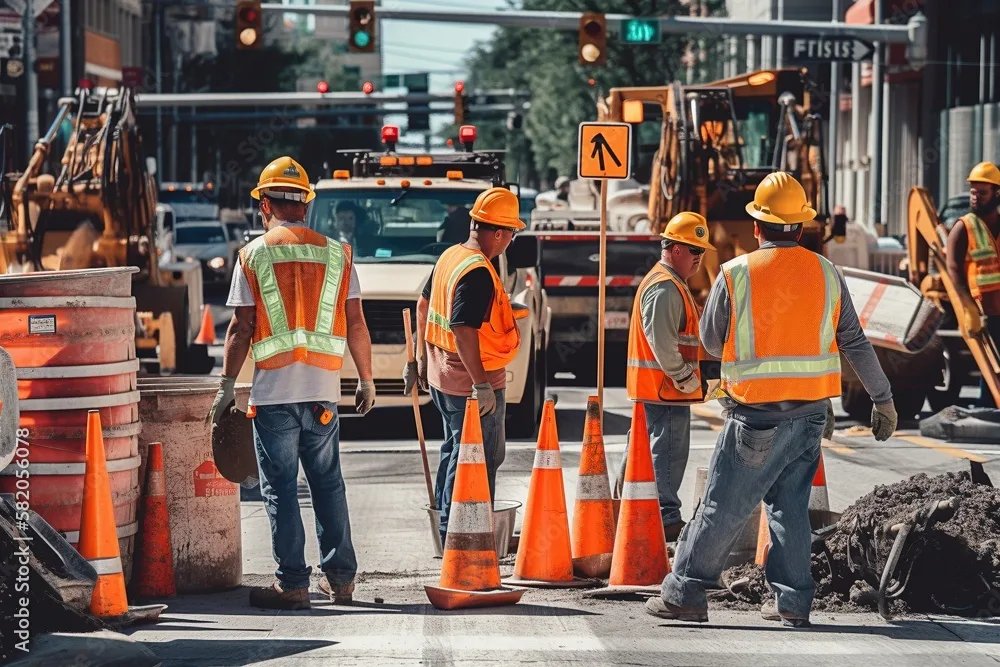
A work zone is any area with construction, maintenance, or utility work. Temporary traffic control devices like cones and barriers mark the boundaries.
Mobile work zones, like pothole repair crews, also count. These often have reduced speed limits and doubled fines, even for short stretches of road.
Frequently Asked Questions
Do work zone fines apply at night or on weekends?
Yes. Connecticut's doubled fine rule applies 24/7 as long as the work zone signs are posted. The law doesn't require workers to be present for the fines to double.
What if I didn't see the work zone signs?
Ignorance of the signs isn't a valid defense. Drivers are responsible for obeying all posted speed limits and warnings. The signs are placed according to state regulations to ensure visibility.
Can I get a warning instead of a ticket?
Officers have discretion, but in work zones they often issue tickets due to the safety risks. The best approach is to always obey the posted limits.
How do I know where work zones are located?
CTDOT provides updates on active work zones through their website and 511 travel information system. Pay attention to road signs and local news for the latest information.
Are the fines really doubled for any speeding violation?
Yes. Any speeding violation within a marked work zone results in a doubled fine. This includes even minor speeding offenses.