Connecticut motorcycle helmet law requirements for riders under 18 are clear: if you're under 18, you must wear a DOT-approved helmet while riding or operating a motorcycle. This isn’t just a recommendation, it’s the law, and breaking it can mean fines and, more importantly, serious safety risks.
As of 2026, Connecticut General Statutes § 14-289g mandates this rule, and the helmet must meet the U.S. Department of Transportation’s FMVSS 218 standard. So before you or your teen hits the road, let’s break down exactly what’s required.
Quick Answer
Connecticut requires all motorcycle riders under 18 to wear a DOT-approved helmet. The helmet must meet FMVSS 218 safety standards. Violations can result in a $90 fine.
No exceptions exist for passengers under 18.
Connecticut’s Motorcycle Helmet Law for Riders Under 18: What You Need to Know
The law is straightforward: if you’re under 18 and on a motorcycle in Connecticut, a helmet isn’t optional. This applies whether you’re the operator or a passenger. The rule is enforced by the Connecticut State Police and local law enforcement, and it’s designed to reduce the risk of head injuries, which are a leading cause of fatalities in motorcycle accidents.

The law doesn’t just stop at wearing any helmet. It specifically requires that the helmet meets the DOT FMVSS 218 standard, which ensures it provides adequate protection in a crash. This standard covers impact resistance, penetration resistance, and retention system effectiveness.
For parents, this means double-checking that any helmet you buy for your teen carries the proper certification. For young riders, it means understanding that skipping the helmet isn’t just risky, it’s illegal.
How Connecticut’s Helmet Law Works for Riders Under 18
The law is part of Connecticut’s broader effort to improve road safety for vulnerable users. Unlike some states that require helmets for all riders, Connecticut’s law targets minors specifically. This means that once a rider turns 18, they’re no longer legally required to wear a helmet, though it’s still strongly recommended.
Enforcement typically happens during traffic stops or at safety checkpoints. Officers will look for the DOT certification label on the helmet, which is usually found on the back or inside. If a minor is caught without a compliant helmet, the fine is issued to the rider, not the parent or guardian.
The law also doesn’t distinguish between public and private property. Even if you’re riding on a private road or in a parking lot, the helmet requirement still applies.
DOT-Approved Helmets: What’s Legal and What’s Not
Not all helmets are created equal, and Connecticut’s law is very specific about what’s acceptable. A DOT-approved helmet must meet the Federal Motor Vehicle Safety Standard (FMVSS) 218, which is set by the U.S. Department of Transportation.
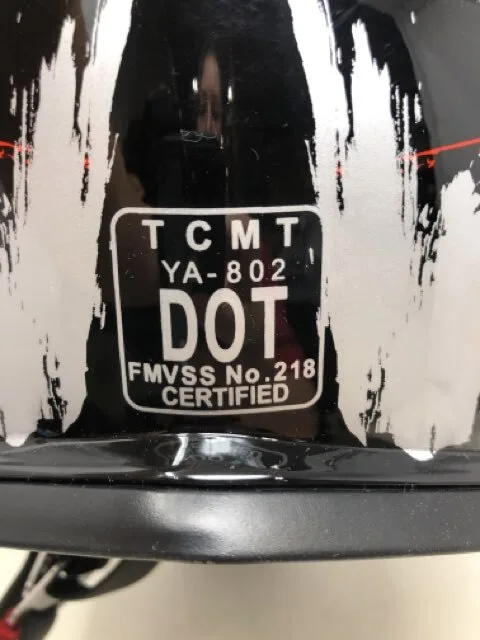
Here’s how to verify if a helmet is DOT-approved:
- Look for the DOT symbol on the back of the helmet.
- Check for the manufacturer’s labeling inside the helmet, which should include the FMVSS 218 certification.
- Ensure the helmet has a thick inner liner (usually about 1 inch thick) made of polystyrene foam.
- The helmet should weigh around 3 pounds and have a sturdy chin strap with a secure fastening system.
Helmets that don’t meet these criteria, such as novelty helmets, bicycle helmets, or those without the DOT label, are not legal under Connecticut’s law.
Why the Law Exists: Safety Risks for Young Riders
Motorcycle riding carries inherent risks, and young riders are particularly vulnerable. According to the National Highway Traffic Safety Administration (NHTSA), helmets are estimated to be 37% effective in preventing fatal injuries to motorcycle riders.
Connecticut’s law aims to mitigate these risks by ensuring that minors are protected by the best available safety gear. The DOT standard is rigorous, testing helmets for their ability to absorb impact, resist penetration, and stay securely fastened during a crash.
Parents and guardians play a critical role in enforcing this law. Wearing a helmet should be as automatic as buckling a seatbelt, and starting this practice young can save lives.
The Fine for Breaking the Rule (And How to Avoid It)
The penalty for violating Connecticut’s under-18 helmet law is a $90 fine. This applies to the rider, not the parent or guardian. Officers won’t pull you over just for a helmet check, but if you’re stopped for another reason and found without a compliant helmet, you’ll face the fine.
Avoiding it is simple. Always wear a DOT-approved helmet. Double-check the label before buying.
How to Check if a Helmet Meets Connecticut’s Standards
Start with the label. A DOT-approved helmet will have a permanent sticker on the back with the DOT symbol. Inside, you’ll find the manufacturer’s labeling, which must include "FMVSS 218" or "DOT."
Next, inspect the build. The helmet should have a thick inner liner, usually about 1 inch of polystyrene foam. The chin strap must be sturdy with a secure fastening system.
Common Mistakes Parents and Teen Riders Make
Some assume any helmet will do. Bicycle helmets, novelty helmets, or those without DOT certification don’t meet the law’s requirements. Others forget to check the label, assuming the helmet is safe just because it looks protective.
Another mistake is buying a used helmet. Even if it has the DOT label, a helmet that’s been in a crash may have hidden damage. Always buy new for minors to ensure full protection.
What Happens If a Minor Is Caught Without a Helmet?
If a minor is stopped without a DOT-approved helmet, the officer will issue a $90 fine. The citation goes to the rider, not the parent.
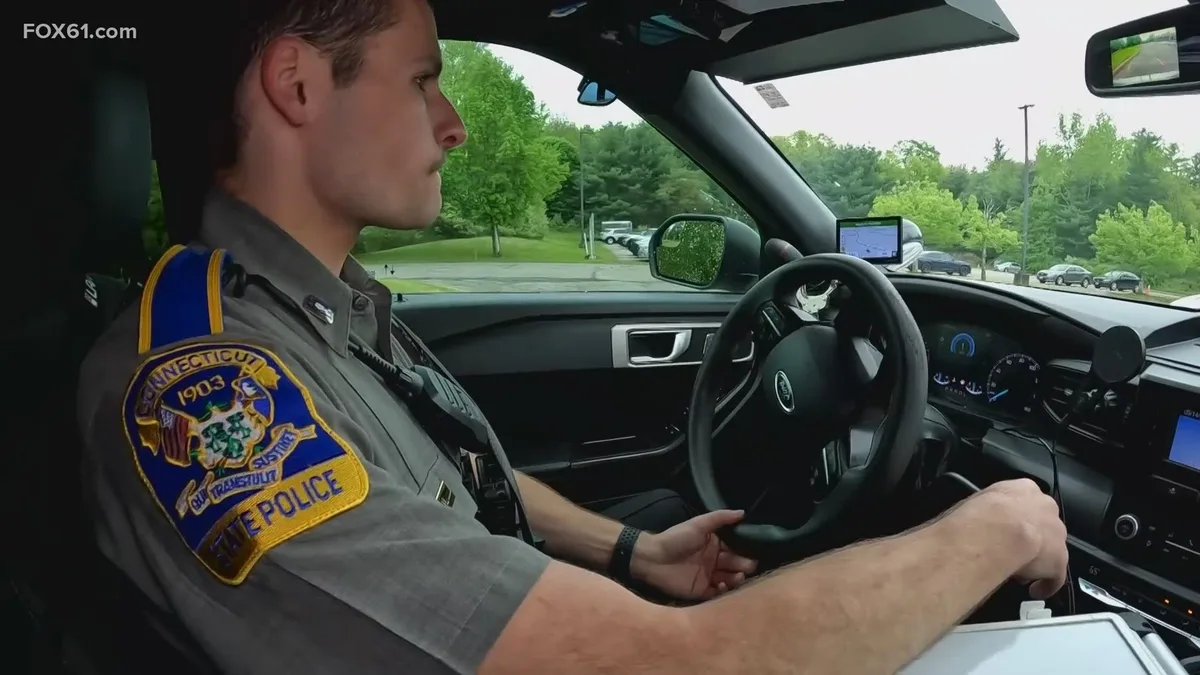
The fine is a civil penalty, not a criminal offense. But riding without a helmet increases the risk of severe injury or death in a crash.
Helmet Types: Full-Face vs. Open-Face for Under-18 Riders
Full-face helmets cover the entire head, including the chin and face. They offer the most protection, especially in front-impact crashes. Open-face helmets leave the face exposed, providing less protection but more airflow.
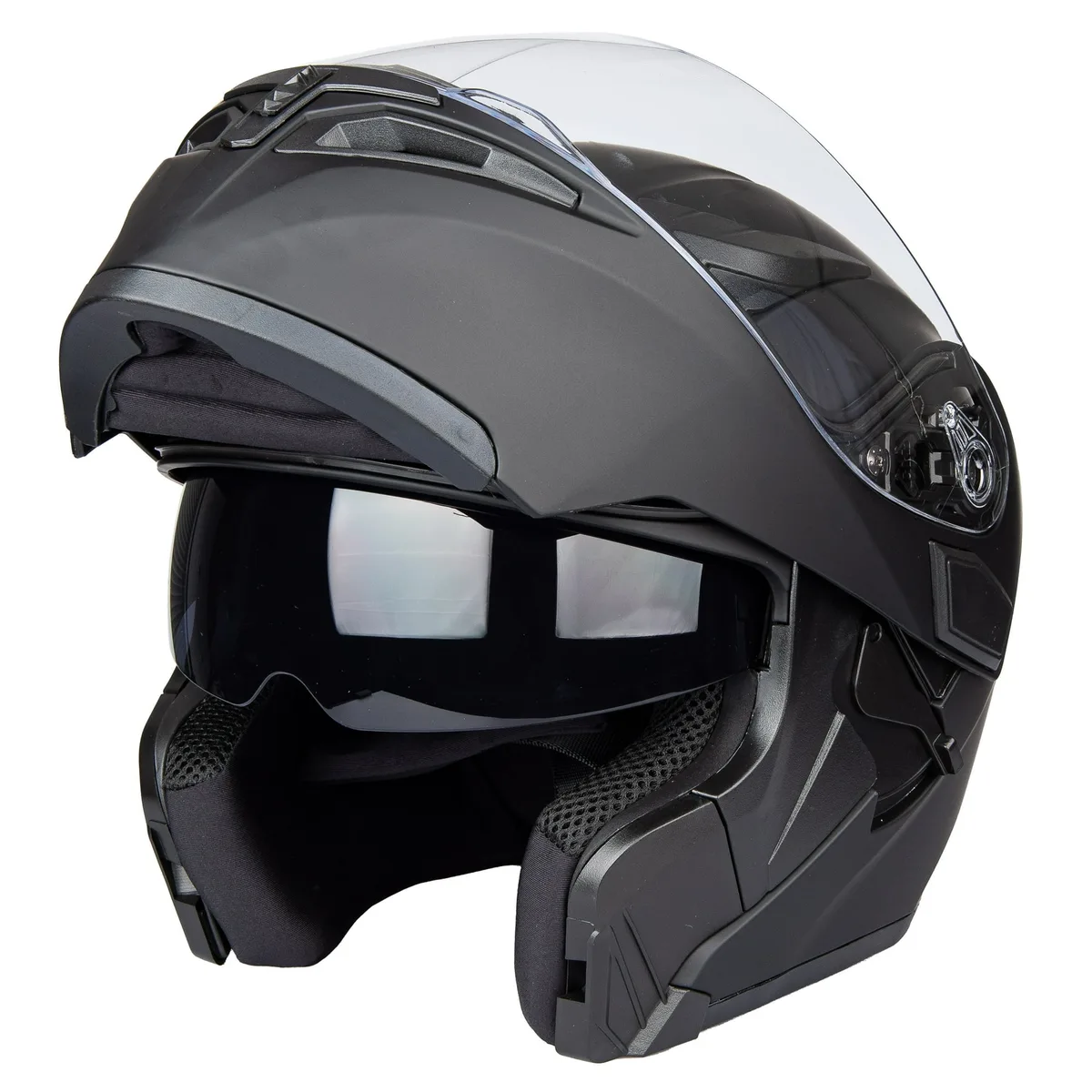
For under-18 riders, full-face helmets are the safer choice. They reduce the risk of facial injuries and provide better overall protection. Open-face helmets are legal if DOT-approved, but they’re not as protective.
Expert Tips for Buying a Compliant Helmet in Connecticut
Start with the DOT label. If it’s missing, the helmet isn’t legal for under-18 riders. Look for the FMVSS 218 marking inside or on the back.
Fit matters just as much as certification. A helmet should sit snugly without wobbling. The chin strap needs to fasten securely, with no more than two fingers’ width of slack.
Avoid helmets with cracks, loose padding, or damaged straps. Even a DOT-approved helmet loses effectiveness after a crash.
FAQs About Connecticut’s Under-18 Motorcycle Helmet Law
Does the helmet law apply to passengers under 18?
Yes. Connecticut requires all riders and passengers under 18 to wear a DOT-approved helmet.
Can a 17-year-old ride without a helmet if they have a learner’s permit?
No. The age requirement is absolute. Anyone under 18 must wear a helmet, regardless of permit or license status.
What’s the difference between DOT and ECE helmets?
DOT helmets meet U.S. safety standards. ECE helmets meet European standards. Connecticut only recognizes DOT certification for compliance.
Are modular helmets legal for under-18 riders in Connecticut?
Yes, if they’re DOT-approved. Modular helmets flip up but must meet the same safety standards as full-face or open-face helmets.
Can I get a warning instead of a fine for a first offense?
No. The law sets a $90 fine for violations. Officers don’t have discretion to issue warnings instead.
Do I need to wear a helmet on private property?
Yes. Connecticut’s law applies everywhere, including private roads and driveways.