Delaware biennial vehicle registration options for four or more years let you skip the DMV line for longer stretches. If you’re tired of renewing every two years, Delaware does offer extended registration periods under specific conditions.
As of 2026, the state allows multi-year registration for certain vehicles, but the rules aren’t automatic. You’ll need to check eligibility, fees, and emissions requirements before committing.
Quick Answer
Delaware offers multi-year registration for qualifying vehicles. The standard period is two years. Four-year options exist for newer passenger cars.
Fees scale with the registration length.
How Delaware’s Biennial Registration Works
Delaware’s default registration cycle is two years. You’ll get a sticker and card valid for 24 months. The system aligns with the state’s emissions testing schedule.
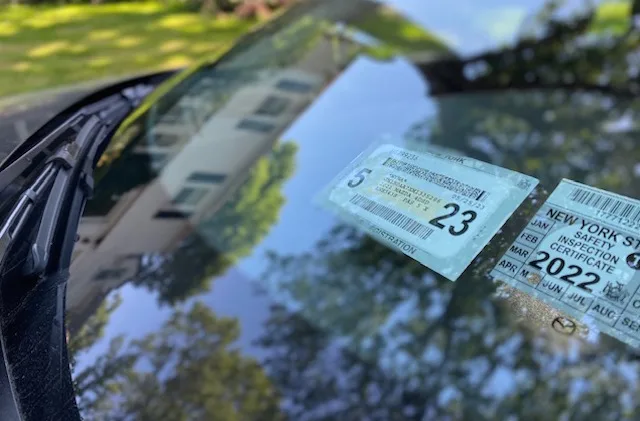
Biennial registration means you handle paperwork and fees once every two years. The Delaware Division of Motor Vehicles sends a renewal notice about 60 days before expiration. If you don’t receive it, you’re still responsible for renewing on time.
The process is straightforward. You’ll need your current registration, proof of insurance, and payment. Emissions testing may be required depending on your vehicle’s age and county.
New Castle County has stricter rules than Kent or Sussex.
Who Qualifies for Multi-Year Registration in Delaware?
Not every vehicle can skip the biennial cycle. Delaware allows longer registration periods for specific cases.
Passenger vehicles under 8 years old may qualify for four-year registration. Older cars typically stick to the two-year cycle. Commercial vehicles and motorcycles usually don’t qualify for extended terms.
Leased vehicles often have restrictions. Check your lease agreement before applying. Fleet vehicles may have different rules depending on usage and ownership.
Delaware’s 4-Year vs. 2-Year Registration: Key Differences
| Feature | 2-Year Registration | 4-Year Registration |
|---|---|---|
| Duration | 24 months | 48 months |
| Fee Structure | Lower upfront cost | Higher upfront, potential long-term savings |
| Eligibility | Most vehicles | Newer, qualifying vehicles only |
| Emissions Testing | Required every 2 years | Required at renewal (every 4 years) |
| Renewal Frequency | More often | Less often |
Four-year registration reduces hassle. You’ll visit the DMV or handle renewals online half as often. The trade-off is a larger upfront payment.
Two-year registration keeps costs spread out. It’s the default for most drivers and works well if you prefer smaller, frequent payments.
Step-by-Step: How to Register for 4+ Years in Delaware
Start by checking your vehicle’s eligibility. The Delaware DMV website has a tool for this. You can also call or visit a local office.
Gather your documents. You’ll need your current registration, proof of insurance, and emissions test results if required. Have your vehicle identification number (VIN) ready.
Choose your renewal method. Delaware offers online, mail-in, and in-person options. Online is fastest for most drivers.
Mail-in works if you prefer paper forms.
Pay the fee. Four-year registration costs more upfront but may offer savings over time. Accepted payment methods include credit/debit cards, checks, and money orders.
Receive your new registration. You’ll get a sticker and card by mail or on the spot if you visit in person. Keep the documents in your vehicle as required by law.
Costs: Biennial vs. 4-Year Registration Fees
Delaware’s registration fees depend on vehicle type and weight. Passenger cars typically pay $40 for two years. Four-year registration often costs around $80 upfront.
The exact amount varies. Heavier vehicles and trucks pay more. Check the Delaware DMV fee schedule for your specific case.
Paying for four years upfront can save time. It doesn’t always save money. Compare the total cost before deciding.
Emissions & Inspection Rules for Long-Term Registration
Delaware requires emissions testing for most vehicles. New Castle County has the strictest rules. Kent and Sussex counties have more lenient requirements.
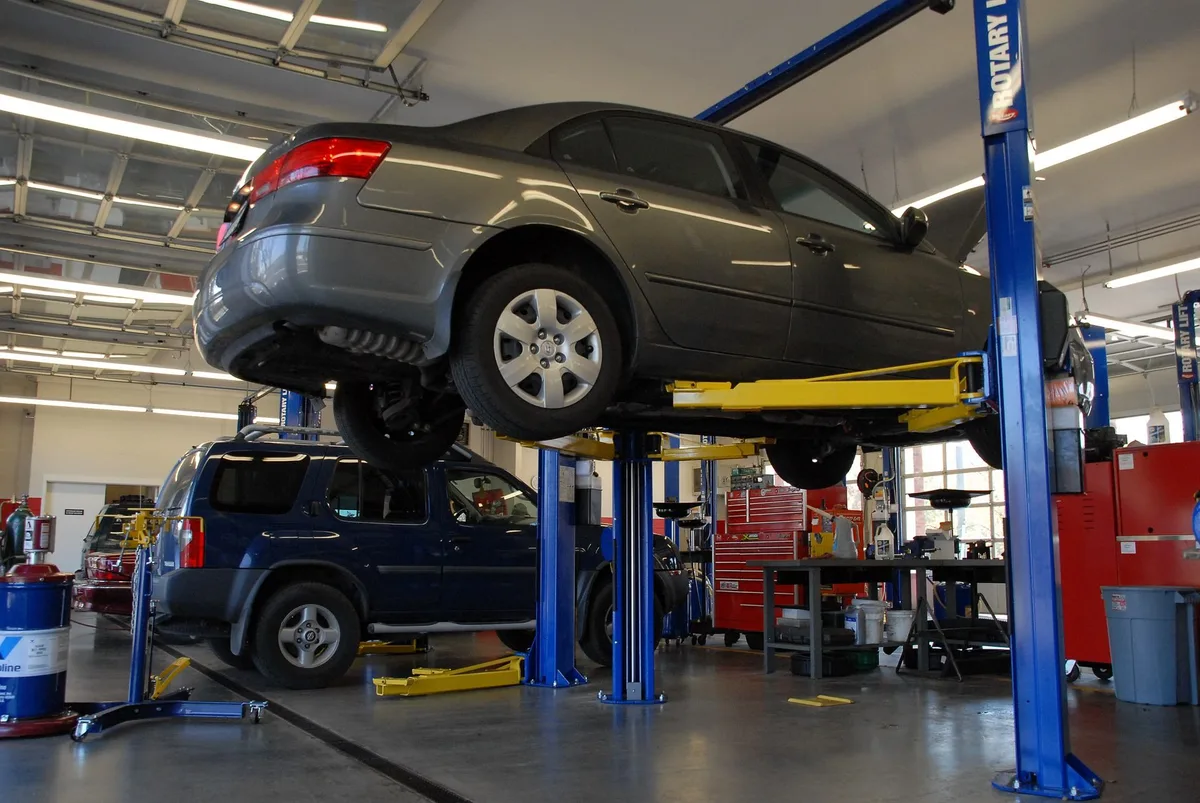
Vehicles newer than 5 years are often exempt. Older cars must pass a test every two years. Four-year registration doesn’t skip this requirement.
If your car fails the test, you’ll need repairs. You can’t register until it passes. Plan ahead to avoid lapses.
Common Mistakes That Block Multi-Year Registration
Missing the renewal deadline is the top issue. Delaware charges late fees. Your registration becomes invalid until you pay.
Not updating your address can cause problems. The DMV sends notices to your last known address. If it’s wrong, you might miss critical reminders.
Forgetting emissions testing is another common mistake. Even with four-year registration, you still need to test on schedule. Check your county’s rules.
What Happens If You Skip or Miss the Renewal?
Driving with expired registration is illegal. You could face fines. Police can pull you over for this alone.
Delaware doesn’t offer a grace period. The moment your registration expires, you’re out of compliance. Late fees start immediately.
If you’re caught driving unregistered, you’ll owe back fees plus penalties. The longer you wait, the more it costs. Renew on time to avoid hassles.
Special Cases: Leased, Commercial, or Out-of-State Vehicles
Leased vehicles often have registration restrictions. The leasing company may handle renewals. Check your contract before applying for multi-year registration.
Commercial vehicles usually don’t qualify for four-year terms. They often need annual or biennial renewals. Confirm with the DMV.
Out-of-state vehicles registered in Delaware follow the same rules. You’ll need to meet all Delaware requirements. This includes emissions testing if applicable.
Delaware DMV Locations & Where to Go for Help
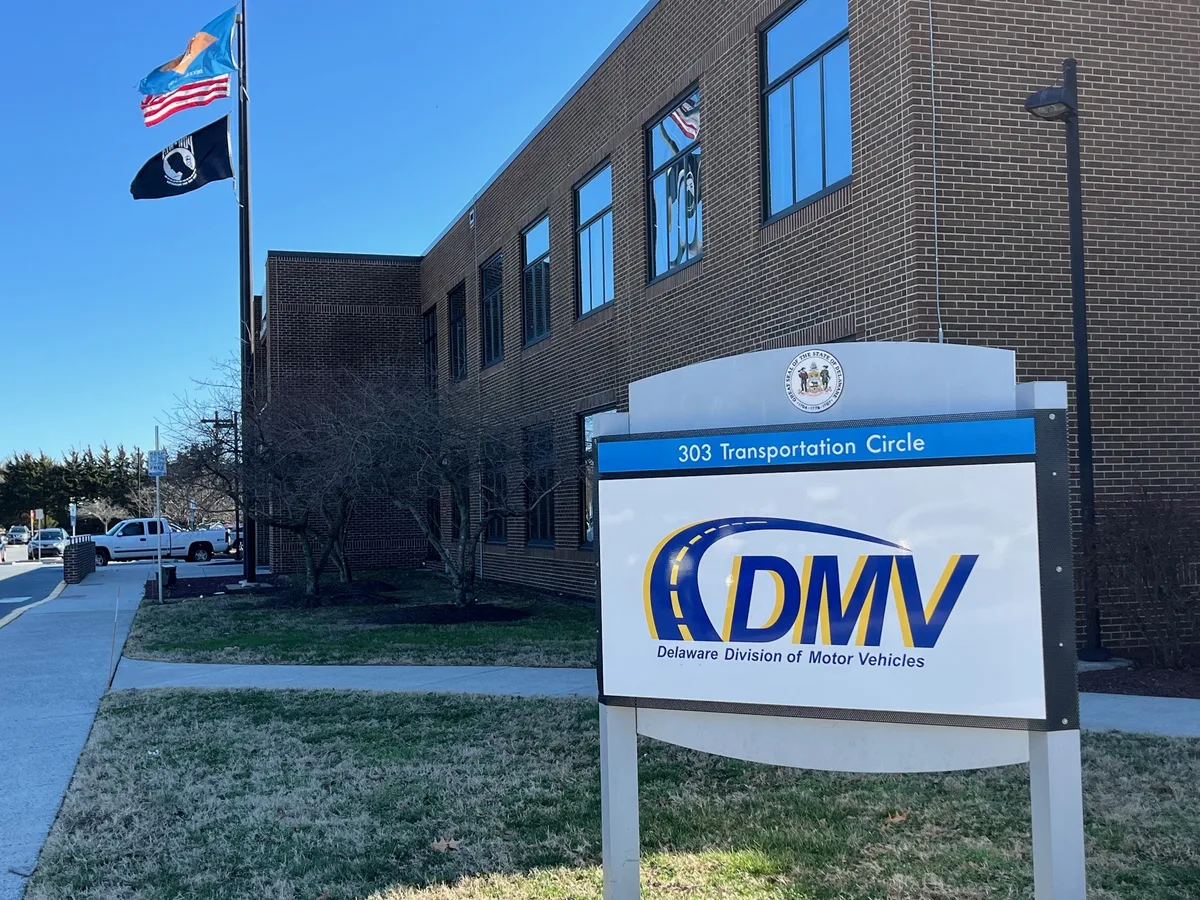
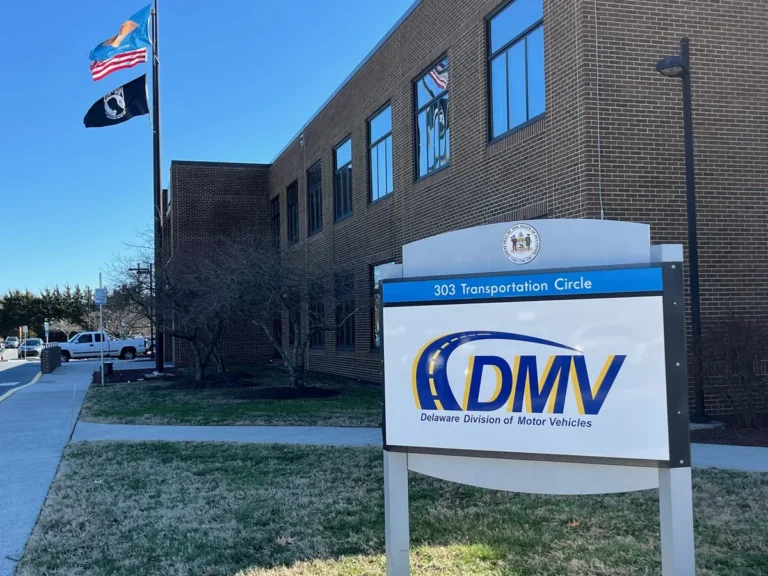
Delaware has four main DMV offices. They’re in Wilmington, Dover, Georgetown and Glasgow. Each handles registrations, renewals and testing.
Wilmington is the busiest. Dover and Georgetown serve their counties. Glasgow covers northern Kent and New Castle.
Check the Delaware DMV website for hours and services. Some locations require appointments. Others accept walk-ins.
FAQs About Delaware’s Long-Term Vehicle Registration
Can I register my car for 4 years if it’s older than 8 years?
No. Delaware limits four-year registration to newer vehicles. Older cars must renew every two years.
Do I still need emissions testing with a 4-year registration?
Yes. Emissions tests are separate from registration. New Castle County requires testing every two years.
What happens if I move during my 4-year registration?
Update your address with the DMV within 30 days. This keeps your records current.
Can I pay for 4-year registration online?
Yes. Delaware’s online portal accepts credit and debit cards. You’ll need your registration and insurance details.
Are there discounts for multi-year registration?
Sometimes. The total fee may be slightly lower than paying biennially. Compare the costs before deciding.
Final Checklist: Are You Set for 4+ Years?
Confirm your vehicle qualifies. Most passenger cars under 8 years old do. Older vehicles don’t.
Check your county’s emissions rules. New Castle County requires testing. Kent and Sussex may not.
Gather your documents. You’ll need registration, insurance proof and payment. Have your VIN ready.
Choose your renewal method. Online is fastest. Mail-in and in-person options are available.
Pay the fee. Four-year registration costs more upfront. It may save time and hassle.
Confirm your vehicle qualifies. Most passenger cars under 8 years old do. Older vehicles don’t.
Check your county’s emissions rules. New Castle County requires testing. Kent and Sussex may not.
Gather your documents. You’ll need registration, insurance proof and payment. Have your VIN ready.
Choose your renewal method. Online is fastest. Mail-in and in-person options are available.
Pay the fee. Four-year registration costs more upfront. It may save time and hassle.