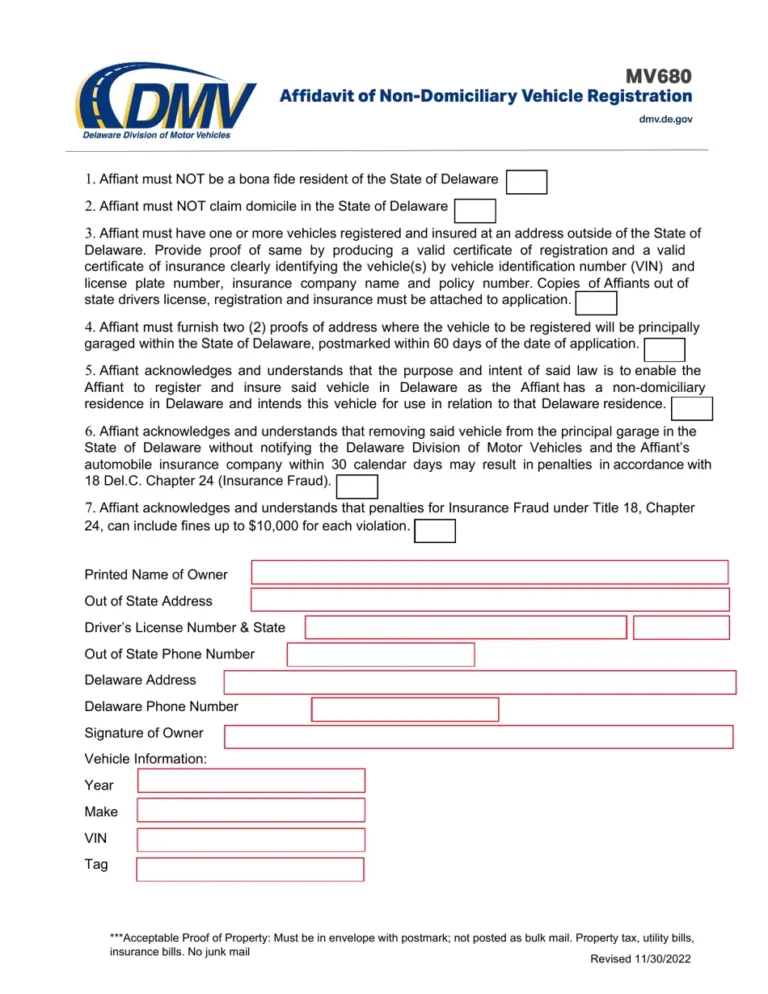
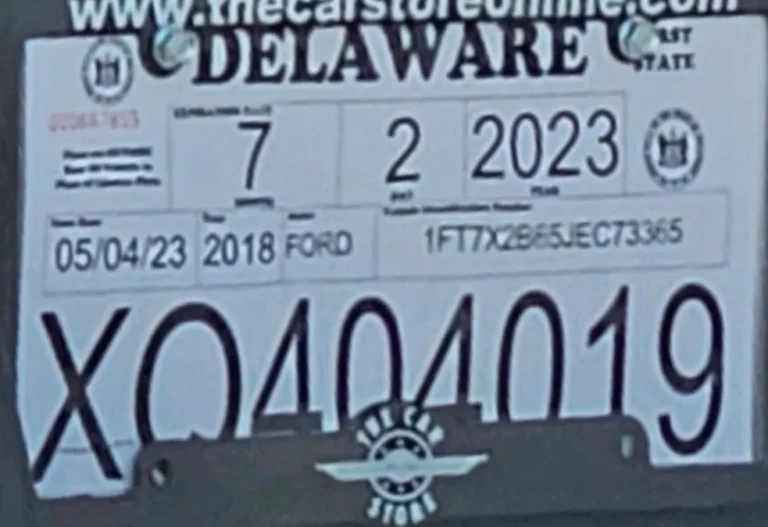
Buying a car in Delaware comes with a mandatory 4.25 percent vehicle document fee, and the Delaware 4.25 percent vehicle document fee calculation for car purchases is straightforward once you know the rules. This fee applies to the purchase price or the vehicle’s NADA value, whichever is used for the transaction, and it’s a non-negotiable cost set by state law.
As of 2026, Delaware doesn’t charge sales tax on vehicles, so this document fee is one of the few fixed costs you’ll pay at purchase. Understanding how it’s calculated helps you budget accurately and avoid surprises at the dealership.
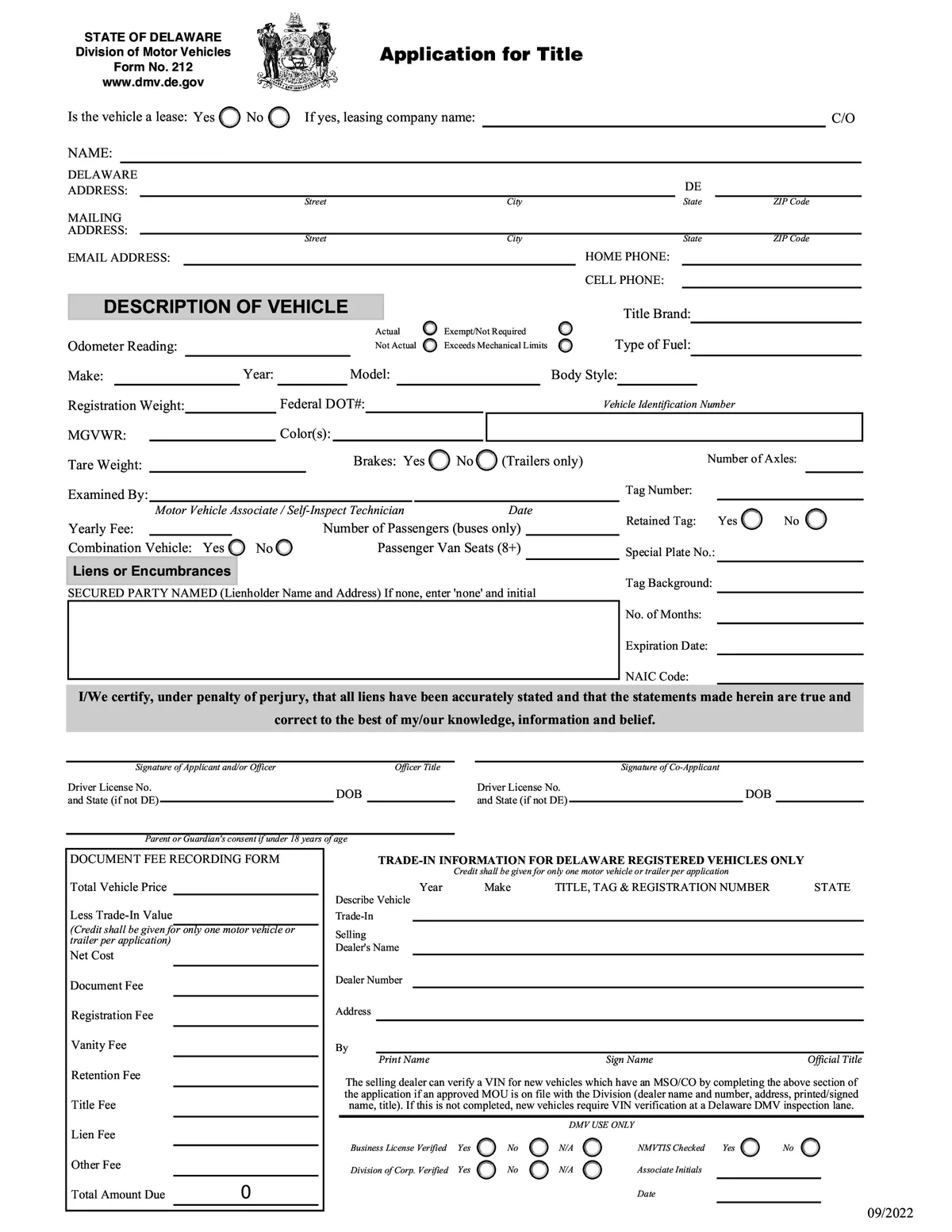
Quick Answer
The Delaware 4.25 percent vehicle document fee calculation for car purchases is 4.25% of the vehicle’s purchase price. If no sale price exists, the fee is based on the NADA value. It’s a state-mandated cost for title and registration processing.
Dealers cannot mark it up. The fee is due at the time of purchase or transfer.
What Delaware’s 4.25% Vehicle Document Fee Actually Is
This fee is a state-imposed charge for processing vehicle title and registration documents. It’s not a tax, but it’s required for every car purchase or transfer in Delaware. The Delaware Division of Motor Vehicles collects it to fund administrative operations.
The fee applies to new and used vehicles, private sales, and dealership purchases. It’s separate from other costs like registration or plates. Unlike some states, Delaware doesn’t add sales tax, so this fee is one of the few fixed expenses you’ll encounter.
Why This Fee Exists and Who Pays It
Delaware uses this fee to cover the cost of processing titles, registrations, and other paperwork. Every buyer pays it, whether you’re purchasing from a dealer or a private seller. The fee ensures the state can maintain its vehicle records and services.
It’s not optional, and it’s not a dealer add-on. The 4.25% is set by law, and dealers must pass it directly to the state. If you’re transferring a title or registering an out-of-state vehicle, you’ll still pay this fee based on the vehicle’s value.
How the 4.25% Fee Is Calculated (With Examples)
The calculation is simple: take the vehicle’s purchase price and multiply by 0.0425. For example, a $20,000 car would have an $850 document fee. If there’s no purchase price (like a gift or inheritance), the fee is based on the NADA value.
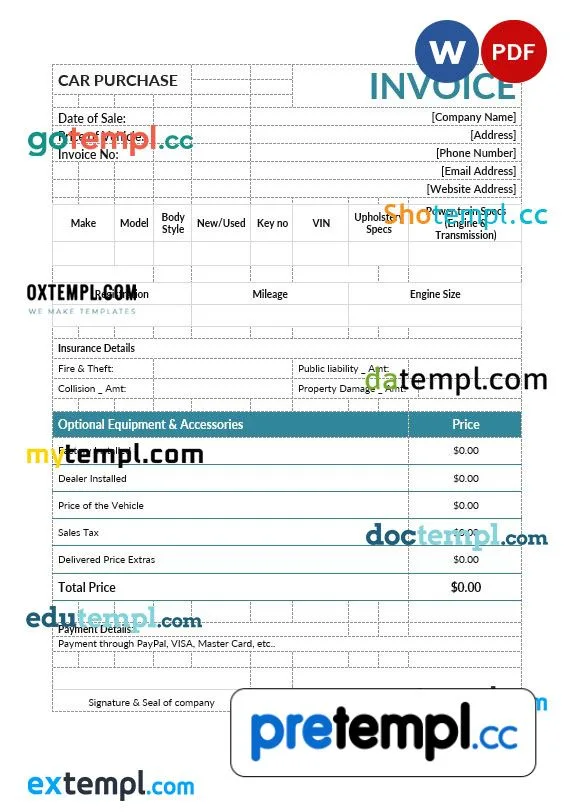
Here’s how it breaks down:
| Vehicle Price | 4.25% Document Fee |
|---|---|
| $10,000 | $425 |
| $25,000 | $1,062.50 |
| $50,000 | $2,125 |
If the vehicle is a trade-in or has no clear sale price, the NADA value is used instead. This ensures the fee is fair and consistent.
Document Fee vs. Sales Tax vs. Dealer Fees in Delaware
Delaware doesn’t charge sales tax on vehicles, so the 4.25% document fee is often the largest mandatory cost at purchase. Some dealers may add their own administrative fees, but these are separate from the state’s 4.25% and should be clearly disclosed.
The document fee goes to the state, while dealer fees (if any) stay with the dealership. Always check your purchase agreement to confirm which fees are state-mandated and which are dealer add-ons.
Step-by-Step: Calculating Your Fee Before Buying
Start with the vehicle’s purchase price from the bill of sale. Multiply that amount by 0.0425 to get the exact fee. If you’re buying from a private seller, use the agreed-upon price.
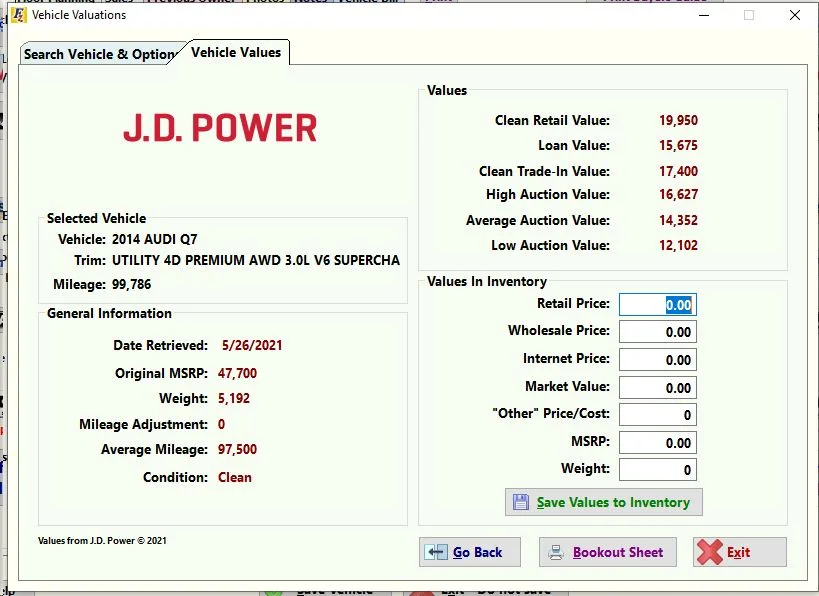
For trade-ins or gifts, you’ll need the NADA value. Check the NADA Guides for the current market value of the vehicle. The state uses this as the basis when no sale price exists.
When the Fee Is Based on Purchase Price vs. NADA Value
The purchase price is used for standard sales, whether from a dealer or private party. This is the most common scenario for most buyers.
NADA value kicks in for gifts, inheritances, or trade-ins where no direct sale occurs. The state wants a fair market value to apply the fee consistently.
Common Mistakes That Cost Buyers Extra
Some buyers assume the fee is optional or negotiable. It’s not. The 4.25% is set by Delaware law and applies to every transaction.
Others confuse it with dealer fees. The state’s document fee is separate from any additional charges a dealer might add. Always ask for a breakdown of all fees before signing.
What’s Exempt (And What’s Not)
Most vehicle purchases and transfers are subject to the fee. There are no broad exemptions for new vs. used cars.
The only exceptions are rare cases like state-to-state transfers or certain fleet transactions. For most buyers, the fee applies.
How Dealers Should (and Shouldn’t) Handle the Fee
Dealers must disclose the 4.25% fee upfront. They cannot mark it up or bundle it with other charges.
If a dealer adds a separate "document fee" on top of the state’s 4.25%, that’s their own charge. Ask for clarification to avoid overpaying.
Where the Money Goes and Why It’s Non-Negotiable
The 4.25% fee funds Delaware’s Division of Motor Vehicles operations. This includes title processing, registration services, and record-keeping for all vehicles in the state.
It’s non-negotiable because it’s a legal requirement, not a dealer add-on. The state sets the rate, and dealers must collect it on behalf of the DMV.

Delaware’s Official Rules and Where to Verify Them
The fee is outlined in Delaware Title 21, Chapter 21. This is the legal framework governing vehicle documentation and fees.
For the most current information, check the Delaware DMV website. They provide official guidance and fee schedules.
FAQs About the 4.25% Fee
Is the 4.25% fee the same as sales tax?
No. Delaware has no sales tax on vehicles. The 4.25% is a separate document fee for title and registration processing.
Can I avoid paying the fee?
No. It’s mandatory for all vehicle purchases and transfers in Delaware. The only exceptions are rare cases like state-to-state transfers.
Does the fee apply to private sales?
Yes. Whether you buy from a dealer or a private seller, the 4.25% fee applies to the purchase price.
What if the car is a gift?
For gifts, the fee is based on the vehicle’s NADA value instead of a purchase price.
Can dealers charge more than 4.25%?
No. The state sets the rate at 4.25%. Any additional fees from dealers are separate and must be disclosed.