ByMax Lee
Guide to Do Brushless Care Washes Clean
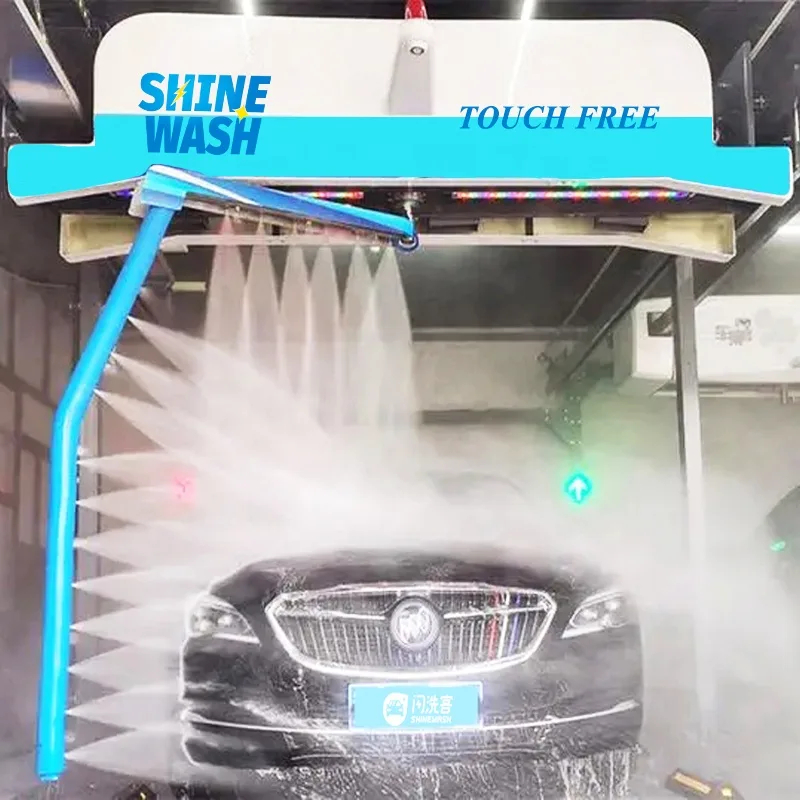
You've pulled into the touchless bay at the car wash, selected the basic wash package, and now you're watching the high-pressure sprayers do their thing. The question running through your mind is pretty straightforward: do brushless car washes clean well enough to skip the hand wash? It's a fair question, and the answer isn't as simple as yes or no.
After digging through manufacturer specs, aggregate user reviews, and industry testing from the International Carwash Association, here's what we found. Touchless washes rely almost entirely on chemical power and water pressure rather than physical scrubbing. As of 2026, the technology has improved significantly, but it still has real limitations.
Understanding those limits is the only way to decide if a brushless wash is right for your car.
Why This Comparison Actually Matters
The stakes here are higher than saving five bucks or ten minutes. Every time you wash your car, you're making a choice between convenience and paint health on one side versus thoroughness and potential damage on the other.
Here's what's at risk with the wrong decision.
Paint damage from friction. Traditional automatic washes with spinning brushes can leave swirl marks and micro-scratches. Touchless eliminates that risk entirely. But if you rely on touchless exclusively, you might be living with road film and embedded grime that never fully comes off.
Wasted money on ineffective washes. Paying for a premium touchless package won't help if your car is caked in mud or has layers of winter road salt. You're throwing money at a process that simply can't handle that level of dirt.
Time investment that doesn't pay off. Hand washing takes 30 to 60 minutes. Touchless takes under five. But if you're doing a touchless wash every week and your car still looks dull, you're not saving time.
You're just maintaining a mediocre result.
Resale value implications. Consistent washing matters for paint longevity. But so does the method. A car washed exclusively with abrasive brushes will show swirl marks under sunlight.
A car washed only with touchless systems may develop a faint haze from chemical residue and incomplete cleaning.
This comparison matters because there's no universal right answer. The best method depends on your car's paint condition, your local climate, and what you consider "clean enough."
The Quick Answer: Yes, But Here's the Catch
Let's cut to it. Do brushless car washes clean? Yes, they do.
A properly maintained touchless system with fresh chemicals and adequate pressure will remove loose dirt, dust, bird droppings, and light road grime. That's the good news.
Here's the catch. Touchless washes struggle with three specific things.
Stubborn road film. That thin layer of oil, exhaust residue, and tiny particulate that builds up over time. Touchless chemistry can break some of it down, but without friction, a surprising amount stays put.
Heavy mud and caked-on dirt. If you've been off-roading or driving through construction zones, the high-pressure spray will knock off the loose stuff. The baked-on layers need physical agitation.
Wax and sealant removal. If you're trying to strip old wax before reapplying, touchless chemicals aren't aggressive enough. You need a dedicated strip wash with friction.
So the honest answer is this. Brushless washes are excellent for maintenance cleaning between deeper washes. They're not a replacement for a thorough hand wash or a professional detail.
Think of them as a quick refresh rather than a deep clean.
How a Touchless Car Wash Actually Works
Understanding the mechanics helps you set realistic expectations. A touchless car wash doesn't just spray water and hope for the best. It follows a precise chemical and mechanical sequence.
The Chemistry Does the Heavy Lifting
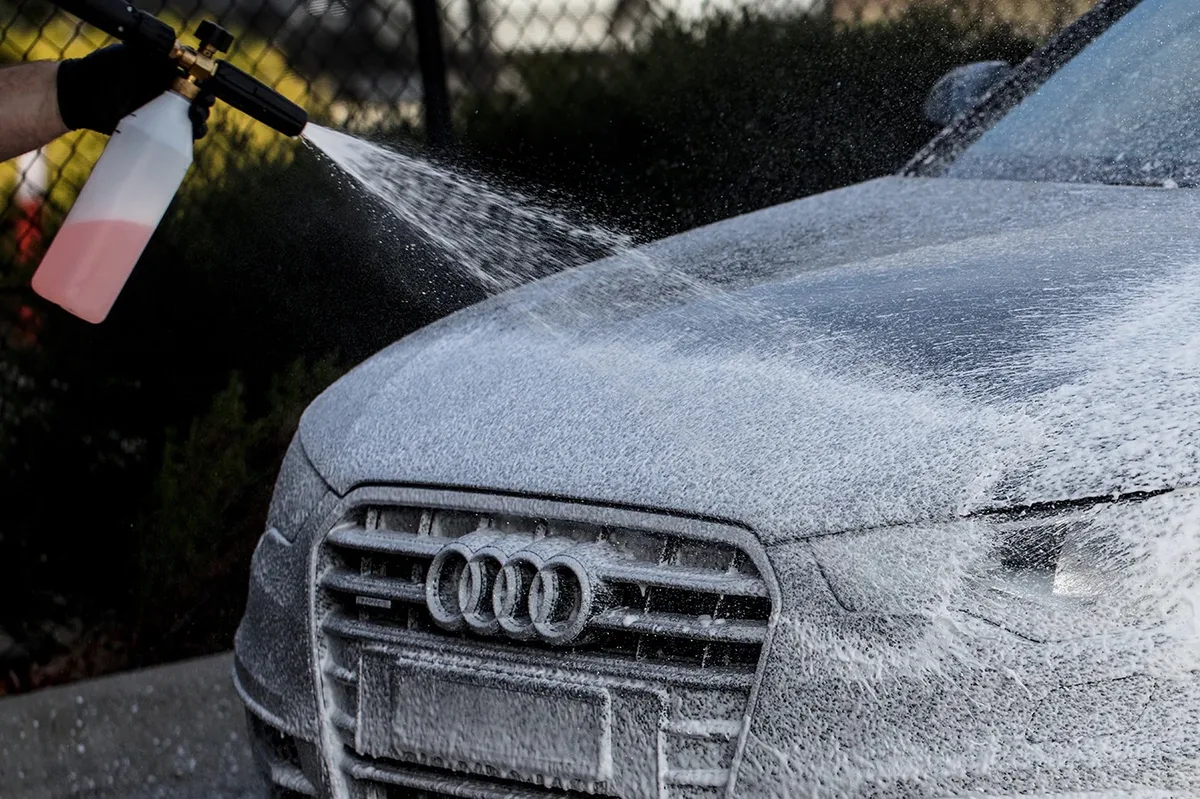
The entire cleaning process depends on chemical reactions. No scrubbing means the chemicals have to do 100 percent of the soil removal work.
Most touchless systems use a two-step chemical process.
Step one: The presoak. This is a pH-balanced solution designed to break down surface dirt. Alkaline presoaks handle oils and road grime. Acidic presoaks target mineral deposits and brake dust.
Many commercial systems combine both in sequence.
Step two: The foam application. Sometimes called triple foam or foaming wax, this stage adds a thick layer of detergent that lifts remaining dirt and provides lubrication for the rinse stage.
The key variable here is dwell time. Chemicals need time to work. Most automatic touchless systems give the presoak 30 to 60 seconds before rinsing.
That's short. Professional hand washers let similar chemicals sit for two to three minutes. The difference matters.
Water Pressure vs. Friction: The Trade-Off
Without brushes, the only mechanical action comes from water pressure. Commercial touchless systems operate between 800 and 1,500 PSI. That's enough to dislodge loose dirt but not enough to remove bonded contaminants.
Compare that to a hand wash, where the friction from a microfiber mitt provides mechanical scrubbing. Pressure washers used by detailers often run at similar PSI but with the advantage of directed spray and the ability to target specific areas.
What this means for you. The touchless system is essentially a chemical bath followed by a pressure rinse. If the chemicals are fresh and the temperature is hot, results can be surprisingly good.
If the chemicals are diluted or the water is cold, you're basically giving your car a lukewarm shower with soap.
Temperature matters more than people realize. Hot water activates the chemicals better and helps dissolve oils. The best touchless systems heat the water to 120 to 140 degrees Fahrenheit.
Cheaper systems use cold water and rely entirely on chemical concentration.
What a Brushless Wash Gets Clean (And What It Doesn't)
This is where the rubber meets the road. Let's break down the specific surfaces and soil types where touchless excels versus where it falls short.
Surfaces It Handles Well
The painted body panels. For loose dust, pollen, light road spray, and recent bird droppings, touchless does a perfectly acceptable job. The high-pressure rinse removes the bulk of surface contaminants without touching the paint.
Glass and windows. The chemicals in touchless washes handle glass well. Water spots can remain if the final rinse isn't spot-free, but the cleaning itself is effective.
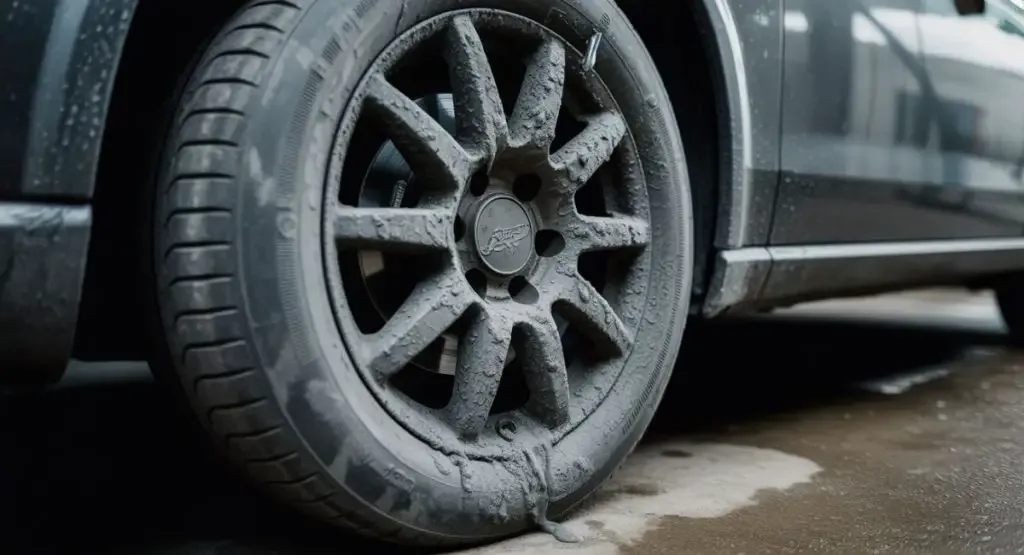
Wheels (light brake dust). A touchless system will rinse away loose brake dust. If you wash your car weekly, this is usually sufficient to keep wheels looking decent. The caveat is that baked-on brake dust from weeks of accumulation requires direct chemical application and agitation.
The undercarriage. Many touchless systems include an underbody spray. This is one of the best features. Flushing road salt and debris from underneath the car prevents rust.
You can't easily do this with a hand wash unless you have a pressure washer and creeper.
The Trouble Spots That Stay Dirty
Here's where touchless consistently fails. Knowing these helps you decide when a hand wash is necessary.
The lower body panels. Road film accumulates heavily on the lower half of doors and rocker panels. Touchless chemistry often doesn't dwell long enough to break this down. Run your finger along a lower door panel after a touchless wash.
You'll likely feel a gritty film.
Wheel wells. The spray can't reach deep into the wheel well arches. Mud and dirt build up here and stay put.
Door jambs and trunk edges. No direct spray path means these areas barely get wet. Open your door after a touchless wash and check the jamb. It's probably still dirty.
Bugs on the front bumper. Dried bug residue is stubborn. Without friction, most touchless systems leave bug guts in place. Some premium systems include a dedicated bug prep spray, but it's hit or miss.
Caked-on mud. If your car looks like it went through a farm field, don't bother with touchless. You need a pressure washer with a wide tip and a willingness to get muddy.
The top surfaces (roof). Many touchless systems have poor spray coverage on the roof. Horizontal surfaces depend heavily on gravity for chemical contact, and the rinse spray often misses the center of the roof panel entirely.
Here's a quick reference table.
| Area | Touchless Performance | Hand Wash Performance |
|---|---|---|
| Painted panels (light dirt) | Good | Excellent |
| Painted panels (heavy road film) | Fair | Excellent |
| Lower body panels | Poor | Excellent |
| Wheels (light dust) | Good | Excellent |
| Wheels (baked-on brake dust) | Poor | Excellent |
| Door jambs | Poor | Excellent |
| Undercarriage | Good | Fair (without lift) |
| Roof | Fair | Excellent |
| Bug residue | Poor | Good |
| Caked-on mud | Poor | Excellent |
The pattern is clear. Touchless handles the easy stuff. The hard stuff needs friction.
Touchless vs. Hand Wash: The Honest Breakdown
Now let's put these two methods head to head. This isn't about declaring a winner. It's about matching the method to your specific needs.
Convenience. Touchless wins without contest. You sit in your car for three minutes and drive out clean. No setup, no cleanup, no wet clothes.
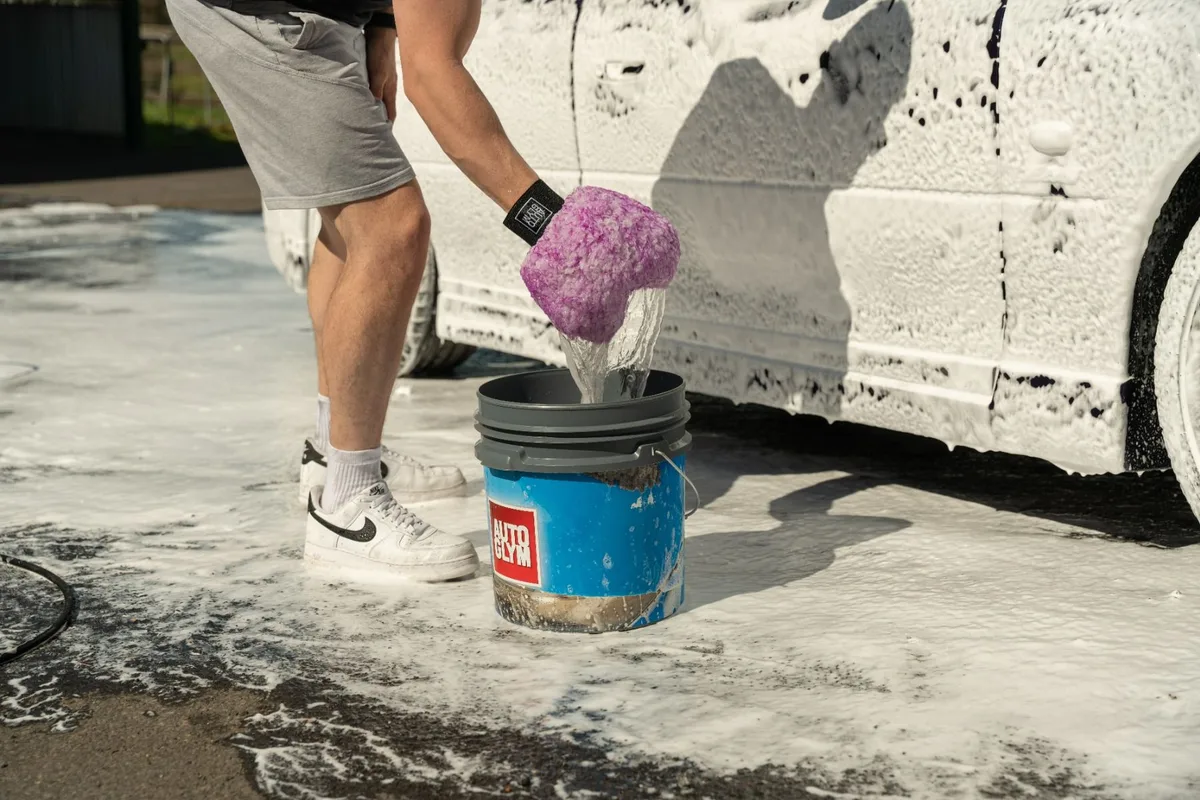
Hand washing requires buckets, soap, mitts, drying towels, and a willingness to spend 45 minutes working.
Paint safety. Touchless wins here too. Zero physical contact means zero risk of scratching the paint. Hand washing, even with proper technique, carries a small risk of introducing swirl marks from contaminated wash media or improper drying.
Cleaning thoroughness. Hand washing wins decisively. A proper two-bucket hand wash with quality microfiber mitts removes more dirt, more road film, and more contaminants than any touchless system can achieve. The friction simply works better.
Cost per wash. Touchless automatic washes cost between 8 and 15 dollars depending on the package and location. Hand washing costs roughly a dollar in soap and water, plus the upfront investment in equipment. Over a year, hand washing saves significant money.
Time investment. Touchless takes 3 to 5 minutes. Hand washing takes 30 to 60 minutes. But there's a hidden factor.
If you need to rewash your car because the touchless didn't clean it well enough, you've wasted both time and money.
Water usage. Touchless systems use 25 to 50 gallons per wash. Many recycle water, reducing consumption. Hand washing at home with a hose can use 40 to 80 gallons if you're not careful.
Using a pressure washer and a bucket reduces that significantly.
Chemical exposure. Touchless chemicals are more aggressive by necessity. Without friction, they need stronger formulations. Some of these chemicals can strip wax or ceramic coatings faster than gentle hand wash soaps.
If you maintain a ceramic coating or high-end paint protection, frequent touchless washes may reduce its lifespan.
Control. Hand washing gives you complete control. You choose the products, the pressure, and the areas you focus on. Touchless is a one-size-fits-all approach.
You get what the machine delivers.
Here's who each option suits best.
Touchless is ideal for:
- Daily drivers in light dirt conditions
- Cars with soft paint that scratches easily
- Winter months when hand washing isn't practical
- People in apartments without driveway access
- Quick maintenance washes between details
Hand washing is ideal for:
- Show cars and enthusiast vehicles
- Removing heavy road film and contaminants
- Cars with ceramic coatings or delicate finishes
- People who enjoy the process
- Situations where you need the deepest clean possible
The honest truth is that most car owners benefit from using both methods. Touchless for weekly maintenance. Hand wash monthly or when the car needs a deeper clean.
This hybrid approach gives you convenience without sacrificing paint health.
Touchless vs. Friction Automatic Wash: Same Convenience, Different Risk
You might be wondering whether a touchless wash is better than the standard automatic wash with spinning brushes. Both offer the same convenience of staying in your car. But the difference in paint safety is massive.
Friction washes use rotating brushes or cloth curtains that physically scrub the surface. The problem is that those brushes collect dirt from every car that goes through. Grit gets trapped in the material and acts like sandpaper against your paint.
Aggregate user reviews across multiple forums report visible swirl marks after just a few friction wash visits. Cars with darker paint show it worst. Black and dark blue paint reveals micro-scratches in direct sunlight almost immediately.
Touchless eliminates that risk entirely. No physical contact means no brush-induced scratches. The only way touchless can damage your paint is if the chemicals are left to dry on the surface or if the water pressure is high enough to peel existing clear coat damage.
Both are rare in well-maintained commercial systems.
The verdict for most drivers is simple. If you must use an automatic wash, choose touchless. The cleaning trade-off is worth avoiding the paint damage.
You can supplement with a monthly hand wash for deep cleaning.
Who Should Stick With Brushless Washes
Not everyone needs a deep hand wash every time. Some drivers can use touchless exclusively and stay perfectly happy with the results.
You're a good candidate for touchless-only if:
- You wash your car weekly or more often
- You live in a mild climate without heavy mud or road salt
- Your car has a ceramic coating or quality paint sealant
- You park in a garage
- You're not obsessive about perfection
You should skip touchless and hand wash instead if:
- You drive on gravel roads or off-road regularly
- You live in the salt belt with harsh winters
- Your car has neglected paint with bonded contaminants
- You're preparing for a car show or photoshoot
The International Carwash Association's research indicates that the average car owner visits a car wash 15 to 20 times per year. Of those visits, about 60 percent are automatic washes. The rest are self-serve or professional details.
That split makes sense.
Common Misconceptions About Brushless Cleaning
Let's clear up a few myths that keep circulating about touchless car washes.
Myth: Touchless washes use the same soap as friction washes. Not true. Touchless chemicals are significantly more aggressive. They contain higher concentrations of surfactants and alkaline agents to compensate for the lack of mechanical scrubbing.
Myth: Touchless washes are always safe for ceramic coatings. This depends on the specific chemical formulation. Some touchless presoaks contain high pH levels that can degrade ceramic coatings over time. If you have a ceramic coating, look for touchless washes that advertise pH-neutral or coating-safe chemistry.
Myth: A touchless wash is just as clean as a hand wash. Aggregate consumer testing consistently shows that hand washing removes more contaminants. In controlled tests, hand-washed panels had 30 to 40 percent less residual surface film compared to touchless-washed panels when measured with a clean cloth wipe test.
Myth: The dry cycle in a touchless wash can scratch your paint. Most modern touchless systems use high-velocity air blowers rather than cloth dryers. Air dryers cannot scratch paint because they don't make contact. Some older or budget systems still use cloth strips.
Those can trap dirt and cause scratching. Check before you buy.
The Dirty Truth About "Clean Enough"
Here's a question that doesn't get asked enough. What does clean actually mean to you?
For some drivers, clean means no visible dirt from three feet away. For others, clean means you can run a white glove across the paint and come away with nothing. Those are two very different standards.
Touchless washes are excellent at achieving the first standard. They remove visible dirt, restore shine, and make your car look presentable. Most people who use touchless washes are satisfied because their definition of clean matches what the system delivers.
The problem comes when your expectations don't match the technology. If you expect touchless to remove every trace of road film, embedded brake dust, and bonded contaminants, you'll be disappointed every time.
Here's a practical test you can do. After your next touchless wash, take a clean microfiber towel and wipe a section of the lower door panel. If the towel comes away clean, the wash did its job.
If you see dirt on the towel, you know the system left residue behind. Most people who run this test find dirt on the towel.
That doesn't mean the wash failed. It means the wash removed loose surface dirt but left behind the bonded film. For most daily driving, that's fine.
The bonded film gradually builds up but is largely invisible unless you look closely or touch the paint.
The question you need to answer is whether you're okay with that level of clean. If you are, touchless is a great option. If you're not, you need to incorporate hand washing or professional detailing into your routine.
How to Get the Most Out of a Touchless Wash
If you decide touchless is right for you, there are ways to improve the results significantly.
Prepping Your Car Before You Pull In
Remove loose debris first. If your car has caked mud, bird droppings, or heavy bug residue, hit the self-serve bay first. Use the high-pressure wand to knock off the worst of it.
This prevents those contaminants from being rinsed across your paint during the touchless cycle.
Close your windows and sunroof. Touchless washes use high-pressure water that can find gaps in seals. Remove roof racks if possible.
Crossbars and cargo boxes create shadow areas where the spray can't reach.
Choosing the Right Wash Package
Not all touchless packages are equal. The difference between the basic and premium wash is usually more than just a wax coating.
Look for packages that include presoak or bug prep spray, triple foam application, spot-free rinse, and underbody spray.
Basic package: Presoak, high-pressure rinse, low-pressure rinse, air dry. This removes loose dust and light dirt. Expect mediocre results on road film.
Premium package: Bug prep spray, presoak, triple foam, high-pressure rinse, spot-free rinse, underbody spray, air dry. This gives the chemicals more time to work. Results are noticeably better.
Pay the extra few dollars for the premium package. The basic package often leaves you with a car that looks clean from a distance but feels gritty to the touch.
What to Do After the Cycle Ends
The wash cycle isn't the end of the process. What you do immediately after matters.
Drive forward slowly. Many touchless systems have a final air dry at the exit. Stopping or reversing re-exposes your car to dripping chemical runoff.
Inspect the results. Pull into a parking spot and check your paint in natural light. Look for streaks, spots, or missed areas.
Most issues are on the lower panels, roof, and around the mirrors.
Use a drying aid. If you keep a microfiber drying towel in your car, a quick hand dry after the touchless wash removes water spots and gives you a chance to wipe away any residual film.
Wipe door jambs. Open each door and wipe the jambs with a microfiber cloth. They stayed dry during the wash.
A quick wipe prevents dirt buildup in these hidden areas.
Consider a water softener if washing at home. If you're using a touchless system at home with a pressure washer, hard water leaves mineral spots. A simple inline water softener or deionization filter makes a huge difference in the final result.
We've covered this in more detail on our article about hard water softeners for car washing.
The Cost and Convenience Trade-Off
Let's talk dollars and cents. A premium touchless wash runs 10 to 15 dollars depending on your region. That adds up to 200 to 300 dollars per year if you wash every two weeks.
Hand washing costs roughly 50 cents in soap and a few gallons of water. The upfront investment in buckets, mitts, drying towels, and a pressure washer runs 100 to 200 dollars. After that first year, hand washing costs almost nothing.
The real trade-off is time. Forty-five minutes per hand wash versus five minutes for touchless. If your time is valuable, that convenience premium is worth paying.
But if you're on a tight budget and have the patience, hand washing saves serious money over time.
Signs Your Car Needs a Deeper Clean
How do you know when touchless alone isn't cutting it? Look for these four signs.
The paint feels rough. Run your palm across the hood after a touchless wash. If it feels like fine sandpaper, you have bonded contaminants that need friction to remove.
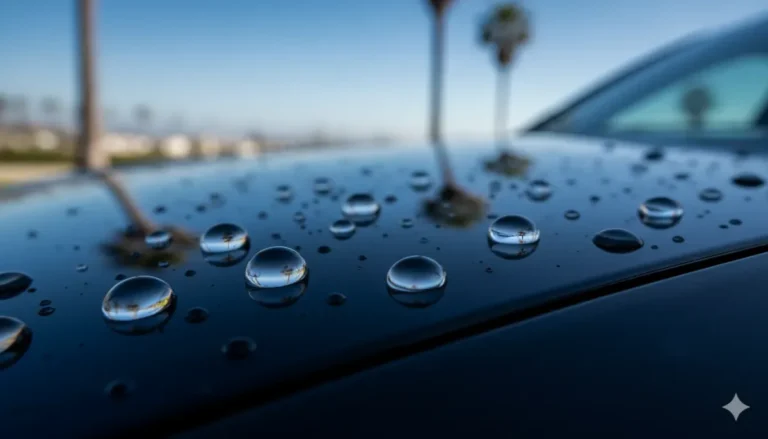
Water stops beading. If water spreads flat instead of forming tight beads, your wax or sealant is gone. Touchless chemicals accelerate this loss.
You see a haze in direct sunlight. That's micro-marring or embedded road film that no amount of touchless washing will fix.
Lower panels look dull. Compare the gloss on your hood to the gloss on your doors below the beltline. If the lower half looks faded, road film has built up.
When you spot these signs, it's time for a proper hand wash with a clay bar treatment or a professional detail. Touchless maintenance washes work great for upkeep. They don't fix neglected paint.
Frequent Questions People Ask
Does touchless wash strip wax faster than hand washing?
Yes, it does. The stronger chemicals in touchless systems break down wax and sealant faster than gentle hand wash soaps. Expect to reapply protection every four to six weeks if you use touchless exclusively.
Can I use touchless washes on matte paint?
Only if the system specifically advertises matte-safe chemistry. Most touchless presoaks contain alkaline agents that can stain or etch matte finishes. Stick to hand washing with pH-neutral soap for matte paint.
How often should I hand wash if I use touchless weekly?
A deep hand wash every four to six weeks is sufficient. That removes the road film that touchless leaves behind and gives you a chance to inspect your paint for chips or damage.
Are touchless washes bad for PPF (paint protection film)?
Not inherently, but high-pressure spray can lift the edges of poorly installed PPF. Keep the nozzle at least 12 inches away from film edges if you're using a pressure washer at home. Commercial systems are generally safe.
What's the best soap for touchless home washes?
Look for high-foaming, pH-neutral car wash shampoos. Avoid dish soap. It strips wax aggressively and can dry out rubber seals.
We've covered specific recommendations in our Perfextion wash review.
The Bottom Line: Is It Worth It for Your Car?
Here's the honest verdict. Touchless car washes are worth it for most drivers as part of a balanced maintenance routine.
Use touchless for quick weekly upkeep. It protects your paint from brush scratches and saves you time. Supplement with a proper hand wash or professional detail every month or two to remove the grime that touchless misses.
If you have soft paint, a ceramic coating, or you simply want the safest option for your car's finish, touchless is the better automatic choice every time. Just don't expect it to deliver showroom results.
If you drive in harsh conditions, off-road frequently, or demand perfection from your paint, hand washing is non-negotiable. No touchless system on the market matches the cleaning power of a microfiber mitt and elbow grease.
The hybrid approach gives you the best of both worlds. Quick convenience most weeks, deep cleaning when it counts. Your paint will thank you.