
Are you worried about how winter salt might damage your car’s paint? You’ve probably heard that ceramic coating offers strong protection, but does it really stand up to harsh salt and cold weather?
If you want your car to stay shiny and safe all winter long, understanding how ceramic coating works against salt is key. Keep reading to discover the truth about winter maintenance for coated cars and learn simple steps you can take to keep your vehicle looking its best, no matter how tough the season gets.

Credit: retrodetailing.com
How Salt Affects Car Surfaces
Salt causes corrosion on metal parts by speeding up rust formation. It eats away at the car’s metal body, especially under the paint. This can make the metal weak and cause holes over time.
Salt also harms the paint and finish. It can make the paint dull and cause small cracks. These cracks let water and air reach the metal, making rust worse. The car looks old and damaged.
Regular washing helps remove salt and protect the car’s surface. Ceramic coating adds a layer that resists salt, but it is not a full shield. Care is still needed to keep the car safe from salt damage.
Credit: octintsolutions.com
Role Of Ceramic Coating
Ceramic coating creates a strong, smooth layer on car paint. This layer helps water and dirt slide off easily. This is called hydrophobic property. It reduces salt sticking to the car during winter. Salt can cause rust and damage, but ceramic coating helps protect against this.
The coating is very durable. It can handle cold, snow, and salt without breaking down. This means the car stays protected for a long time. Even in harsh winter conditions, ceramic coating keeps the paint safe from scratches and stains caused by road salt.
Limitations Of Ceramic Coating
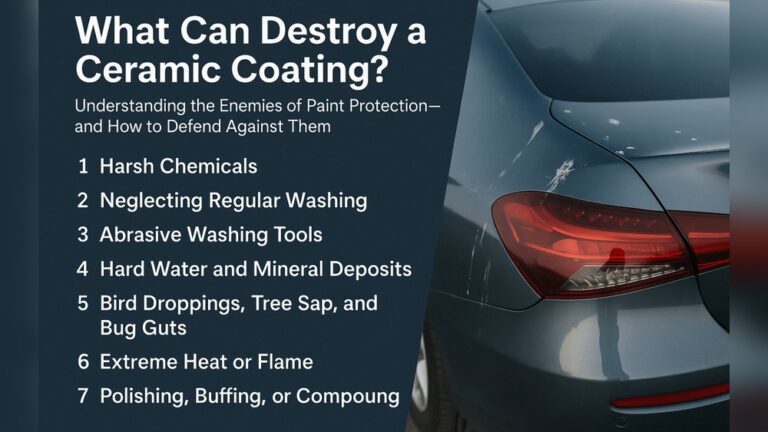
Ceramic coating adds a strong layer to your car’s paint. It helps protect from dirt, water, and light scratches. But it is not a full shield against salt and harsh winter chemicals.
Salt can still stick to the surface and cause damage over time. The coating slows down corrosion but does not stop it completely. Regular washing is very important to remove salt and road grime.
Also, ceramic coatings need periodic care. Over time, the protection wears out. Applying a top-up product can keep the coating working well longer.
| Limitation | Explanation |
|---|---|
| Not a Complete Barrier | Salt and chemicals can still reach paint and cause corrosion. |
| Maintenance Needed | Regular washing and reapplication are necessary to keep protection. |

Credit: spec-ring.com
Winter Car Care Practices
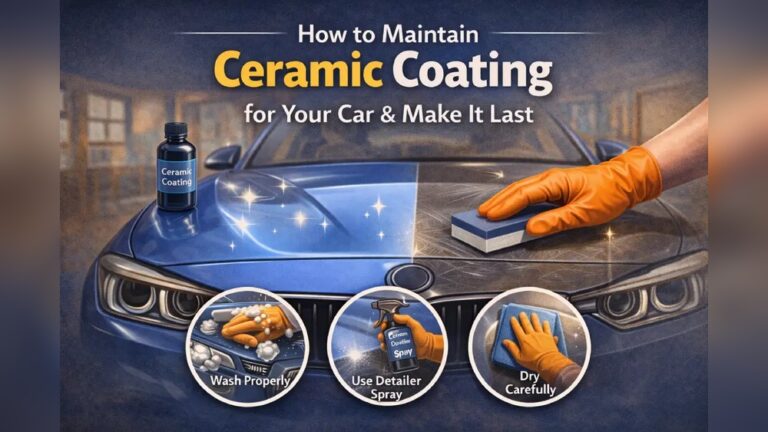
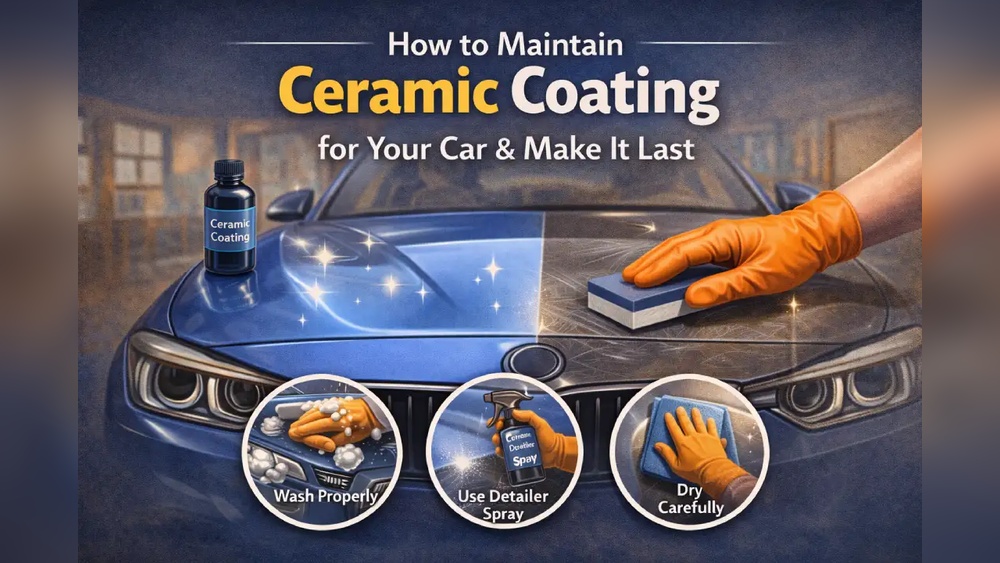
Regular washing helps remove salt and dirt that stick to the car. Use gentle soap and warm water to clean the surface without harming the coating. Wash the car often during winter to stop salt from building up and causing damage.
Protective sealants add an extra barrier to the ceramic coating. These sealants help repel water and salt, keeping the car cleaner and safer. Apply sealants as directed to maintain the car’s shine and protection.
- Avoid letting salt stay on the car for long.
- Rinse the car well after driving on salted roads.
- Pay attention to wheel wells and undercarriage areas.
- Use a soft cloth or sponge to prevent scratches.
Additional Protective Measures
Undercoating treatments create a strong barrier on the car’s underside. They help stop salt and moisture from causing rust. These treatments are usually sprayed on and dry to form a shield. This shield keeps the metal parts safe during winter. Applying undercoating before the cold season is a smart step.
Protective car covers add another layer of defense. They block salt spray, dirt, and ice from touching your car’s surface. Covers are easy to use and remove. Choose covers made for winter use with waterproof and breathable materials. This helps keep the car dry and clean.
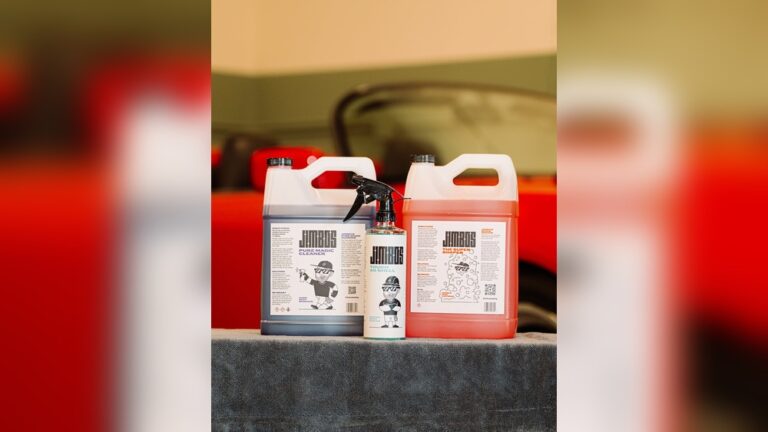
Choosing The Right Products
Quality ceramic coatings offer strong protection against salt damage. They create a hard, smooth surface that repels water and dirt. This helps reduce salt buildup on the car’s paint. Choose coatings that are durable and resistant to chemicals. These last longer through winter conditions.
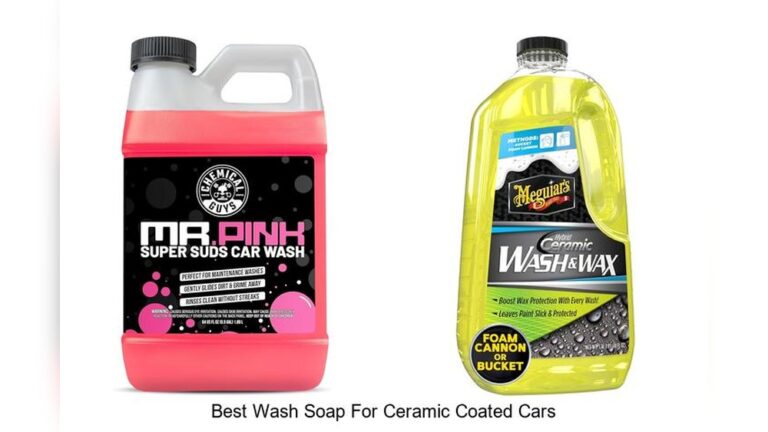
Use safe cleaning solutions to keep the coating effective. Avoid harsh soaps or acids that can break down the coating. Mild, pH-neutral car shampoos work best. Washing your car regularly removes salt and prevents corrosion. Rinse thoroughly with clean water after washing to clear away any residue.
Conclusion
Ceramic coating helps protect your car from salt damage. It creates a strong, smooth layer that repels salt and dirt. Still, regular washing is key to keep your car safe. Salt can be very harmful if left on the surface too long.
Use gentle cleaning products to avoid harming the coating. Check your car often during winter to catch any issues early. A good winter routine keeps your car looking great all season. Protecting your car takes effort, but it is worth it.