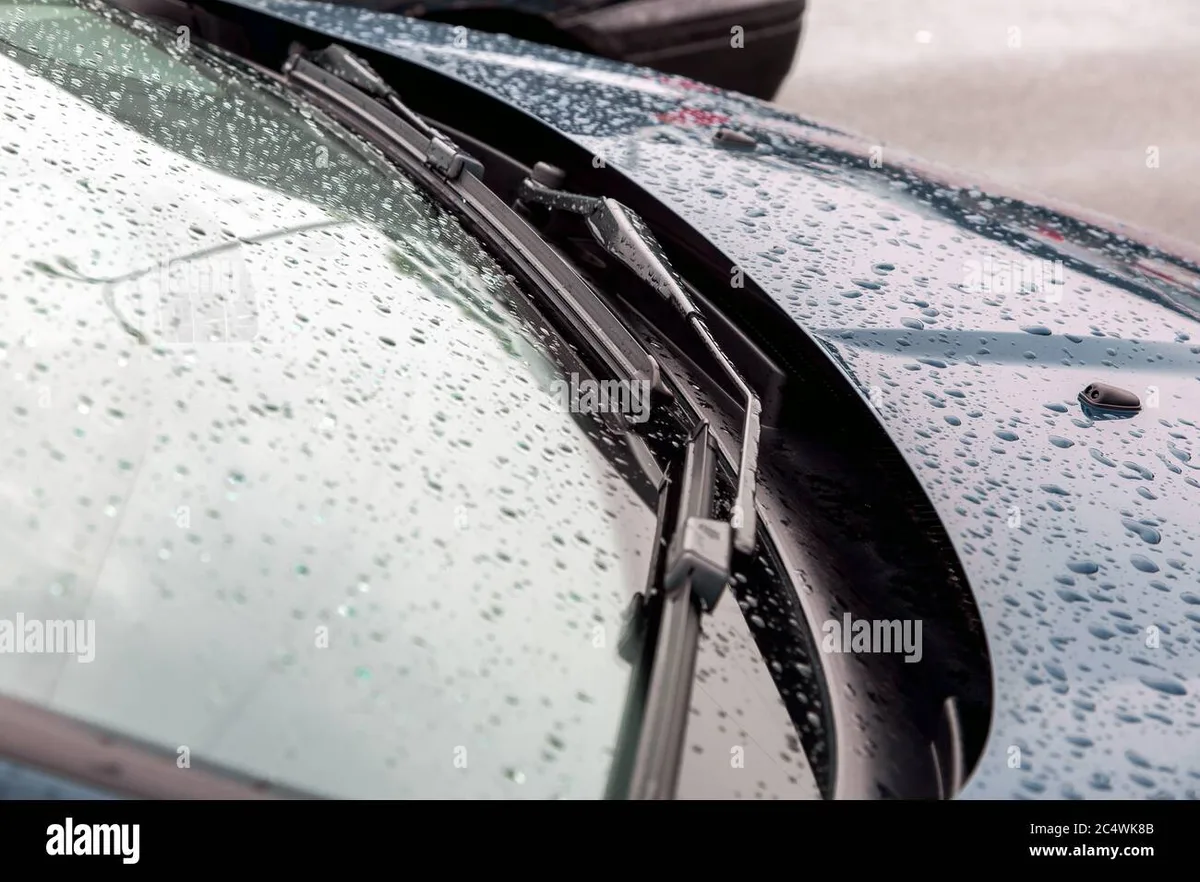
The Florida headlight use requirements during rain and windshield wiper activation are simple on paper but widely misunderstood. If your wipers are moving, your headlights must be on. That is the law.
Yet many drivers still get pulled over because they assume their daytime running lights are enough.
Florida averages 50 to 65 inches of rain annually. Most of it falls in sudden afternoon thunderstorms. Failure to turn on your headlights during these events contributes to preventable crashes.
Here is what you need to know to stay legal and safe.
Quick Answer
Florida law requires headlights whenever windshield wipers are in use due to rain. The law applies regardless of time of day or weather severity. Daytime running lights do not satisfy the requirement.
You must use your full headlight system including tail lights. To comply, turn on your headlights the moment your wipers touch the windshield.
Why This Law Matters – Especially in Florida
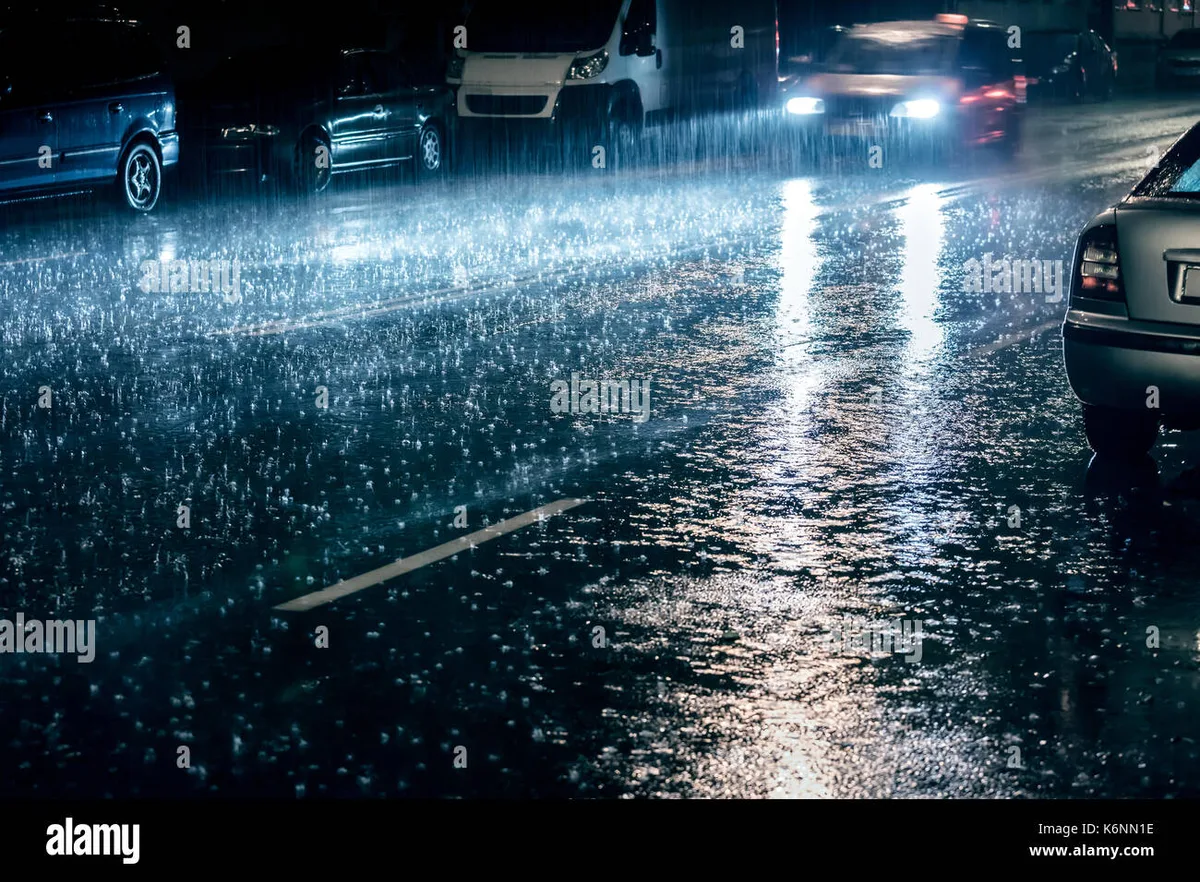
Florida rain is different. It is not a steady drizzle. It is a wall of water that drops from a clear sky and turns the interstate into a skating rink in under two minutes.
When visibility drops that fast, your headlights are not just for you to see. They are for everyone else to see you.
In 2023, Florida reported over 40,000 crashes during rainy conditions according to the Florida Department of Highway Safety and Motor Vehicles. Many of those crashes involved vehicles without their full lighting system activated. Out of state drivers and rental car users are especially at risk.
They often do not know the local law or assume their vehicle will handle it automatically.
Rental fleets frequently have automatic headlights that do not trigger when wipers engage. And visitors from states without similar lighting laws may not think twice about it. For a look at how other states handle lighting enforcement, check out the strict rules on emergency vehicle lighting in Connecticut.
The Law in Plain English (Florida Statute 316.217)
Florida Statute 316.217 is the legal authority. It states that every vehicle on a highway must display lighted headlights from sunset to sunrise and at any other time when there is not enough light to see a person or vehicle 500 feet ahead. It also explicitly requires headlights when windshield wipers are in continuous or intermittent use due to rain or other atmospheric moisture.
The law does not specify a minimum rain intensity. It says when wipers are in use, period. That means even light mist that makes you flick the wipers every ten seconds triggers the requirement.
It does not matter if it is noon in July.
The base fine for this violation in Florida is around $60, but with court costs and surcharges you usually pay between $113 and $160. It is a moving violation, which means points on your license and potential insurance hikes. Other states treat vehicle lighting just as seriously.
You can compare trailer lighting equipment rules to see the pattern.
What "Headlights" Legally Means – and the DRL Trap That Catches Most Drivers
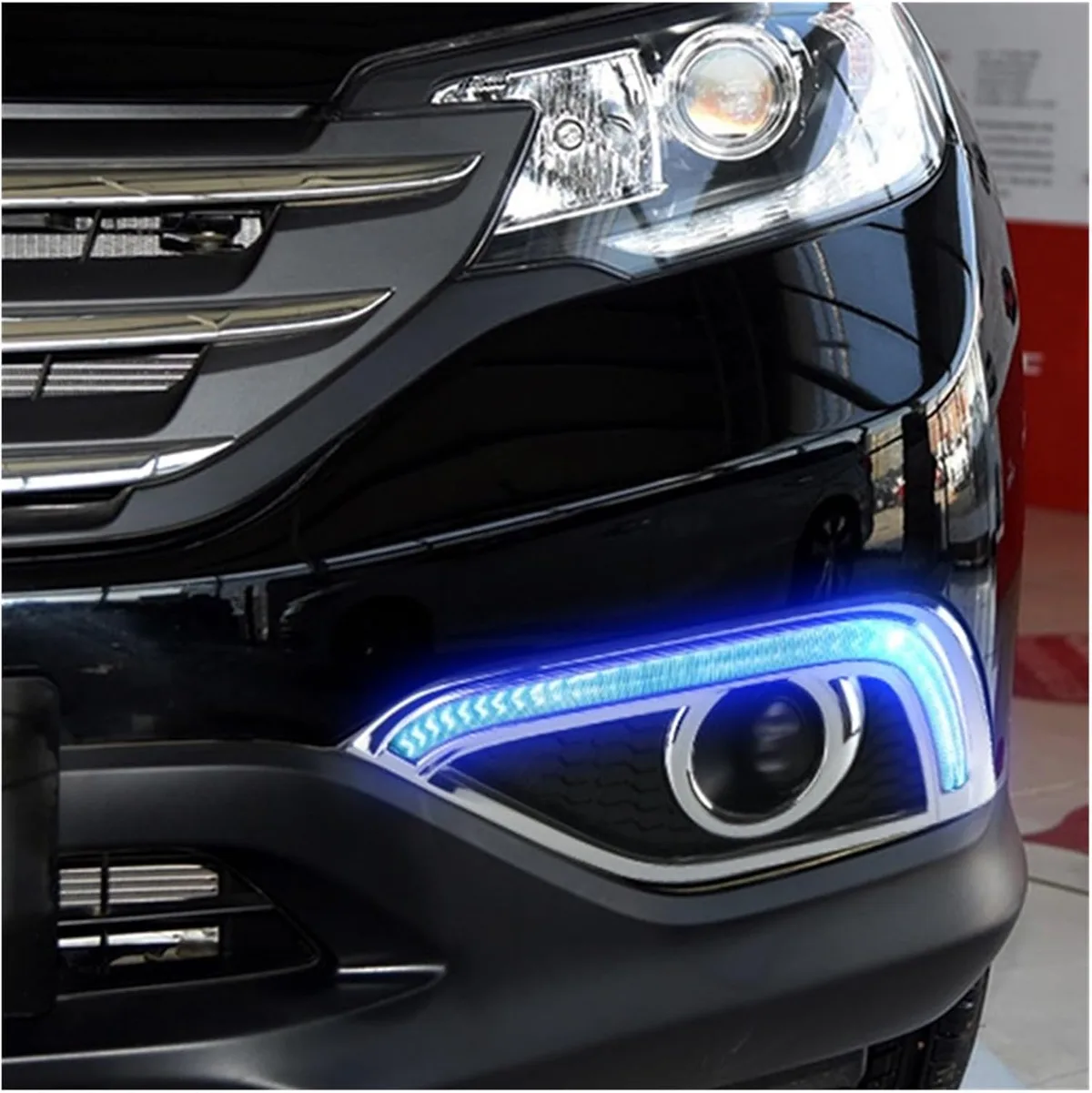
The biggest mistake we see is drivers running their daytime running lights (DRLs) thinking they have met the legal requirement. They have not. DRLs illuminate only the front of your car.
Florida law requires the full headlight system, which includes tail lights.
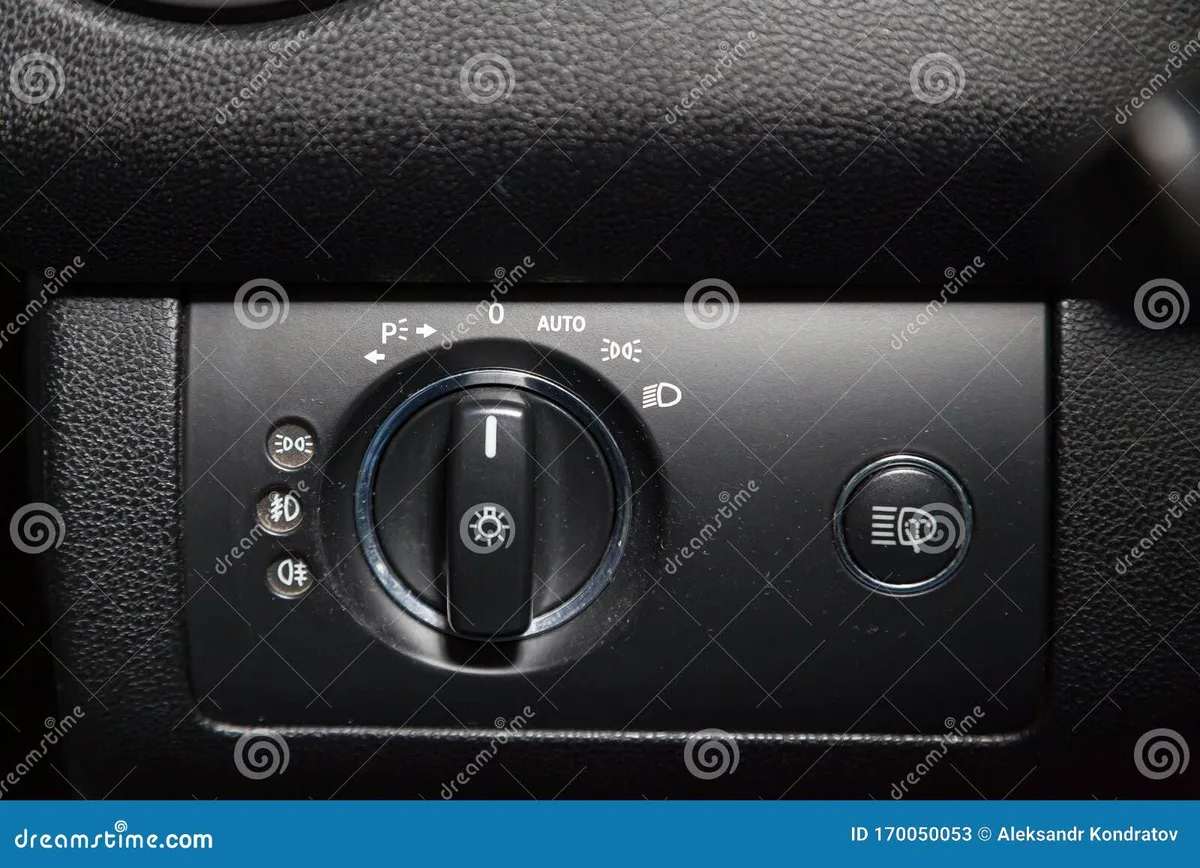
When you turn your headlights to the on position (not auto, not DRL), the tail lights come on. That is what the driver behind you needs to see. Your red tail lights make your car visible in rain.
Your faint white front beams do not. Rear end collisions spike in Florida during rain precisely for this reason.
To comply, you must physically rotate the switch to the headlight position. Many modern cars have a dedicated DRL mode that does not engage the full lighting circuit. Some vehicles have separate headlight and tail light fuses, so even if you think your lights are on, step out and check that both front and rear are illuminated.
You can find more on vehicle lighting setups in our driving tips and car care blog.
When Exactly Must You Turn On Your Headlights? (Rain, Mist, and Wiper Speed)
The law uses a simple trigger: windshield wipers in use. That includes intermittent wiping, continuous wiping, and even a single wipe if you are reacting to splashes from a passing truck. There is no grace period.
- Light rain, intermittent wipers: headlights on.
- Heavy downpour, continuous wipers: headlights on.
- Fog or mist that requires wipers: headlights on.
- Using wipers to clear condensation or bug splatter: the statute says due to rain or other atmospheric moisture, so only moisture conditions trigger the law. When in doubt, turn them on anyway.
Many drivers think they need to wait until dark or until visibility is terrible. That is not the case. The moment your wipers touch the glass, you should have your lights on.
A good practice: as soon as you enter the car in rainy conditions, activate your headlights before you start driving. Some newer cars have automatic wiper linked headlights, but most do not. Do not rely on auto headlights alone.
They may not trigger during daytime rain. Many vehicles have a separate auto setting that only turns lights on based on ambient light, not wiper activity. That setting will fail you on a bright afternoon when a thundercloud rolls in.
The Real Cost of Ignoring This Law – Fines, Points, and Insurance Hits
Getting caught without your headlights on during rain is not a cheap lesson. The base fine in Florida is around $60. With court costs and administrative fees, you are usually looking at $113 to $160.
Worse, it is a moving violation, which means 3 points on your license.
Accumulating points can lead to license suspension, mandatory traffic school, and higher insurance premiums. In Florida, 12 points within 12 months can cost you your license. A single headlight violation will not get you there, but combined with other infractions it adds up.
Insurance companies in Florida already charge some of the highest rates in the nation. A single moving violation can increase your rates by 10% to 20% for three years. Over time, that could cost you hundreds more.
| Item | Estimated Cost |
|---|---|
| Base fine | $60 |
| Court costs and surcharges | $53 to $100 |
| Total ticket cost | $113 to $160 |
| Insurance premium increase (annual) | $100 to $300 |
| Points on license | 3 |
If you are found at fault for driving without proper lighting, you could also face a civil lawsuit for damages. Florida is a no fault state for insurance, but liability for injuries still follows negligence. Running without headlights during rain could be used against you in court.
For more on how states regulate vehicle safety, explore our coverage of related driving laws.
Six Common Mistakes That Lead to a Ticket (or Worse)
Even drivers who know the law slip up in predictable ways. Here are the errors that get people pulled over most often.
Using only daytime running lights. You already know this is wrong. Yet thousands of Floridians do it every day. DRLs do not power your tail lights.
Without those rear lights, your car stays nearly invisible from behind in rain.
Waiting until rain gets heavy. The law activates the moment your wipers move. Light mist counts. Intermittent wiping counts.
Do not wait for a downpour to flip the switch.
Assuming automatic headlights will handle it. Most car automatic headlight sensors look for darkness, not rain. On a bright afternoon with thick clouds, they may not turn on. You must override manually.
Turning off lights when you exit the car. Some drivers intentionally switch off headlights while parked. Then they restart in rain without reengaging them. Make lights the last thing you verify before driving.
Forgetting after a quick stop. You run into a gas station. The rain stops for a minute. You restart without lights.
The rain returns. By the time you think of it, a patrol car may be behind you. Keep them on once rain is predicted.
Not checking after a car wash or service. After valet parking, a car wash, or mechanical work, the headlight switch may be moved to off or auto. Always verify before pulling back into traffic.
Each of these mistakes is easily preventable. Build a mental checklist. Your first thought when entering the car in any humidity should be: headlights on.
If you want to see how other states enforce lighting violations, look at how Connecticut handles similar regulations.
How to Build the "Wipers On, Lights On" Habit Without Overthinking It
You do not want to rely on memory alone. You want a reflex. Here is a simple routine that takes three seconds.
The moment you sit in the driver seat, rest your hand on the headlight switch. As your other hand reaches for the ignition, rotate the switch to the headlight position. Start the car and confirm the green headlight icon on your dashboard is lit.
If you are already driving when rain starts, build a motion memory. The instant you hear the wiper blade swipe, tap the headlight control. Do not finish a thought first.
Do it while reacting.
Another trick works well. Place a small sticker or piece of tape on your dashboard near the wiper stalk that says LIGHTS. Many fleet vehicles use this method.
Some drivers link the habit to climate control. They think: if I touch the defroster or A/C, I check lights. Over time, it becomes automatic.
The key is repetition. After a week of conscious effort, you will not need to think about it anymore.
Driving Safely in Florida's Intense Rain (Practical Tips Beyond the Law)
Getting the headlights on is step one. Staying safe in Florida's storms requires a few more adjustments.
Slow down before you see the water. Rear end collisions spike in Florida because drivers brake too late. Reduce speed as soon as wipers engage.
Increase following distance. Double the three second rule. In heavy rain, use five to six seconds. That extra gap gives you room for hydroplaning surprises.
Avoid cruise control. On wet roads, cruise control can delay your reaction when your car starts to hydroplane. Keep your foot ready on the accelerator.
Know where standing water collects. South Florida interstates flood in predictable spots. I 95 near downtown Miami, I 4 near Tampa, and the Turnpike around Orlando all have low sections. Use map apps that warn of flooding.
Pull over only if necessary. If rain is so heavy you cannot see, find a safe place to stop. Do not park under overpasses or on shoulders. Exit the highway if possible.
Your headlights are vital, but they are just one part of a system that includes tires, wiper blades, and driving technique. Replace wipers twice a year. Check tread depth every season.
Other states have their own weather related driving laws. For example, Colorado requires specific winter traction law specifics for mountain travel.
A Quick Guide for Visitors, Tourists, and Rental Car Drivers
If you are visiting Florida, you might not know the local headlight law. Rental cars make it worse. Fleet vehicles often have headlight switches that have been moved, knocked, or reset by a previous driver.
Before you leave the lot. Adjust your mirrors, seat, and climate control. Then find the headlight switch. Turn it to the on position while the engine runs.
Walk around the front and back to confirm both headlights and tail lights are illuminated.
Rental car common problems. Many modern rental sedans have a dial that defaults to auto. On a bright day with light rain, that dial may not turn on the tail lights. Switch it manually to the headlight position.
If the rental agent does an orientation, ask. They can show you where the manual override is. Every model is different.
Returning to the car after a stop. Always repeat the walk around check. Valets often switch headlights to off.
Out of state drivers. About 40 states have some version of a wiper headlight law. But only 17 explicitly require lights when wipers are in use, including Florida. If your home state has no such law, you are more likely to forget here.
Treat Florida rain differently.
For the exact wording of the statute, review the official text of the headlight law on the Florida Legislature site.
What About Automatic Headlights? (Why They Can Lull You Into a False Sense of Safety)
Most cars sold since 2010 come with automatic headlights. They turn on when the sensor detects low light. That feature works well at dusk, dawn, or night.
It fails in one common scenario: daytime rain.
Here is what happens. The sky is bright. Clouds roll in but the overall ambient light is still high.
Your sensor sees a bright environment and keeps the lights off. But you are in a downpour. Your wipers are on full speed.
Your automatic headlights stay dark.
You are now driving illegally. And you are invisible from behind.
The solution is simple. Disable the auto setting in rainy conditions. Some cars let you keep the dial on auto and pull a separate knob for headlights.
Others require you to rotate the dial to the headlight symbol. Know your vehicle.
If you are unsure, ask at your next service visit. Or test it on a dry day. Turn your lights to auto and cover the sensor with a cloth.
If the headlights turn on, the sensor works. Then test with the car in sunlight while it is raining. That is hard to simulate, but you get the idea.
Relying on automatic headlights alone is a gamble. In Florida, that gamble can cost you a ticket or a crash.
The Bottom Line – One Simple Rule That Covers Everything
If your wipers are moving, your headlights must be on. Full stop.
This rule covers every scenario. Intermittent wiping. Continuous downpour.
A passing truck splashing your windshield. Turn those headlights on. Do not rely on daytime running lights or automatic settings.
The ticket costs you money. The points cost you insurance savings. The real cost is a crash you could have prevented.
Build the habit now. Treat the headlight switch like your seatbelt. Check it before you shift into drive.
If you want to explore state specific lighting restrictions further, read our coverage of auxiliary lighting regulations in other states. Drive safe out there. Be visible.
Be legal. It is that simple.
Frequently Asked Questions
Do I need headlights on if it is just light mist in Florida?
Yes. The law activates the moment your wipers move. Light mist that requires intermittent wiping still counts as rain under the statute.
Do daytime running lights satisfy the Florida headlight law?
No. DRLs only illuminate the front of your vehicle. Florida law requires the full headlight system including tail lights.
You can read more about vehicle lighting rules in other states for comparison.
What is the fine for driving without headlights during rain in Florida?
Expect to pay $113 to $160 including court costs. It is a moving violation that adds 3 points to your license and can raise your insurance premiums.
Do automatic headlights work during daytime rain in Florida?
Not reliably. Automatic headlight sensors detect darkness, not moisture. During a bright afternoon thunderstorm they may stay off.
Manually override them every time.
Can a police officer pull me over just for not having headlights on in rain?
Yes. It is a primary offense in Florida. A patrol car can stop you solely for failing to turn on headlights during rain or reduced visibility.