ByMax Lee
Are LSVs Street Legal on 35 mph Roads in Florida?
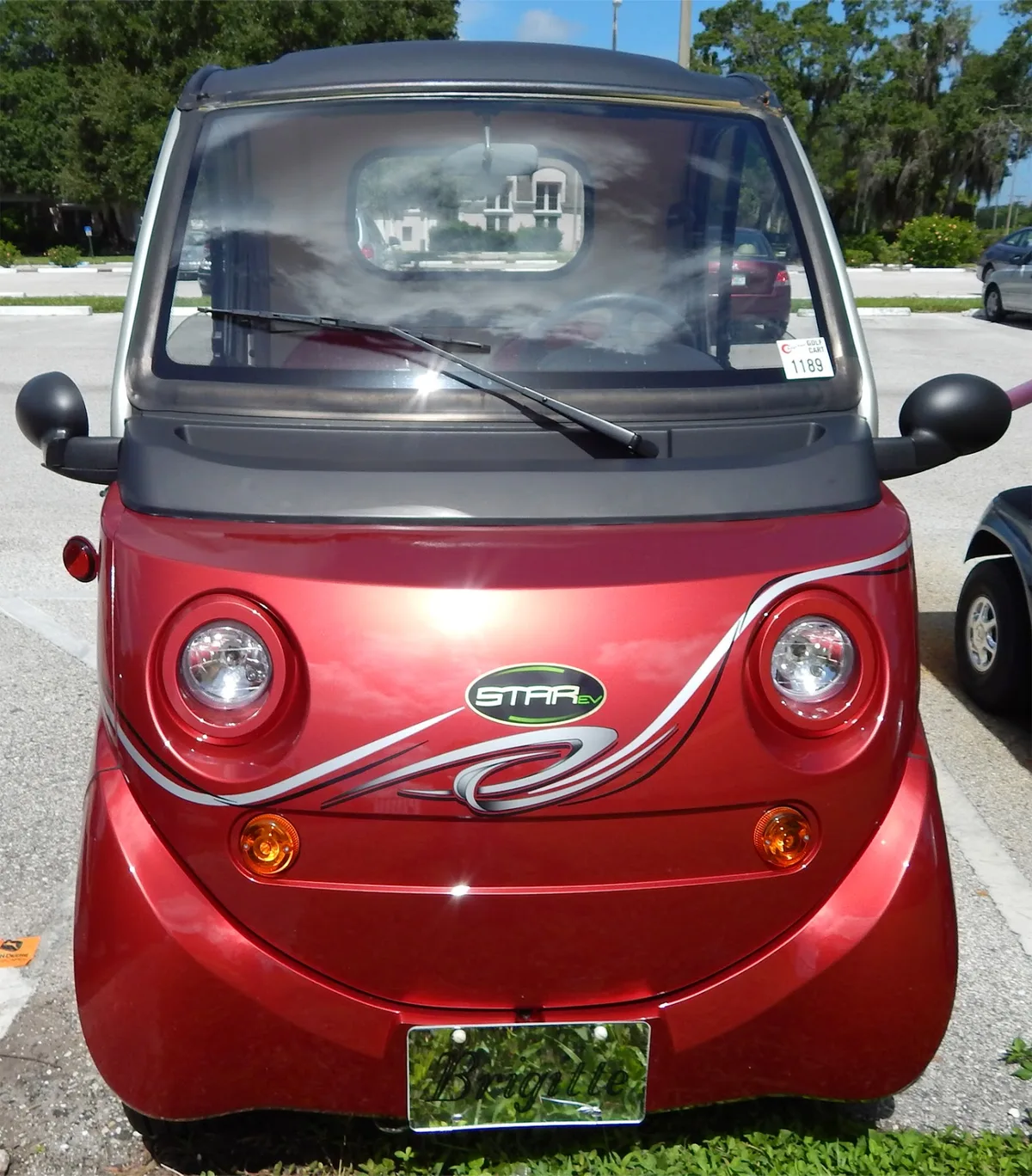
So you're looking into a low-speed vehicle, commonly called an LSV, and you live in Florida. You've probably heard they're perfect for short trips around town or through retirement communities. But before you hit the road, you need to understand the Florida low speed vehicle LSV street legal requirements and 35 mph roads rules that control where and how you can drive.
Florida law defines this clearly, and there are real consequences for getting it wrong.
As of 2026, LSVs must be registered and insured with at least $10,000 personal injury protection and $10,000 property damage liability. They also need a full set of automotive-grade safety equipment and a 17-digit vehicle identification number just like a regular car. Once those boxes are checked, driving on roads posted 35 mph or slower is legal.
Bing (Web (fair-use with source credit))
Quick Answer: Can You Drive a Low-Speed Vehicle on a 35 mph Road in Florida?
Yes, provided your LSV meets federal safety standards under FMVSS 500, is titled and registered in Florida, has a 17-digit VIN, and carries PIP and PDL insurance. You may drive on roads with a posted speed limit of 35 mph or slower. You cannot drive on roads with limits above 35 mph except to cross at an intersection.
What Florida Law Says About LSVs: Statutes 316.2122 and 320.01
Florida law treats LSVs as a distinct class of vehicle. The key statute is Florida Statute 316.2122, which covers the operation of low-speed vehicles. It defines an LSV as a four-wheeled electric vehicle with a top speed between 20 and 25 miles per hour on a paved level surface, and a gross vehicle weight rating (GVWR) of no more than 3,000 pounds.
The law also references Federal Motor Vehicle Safety Standard No. 500 (FMVSS 500), which sets the equipment requirements for LSVs. Florida Statute 320.01 classifies them as motor vehicles for titling and registration purposes.
So what does that mean for you? Your LSV must be registered with the state, assigned a 17-digit VIN, and titled like a passenger car. You also need a valid Florida driver license (Class E or higher) to operate one.
One important detail: Florida law does not require LSVs to undergo periodic safety inspections or emissions testing. That saves you a trip. But the trade-off is that you are responsible for keeping the vehicle in compliant condition at all times.
The Exact Equipment Your LSV Must Have to Be Street-Legal
Before you drive your LSV on public roads, it must be equipped with every item listed in FMVSS 500. New LSVs from manufacturers like Polaris GEM or Club Car usually come fully compliant. If you are converting a golf cart, you have to add everything yourself.
| Component | Requirement |
|---|---|
| Headlamps | Two, with high and low beams |
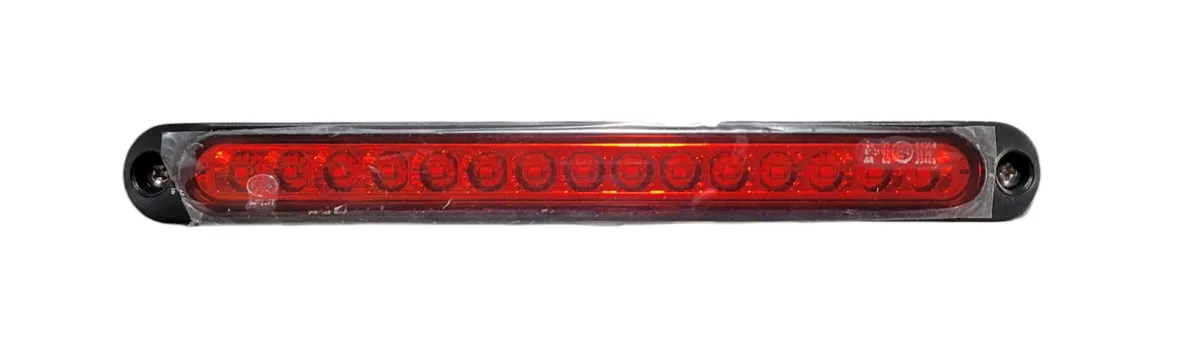
| Taillamps | Two red lamps visible from 500 feet |
| Stop lamps | Red or amber, activate with brakes |
| Turn signals | Front and rear, self-canceling |
| Reflectors | Red on rear, amber on front and sides |
| Mirrors | Rearview mirror or driver-side mirror (one if rearview is blocked) |
| Windshield | AS-1 safety glass or equivalent |
| Seat belts | Lap and shoulder belts for all seating positions |
| Parking brake | Must hold on a grade |
| Horn | Audible at 200 feet |
On top of these, the vehicle must have a 17-digit VIN from the manufacturer or a state-assigned VIN for converted vehicles. No VIN means no registration, no plate, and no street legality.
If you add any extra lighting such as off-road light bars, make sure they comply with the specific rules for additional lighting. Florida can be stricter than federal standards on aftermarket lights.
Bing (Web (fair-use with source credit))
How to Register Your LSV in Florida: Step-by-Step
Getting your LSV titled and registered is straightforward, but missing a step can delay everything. Follow this sequence.
Step 1: Obtain a 17-digit VIN. New LSVs come with one from the manufacturer. Converted golf carts need a VIN assigned by the Florida Department of Highway Safety and Motor Vehicles (FLHSMV) or a certified law enforcement officer.
Step 2: Install all required equipment. If your vehicle does not already have the lights, belts, mirrors, and other items from the equipment list, get those done before you apply.
Step 3: Get insurance. You need a Florida auto policy with at least $10,000 personal injury protection (PIP) and $10,000 property damage liability (PDL). Most major insurers offer LSV policies.
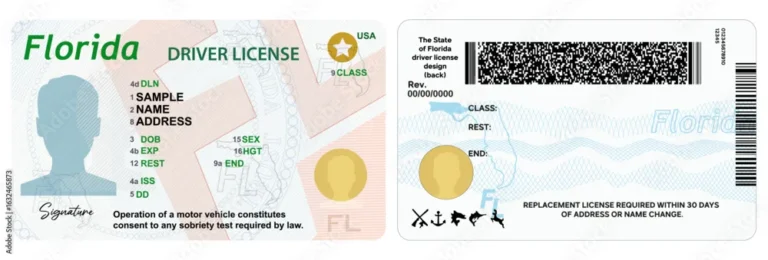
Step 4: Gather your documents. You will need the manufacturer's certificate of origin (MCO) for a new LSV, or a bill of sale and prior title for a used one. A valid Florida driver license and proof of insurance are required. Before you go, make sure your identification meets federally accepted standards for DMV transactions.
Step 5: Complete application HSMV 82040. This is the official form for title and registration.
Step 6: Pay the fees. The initial title and registration fee runs around $225 depending on your county. Annual renewal is about $32.50.
| Step | Details |
|---|---|
| VIN | 17 digits; state-assigned if needed |
| Equipment | Full FMVSS 500 set |
| Insurance | PIP and PDL minimums |
| Documents | MCO, title, ID, proof of insurance |
| Application | Form HSMV 82040 |
| Fees | ~$225 initial, ~$32.50 renewal |
Once approved, you receive a license plate and registration sticker. Place the registration in the vehicle and the plate on the rear. You are legal.
Understanding the 35 mph Rule: Where You Can and Cannot Drive
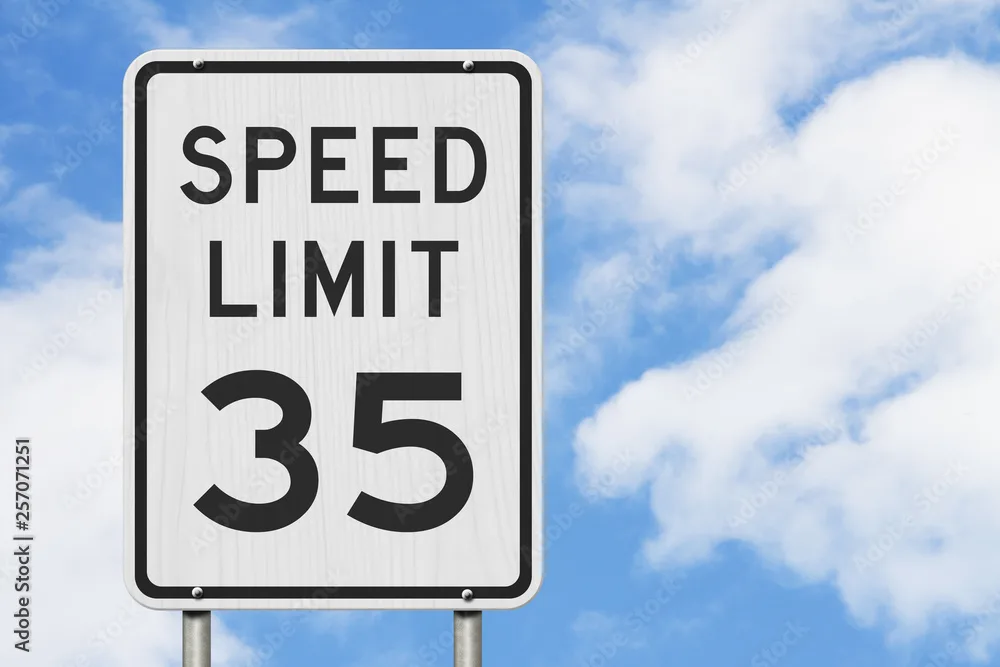
The single most important rule for LSV operation in Florida is the speed limit restriction. You can only drive an LSV on roads where the posted limit is 35 miles per hour or slower.
If the road has a speed limit of 40 mph or higher, you cannot drive on it at all. The only exception is crossing that road at a controlled intersection. You can drive across to get from one legal road to another, but you cannot travel along it.
Bing (Web (fair-use with source credit))
This restriction applies to all public roads, including state and county roads. Local municipalities can also pass ordinances that are more restrictive. Some cities prohibit LSVs on certain roads even if the speed limit is 35 mph.
Check with your local police department or city hall before driving in a new area.
Also prohibited:
- Operating an LSV on sidewalks or bicycle paths
- Driving on limited-access highways like interstates
- Driving on roads with speed limits above 35 mph, except when crossing
- Modifying the speed governor to exceed 25 mph, which is illegal and can get your LSV impounded
If your vehicle is impounded for a violation, the process for getting it back follows rules similar to state vehicle impoundment procedures, and you will be responsible for towing and storage fees.
LSV vs. Golf Cart vs. Medium Speed Vehicle: Legal Differences
Many people confuse a golf cart with an LSV, but Florida law draws a hard line between them. A golf cart is designed for golf courses and private property. It does not have a 17-digit VIN, does not meet FMVSS 500 equipment requirements, and cannot be registered for street use in Florida.
An LSV is a purpose-built or converted vehicle that meets federal safety standards. It can be registered, insured, and driven on public roads with speed limits of 35 mph or less. A regular golf cart is not street legal unless it undergoes a full conversion and gets a state-assigned VIN.
That process often costs more than buying a new LSV.
There is also the Medium Speed Vehicle (MSV) category in Florida. MSVs can travel up to 35 mph instead of 25 mph for LSVs, but they require additional safety features like speedometers, larger mirrors, and specific labeling. MSVs also face different local restrictions.
Most people in Florida stick with LSVs because MSVs are not allowed on some roads where LSVs are permitted, and the MSV registration process is more involved.

Bing (Web (fair-use with source credit))
| Vehicle Type | Max Speed | Street Legal | Requires Registration | VIN Needed |
|---|---|---|---|---|
| Golf Cart | ~15 mph | No (unless converted) | No | No |
| LSV | 25 mph | Yes | Yes | 17-digit |
| MSV | 35 mph | Yes (with extra equipment) | Yes | 17-digit |
If you start with a golf cart and want to make it street legal, plan to replace almost everything. Lights, seat belts, a windshield, and mirrors are mandatory. Buying a ready-to-register LSV from a manufacturer is almost always the more practical route.
Common Registration Pitfalls and How to Avoid Them
The biggest mistake is trying to register a golf cart that lacks a 17-digit VIN. Without that VIN, the FLHSMV will reject your application. There is no workaround.
Another common pitfall is assuming your existing insurance covers an LSV. Standard golf cart policies often do not meet Florida's PIP and PDL requirements. Before buying insurance, confirm with your agent that the policy specifies low-speed vehicle or neighborhood electric vehicle and includes both coverages.
A third issue is equipment. Even if your LSV came from a manufacturer, double-check that all lights, belts, and mirrors are present and working. A broken turn signal can fail a VIN inspection and delay your registration for weeks.
How to avoid these problems:
- If you are converting a golf cart, get the VIN assignment before you buy parts. Some inspection stations have limited availability.
- Bring your insurance declaration page, the certificate of origin or previous title, and your driver license to the tax collector. Missing documents mean another trip.
- Check your local county website for any extra forms. Some counties require additional documentation for fleet vehicles.
What It Costs: Fees, Insurance, and Annual Renewal
Registering an LSV in Florida is significantly cheaper than owning a second full-sized car.
| Expense | Estimated Cost |
|---|---|
| Initial title plus registration | $225, varies by county |
| Annual renewal | $32.50 |
| Insurance with PIP and PDL minimums | $400 to $800 per year |
| VIN inspection if needed | $50 to $100 |
| Equipment conversion if needed | $500 to $2,500 |
The initial title fee is about $85, and the registration fee is around $140. Some counties add a local option fee for electric vehicles, so expect small variations.
Insurance is the biggest variable. A bare-bones policy for a low-mileage LSV in a retirement community might run $400 per year. One driven daily on busy 35 mph suburban roads could cost twice that.
Get quotes from at least three providers before committing. Florida does not offer a state-run low-cost program, but some insurers give usage-based discounts for LSVs that drive under 5,000 miles a year. It is worth asking about ways to reduce your premium if you drive short distances.
Real-World Scenarios: LSVs in The Villages, Beach Towns, and Gated Communities
The most LSV-friendly place in Florida is The Villages. This massive retirement community has hundreds of miles of roads posted at 35 mph or slower. LSVs are everywhere, and local ordinances actively support them.
Many homes come with LSV garages.
In beach towns like Siesta Key, Key West, and St. Augustine, LSV rentals are popular with tourists. Visitors rent LSVs for a week and easily access beaches, restaurants, and shops as long as they stick to the 35 mph zones.
Some towns in Sarasota County restrict LSVs from certain beach corridors during peak season, so check with the local police department before driving.
Gated communities are another common scenario. Inside the gates, roads are often set at 25 to 35 mph, making LSVs ideal. But once you exit onto a 45 mph county road, you cannot take the LSV.
Some HOAs now buy LSVs for community shuttles to help residents reach the mail center or clubhouse without a full-sized car.
Remember that local ordinances can change. A road that is legal today might be restricted tomorrow. It is smart to update your address with the DMV when you move into a new community so you receive local traffic notices.
Safety Risks and Legal Penalties You Shouldn't Ignore
LSVs are small, quiet, and low to the ground. In a collision with a full-sized vehicle, you are at a major disadvantage. NHTSA data shows that LSVs have a higher fatality rate per mile than passenger cars, mainly due to their lower mass and the speed differential with surrounding traffic.
The biggest risk is driving where you should not. If you take an LSV onto a 45 mph or 55 mph road, cars are moving fast and do not expect a 25 mph obstacle. Rear-end collisions are the most common type.
Legal penalties for LSV violations in Florida can include:
- Fines up to $500 for operating on a prohibited road
- Impoundment of the vehicle, with you paying towing and storage fees
- Points on your driver license if cited for reckless driving
- Loss of registration if the speed governor is tampered with
If you modify the governor to let the LSV go faster than 25 mph, the vehicle is no longer legally an LSV. It becomes an unregistered motor vehicle with no safety certification. Insurance will likely not cover a crash at that point.
Keep your LSV stock. Keep it on roads posted at 35 mph or slower. Use your turn signals and always assume other drivers have not seen you.
Expert Tips for a Smooth Ownership Experience
Maintain your LSV the same way you would a car. Charge the battery daily. For lithium models, range is reliable but drops in cold weather.
For lead-acid batteries, check water levels monthly.
Use a dedicated cover if you park outdoors. UV rays crack plastic trim and fade seats. A simple carport doubles the life of your LSV's body panels.
If you live in a gated community, ask your HOA about local rules. Some developments require slow-moving vehicle triangles or extra mirrors. Others restrict parking to designated areas.
Plan your route before you leave. Stick to roads you know are 35 mph or less. Use a GPS app that lets you filter road speeds, or keep a local map in the glove box.
Frequently Asked Questions
Do I need a special license to drive an LSV in Florida?
No. A valid Florida driver license, Class E or higher, is all you need. Out-of-state licenses are accepted for temporary use.
Can I drive my LSV on a 40 mph road for just a short distance?
No. Florida law prohibits LSVs on any road with a posted speed limit above 35 mph. There is no distance exemption.
Driving even a few feet on such a road is illegal.
How much does it cost to convert a golf cart into a street-legal LSV?
A full conversion typically costs $1,500 to $3,000. You need a state-assigned VIN, all FMVSS 500 lighting and safety equipment, insurance, and registration. A new LSV often costs only a few thousand more and arrives ready to register.
Does my LSV need to pass an emissions test?
No. Florida does not require emissions testing for LSVs. Since they are electric, they produce zero tailpipe emissions.
Can I carry a passenger in my LSV?
Yes, as long as the vehicle is designed for it. Each seating position must have a lap and shoulder belt. The GVWR limit of 3,000 pounds includes passengers and cargo.
Final Verdict: Is an LSV Right for Your Florida Commute?
An LSV works well if your daily driving stays within a few miles and never requires a road faster than 35 mph. It is ideal for retirement communities, compact beach towns, and gated neighborhoods.
An LSV is not the right choice if you need to cross busy highways, travel on roads over 35 mph, or carry heavy cargo. You will hit those limitations quickly.
Before buying, check the roads you plan to drive. Test them at the time of day you usually travel. If every route is 35 mph or slower, an LSV saves you money on fuel and insurance.
If you ever need to drive on a 45 mph road, stick with a conventional car.
Make your decision based on the roads, not the vehicle. When the roads fit, an LSV is one of the most cost-effective vehicles in Florida.