If you’ve moved in Georgia, the state gives you 60 days to update your vehicle’s address on file. The Georgia 60 day address change notification requirement for vehicle records is a legal obligation, not just a suggestion. Miss it, and you risk penalties or registration issues.
Per O.C.G.A. § 40-2-20, this applies to all registered vehicles, and the clock starts the day you establish residency at your new address. Here’s what you need to know to stay compliant.
Quick Answer
Georgia requires vehicle owners to notify the Department of Revenue within 60 days of an address change. This applies to all registered vehicles. The update must be submitted to your county tag office or via the GA DRIVES portal.
Proof of your new address is mandatory.
Who Actually Needs to Update Their Address (and Who Doesn’t)
You must update your vehicle’s address if you’re a Georgia resident who has moved to a new county or residence. This includes existing GA vehicle owners and new residents who’ve already registered their vehicles in the state.
If you’re a non-resident military member stationed in Georgia, you may be exempt under the Servicemembers Civil Relief Act (SCRA). Temporary residents, like students or snowbirds, only need to update if they’ve established permanent residency.
How the 60-Day Countdown Works
The 60-day period starts the day you move into your new residence. For new Georgia residents, the clock for vehicle registration begins separately, you have 30 days to register your vehicle initially, but the address update rule kicks in after that.
If you move again within Georgia, the 60-day countdown resets. The deadline is strict, and there’s no grace period.
Proof of Address: What Georgia Will Accept
Georgia requires documented proof of your new address. Acceptable documents typically include:
- A utility bill (electric, water, gas) issued within the last 60 days
- A signed lease or mortgage agreement
- A Georgia driver’s license or ID card with the updated address
- A bank statement or insurance policy showing the new address
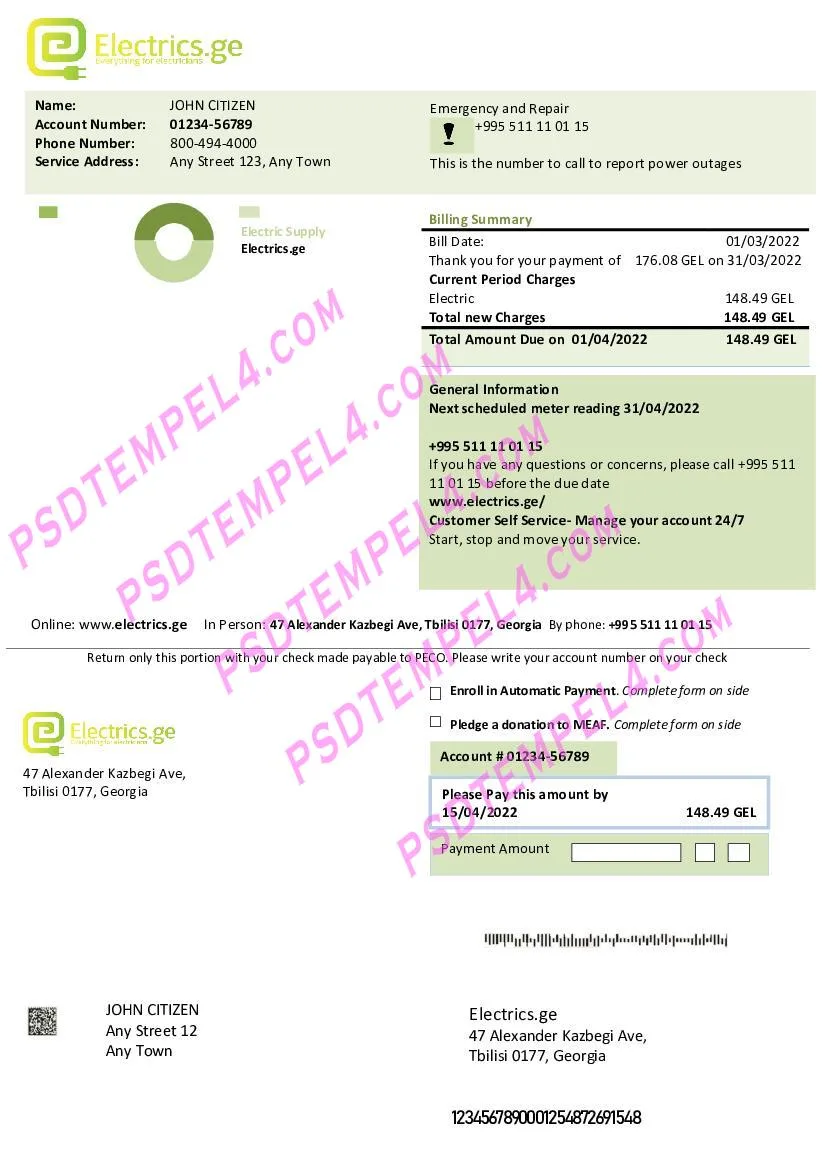
Avoid using outdated documents or those without your name and new address clearly printed.
Step-by-Step: How to Update Your Vehicle Record
Online via GA DRIVES
The fastest way to update your address is through the GA DRIVES portal. Log in with your credentials, navigate to the vehicle services section, and select “Update Address.” You’ll need your vehicle’s title number or registration details.
Once submitted, you’ll receive a confirmation email. Processing is usually immediate, but allow 7, 10 business days for your updated registration card to arrive by mail.
In Person at Your County Tag Office
If you prefer handling this in person, visit your local county tag office. Bring your vehicle’s registration, proof of insurance, and one of the accepted proof-of-address documents.

Some counties may require an appointment, so check ahead. The staff will update your record on the spot and may provide a temporary registration slip if needed.
What Happens If You Miss the 60-Day Deadline
You’ll face a late fee that varies by county. Some counties may also place a hold on your vehicle registration until the address is updated. This means you won’t receive your renewal notice or new tags on time.
Worse, driving with an outdated address on your registration can lead to citations during traffic stops.
Common Mistakes That Get People in Trouble
Many assume updating their driver’s license address covers their vehicle records. It doesn’t. These are separate systems managed by different agencies.
Others wait until they get their renewal notice to update the address. By then, it’s often too late.
Some submit incomplete proof of address. A utility bill without your name or an expired lease won’t work.
Military & Special Cases: Exceptions to the Rule
Active-duty military members stationed in Georgia under the Servicemembers Civil Relief Act (SCRA) are often exempt from the 60-day rule. You’ll need to provide your military orders as proof.
If you’re a student living on campus, check whether your school address qualifies as a permanent residence. Some counties treat dorm addresses differently.
Non-residents with Georgia-registered vehicles must still comply if they establish a primary residence in the state.
Why This Matters Beyond Just Avoiding Fines
Your address determines which county collects your vehicle taxes. An outdated address can lead to incorrect tax assessments or missed payments.
It also affects emissions testing requirements. If you move into one of Georgia’s 13 emissions-test counties, you must comply with biennial testing.
Insurance companies use your vehicle’s registered address to calculate premiums. An incorrect address could result in higher rates or coverage issues if you need to file a claim.
Frequently Asked Questions
Does updating my driver’s license address update my vehicle registration too?
No. These are separate systems. You must update both the Georgia Department of Driver Services (DDS) for your license and the Department of Revenue (DOR) for your vehicle records.
What if I don’t have a utility bill in my name?
A signed lease, mortgage statement, or bank statement with your new address will work. Some counties also accept a notarized letter from your landlord.
Can I update my address by phone?
Most counties don’t process address changes by phone. Use the GA DRIVES portal or visit your county tag office in person.
What’s the penalty for missing the deadline?
Penalties vary by county but typically include late fees and potential registration holds. You may also face citations if stopped by law enforcement.
Do I need to update my address if I’m moving out of state?
Yes. If you’re leaving Georgia, you must update your address with the DOR before registering your vehicle in your new state. This ensures a smooth transfer of records.