ByMax Lee
Georgia Digital License Plate Pilot: Is Reviver Legal?
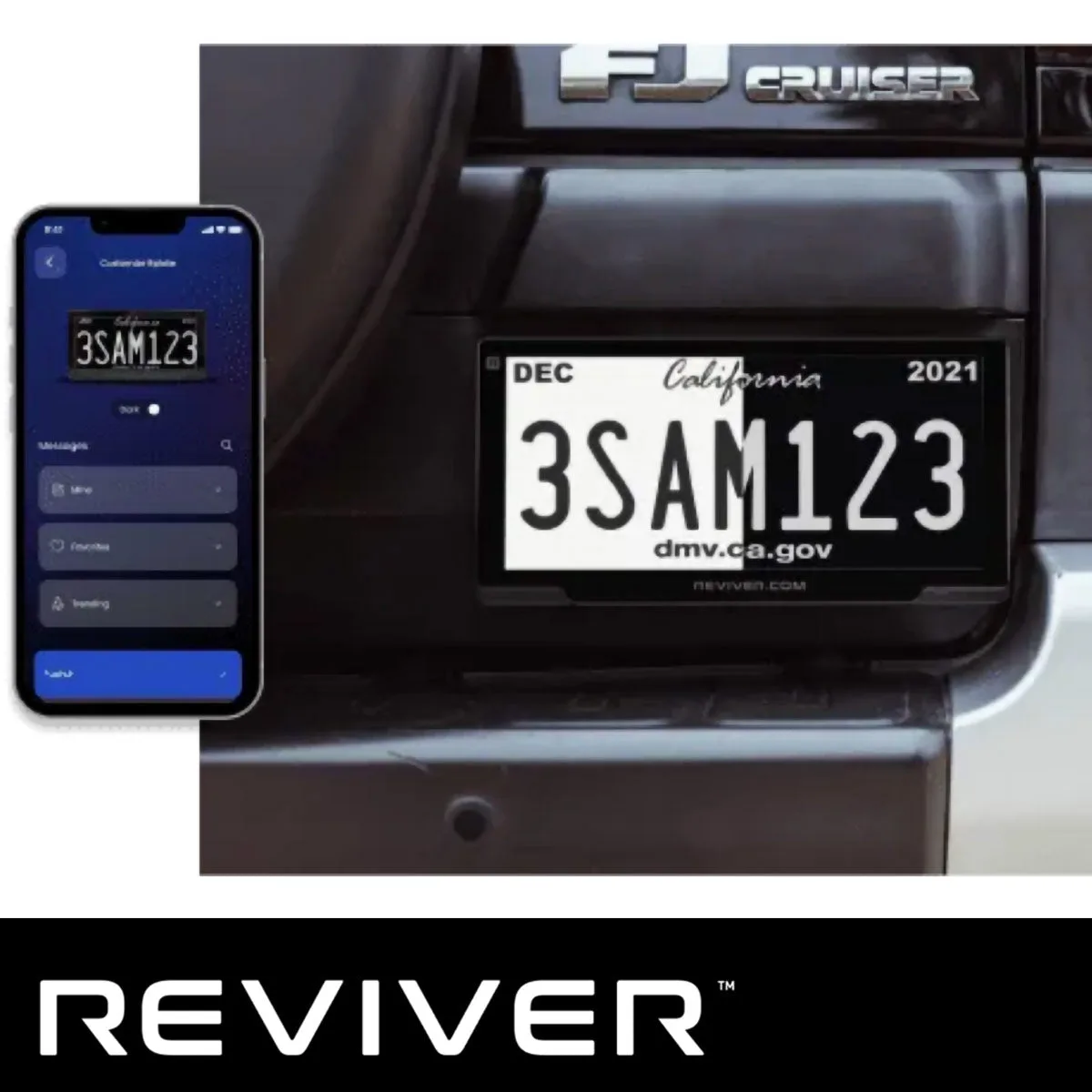
Georgia digital license plate pilot program and Reviver plate legality are top of mind for many Peach State drivers. The short answer is yes, digital plates are legal in Georgia, but only under a limited pilot program with strict rules. As of 2026, Reviver’s e-plates are the only approved option, and they must meet state visibility and registration standards.
Manufacturer specs confirm these plates use e-ink displays that update remotely, but they’re not a free-for-all. Georgia’s program restricts eligibility, and misuse can lead to fines or invalid registration.
Quick Answer
Digital plates are legal in Georgia under a pilot program. Reviver is the only approved provider. Plates must display valid registration at all times.
Misuse or tampering voids legality.
Are Digital License Plates Legal in Georgia Right Now?
Yes, but only through Georgia’s official pilot program. The state authorized digital plates via House Bill 200 in 2023, which allows the Department of Revenue to test e-plates under controlled conditions. As of 2026, Reviver Auto’s RPlate is the sole approved model for this program.
Bing (Web (fair-use with source credit))
Not all vehicles qualify. The pilot targets fleets, commercial vehicles, and select personal cars, with enrollment capped at a limited number of participants. If you’re outside the program, traditional metal plates remain the only legal option.
How Georgia’s Digital Plate Pilot Program Works
Georgia’s program operates under House Bill 200, which permits the use of digital plates for testing purposes. The Department of Revenue oversees enrollment, ensuring plates meet state standards for visibility, durability, and compliance. Reviver partners with the state to provide the hardware and software, while Georgia monitors performance and legal adherence.

Wikimedia Commons / DXR (CC BY-SA)
To participate, vehicle owners must apply through the DOR and meet specific criteria, such as vehicle type and registration status. The program’s goal is to evaluate the feasibility of digital plates for broader use, including their impact on law enforcement and registration systems.
Who Can Actually Get a Reviver Plate in Georgia
Eligibility is limited to approved participants in the pilot program. As of 2026, the focus is on:
- Fleet vehicles (government, commercial, or rental)
- Select personal vehicles (early adopters invited by the DOR)
- Vehicles with clean registration histories
Reviver’s plates are not available for general purchase. Even if you buy the hardware, you can’t activate it without DOR approval. The state also restricts customization, only pre-approved messages are allowed.
For most Georgia drivers, traditional plates remain the only option. If you’re curious about alternative plate types, historic vehicle rules in other states offer a different path for classic car owners.
Reviver Plate Features: What You Can and Can’t Do
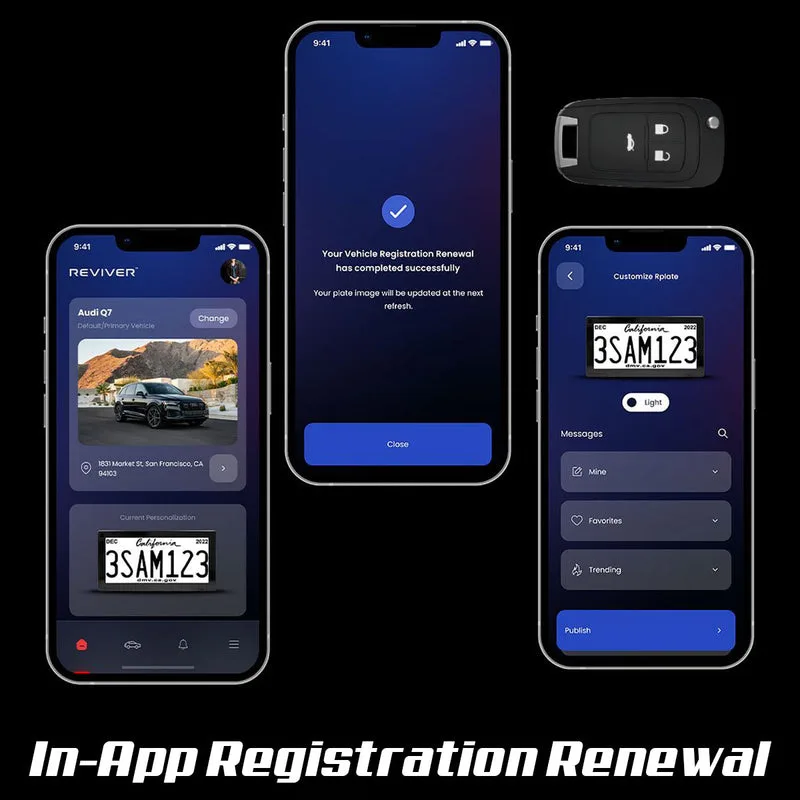
Reviver’s digital plates use e-ink technology to display registration information, which updates automatically when you renew. The plates are battery-powered, with a typical lifespan of 3, 5 years, and include tamper-resistant designs to prevent fraud.
Bing (Web (fair-use with source credit))
What you can do:
- Update registration remotely via the Reviver app
- Display state-approved messages (e.g., “REG OK”)
- Use optional GPS tracking for theft recovery
What you can’t do:
- Show custom vanity messages (Georgia prohibits this)
- Disable the plate to hide registration
- Modify the display outside DOR guidelines
Manufacturer specs confirm the plates meet Georgia’s visibility standards, including readability in daylight and at night. However, if the battery dies or the display fails, the plate may not comply with state laws, putting you at risk for a citation.
The Cost of a Digital License Plate in Georgia
Reviver’s digital plates come with a higher upfront cost than traditional plates. As of 2026, the hardware typically runs $200, $500, depending on the model, plus a monthly subscription fee of $20, $50 for service and updates. This covers remote registration updates, app access, and compliance monitoring.
For comparison, a standard Georgia metal plate costs around $20, $50 with no recurring fees. The digital option is significantly pricier, but fleet operators may find the convenience worth it for large numbers of vehicles.
| Cost Factor | Digital Plate (Reviver) | Traditional Plate |
|---|---|---|
| Upfront Cost | $200–$500 | $20–$50 |
| Monthly Fee | $20–$50 | $0 |
| Installation | Professional recommended | DIY or dealer |
| Durability | 3–5 year battery life | 5–10 years |
Step-by-Step: How to Apply for Georgia’s Pilot Program
First, check if your vehicle qualifies. The DOR prioritizes fleets and commercial vehicles, but some personal cars may be invited. You’ll need a clean registration history and a vehicle that meets Georgia’s equipment standards.
Next, submit an application through the DOR’s pilot program portal. If approved, you’ll receive instructions to purchase a Reviver plate and schedule installation. The DOR links your registration to the digital plate, so updates sync automatically.
Digital vs. Traditional Plates in Georgia: Key Differences
Digital plates update remotely, so you never wait for a new sticker in the mail. Traditional plates require physical swaps for renewals, which can be a hassle for fleet owners.
Cost is the biggest downside. Digital plates have high upfront and monthly fees, while traditional plates are a one-time purchase. However, digital plates offer theft deterrence with optional GPS tracking, a feature metal plates lack.
Durability is comparable. Both must meet Georgia’s visibility standards, but digital plates rely on battery life. If the battery dies, the plate may go dark, which could lead to a citation.
The Legal Risks and Common Mistakes to Avoid
Using a digital plate outside the pilot program is illegal. Even if you buy a Reviver plate, it won’t work without DOR approval. Driving with an unactivated or tampered plate can result in fines or registration suspension.
Another risk is displaying unauthorized messages. Georgia prohibits custom text, so stick to state-approved updates. If law enforcement can’t read your plate, you could face penalties.
Battery failure is a practical concern. If your plate stops displaying registration, it’s no longer compliant. Monitor the battery life and replace it before it dies.
What Happens If Your Digital Plate Fails or Glitches
If the display malfunctions, the plate may show a blank or error screen. This violates Georgia’s requirement to display valid registration at all times. You’re responsible for fixing it immediately.
Reviver offers customer support for technical issues, but the DOR expects you to resolve problems quickly. If the plate is unrecoverable, you may need to switch back to a traditional plate until a replacement arrives.
Preventative maintenance helps. Keep the app updated and check the plate’s status regularly. If you notice flickering or dimming, contact Reviver before it fails completely.
Georgia’s Rules for Digital Plate Customization
Georgia prohibits custom messages on digital plates. The only allowed displays are state-approved registration information and compliance indicators like "REG OK." Any attempt to show personal text, logos, or non-standard content violates state law.
Reviver’s system enforces these restrictions. The app blocks unauthorized customization, and the DOR monitors plates for compliance. If you try to bypass these limits, you risk fines and program removal.
Do Police and Cameras Recognize Digital Plates in Georgia?
Yes, they do. Georgia’s pilot program ensures digital plates meet the same visibility standards as traditional ones. Law enforcement and traffic cameras can read them as long as the display is working.

Bing (Web (fair-use with source credit))
Officer training is ongoing. While most systems recognize digital plates, some officers may still be unfamiliar. If stopped, you may need to explain the pilot program.
The DOR provides guidance to law enforcement, but awareness varies.
Automated systems like toll and red-light cameras also read digital plates. Reviver’s e-ink technology maintains readability in all lighting conditions, matching traditional plate standards.
FAQs About Georgia’s Digital License Plate Program
Are digital plates mandatory in Georgia?
No. Digital plates are optional and only available through the pilot program. Traditional metal plates remain the standard for most vehicles.
Can I buy a Reviver plate without joining the pilot?
No. Reviver plates only work when linked to a DOR-approved registration. Purchasing one without enrollment leaves it non-functional and illegal to use.
What happens if my digital plate’s battery dies?
The plate may go blank, which violates Georgia’s display requirements. You must replace the battery immediately or switch to a traditional plate.
Do digital plates work in other states?
Not yet. Georgia’s pilot is state-specific. If you travel out of state, check local laws, as some jurisdictions may not recognize digital plates.
How do I report a malfunctioning digital plate?
Contact Reviver support for technical issues. For legal concerns, notify the Georgia DOR. Both can help resolve compliance problems.
Final Verdict: Should You Get a Reviver Plate in Georgia?
Digital plates offer convenience for fleets and tech-savvy drivers. The remote updates and theft deterrence are useful, but the high cost and strict rules make them impractical for most.
If you’re in the pilot program and value the features, a Reviver plate may be worth it. For everyone else, traditional plates remain the simpler, cheaper, and legally safer choice.