ByMax Lee
Guide to California Historic Vehicle and Horseless Carriage Plate Eligibility
Bing (Web (fair-use with source credit))
If you own a classic car in California, you have probably heard about historic vehicle plates. The rules are simple once you know them. But the difference between a "Historic Vehicle" plate and a "Horseless Carriage" plate trips up many owners.
California historic vehicle and horseless carriage plate eligibility comes down to two things: your car's age and how original it still is. Get one of those wrong, and your application may get rejected.
Here is the short version. As of 2026, a Historic Vehicle plate is for any car 25 years or older that you drive occasionally to shows and events. A Horseless Carriage plate is the stricter option.
It is for pre-1923 vehicles that are still close to factory condition. It costs a one-time fee with no annual renewal. That last part is what makes people pay attention.
Quick Answer
A Historic Vehicle plate fits any car 25 years or older used sparingly for club events and parades. A Horseless Carriage plate is for pre-1923 vehicles that remain substantially original. No engine swaps.
No frame modifications. The Horseless Carriage plate costs a one-time fee of $25 to $50 with no annual renewal. The Historic Vehicle plate requires annual renewal like standard registration.
Eligibility at a Glance: Which Plate Fits Your Car
Before you fill out any form, you need to know which category your vehicle falls into. The California DMV splits classic car registration into two separate programs. They are not interchangeable.
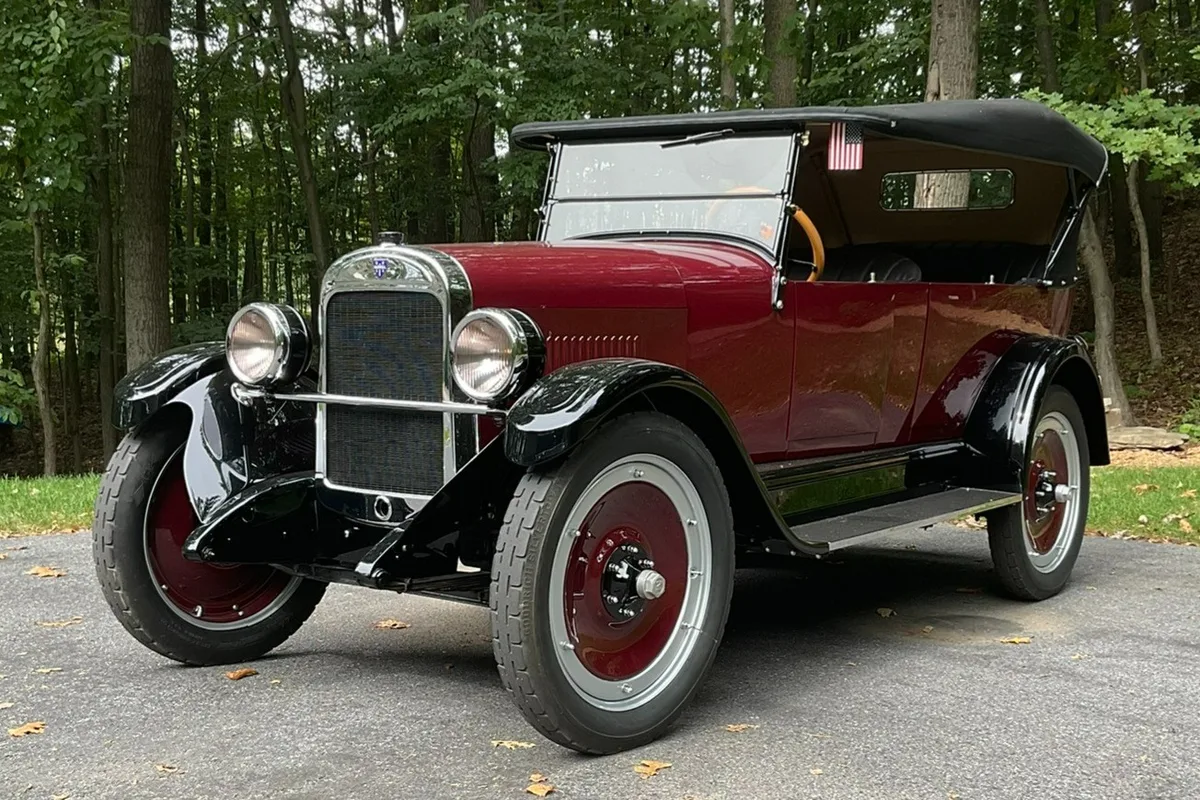
A 1965 Mustang with a modern V8 swap does not qualify for a Horseless Carriage plate. A 1917 Model T that is fully restored to period-correct specs likely does.
| Plate Type | Age Requirement | Condition Requirement | Fee Structure |
|---|---|---|---|
| Historic Vehicle | 25 years or older | Driveable, no strict originality rule | Annual renewal ($30–$50) |
| Horseless Carriage | Pre-1923 (manufactured before 1923) | Substantially original with original engine, frame, body | One-time fee ($25–$50), no annual renewal |
The Horseless Carriage plate is the prize. It is a permanent plate that never needs renewing. It lets you run period-correct year-of-manufacture plates on your car.
But the catch is the originality requirement. If your car has a swapped engine, a modified chassis, or a non-original paint color, the DMV will likely say no.
How the DMV defines "substantially original"
The California Vehicle Code section 5004.1 spells this out. For a Horseless Carriage plate, your vehicle must be "substantially unchanged from the manufacturer's original specifications." That does not mean it has to be a museum piece with zero wear. It means the major components need to be what came from the factory.
Engine, transmission, frame, body, and suspension must be original to the build year. Minor upholstery repairs and period-correct tires are fine. Dropping in a later-model engine is not.
What "Historic Vehicle" Actually Means
The Historic Vehicle plate is California's catch-all for older cars that get occasional use. It is defined under Vehicle Code section 5004. It covers any motor vehicle at least 25 years old.
That is the whole requirement. There is no condition clause, no originality test, and no inspection. If your car is a quarter-century old and you own it, you can apply.
What you can use it for
The DMV restricts Historic Vehicle plates to specific uses. You cannot commute to work on a Historic Vehicle plate. You cannot run errands every day.
The law says you may only drive to and from "exhibitions, club activities, parades, and other similar events." It also allows occasional pleasure driving. You can take it out for a Sunday cruise now and then. But total annual mileage should stay under 1,000 to 2,000 miles.
In practice, this plate is for a 1984 Porsche 944 that comes out for cars and coffee once a month. It is for a 1978 Chevy pickup that hauls a trailer to a vintage truck show twice a year. It is not for your daily driver.
The annual renewal catch
Unlike the Horseless Carriage plate, the Historic Vehicle plate requires annual renewal. The fee is roughly $30 to $50 per year. That depends on your county's base registration.
That is not a huge amount. But it does mean you cannot simply stick the plate on and forget about it. You will get a renewal notice every year.
What "Horseless Carriage" Actually Means
The Horseless Carriage plate is California's oldest vehicle registration category. It is exclusive to vehicles manufactured before 1923. Think brass-era cars: Model T Fords, early Buicks, Pierce-Arrows, and Stanley Steamers.
If your car was built in 1922 or earlier, you are in Horseless Carriage territory.
The one-time fee that never comes back
This is the feature that makes the Horseless Carriage plate stand out. You pay a one-time fee of $25 to $50 when you first register the plate. After that, the plate is yours permanently.
There is no annual renewal, no recurring bill, and no sticker to buy every year. The plate stays on the car for life or until you sell it.
What "substantially original" means in practice
The DMV does not require a Horseless Carriage vehicle to be completely untouched. But it does require that the major mechanical components be original. Here is what gets checked in practice:
- Engine: Must be the original make and model for that vehicle year. A period-correct replacement block is acceptable. A later-model V8 swap is not.
- Transmission: Same rule. It must be what the car left the factory with.
- Frame and chassis: No modifications that change the structural design. No shortened frames. No custom fabrication.
- Body: Must retain the original body panels. Replacement panels that match the factory shape are fine. Custom bodywork is not.
- Paint and interior: Period-correct materials are expected. Modern vinyl upholstery that looks period is usually fine. A full custom interior is not.
The year-of-manufacture plate bonus
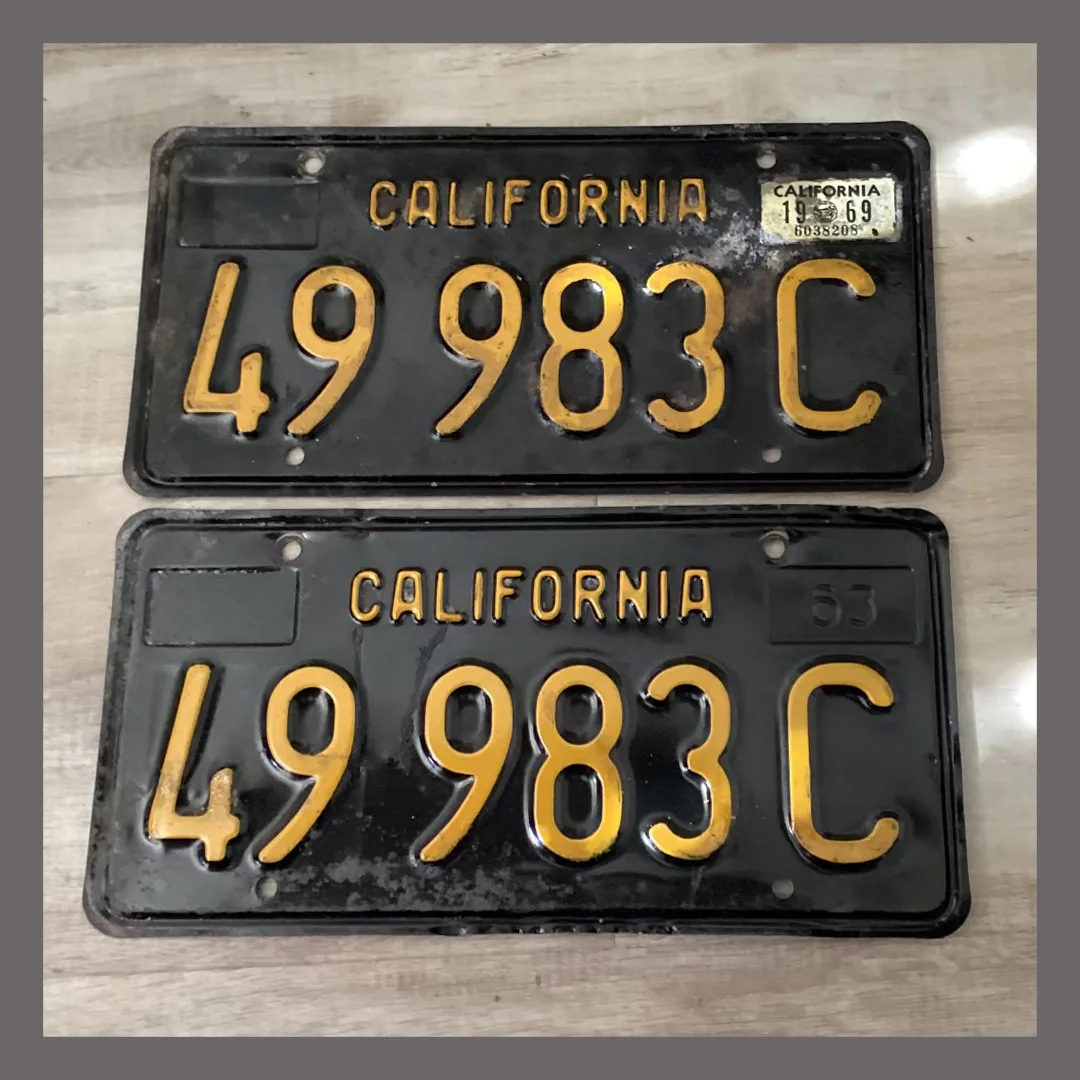
One of the best perks of the Horseless Carriage plate is running year-of-manufacture plates. If your 1917 car has a 1917 California license plate, you can register that original plate with the DMV and use it on the car. This is a huge win for authenticity.
The Historic Vehicle program does not offer this. You get a standard black-on-yellow plate.
The Real Difference Between the Two Plates
The real difference comes down to two things: what you can do with the car and how much you pay over time.
Annual cost comparison
Let us run the numbers. You own a 1971 Dodge Challenger, which is 55 years old as of 2026. You drive it to three local car shows per year.
That is about 800 miles total. You have two options:
- Historic Vehicle plate: Pay $40 registration fee every year. Over ten years, that is $400.
- Standard registration: Pay $120 per year. Over ten years, that is $1,200.
The Historic Vehicle plate saves you money compared to standard plates, but it still has annual renewal.
Now take a 1910 Franklin that you drive to the same three shows:
- Horseless Carriage plate: Pay $35 once. Never pay again. Over ten years, total cost is $35.
- Standard registration: Pay $120 per year. Over ten years, that is $1,200.
The Horseless Carriage plate is dramatically cheaper if you plan to keep the car long term.
Who each plate is best for
| Your Situation | Best Plate |
|---|---|
| Car is 25+ years old, modified, or you are not sure about originality | Historic Vehicle |
| Car is pre-1923 and still has its original drivetrain | Horseless Carriage |
| You want permanent plates with no renewal | Horseless Carriage |
| You drive the car more than 1,500 miles per year | Neither. Use standard plates |
| You want to run old-school year-of-manufacture plates | Horseless Carriage |
Step-by-Step: How to Apply for a Historic Vehicle Plate
Bing (Web (fair-use with source credit))
Applying for a Historic Vehicle plate is a straightforward process. You do not need an inspection. You do not need to prove the car is original.
You just need to prove it is 25 years or older and that you own it.
Step 1: Gather your documents
You need the following:
- The vehicle's current title or registration
- Proof of insurance
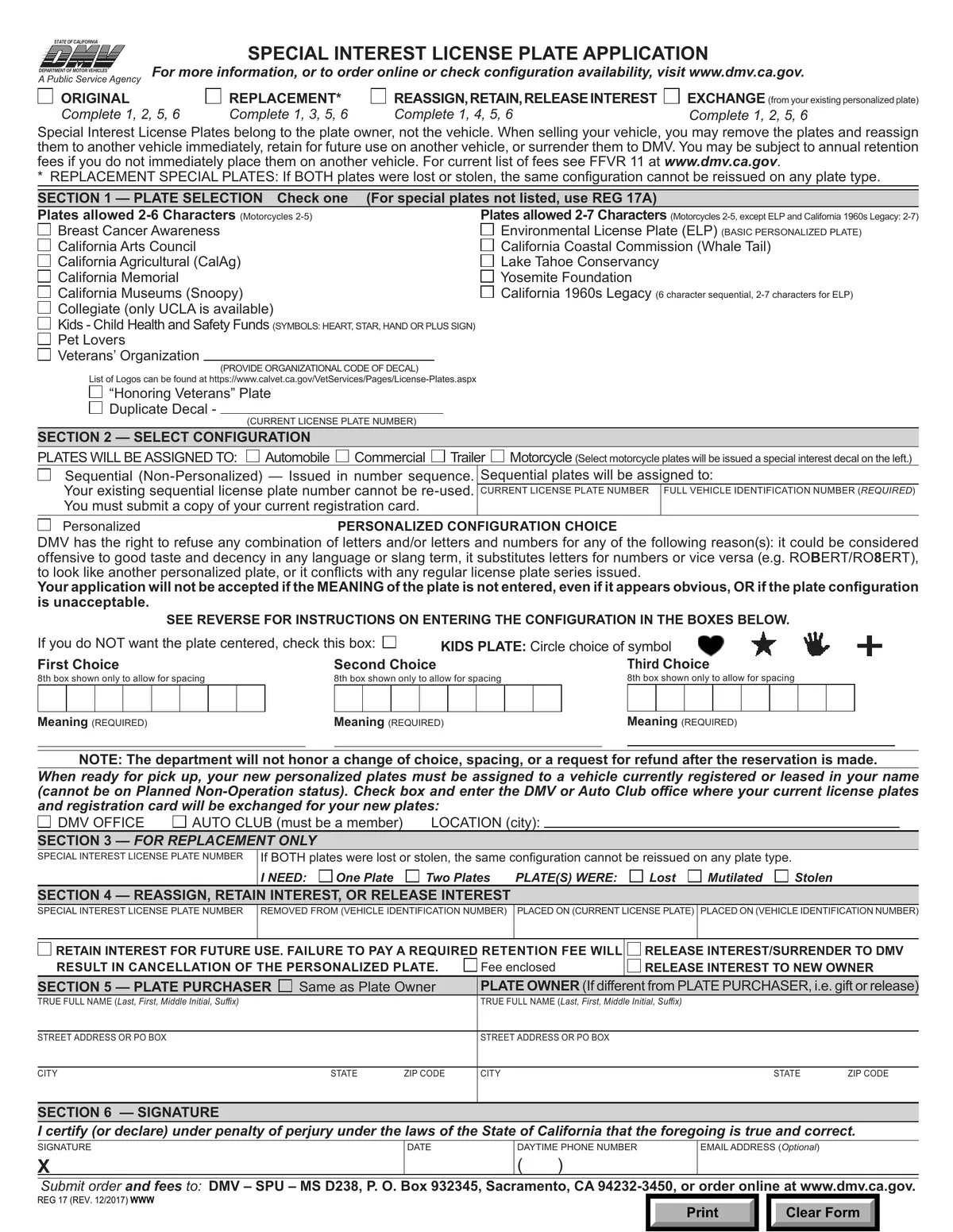
- A completed Application for Registration of Historic Vehicle (Form REG 17)
- Your fee payment
Step 2: Fill out Form REG 17
The form asks for the vehicle's year, make, model, and VIN. It also asks you to certify that the vehicle will be used only for the purposes described in the Vehicle Code. That means exhibitions, parades, club events, and occasional pleasure driving.
Sign that line honestly.
Step 3: Submit to the DMV
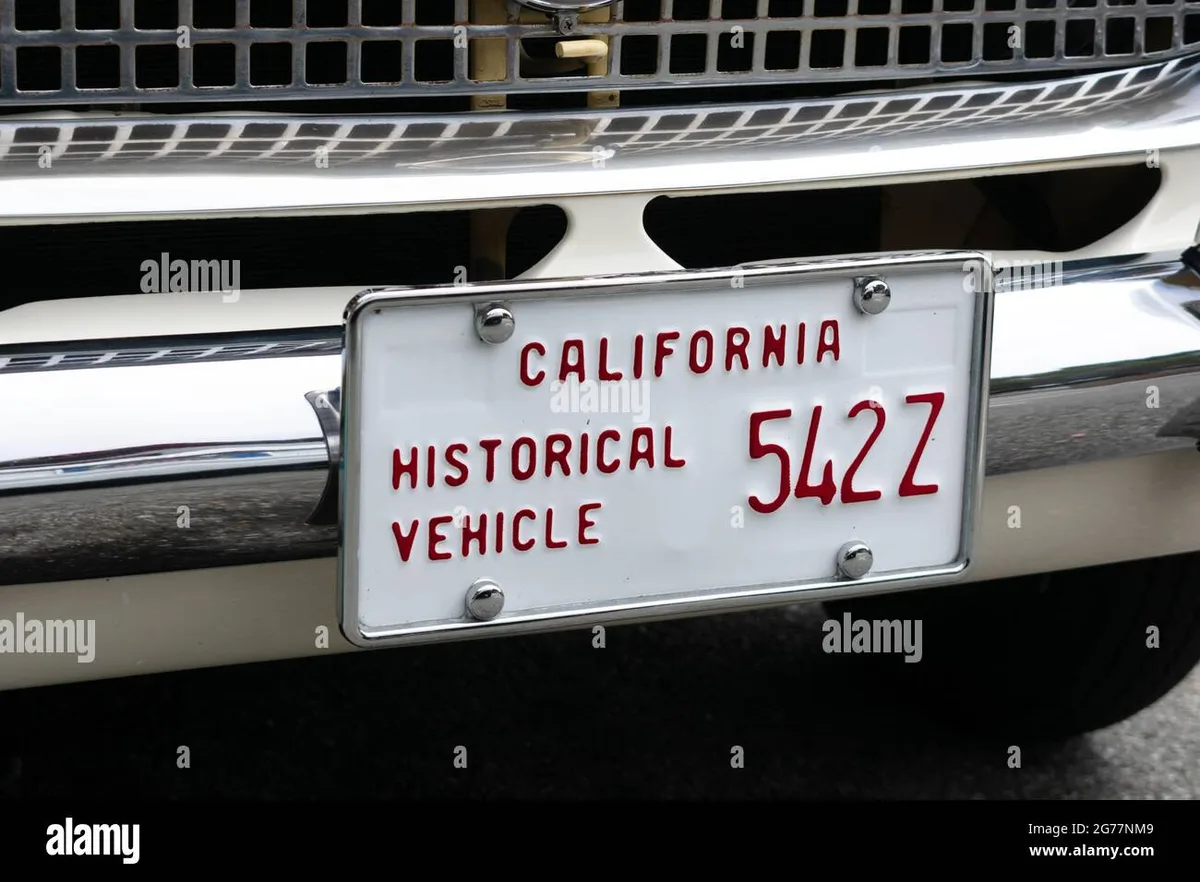
You can mail the form and payment to your local DMV office or visit in person. Expect processing to take two to six weeks. The DMV will issue a standard black-on-yellow plate with the word "Historic" on it.
Step 4: Renew annually
You will get a renewal notice each year. Pay it on time. If you let it lapse, the plate becomes invalid.
You cannot drive the car until you renew.
Step-by-Step: How to Apply for a Horseless Carriage Plate
The Horseless Carriage application is slightly more involved. The DMV needs to confirm the vehicle's age and originality.
Step 1: Confirm your car is pre-1923
This is the hard cutoff. If the car was manufactured in 1922 or earlier, you qualify. If it was manufactured in 1923 or later, you do not.
You need to verify the build date through the vehicle's serial number or manufacturer documentation.
Step 2: Complete Form REG 17A
This is the specific form for Horseless Carriage registration. It asks for the vehicle's year, make, and model. It also asks for a statement that the vehicle is "substantially original" in its major components.
You may need to include a photograph of the vehicle. You will also need the original year-of-manufacture plate if you want to use one.
Step 3: Pass the originality check
The DMV may ask for photographs or an inspection. They want to see that the engine, frame, and body match original specifications. If there is any doubt, they may request a statement from a recognized antique automobile club or a certified appraiser.
Step 4: Pay the one-time fee
The fee is between $25 and $50, depending on your county. Pay it once. That is all.
Step 5: Mount your plate
You can use a modern reproduction plate or register an authentic period plate. Either way, the DMV issues a permanent registration that does not expire.
Common Mistakes That Get Applications Rejected
The biggest mistake people make is assuming that any old car qualifies for a Horseless Carriage plate. It does not. If you try to register a 1925 Ford Model T that has been modified with a later-model engine, the DMV will reject the application.
You will have to settle for a Historic Vehicle plate instead.
Another frequent error is using the car for daily driving and getting flagged. The DMV does not actively track mileage. But if you get pulled over or in an accident and the officer sees you using the car for commuting, you may face a citation and lose the plate.
| Mistake | Consequence |
|---|---|
| Applying with a modified pre-1923 car | Rejected. You must use Historic Vehicle instead |
| Driving more than 2,000 miles per year | Risk of losing the plate and being cited |
| Using the car as a daily driver | Violation of Vehicle Code terms |
| Not paying the annual renewal for Historic Vehicle | Plate becomes invalid until paid |
| Failing to photograph or document the car's condition | Delays approval by weeks |
What Counts as "Exhibition, Parades, and Club Events" — and What Doesn't
The DMV's language is broad but has clear boundaries. You can drive to a car show, a parade, a club meeting, or a similar event. You can also take the car out for occasional pleasure driving.
The DMV defines that as infrequent, short trips.
What you cannot do:
- Drive to work
- Drive to the grocery store every week
- Drive to a restaurant every weekend
- Use the car as a second daily driver
If an officer sees you driving the same vintage car on the same route five days a week, they have grounds to pull you over and question your usage. That is rare, but it happens. Keep your driving to events and the occasional weekend cruise, and you will be fine.
The Mileage Limit Nobody Talks About
There is no hard mileage cap written into the California Vehicle Code for Historic Vehicle or Horseless Carriage plates. But the DMV and insurance companies use an informal guideline of 1,000 to 2,000 miles per year. Some classic car insurance policies cap you at 1,500 miles.
Exceed that consistently, and your insurer may drop you or refuse to renew.
If you drive your classic car 3,000 miles a year, use standard registration. The historic plates are not meant for high-mileage use. They are meant for preservation and occasional enjoyment.
A Quick Decision Guide: Historic vs. Horseless vs. Standard Registration
Bing (Web (fair-use with source credit))
Here is a simple decision tree you can run through right now.
Question 1: How old is your car?
- Pre-1923: Go to Question 2
- 25+ years old: Go to Question 3
- Under 25 years: You need standard registration
Question 2: Is your car substantially original?
- Yes: Apply for Horseless Carriage. One-time fee, permanent plate.
- No: Apply for Historic Vehicle. Annual renewal, standard plate.
Question 3: How many miles do you drive per year?
- Under 1,500: Historic Vehicle is fine
- Over 1,500: Consider standard plates. Historic vehicles are not built for high mileage use
Question 4: Do you care about annual renewal?
- Yes: Horseless Carriage is the better choice if your car qualifies
- No: Either works. But Horseless Carriage is cheaper long term
When to Stick With Standard Plates Instead
Not every classic car owner needs a historic plate. If you drive your 1972 Ford F-100 every day to work, you need standard registration. If your 1952 Cadillac gets 5,000 miles a year and you use it as a weekend daily driver, standard plates are the right call.
The historic plates are more restrictive than most people realize. They exist to keep old cars on the road, not to give you a cheap registration loophole for a daily driver.
Who This Is Actually For (and Who Should Skip It)
This is for the collector, the enthusiast, and the person who owns a car they take to three or four events per year. It is for the person who wants to preserve a piece of automotive history exactly as it left the factory. It is not for the person who wants
Bing (Web (fair-use with source credit))