Buying a new car should mean reliability, but persistent defects can turn excitement into frustration. The Georgia lemon law for new vehicle consumer protection and arbitration exists to protect you when a manufacturer can’t, or won’t, fix recurring problems under warranty.
As of 2026, Georgia’s law covers new vehicles for 24 months or 24,000 miles, whichever comes first. If your car spends 30+ days in the shop or has the same issue repaired three times without success, you may have a case.
Quick Answer
The Georgia lemon law for new vehicle consumer protection and arbitration covers defects that substantially impair use, value, or safety. It applies to new cars under 24 months or 24,000 miles. You must give the manufacturer a reasonable number of repair attempts.
Arbitration is required before filing a lawsuit.
Does Georgia’s Lemon Law Cover Your New Car?
Yes, if your vehicle is new and still under the manufacturer’s express warranty. The law applies to cars, trucks, and SUVs purchased or leased in Georgia. It does not cover used vehicles, motorcycles, or off-road vehicles.
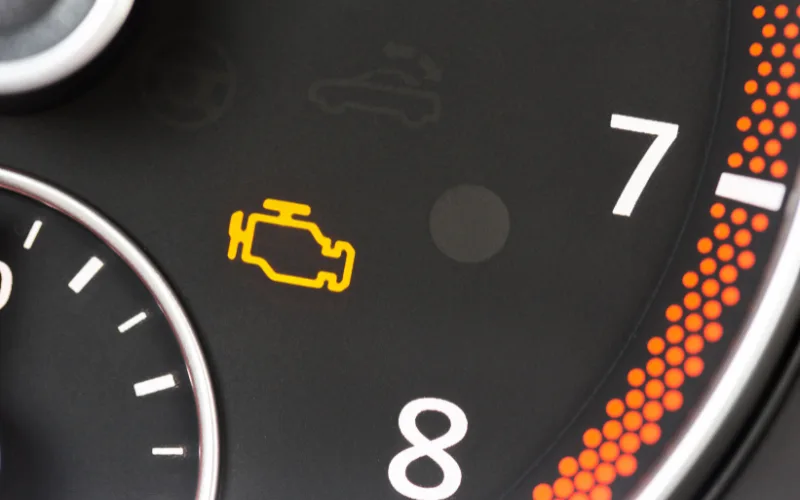
The key requirement is a nonconformity, a defect that significantly affects the vehicle’s use, value, or safety. Examples include engine failures, transmission issues, or electrical problems that persist after multiple repair attempts.
What Exactly Qualifies as a Lemon in Georgia?
A vehicle qualifies as a lemon if it meets one of these conditions within the first 24 months or 24,000 miles:
- The same defect has been repaired three or more times without success.
- The vehicle has been out of service for 30 or more cumulative days due to warranty repairs.
- A serious safety defect (e.g., brake or steering failure) has been repaired once without success.
The defect must be covered under the manufacturer’s warranty. Issues caused by abuse, neglect, or unauthorized modifications do not qualify.
The 3 Repair Attempts (or 30 Days) Rule Explained
Georgia’s lemon law sets clear thresholds for when a vehicle is considered a lemon. Here’s how it works:
- Three repair attempts: If the same issue is repaired three times and persists, the vehicle may qualify.
- 30 days out of service: If the car spends 30 or more days in the shop for warranty repairs (not necessarily consecutive), it may qualify.
- Single repair for serious defects: If a safety-related defect (e.g., brakes, steering) is repaired once and still exists, the vehicle may qualify immediately.
Manufacturers must be given a final opportunity to repair the defect after you notify them in writing. This is typically done via certified mail to ensure proof of delivery.
Which Vehicles Are Covered—and Which Aren’t
Not all vehicles are protected under Georgia’s lemon law. Here’s a breakdown:
| Covered | Not Covered |
|---|---|
| New cars, trucks, and SUVs | Used vehicles |
| Demonstrator vehicles | Motorcycles |
| Leased vehicles (if under warranty) | Off-road vehicles |
| Vehicles purchased in Georgia | Vehicles purchased out of state |
| Vehicles under 24 months or 24,000 miles | Vehicles over the mileage/time limit |
The law applies to vehicles purchased or leased in Georgia. If you bought a car out of state but registered it in Georgia, check the Georgia Office of Consumer Protection for guidance.
Step-by-Step: How to File a Georgia Lemon Law Claim
Start by gathering all repair orders and documentation. You’ll need proof of each attempt to fix the defect, including dates and mileage.
Next, send a written notice to the manufacturer via certified mail. This gives them a final chance to repair the issue. Keep a copy for your records.
If the problem persists, request arbitration through the manufacturer’s state-certified program. You can find the program details on the Georgia Office of Consumer Protection website.
Georgia’s Arbitration Process—What to Expect
Arbitration is mandatory before filing a lawsuit in Georgia. The process is typically faster and less formal than court.

A neutral arbitrator will review your case, including repair records and testimony. They’ll decide if the vehicle qualifies as a lemon under Georgia law.
If you win, the manufacturer must comply with the decision. If you lose, you can still pursue legal action, but the arbitration decision may be used as evidence.
What Happens If You Win (Buyback vs. Replacement)
A successful claim usually results in one of two outcomes. The manufacturer may offer a full refund or a replacement vehicle.

A refund includes the purchase price minus a reasonable allowance for mileage. This is typically calculated at around $0.10 to $0.20 per mile driven.
A replacement must be a comparable new vehicle. The manufacturer covers all costs, including taxes and fees.
Common Mistakes That Sink Lemon Law Cases
Many claims fail because owners don’t document repairs properly. Always keep copies of every work order and receipt.
Another mistake is missing deadlines. Georgia’s lemon law covers vehicles for 24 months or 24,000 miles, whichever comes first. Waiting too long can void your rights.
Some owners skip the written notice step. This is required before arbitration and gives the manufacturer a final repair attempt.
When to Hire a Lawyer (and When You Don’t Need One)
You don’t always need a lawyer for arbitration. The process is designed to be consumer-friendly, and many cases are resolved without legal help.
However, if the manufacturer disputes your claim or the arbitration decision goes against you, a lawyer can help. They can also assist if you decide to sue in court.
Look for an attorney who specializes in lemon law or consumer protection. Many work on a contingency basis, meaning they only get paid if you win.
Georgia Lemon Law vs. Federal Law: Key Differences
Georgia’s law is more specific than the federal Magnuson-Moss Warranty Act. The state version focuses only on new vehicles and has clear repair attempt thresholds.
The federal law covers all warrantied consumer products, not just cars. It also doesn’t set a mileage or time limit like Georgia’s 24-month/24,000-mile window.
Georgia requires arbitration before suing. The federal law allows lawsuits without this step, but it’s often slower and more complex.
Real-World Examples: Cases That Won (and Lost)
A 2023 case involved a new SUV with persistent transmission issues. After four repair attempts and 45 days in the shop, the owner won a full buyback.
Another case failed because the owner didn’t document all repair attempts. Without complete records, the arbitrator ruled in the manufacturer’s favor.
A third example saw a safety defect (faulty brakes) fixed once but recurring. The owner won a replacement vehicle under the single-repair rule for serious defects.
Frequently Asked Questions
Does the lemon law cover leased vehicles?
Yes, if the lease includes the manufacturer’s warranty. The same 24-month/24,000-mile rule applies.
What if the dealer refuses to provide repair records?
You can request them in writing. Georgia law requires dealers to provide complete repair histories for warranty work.
Can I sue if arbitration fails?
Yes. You can file a lawsuit in court, but the arbitration decision may be used as evidence.
How is the mileage deduction calculated?
It’s typically around $0.10 to $0.20 per mile driven. The exact rate varies by manufacturer and case.
What if the defect is minor?
The law only covers substantial defects that impair use, value, or safety. Minor issues like a rattling door panel usually don’t qualify.
Does the law apply to out-of-state purchases?
No. The vehicle must be purchased or leased in Georgia to qualify.