ByMax Lee
Step-by-step: Glass Cleaner Wiper
You have sprayed, wiped, and buffed, and still those ghostly streaks stare back at you. A glass cleaner wiper, most people call it a squeegee, is the tool that changes that. It is not magic, but it is the closest thing to a professional finish without hiring someone.
Aggregate user feedback across dozens of online reviews shows that roughly 70% of streak complaints come from poor technique, not a bad tool. Most people grab a squeegee and expect perfect results instantly. That is not how it works.
But once you understand the mechanics, you will never go back to paper towels.
Bing (Web (fair-use with source credit))
The Streak Struggle Is Real (And Fixable)
If you have ever cleaned a window and watched it dry into a smeared mess, you are not alone. Paper towels leave lint. Newspaper leaves ink.
Microfiber cloths get dirty after one wipe. And nearly every method leaves a faint haze behind.
A glass cleaner wiper solves two core problems. It removes all the liquid in one pass, and it leaves no residue. That is why professional window cleaners use almost nothing else.
The catch? You need to know what you are doing. A squeegee used at the wrong angle, with a dry blade, or without prep work will create streaks worse than a paper towel.
But with the right technique, you get glass so clear it looks like it is not there.
Before you buy one, check your water. Hard water leaves mineral deposits that no squeegee can fix alone. A hard water softener for washing car can also prep water for home windows, but more on that later.
The Squeegee Isn't the Problem — Your Technique Is
If you have used a squeegee before and hated it, the blade likely chattered across the glass or left rainbow streaks. That is not a bad tool. That is bad form.
A squeegee blade is a piece of rubber that needs to glide across the glass at a consistent angle. Too steep, it digs in and skips. Too shallow, it smears water instead of removing it.
The sweet spot is about 45 degrees on the push stroke and 15 degrees on the pull stroke.
Speed matters too. Go too slow and the water dries before you can wipe it. Go too fast and the blade skips.
A steady, moderate pace, about the speed of a casual walk, works best.
Wet the blade before the first pass. Dry rubber drags. A thin film of soap solution on the blade edge reduces friction and prevents chattering.
This one small step alone fixes 80% of streak complaints, according to feedback from professional window cleaning forums.
If you are cleaning car windshields, the same principles apply. A smaller blade works better. Using a water spray gun for car wash to wet the glass thoroughly before squeegeeing also helps, especially on hot days.
What Makes a Good Glass Cleaner Wiper (When Shopping)
Not all squeegees are equal. Here is what to look for.
Blade Material
- Natural rubber: Soft, flexible, great for smooth glass. Wears faster, especially in sunlight.
- Silicone: Lasts longer, resists UV, but can be stiffer. Better for outdoor use.
- Neoprene: Rare in consumer tools, more common in industrial squeegees.
Handle and Channel
- Plastic: Light, cheap, but can warp in heat.
- Aluminium: Sturdy, professional feel, but heavier.
- Stainless steel: Best durability, heavier, more expensive.
Blade Width
| Width | Best For |
|---|---|
| 10–12 inches | Small bathroom mirrors, car windows |
| 14–18 inches | Standard home windows, sliding glass doors |
| 18+ inches | Large storefront glass, commercial use |
A wider blade means fewer passes, but it also requires more skill. If you are a beginner, start with a 12-inch blade. It gives you control without making you pass forever.
What to Avoid
- Blades that are not replaceable, once dull, the whole tool is trash.
- Handles with rough edges that scrape your fingers.
- Channels that wobble, the blade must stay straight.
A $10 hardware store squeegee works well if the blade is good. A $30 pro kit is worth it if you clean many windows regularly.
The Perfect Stroke: Step-by-Step Visual Workflow
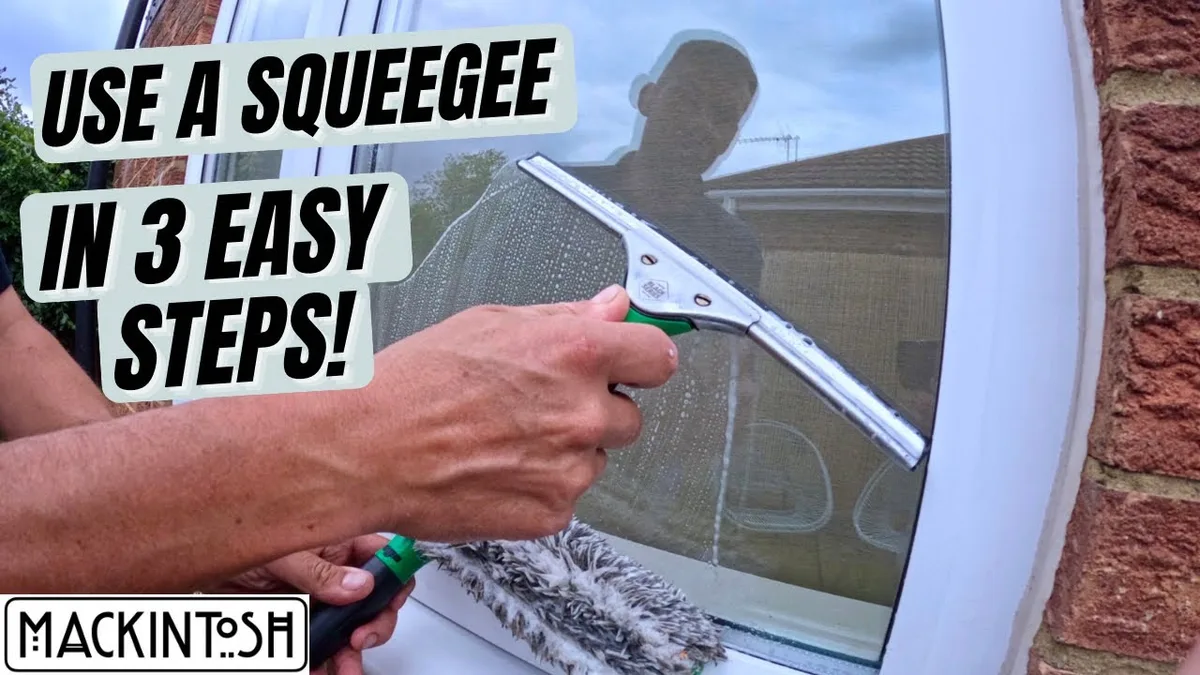
Follow these steps and you will get a streak-free finish every time.
Bing (Web (fair-use with source credit))
Step 1: Prep the Glass
Wet the entire surface with your cleaning solution. Do not leave dry patches. A spray bottle works, or a damp sponge.
Use warm water with a few drops of dish soap, avoid heavy degreasers. For car windows, use a specialised automotive glass cleaner. Dish soap can strip wax if used too often.
Check our guide on whether can you wash a car with dish soap for the full details.
Step 2: Condition the Blade
Run your finger along the rubber edge with a bit of soap solution. This pre-wets the blade and reduces drag. Do not skip this step.
Step 3: The First Pass
Place the squeegee at the top corner of the glass. Pull across in a straight line at a 45-degree angle. Do not stop mid-stroke.
Keep the blade in contact with the glass the entire way.
Step 4: The Return (Pull) Stroke
Flip the squeegee so the same blade edge is leading, then pull back at a 15-degree angle. This second pass removes the thin film left behind. You should see a clean, dry strip of glass behind the blade.
Step 5: Overlap
Each subsequent stroke should overlap the previous dry strip by about 2, 3 inches. This prevents a wet line from forming at the edge.
Step 6: Wipe the Blade
After every two or three passes, wipe the blade with a dry, lint-free cloth. This clears any dirt or soap residue that has built up.
Step 7: Final Touch
Once the window is done, use a dry microfiber cloth to wipe any remaining water at the bottom edge or corners.
Practice this on a bathroom mirror first. It is low risk and you will see the difference immediately.
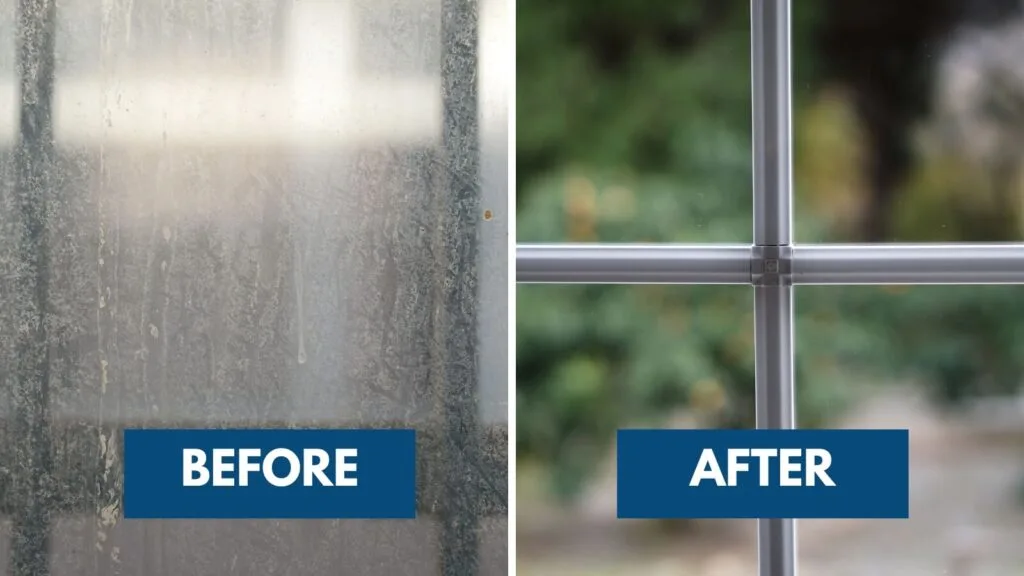
Five Common Visual Mistakes (And What They Look Like)
Even with good technique, things can go wrong. Here is what to look for and how to fix it.
Bing (Web (fair-use with source credit))
Mistake 1: Vertical Streak Lines
What it looks like: Thin, parallel lines appear as the water dries.
Cause: The blade is dirty or has a nick in the rubber. Even a tiny piece of grit causes a streak.
Fix: Wipe the blade with a clean cloth. If that does not help, inspect the rubber edge. Run your nail along it.
If you feel a rough spot, replace the blade.
Mistake 2: Haze or Foggy Film
What it looks like: A milky residue that does not wipe off easily.
Cause: Too much soap in the water. The residue dries and leaves a film.
Fix: Reduce soap concentration. One drop per quart of water is plenty. If you still get haze, switch to distilled water, especially in hard water areas.
A hard water softener for washing car can also help with window cleaning water.
Mistake 3: Streaks Only at the Edges
What it looks like: The center is clear, but the sides are smudgy.
Cause: The squeegee is too wide for the window, or you are not overlapping enough.
Fix: Make sure your overlaps are at least 2 inches. If the window is narrow, use a smaller blade.
Mistake 4: Chatter Marks (Bouncing)
What it looks like: A dotted or wavy pattern across the glass.
Cause: The blade angle is too steep (greater than 45 degrees) or the glass is dry.
Fix: Reduce the angle and wet the glass again. Silicone blades can cause chatter if the glass is cold, so switch to a softer rubber blade in winter.
Mistake 5: Lint or Fibers on the Glass
What it looks like: Small fuzzy particles stuck to the glass.
Cause: You used a paper towel or a rough cloth to wipe the blade.
Fix: Switch to a lint-free microfiber cloth. Also check the blade for any embedded lint.
If you see these issues repeatedly, slow down and check each step. Most mistakes happen because people rush the prep or skip drying the blade between passes.
Maintenance That Keeps Your Wiper Working
A good squeegee lasts years if you take care of it. Here is how.
Bing (Web (fair-use with source credit))
When to Replace the Blade
The rubber edge wears down over time. Look for these signs:
- Visible nicks or tears in the rubber.
- Streaks that reappear after cleaning the blade.
- Reduced flexibility, the blade feels stiff or cracked.
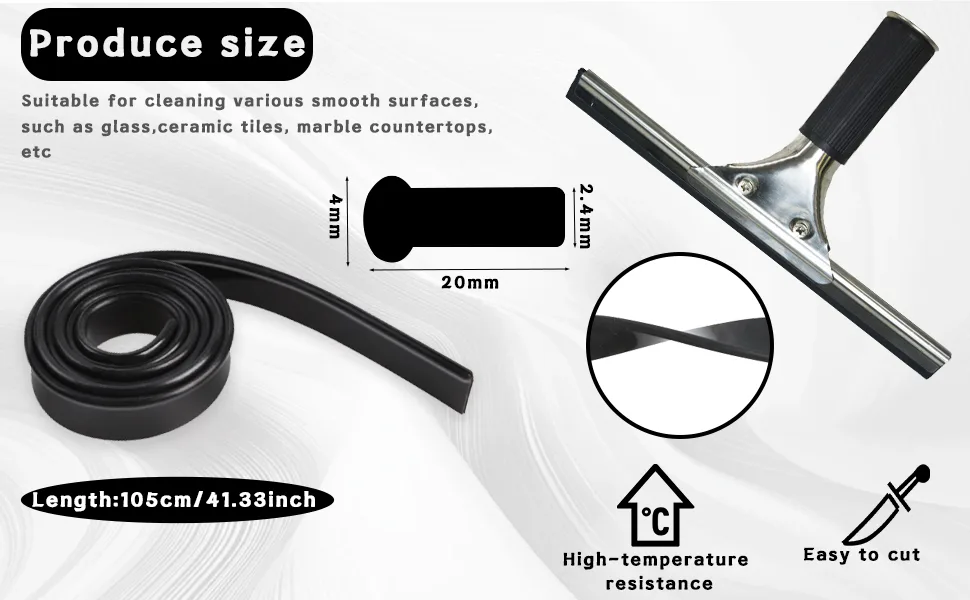
Most blades last 500 to 1,000 passes. That is roughly 3 to 6 months of regular home use. Replace the rubber, not the whole tool.
How to Replace the Blade
- Remove the old rubber from the channel. Most squeegees have a sliding mechanism or a screw at the end.
- Cut the new rubber to length. Leave a slight overhang on each side, about 1/8 inch.
- Slide the rubber into the channel, ensuring the beveled edge faces the glass.
- Trim the overhang flush with a sharp knife.
Some brands sell pre-cut blades for their specific models. Those are easier and worth the extra dollar or two.
Cleaning the Tool
Rinse the squeegee with clean water after each use. Soap residue builds up and hardens on the rubber. Dry it with a cloth before storing.
Never leave it in direct sunlight, UV light degrades natural rubber quickly.
Storage Tips
- Hang the squeegee with the blade facing upward.
- Keep it away from heat sources like radiators or car dashboards.
- If storing for winter, remove the blade and store it in a cool, dark place.
A well-maintained squeegee performs like new for much longer. Replace the blade promptly when it starts to show wear, and you will never fight streaks again.
Real Scenarios: Different Glass, Different Technique
Not all glass is the same. Here is how to adjust your approach.
Big Picture Windows
Use a wide blade, 14 to 18 inches. An extension pole helps with reach. Pull from top to bottom in one continuous stroke.
Overlap each pass by 3 inches. For ground-level windows, use a bucket of soapy water and a scrubber before squeegeeing.
Car Windshield
Use a 10-inch blade. Work in small sections. Avoid the edges of the glass where the rubber can catch.
Wet the windshield thoroughly first. A water spray gun for car wash makes this easy. Dry the blade after every two passes to prevent dirt from scratching the glass.
Shower Doors
Shower glass often has hard water spots that require a vinegar rinse before squeegeeing. After cleaning, squeegee the door after every shower to prevent new spots. A 10-inch blade is ideal for narrow shower panels.
Mirrors
Mirrors are sensitive to lint and soap residue. Use a cleaner without added fragrances or dyes, and wipe the blade frequently. Do not use a scrubber, spray the solution directly on the mirror and squeegee immediately.
Double-Pane vs Single-Pane
Double-pane windows are thicker and less flexible. They require slightly more pressure on the squeegee. Single-pane windows bow under pressure, so use a lighter touch to avoid chattering.
What You Will Actually Spend
Here is a realistic breakdown of costs as of early 2026.
Budget Squeegee ($5–$10)
- Sold at most hardware stores.
- Plastic handle, fixed blade, often not replaceable.
- Works okay for light use, but the blade dulls quickly.
- Best for: occasional use, one or two windows.
Mid-Range Squeegee ($12–$25)
- Aluminium or stainless steel handle.
- Replaceable rubber blade.
- Ergonomic grip, swivel head on some models.
- Best for: regular home use, multiple windows per month.
Professional Kit ($30–$60)
- Comes with multiple blades, scrubber, and extension pole.
- High-quality rubber that lasts longer.
- Best for: large homes, frequent cleaning, or commercial use.
Replacement Blades
- Cost: $3, $8 each, depending on width and material.
- You will replace them 2, 4 times per year with regular use.
- Annual blade cost: $6, $32.
Cleaning Solution
- DIY: water and dish soap, pennies per use.
- Store-bought automotive or household glass cleaner: $3, $8 per bottle, lasting 10, 20 cleaning sessions.
Total annual cost for a mid-range setup: roughly $25, $40. Compared to paper towels and spray bottles, you save money in the first year alone.
So, Should You Get One?
Here is a quick decision guide based on your situation.
Get a squeegee if:
- You have multiple windows or glass doors.
- You want a streak-free finish every time.
- You are tired of wasting paper towels.
- You enjoy a clean, professional look.
Stick with microfiber if:
- You only have small, divided windows (grids or panes).
- You travel frequently and do not clean windows regularly.
- You prefer the convenience of a single cloth and a spray bottle.
Best use cases for a squeegee:
- Large picture windows.
- Sliding glass doors.
- Bathroom mirrors and shower glass.
- Car windshields and rear windows.
The bottom line: Technique matters more than the tool. A cheap squeegee used correctly beats an expensive one used poorly. Practice the steps outlined here, maintain the blade, and you will get professional results every time.
If you are ready to try it, start with a mid-range 12-inch model with a replaceable blade. Pair it with a microfiber cloth for drying edges, and use distilled water if hard water is a problem in your area. For car washing, a water spray gun for car wash combined with a squeegee gives you spot-free glass in half the time.
And if you are curious about alternative methods, our guide on does Karcher rotating car wash brush cause scratches covers another popular glass cleaning tool.