Guam boat and trailer registration requirements and fees can feel confusing, especially with Guam’s mix of local and federal rules. Whether you’re a resident, a visitor, or military personnel, the process changes based on your situation, vessel type, and how you plan to use it.
As of 2026, all motorized boats and most trailers must be registered with the Guam Division of Motor Vehicles, with fees varying by size and residency. Let’s break down exactly who needs to register and how to do it right.
Quick Answer: Guam’s Boat and Trailer Registration at a Glance
Guam requires registration for all motorized boats. Residents pay lower fees than non-residents. Vessels under 16 feet may have different rules.
Trailers over 1,000 pounds must be registered separately.
Who Actually Needs to Register (and Who Doesn’t)
Motorized vessels of any size must be registered if operated in Guam waters. Non-motorized boats like kayaks and canoes are generally exempt unless used commercially.
Trailers also have their own rules. Any trailer over 1,000 pounds must be registered. Smaller trailers may not require registration, but confirm with the Guam DMV.
Military personnel have special considerations. If your vessel is federally documented with the U.S. Coast Guard, you may not need Guam registration.
However, if you’re stationed in Guam and using local waters, you’ll likely need to comply with Guam’s rules.
Guam Resident vs. Non-Resident: Different Rules, Different Fees
Residency status directly impacts your registration process and costs. Guam residents pay lower fees and have simpler paperwork. Non-residents must register their vessels if using Guam waters for more than 30 days.
For residents, the process starts with proving your Guam address. A utility bill, lease agreement, or military orders can serve as proof. Non-residents will need to provide their out-of-state or international address and may face additional requirements.
Fees also differ. Residents typically pay a base fee plus a small surcharge, while non-residents pay higher rates. As of 2026, the exact amounts depend on vessel length and horsepower, but residents can expect to save 20-30% compared to non-residents.
Boat Registration vs. Trailer Registration: What’s the Difference?
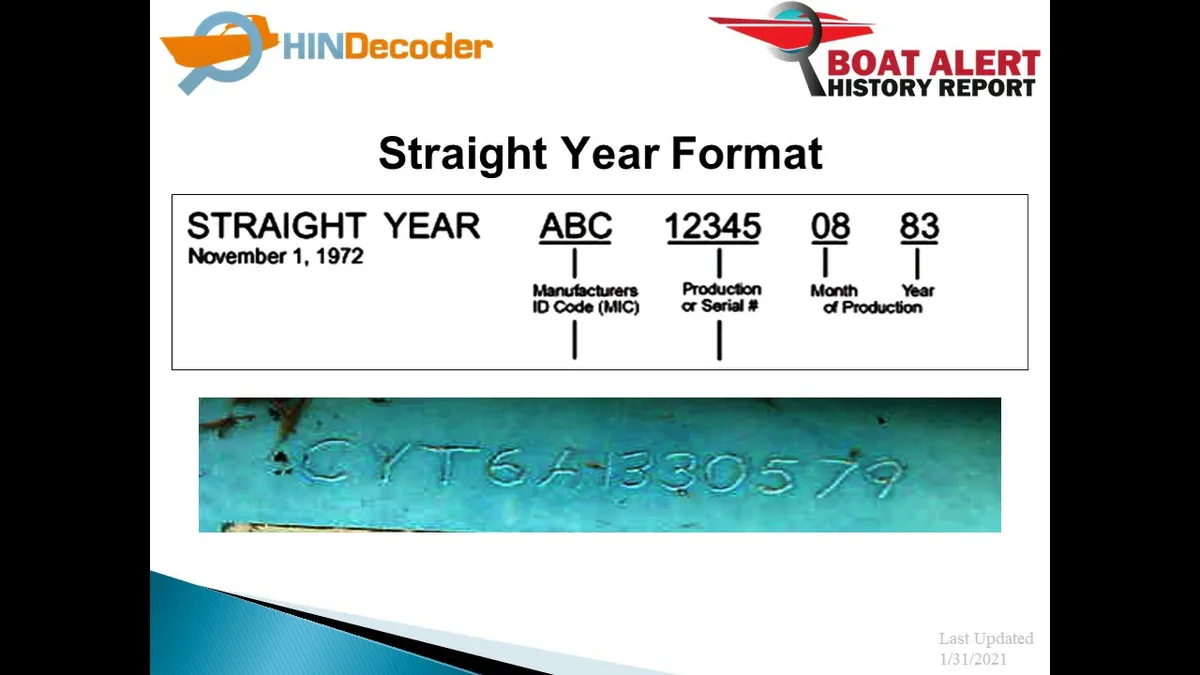
Boat and trailer registrations are separate processes in Guam. Boat registration focuses on the vessel itself, including its Hull Identification Number (HIN), size, and intended use. Trailer registration treats the trailer as a separate vehicle with its own weight and identification requirements.
For boats, you’ll need the HIN, proof of ownership, and a completed application form. The HIN is a 12-character alphanumeric code usually found on the stern of the boat.
Trailers require their own title and registration, which may involve a Vehicle Identification Number (VIN) or an assigned trailer number. Both registrations are handled by the Guam DMV but have different forms and fees.
Step-by-Step: How to Register Your Boat in Guam
Start by gathering the required documents. You’ll need proof of ownership, such as a bill of sale or manufacturer’s certificate of origin. If the boat was previously registered, you’ll also need the old registration certificate.
Next, locate the Hull Identification Number (HIN). This is typically found on the upper right corner of the transom. If the HIN is missing or altered, you may need a verification inspection.
Fill out the Guam DMV’s vessel registration application. Include all required details, such as the boat’s make, model, length, and horsepower.
Submit your application and documents to the Guam DMV. You can do this in person or by mail. In-person submissions are processed faster, often within a few days, while mail-in applications may take 2-3 weeks.
Pay the registration fee. Fees vary based on the boat’s size and whether you’re a resident or non-resident. Once approved, you’ll receive your registration certificate and decals, which must be displayed on the boat according to Guam’s rules.
Step-by-Step: How to Register Your Trailer in Guam
Registering your boat trailer follows a similar but separate process from boat registration. First, gather the trailer’s title and proof of ownership. If the trailer doesn’t have a title, you may need to apply for a certificate of origin or provide a bill of sale.
Next, locate the trailer’s Vehicle Identification Number (VIN) or serial number. This is usually stamped on the frame near the coupler or on a metal plate. Make sure the VIN matches the paperwork exactly.
Fill out the Guam DMV’s trailer registration application. Provide details like the trailer’s weight, length, and whether it’s single-axle or tandem-axle. Guam requires trailers over 1,000 pounds to be registered, but trailers under that threshold may be exempt.
Submit your application, title, and proof of insurance to the Guam DMV. You’ll pay a one-time titling fee and an annual registration fee based on the trailer’s weight. Once processed, you’ll receive a license plate and registration certificate to display on the trailer.
Guam Boat and Trailer Registration Fees (2024)
Fees for boat and trailer registration in Guam vary based on several factors. Boat registration fees depend on the vessel’s length, horsepower, and whether you’re a resident or non-resident. Trailer fees are based on weight and axle type.
| Registration Type | Base Fee (Residents) | Base Fee (Non-Residents) | Additional Fees |
|---|---|---|---|
| Boat (under 16 ft) | $20 | $40 | $5 title fee |
| Boat (16–26 ft) | $40 | $80 | $5 title fee |
| Boat (27–40 ft) | $60 | $120 | $5 title fee |
| Trailer (under 2,000 lbs) | $15 | $30 | $5 title fee |
| Trailer (2,000–4,000 lbs) | $25 | $50 | $5 title fee |
| Trailer (over 4,000 lbs) | $40 | $80 | $5 title fee |
These fees are as of 2026 and subject to change. Some additional costs may apply, like duplicate certificates, late penalties, or use tax on out-of-state purchases. Always check the Guam DMV official website for the most current fee schedule.
Transferring Ownership or Moving to/from Guam
If you buy or sell a boat or trailer in Guam, the ownership must be transferred with the DMV. Sellers need to provide a signed bill of sale and release of liability. Buyers must apply for a new registration within 30 days of purchase.
Moving to Guam from another state or country requires re-registering your boat and trailer locally. You’ll need to surrender any out-of-state titles and registrations, then complete Guam’s titling and registration process.
Military personnel transferring stations can often get a temporary permit while they update their paperwork. Leaving Guam doesn’t automatically cancel your registration. You must formally cancel or transfer it to avoid future fees or penalties.
Common Mistakes That Get Your Registration Rejected
Several common errors can delay or reject your Guam boat and trailer registration. Missing or mismatched Hull Identification Numbers (HINs) or Vehicle Identification Numbers (VINs) are the top culprit. Always double-check that the numbers on your application match the paperwork exactly.
Another frequent mistake is submitting incomplete proof of ownership. A bill of sale must include the seller’s and buyer’s signatures, dates, and a clear description of the vessel or trailer. If you inherited a boat, you’ll need a certified copy of the death certificate and the executor’s affidavit.
Late submissions and incorrect fee payments also cause rejections. Make sure you pay the correct amount based on residency status and vessel or trailer details.
What Happens If You Don’t Register (Fines, Penalties, and Risks)
Operating an unregistered boat or trailer in Guam carries real consequences. Law enforcement can issue fines ranging from $100 to $500 for first-time offenses, with higher penalties for repeat violations. Your vessel may be impounded until fees and penalties are paid.
Beyond fines, you risk invalidating your insurance policy. Most marine insurance policies require valid registration. An unregistered vessel may also fail Coast Guard safety inspections, leading to additional citations.
The easiest way to avoid these problems is to register on time and renew annually. Keep your registration certificate in a waterproof container on the boat. Note the expiration date on your calendar.
Military Personnel and Federal Vessels: Special Cases
Military personnel stationed in Guam often have unique registration questions. If your vessel is already federally documented with the U.S. Coast Guard, you may not need a separate Guam registration.
However, if you’re operating in Guam waters regularly, local rules still apply.
Federal vessels owned by the U.S. government are exempt from Guam registration. This includes Coast Guard, Navy, and other military craft on official duty. For personal use vessels owned by military members, the same residency and registration rules apply as for civilians.
If you’re transferring stations, you can get a temporary Guam registration permit. This allows you to legally operate while you complete the permanent registration in your new state or country.
FAQs About Guam Boat and Trailer Registration
How long does registration take?
In-person registrations are usually processed within a few days. Mail-in applications can take two to three weeks.
Can I register a boat I bought online?
Yes, but you’ll need the signed bill of sale and the seller’s title. If the boat was titled in another state, you must transfer that title to Guam before registering.
What if I lose my registration certificate?
You can request a duplicate from the Guam DMV for a small fee. Bring valid ID and proof of your recent registration if possible.
Do I need to register a paddleboard or kayak?
Non-motorized vessels like paddleboards and kayaks generally don’t need registration. However, if you add a motor to any of these, they become subject to the same registration rules as other motorized boats.
How often do I need to renew my registration?
Boat and trailer registrations expire annually. The expiration date is usually printed on your certificate.
What documents do I need for a first-time registration?
You’ll need proof of ownership, a completed application form, and a valid ID. If the vessel is new, the Manufacturer’s Certificate of Origin serves as proof of ownership.
Final Checklist: Are You Ready to Register?
Before you head to the Guam DMV, make sure you have everything sorted.
- Gather your proof of ownership: bill of sale, title, or manufacturer’s certificate.
- Locate the Hull Identification Number (HIN) on your boat and the VIN on your trailer.
- Determine your residency status: Guam resident or non-resident.
- Fill out the correct application forms for both boat and trailer.
- Calculate the exact fees based on vessel length, horsepower, and weight.
- Bring a valid government-issued photo ID.
- If you’re military, bring your orders for any temporary permits or exemptions.
Once you’ve checked each item, you’re ready to submit your application. Whether you go in person or by mail, keeping copies of all documents is smart. If you’re unsure about any step, call the Guam DMV directly.