ByMax Lee
Guam Abandoned Vehicle Removal: Public & Private Property
That rusted car has been sitting on your street or driveway for weeks. You're not sure who owns it, and nobody seems to know what to do about it. The Guam abandoned vehicle removal process on public and private property is more straightforward than it looks, but only if you follow the right path for your situation.
Guam law distinguishes sharply between vehicles on public roadways and those on private land. Public cases flow through the Guam Police Department and the Department of Public Works. Private cases require owner authorization and a licensed towing company.
As of 2026, the 72-hour notice rule remains the standard before any removal.
YouTube / Tina Muna Barnes (YouTube thumbnail (fair-use with source credit))
The Guam Abandoned Vehicle Problem: Why It's More Complicated Than You Think
Guam has one of the highest vehicle-to-person ratios in the United States. Nearly every household owns at least one car, and many own two or three. With limited land and few working scrap yards, vehicles that break down often end up parked and forgotten.
That's what makes abandoned cars such a persistent issue in every village from Hagåtña to Dededo. It's also why knowing the process matters. Grab the wrong path and you'll waste months waiting for someone who isn't coming.
Quick Answer: Public vs Private Property — The First Decision You Need to Make
The first question is always the same: where does the vehicle sit? Public roadways and private property follow completely different removal processes.
- Public roadway: report to GPD non-emergency, then DPW handles removal
- Private property: post notice, get authorization, arrange your own tow
- Both paths: require a 72-hour waiting period in most cases
The distinction matters because GPD won't help with private property. And DPW won't touch a car on your land without a court order. So get this first decision right.

YouTube / CBSE Lectures (YouTube thumbnail (fair-use with source credit))
Step 1: Is It on a Public Street or Roadway? (GPD & DPW Workflow)
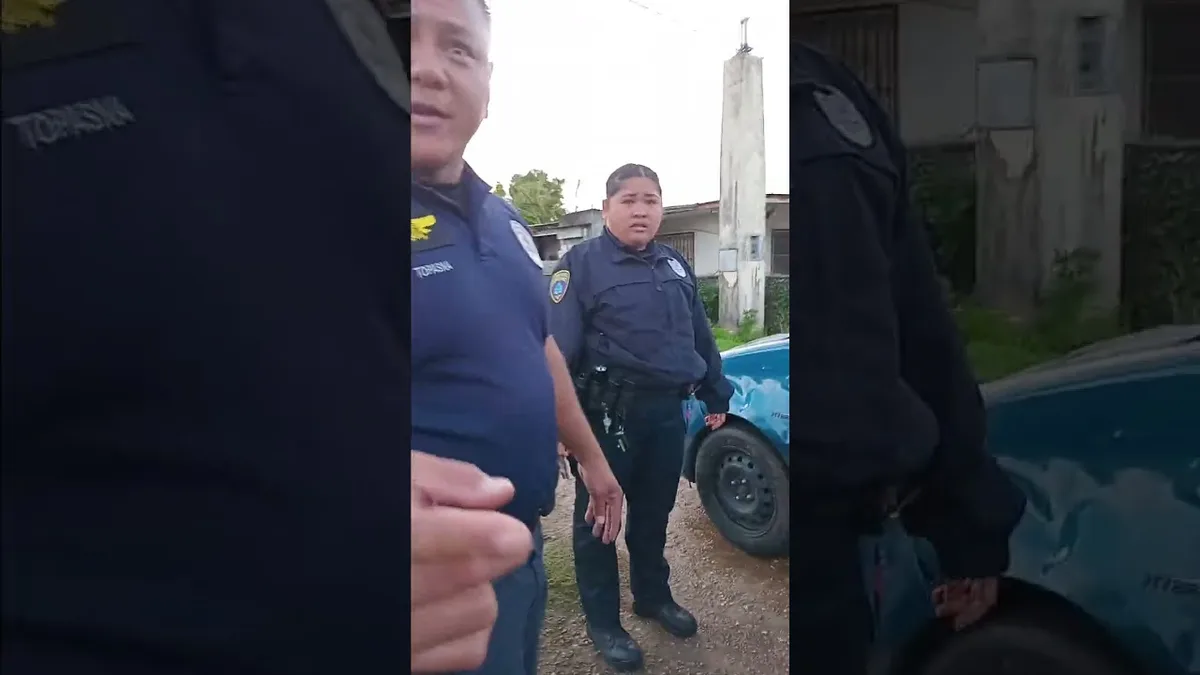
If the vehicle is parked on any public street, roadway, or right-of-way, call the Guam Police Department's non-emergency line. An officer will assess whether the vehicle meets the abandonment criteria under the Guam Code Annotated.
The 72-hour rule applies here. If the car hasn't moved for at least three days, it qualifies as abandoned. Look for expired registration tags, flat tires, or visible damage as supporting evidence.
Hazardous vehicles get prioritized. A car leaking fluids or blocking traffic can be removed within 48 hours. Cosmetic cases take 5 to 10 business days for DPW to process.
Once you file a complaint, DPW posts its own notice on the vehicle. After the waiting period expires, they arrange the tow. You don't pay anything for public property removal.
YouTube / Steve Sun Guam (YouTube thumbnail (fair-use with source credit))
Step 2: Is It on Private Property? (Owner Authorization & Notice Requirements)
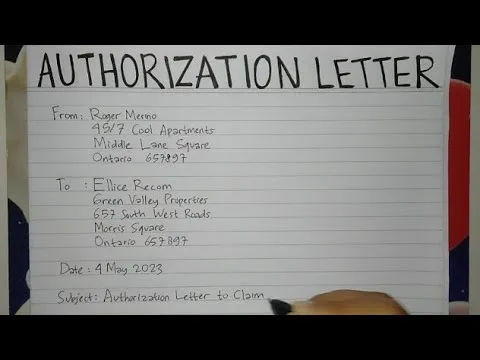
Private property cases are your responsibility. You must be the property owner or have written authorization from the owner. A vehicle parked on land you rent requires written consent from the landlord before any towing company will act.
Post a written notice on the vehicle. Include your contact information and the intended removal date. The 72-hour waiting period gives the owner a chance to reclaim the car.
Take photos of the vehicle from all angles. Record the VIN and current license plate numbers. These records protect you if the owner later disputes the removal.
For landlords, check the lease agreement. Many Guam leases include abandonment clauses that authorize property owners to remove vehicles left behind after a tenant moves out. This paperwork streamlines the entire process.
YouTube / Writing Practices (YouTube thumbnail (fair-use with source credit))
Step 3: Contacting a Licensed Towing Company (What You Need to Bring)
Licensed tow operators on Guam require specific documentation before they'll haul a vehicle. Bring your property deed or lease agreement, a signed authorization form, and photographic evidence of the posted notice.
Get written estimates from at least two companies. Towing costs for a drivable sedan typically range from $100 to $200. Inoperable vehicles require flatbed trucks and can cost $300 or more.
Ask about storage fees upfront. Daily storage charges range from $20 to $50, and they begin immediately after the tow. Some companies offer discounted rates for property owners who handle the paperwork themselves.
The towing company will run the VIN through Guam's motor vehicle records to identify the registered owner. VIN verification helps confirm ownership before the legal notice process begins.

YouTube / Disney Jr. (YouTube thumbnail (fair-use with source credit))
Mistakes That Delay Removal or Create Legal Liability
- Assuming police will handle private property. GPD only responds to public roadways and safety hazards.
- Skipping the written notice. Without it, the tow is illegal.
- Towing without owner authorization. Landlords must have written consent or a lease clause.
- Ignoring hazardous conditions. Leaking fluids and fire risks require the Guam Fire Department.
- Not documenting everything. Photos and receipts are your legal protection.
The biggest risk is towing a vehicle that still has personal belongings inside. Guam law holds the tow operator and property owner responsible for the safe storage of property found in abandoned vehicles. Have the towing company inventory all contents before the car leaves your property.
Another common mistake is failing to check the VIN before towing. A quick records search prevents you from towing a vehicle that's been reported stolen, which would trigger an entirely different law enforcement process.
Costs You Should Expect: Towing, Storage, and Auction Timelines
Get the financial picture before you authorize anything. Costs add up faster than most people expect.
| Vehicle Condition | Typical Tow Cost | Daily Storage Fee | Estimated Total (30 Days) |
|---|---|---|---|
| Drivable sedan | $100-$200 | $20-$30 | $700-$1,100 |
| Inoperable sedan | $150-$300 | $20-$30 | $750-$1,200 |
| Heavy SUV/truck | $200-$400 | $30-$50 | $1,100-$1,900 |
| Flatbed required | $200-$400 | $20-$50 | $800-$1,900 |
If the owner never claims the vehicle, a lien sale process begins after the required storage period. The towing company can auction the car to recover their fees. Anything leftover goes to the registered owner.
If the auction doesn't cover your costs, you absorb the difference. Budget for the worst case and be pleasantly surprised if the sale covers more. Michigan's salvage title rules offer a useful comparison for understanding what documentation destinations require, even though Guam has its own recording system.
Safety, Legal Compliance, and Do-Not-Do's
Abandoned vehicles can be genuinely dangerous. Don't treat them like a regular parking problem.
Call the Guam Fire Department if you see leaking fluids, burning smells, or exposed electrical components. Fuel lines dry out and crack. Old batteries can ignite.
These things escalate quickly in Guam's tropical climate.
Never attempt to move a hazardous vehicle yourself. Contaminated fluids and unstable structures are jobs for trained professionals with proper containment equipment.
Read your lease agreement before authorizing any tow. If you're a landlord, you need an abandonment clause in writing. If you're a tenant, you need explicit owner permission.
Real Scenarios: How Different Guam Situations Play Out
Real situations show how the rules work in practice. Each scenario below follows a different path through the process.
Case A: Hagåtña Homeowner Deals with a 6-Month-Old Car on Their Driveway
Maria noticed a rusting sedan parked on her driveway six months ago. The previous homeowner had left it there without permission. She assumed police would handle it automatically.
They didn't. GPD only operates on public roadways. Maria posted her own notice, waited 72 hours, and arranged a tow.
The $280 removal cost was partially recovered through the lien auction.
Case B: Dededo Landlord Clears Out a Tenant's Abandoned SUV
James found an abandoned SUV in his rental property parking lot after a tenant skipped out. His lease included an abandonment clause that let him remove vehicles without additional consent.
He posted notice, called a towing company, and documented everything. The SUV went to storage and was auctioned after 30 days. James recovered his costs from the sale.
Case C: Typhoon Season — Storm-Damaged Car on a Public Street
After a typhoon, Leo found a flood-damaged truck blocking his neighbor's driveway. He called DPW, which prioritized the removal during emergency clearing.
Government crews handled the tow same-day because the vehicle created an obstruction hazard. Normal waiting periods didn't apply.
Case D: Business Owner in Tumon Towing a Junk Car from Their Lot
Sarah's Tumon retail shop had a junk car parked in her lot for months. The customer who left it never returned.
She checked the VIN through DPW and found the registration expired a year ago. With that documentation, she authorized a tow and the vehicle went through the lien sale process without complications.
FAQs About Guam's Abandoned Vehicle Removal Process
How Long Does DPW Take to Remove a Car from a Public Road?
DPW response times range from 48 hours for hazards to 10 business days for standard cases. During typhoon season, expect longer waits. High-priority vehicles that block traffic always move faster.
Can I Tow a Car Off My Property Without Calling Anyone First?
Yes, if you own the property or have written authorization. Post a 72-hour notice, document everything, and contact a licensed towing company. You don't need police approval for private property removal.
What If the Car Has Expired Plates But Someone Says It's Theirs?
Expired plates alone don't prove abandonment. The registered owner can reclaim the vehicle by presenting valid registration and paying storage fees. Verify ownership through DPW before proceeding.
Who Pays for Towing if the Registered Owner Never Shows Up?
You pay upfront. The lien auction can reimburse you if the vehicle sells. If it doesn't, the shortfall is yours.
Budget accordingly.
Does Guam Have Different Rules for Military or Base Property?
Yes. Military installations operate under federal regulations. Joint Base Marianas and other facilities follow Department of Defense procedures.
Civilian residents cannot use GPD or DPW processes on base property.
Final Decision Guide: Which Branch Applies to Your Situation?
Use this simple decision tree to find your exact path.

YouTube / STATISTICS4ALL (YouTube thumbnail (fair-use with source credit))
Public Street or Roadway? → Follow GPD/DPW Complaint Process
Call GPD non-emergency, file a complaint, and let DPW handle the rest. No cost to you. Hazards move faster.
Private Property with Owner Consent? → Authorize and Tow Directly
Post your notice, wait 72 hours, and coordinate with a licensed towing company. Keep every receipt and photo.
Private Property Without Consent? → Negotiate, Post Notice, or Seek Legal Help
Get written authorization from the property owner before doing anything. If the situation is hostile, talk to a local attorney first. Improper towing creates legal liability.
Vehicle Is a Safety Hazard? → Call DPW or Fire Department Immediately
Leaking fluids, fire risks, and flood damage get emergency priority. Don't wait out the 72-hour rule. Call professionals right away.