Guam vehicle inspection requirements and safety standards exist to keep you and everyone else on the road safe. The island runs a mandatory annual safety inspection program overseen by the Guam Department of Revenue and Taxation. You need a valid inspection sticker to register your car, and the rules apply to all registered vehicles unless your model qualifies for a specific exemption.
Our research shows the inspection covers brakes, lighting, tires, steering, suspension, and general body integrity. Missing even one component can result in a failure that costs you time and money. Understanding the full process before you show up at the station will save you a trip and keep your registration current.
Quick Answer
Guam vehicle inspection requirements and safety standards mandate an annual safety check for all registered motor vehicles. The inspection covers brakes, lights, tires, steering, suspension, and general body condition. You must bring your registration, proof of insurance, and a valid government ID to the appointment.
The current fee is approximately 30 USD per vehicle, as of 2026. A valid inspection sticker must be displayed on your windshield to stay compliant.
Who Needs a Vehicle Inspection in Guam and When
You need a Guam vehicle inspection if you plan to register or renew registration for any motor vehicle on the island. This rule covers cars, trucks, SUVs, and motorcycles that operate on public roads. Commercial vehicles follow the same annual schedule unless federal rules impose a different timeline.
When Should You Schedule Your Inspection
Most owners should book their inspection a few weeks before registration expires. This timing gives you room to fix any issues and return for a recheck without scrambling. If you recently moved to Guam from another state, you must complete your first inspection before you can register your vehicle locally.
Who Qualifies for an Exemption
Classic cars and certain antique vehicles may qualify for reduced inspection frequency. You can learn about those rules by reviewing guidance on antique vehicle registration options. Military personnel stationed on base follow the same safety inspection timeline as civilian residents.
Out-of-State Vehicles Transferring to Guam
If you bring a vehicle from the mainland United States, Guam requires a VIN verification before registration. You can see how out-of-state VIN checks work by reading about VIN verification for title transfers. The safety inspection itself follows the same checklist regardless of where you bought the car.
Guam's Official Inspection Requirements: What They Actually Check
The inspection focuses on core safety systems that keep your car roadworthy. An inspector will examine your brakes, lights, tires, steering, suspension, and general body structure. They also check that your horn, windshield wipers, and mirrors function properly.
Brake System Evaluation
Your brakes are the top priority. The inspector checks pad thickness, rotor condition, brake fluid levels, and parking brake engagement. Worn pads or low fluid will result in a failure that you must fix before reinspection.
Lighting and Electrical Components
Every light must work, including headlights, taillights, brake lights, turn signals, and hazard flashers. Dim or discolored bulbs can cause a failure, so replace them before you arrive. Windshield wipers need to clear the glass effectively without streaking.
Tire and Wheel Condition
Tires must have adequate tread depth and proper inflation. Cracked, bulging, or severely worn tires will fail inspection. Wheel rims should not be bent or excessively corroded, especially given Guam's humid coastal environment.
Steering and Suspension Integrity
The inspector looks for loose or worn components in the steering linkage and suspension. Excessive play in the tie rods, control arms, or struts can make your vehicle unsafe to drive. Rusted or broken mounts are common findings on older cars.
Body and Structural Items
Rust holes, sharp edges, and damaged glass are all grounds for failure. Doors must latch securely, and seat belts need to retract and buckle properly. The federal National Highway Traffic Safety Administration sets baseline safety standards that Guam aligns with for these structural checks.
The Step-by-Step Process of Getting Your Car Inspected in Guam
You do not need an appointment at most Guam inspection stations, but arriving early helps you avoid long waits. Follow these steps to keep the process smooth and stress-free.
Step 1: Prepare Your Vehicle the Night Before
Walk around your car and check every light, horn, and wiper. Fill your tire pressure to the manufacturer's recommended level. Make sure your windshield is clean enough for the inspector to see through clearly.
A quick hose filter for car washing can help you rinse away road salt and grime before the appointment.
Step 2: Gather Your Required Documents
You need your current vehicle registration, proof of insurance, and a government-issued photo ID. If someone else owns the car, bring a signed authorization letter from the registered owner.
Step 3: Arrive at an Approved Inspection Station
The Guam Department of Revenue and Taxation operates designated inspection locations across the island. You can drive your vehicle directly into the inspection lane without scheduling ahead.
Step 4: Submit Your Paperwork and Wait for Your Turn
Hand your documents to the clerk and receive a numbered ticket. Wait in the designated area until your vehicle number is called.
Step 5: Undergo the Safety Inspection
The inspector will walk through the checklist we covered earlier. They may ask you to sit in the driver's seat and demonstrate brake function, turn signals, and horn operation.
Step 6: Receive Your Results and Sticker
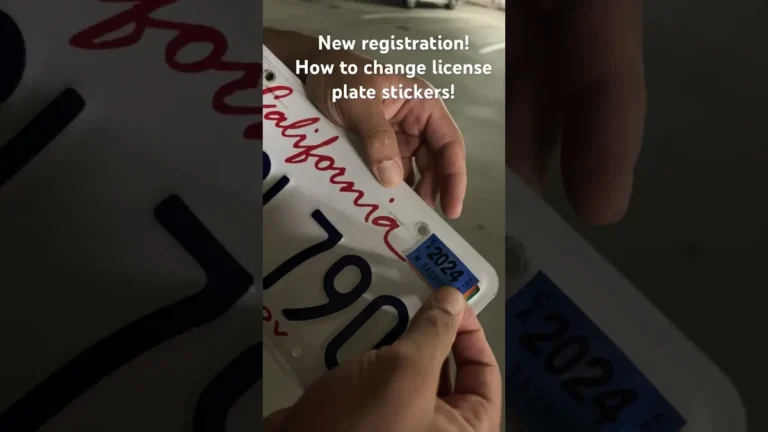
If you pass, the inspector will issue a valid inspection sticker and place it on your windshield. You will receive a signed inspection report to keep with your registration papers.
Documents You Must Bring (Or Risk Getting Turned Away)
Showing up without the right paperwork is one of the most common mistakes drivers make. Inspectors will not begin your inspection if you cannot produce the required documents.

Required Document Checklist
| Document | Purpose | Accepted Formats |
|---|---|---|
| Vehicle registration | Proves your car is currently registered in Guam | Original card or printed digital copy |
| Proof of insurance | Confirms you carry minimum required coverage | Insurance card or digital policy document |
| Government-issued photo ID | Verifies your identity | Driver's license, passport, or military ID |
| Authorization letter | Required if you are not the registered owner | Signed letter with owner's contact information |
What Happens If You Forget a Document
You will be turned away and must reschedule. Some stations may let you drop off documents within a set timeframe, but this is not guaranteed. Plan ahead and lay out all your papers the night before your appointment.
Digital Copies and Photo Snapshots
Most inspectors accept clear photos of your documents taken with a smartphone. Make sure the text is legible and the dates are visible. Blurry or cropped images will delay your inspection.
Common Reasons Cars Fail Inspection in Guam (And How to Fix Them Fast)
Most failures come from simple, fixable issues that any car owner can address. Knowing these common problems ahead of time will help you pass on your first visit.
Burnt-Out Light Bulbs
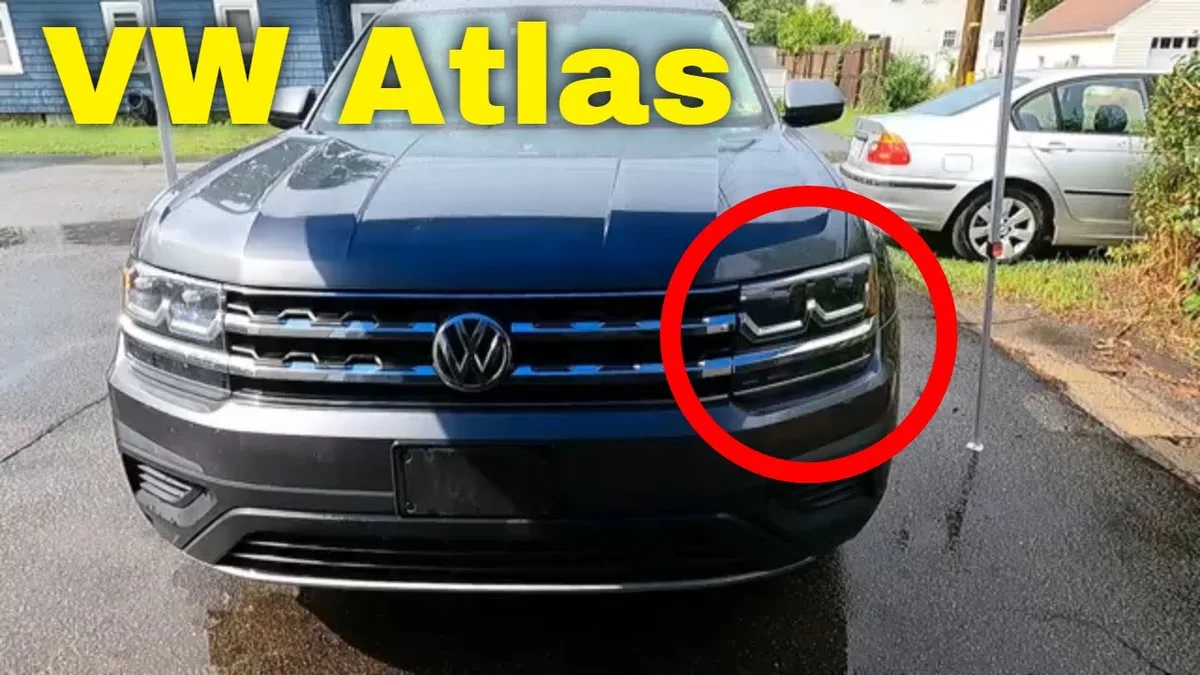
This is the single most common failure reason. Check every exterior light before you go, including your third brake light. Replace any dim or dark bulbs with the correct specification for your vehicle.
Worn or Low-Tread Tires
Tires below the legal tread depth limit will fail inspection. Use a tread depth gauge to measure each tire before your appointment. Replace tires that show uneven wear or visible damage.
Faulty Brake Pads or Rotors
Brake pads thinner than the manufacturer's minimum specification will not pass. Squealing, grinding, or pulsating brakes are signs you need service soon. A quick brake inspection at a trusted mechanic can prevent a failure.
Non-Functional Horn or Wipers
Inspectors will test your horn and wipers during the inspection. If either does not work, you will fail. Check your horn by pressing the steering wheel button, and run your wipers on all settings to confirm proper operation.
Excessive Rust or Body Damage
Guam's humid climate accelerates rust formation on older vehicles. Surface rust is usually acceptable, but holes in the body panels or structural components will cause a failure. Regular washing and timely touch-up paint can slow rust progression.
For owners who keep their cars clean, understanding how proper foam cannon soap ratios help maintain paint condition can support long-term body preservation.
What Happens If You Drive Without a Valid Inspection Sticker
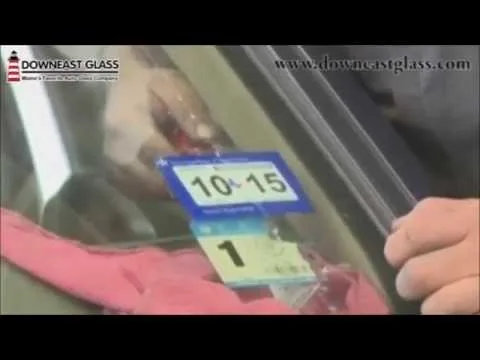
Driving with an expired or missing inspection sticker violates Guam law and carries real consequences. Officers can pull you over at any time if they notice your sticker is missing or past its expiration date.
Fines and Penalties
You will receive a citation with a fine that varies based on how late your inspection is. Repeat offenses can result in higher penalties and additional court costs.
Registration Suspension
Your vehicle registration may be suspended until you complete a passing inspection. This means you cannot legally drive your car until the sticker is back on your windshield.
Insurance Complications
Some insurance providers require a valid inspection as a condition of coverage. Driving without one could theoretically affect your claim if you are involved in an accident.
What to Do If You Get Caught
Pull over safely and cooperate with the officer. Explain that you are scheduling your inspection soon if that is true. Pay the fine promptly and book your inspection appointment immediately to avoid further issues.
Guam Inspection Fees, Validity Period, and Processing Times
The standard inspection fee runs approximately 30 USD per vehicle as of 2026. Payment is due at the time of service, and most stations accept cash and major credit cards. Keep your receipt until your registration renewal arrives.
The inspection sticker is valid for one year from the date of issuance. You can renew your registration up to 30 days before the sticker expires without penalty. Processing times at the station typically range from 10 to 20 minutes for a clean pass.
Military and Out-of-State Vehicles: Special Rules You Should Know
Military personnel stationed in Guam follow the same inspection timeline as civilians. However, vehicles shipped from the mainland may need a VIN verification before registration. This step confirms your car meets Guam's safety standards.
Out-of-state vehicles must pass inspection before you can register them locally. If your car has modifications, ensure they comply with Guam's equipment laws. Some aftermarket parts may not meet local safety requirements.
How Guam's Tropical Climate Affects Your Inspection
Guam's hot, humid, and salty air takes a toll on vehicles faster than most mainland climates. This environment creates specific problems that inspectors see repeatedly during annual checks.
Accelerated Rust and Corrosion
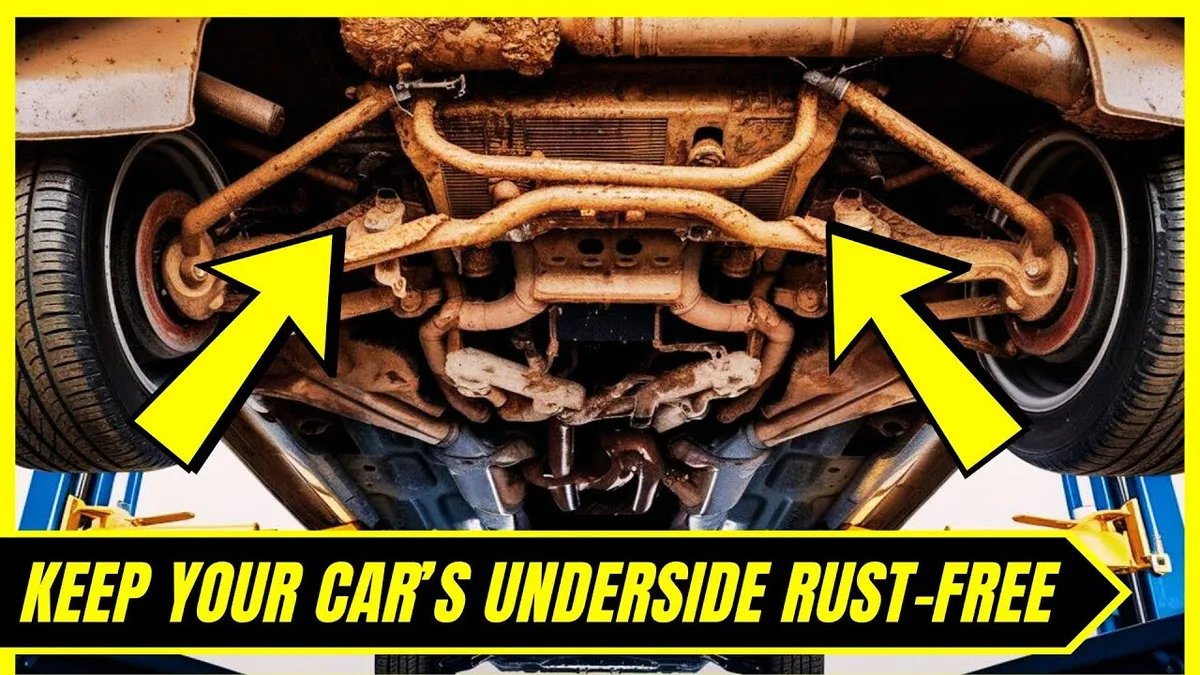
Salt air and high humidity speed up metal corrosion, especially on undercarriage components, brake lines, and suspension parts. Vehicles parked near the coast show the most damage. Regular undercarriage washes can help remove salt residue.
Tire and Rubber Degradation
Heat and UV exposure dry out rubber components faster than in cooler climates. Tire sidewalls can crack, and weatherstripping around doors and windows may become brittle. Inspectors will fail tires with visible cracking or excessive wear.
Battery Life Shortening
Car batteries struggle in extreme heat. Guam's temperature can reduce battery lifespan by up to fifty percent compared to milder climates. Weak batteries cause lighting and electrical inspection failures.
Air Conditioning Strain
Your A/C system works harder in Guam's climate. Condenser coils collect more debris from tropical foliage, and refrigerant levels can drop faster. While A/C is not always part of the official safety inspection, a struggling system can indicate broader maintenance needs.
Where to Get Your Vehicle Inspected in Guam (Official Stations Only)
You must use a Guam Department of Revenue and Taxation approved inspection station. Private garages cannot issue a valid inspection sticker, even if they perform a thorough safety check.

Finding Your Nearest Station
The DRT maintains a list of authorized inspection locations across Guam. Most stations are located in Tamuning, Hagåtña, and Yigo. Call ahead to confirm operating hours, as some locations close early on Fridays.
What to Expect at the Station
Inspection stations are straightforward facilities with a drive-through lane. You will hand your documents to a clerk, receive a numbered ticket, and wait for your turn. The actual inspection takes about ten to fifteen minutes for a vehicle that passes cleanly.
Payment Methods
Most stations accept cash and major credit cards. Have your payment ready to avoid delays. Keep your receipt until your new registration sticker arrives in the mail.
Pro Tips to Pass on the First Try
A little preparation goes a long way toward a smooth inspection experience. Use these tips from our research to avoid the most common failures.
Clean Your Car Inside and Out
A clean car makes inspection easier for everyone. Dirt-covered license plates and grimy windshields can hide problems. A simple wash with ph-neutral foam cannon soap protects your paint while making details easier to spot.
Test Everything Yourself First
Before you leave for the station, have a friend help you check every light. Sit in the driver's seat and test your horn, wipers, and all turn signals. Replace any faulty components the same day.
Check Your Tire Pressure and Tread Depth
Properly inflated tires with adequate tread will pass without issue. Use a tire pressure gauge and a tread depth tool from any auto parts store.
Bring Extra Bulbs and Fluids
Keep a small kit of common replacement bulbs and brake fluid in your trunk. If something fails during inspection, you can often fix it on the spot and return for a quick recheck.
Frequently Asked Questions
How often do I need a Guam vehicle inspection?
You must get an annual safety inspection to keep your registration current. Some exemptions apply to classic or antique vehicles.
How much does a Guam vehicle inspection cost?
The inspection fee is approximately 30 USD per vehicle as of 2026. Payment is due at the time of inspection, and most stations accept both cash and credit cards.
How long does a Guam vehicle inspection take?
A standard inspection takes about ten to fifteen minutes for a vehicle that passes on the first attempt. If you fail and need to return, expect to wait another fifteen to twenty minutes for a recheck.
What happens if my car fails the inspection?
You will receive a list of required repairs. You have 30 days to fix the issues and return for a reinspection.
Can I drive my car after it fails inspection?
Yes, but only to make repairs or return for a recheck. Driving without a valid sticker for other reasons can result in fines.
Are emissions tests required in Guam?
Guam does not currently require a separate emissions testing program for most vehicles. The annual inspection focuses on safety components rather than exhaust output, though rules can change based on new environmental regulations.
What if I forget my documents?
You will be turned away and must reschedule. Bring original registration, proof of insurance, and a government-issued photo ID to avoid delays.
Do military personnel get special inspection rules?
Military personnel follow the same annual inspection schedule as civilians. Vehicles imported from the mainland may require an additional VIN verification step before registration.