ByMax Lee
Guam’s Blue & Red Light Ban for Private Cars
You've seen the videos: work trucks and tuner cars with red and blue light bars glowing through traffic. The Guam blue and red light prohibition for private motor vehicles makes that a ticket waiting to happen. If you drive a personal car, truck, or SUV on Guam, you can't run red or blue lighting that looks emergency-adjacent.
That includes light bars, grille inserts, underglow, and even some interior strips.
The rule lives in Guam Code Annotated Title 14, Section 3610. As of 2026, it's still enforced aggressively in places like Dededo, Tumon, and Hagåtña. The law is read strictly: red and blue are reserved for emergency vehicles.
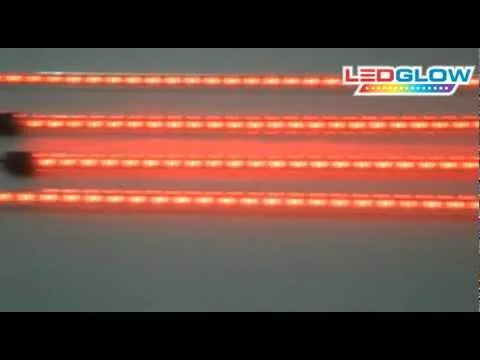
YouTube / LEDGlow (YouTube thumbnail (fair-use with source credit))
The Quick Answer: Are Blue or Red Lights Legal on Your Car in Guam?
Are red or blue lights legal on a private car in Guam? No. The Guam blue and red light prohibition for private motor vehicles says no.
Personal cars cannot use those colors. Only emergency vehicles can. Violators risk fines and possible impoundment.
The Law Behind the Ban (14 GCA §3610 Explained)
The statute is short and leaves little room for interpretation. Section 3610 bans red or blue lights on private motor vehicles. Those colors belong to emergency vehicles.
If your vehicle isn't one, you're in violation.
The law sits inside Guam's traffic code under Title 14. It separates authorized emergency users from everyone else. That distinction is what makes the rule so clear.
What counts as a red or blue light? Officers look at the equipment's color and how it's shown. A flashing LED light bar is the obvious case.
A steady red light in a front grille also falls under it.
Even a single red or blue bulb visible from outside can trigger a stop. It doesn't need to flash. It doesn't need to be blinding.
The color alone is enough.
That's what makes 14 GCA §3610 such an easy violation to commit. You buy a "show light" for thirty bucks and end up with a traffic citation. For the official wording, the Guam Legislature keeps the current code online.
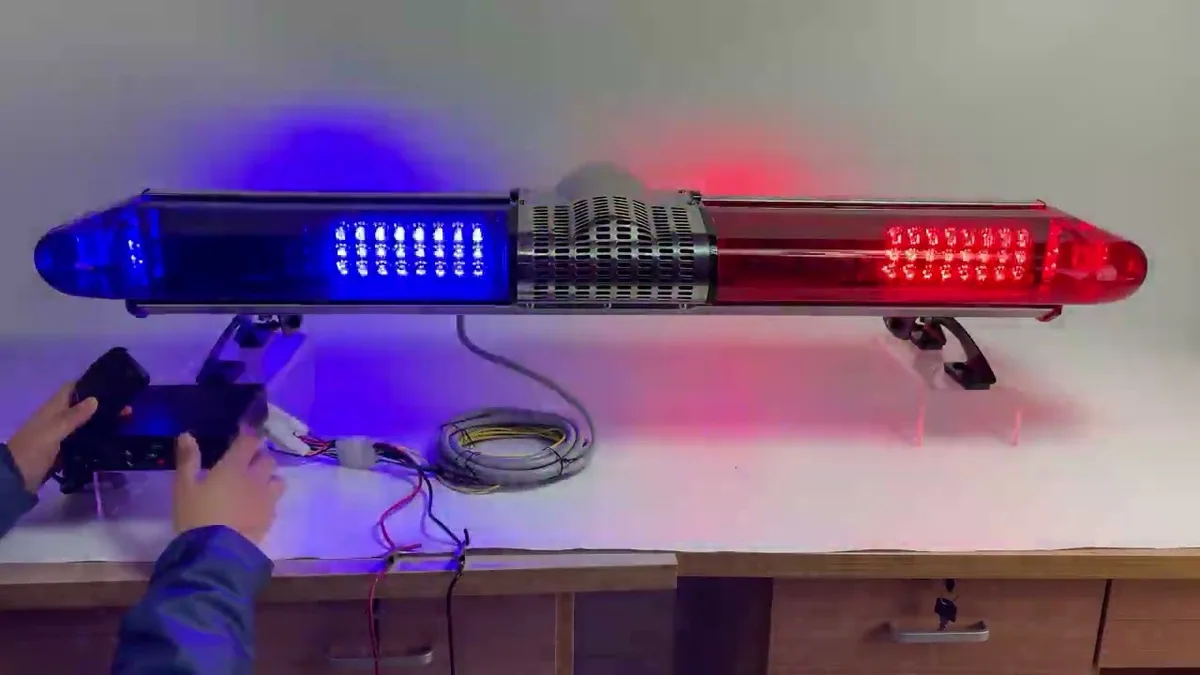
YouTube / Golddeer Security China (YouTube thumbnail (fair-use with source credit))
Who's Exempt and Who Isn't
The ban isn't absolute. Emergency responders need those lights to do their jobs. The law carves out a clear exception for them.
Exempt vehicles include:
- Police vehicles
- Fire department vehicles
- Emergency ambulances
- Other officially authorized emergency vehicles
That's a short list, and it's intentionally tight. Private security vehicles are not automatically exempt. Tow trucks can use amber warning lights, but not red and blue.
Off-duty officers don't get a pass just because they carry a badge. The vehicle itself has to be approved.
What about antique cars? There's a limited angle there. Guam allows some restored vehicles to use special lighting during parades or exhibitions.
But those lights aren't street-legal in normal traffic.
What Happens If You Get Caught
Let's not sugarcoat it. A red or blue light violation on Guam is not a "fix it and go" warning. Here's how it typically plays out:
- The officer pulls you over, sometimes with their own lights already flashing.
- They inspect the vehicle and ask about the aftermarket equipment.
- If the red or blue lights are there, a citation almost always follows.
Likely Outcomes and Penalties
| Situation | What Usually Happens |
|---|---|
| First-time violation, lights visible but not flashing | Citation, order to remove the lights, fine |
| Repeated violation or flashing lights in traffic | Higher fine, possible criminal charge, vehicle impoundment |
| Lights that mimic an active police response | Immediate impound, court summons, serious legal trouble |
The exact fine depends on the judge and the specific charge. But the real cost goes beyond the ticket. You'll lose time, you might lose license points, and you could spend a day or two without your vehicle.
Common Ways People Break the Rule Without Realizing It
Most people who violate Section 3610 didn't plan to impersonate a cop. They just liked how it looked. Here are the usual setups that get drivers into trouble:
- The grille light bar. A red and blue LED bar bolted to the front grille is the number one offender. To police, it looks like a response vehicle.
- Red underglow. Tuner culture loves under-car neon, but red underglow is still a red light on a moving vehicle.
- Blue-tinted headlight bulbs. Not technically the same violation, but it's a magnet for being pulled over. Then the officer sees everything else.
- Flashing aftermarket tail lights. Some kits make tail lights flash red during startup or turn signals. That pattern can read as an emergency light.
- Interior LED strips. Blue or red strips that bleed through the windows are visible from outside. That visibility is enough.
Here's an important nuance: factory red tail lights are fine. They're standard equipment, and everyone understands them. The law targets red or blue lights that aren't part of the car's original lighting package.
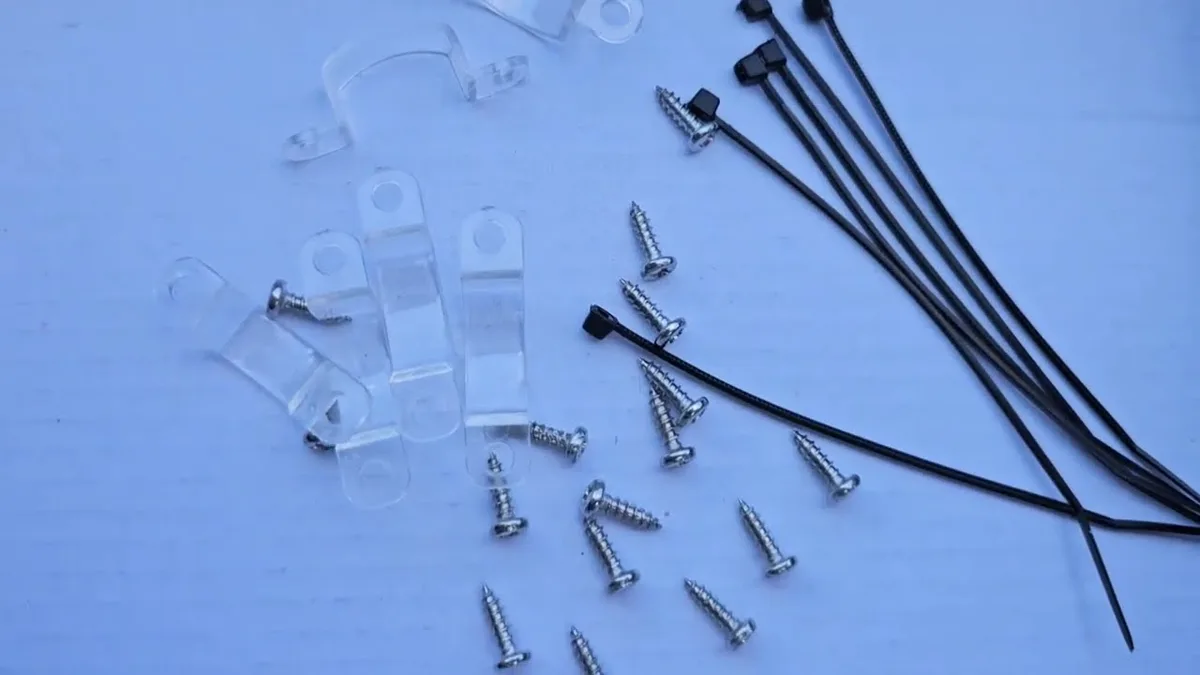
YouTube / RVPro (YouTube thumbnail (fair-use with source credit))
Officers don't need a radar reading to stop you for this. The visual cue is immediate. And once you're stopped, a quick walk around will reveal any other lighting modifications.
If you're unsure whether your car is compliant, the smart move is to check every exterior light while parked. Turn on the headlights, hazards, brake lights, and any auxiliary gear. Look for red or blue output.
If you see it, disconnect it before the next drive.
Legal Alternatives for Auxiliary Lights in Guam
You can still add lighting to your vehicle. The key is sticking to colors that don't mimic emergency vehicles.
Amber and white are the safe choices. They're visible, they look good, and they won't get you pulled over. Many off-road light bars come in amber.
White LED strips under the chassis are also fine.
Here's what's allowed:
- Amber fog lights or light bars
- White underglow or rock lights
- Clear or white interior lighting (as long as it's not visible from outside)
Some drivers use green or purple for accent lighting. Those colors aren't restricted, but they're less common. If you're unsure, amber and white are the easiest to defend.
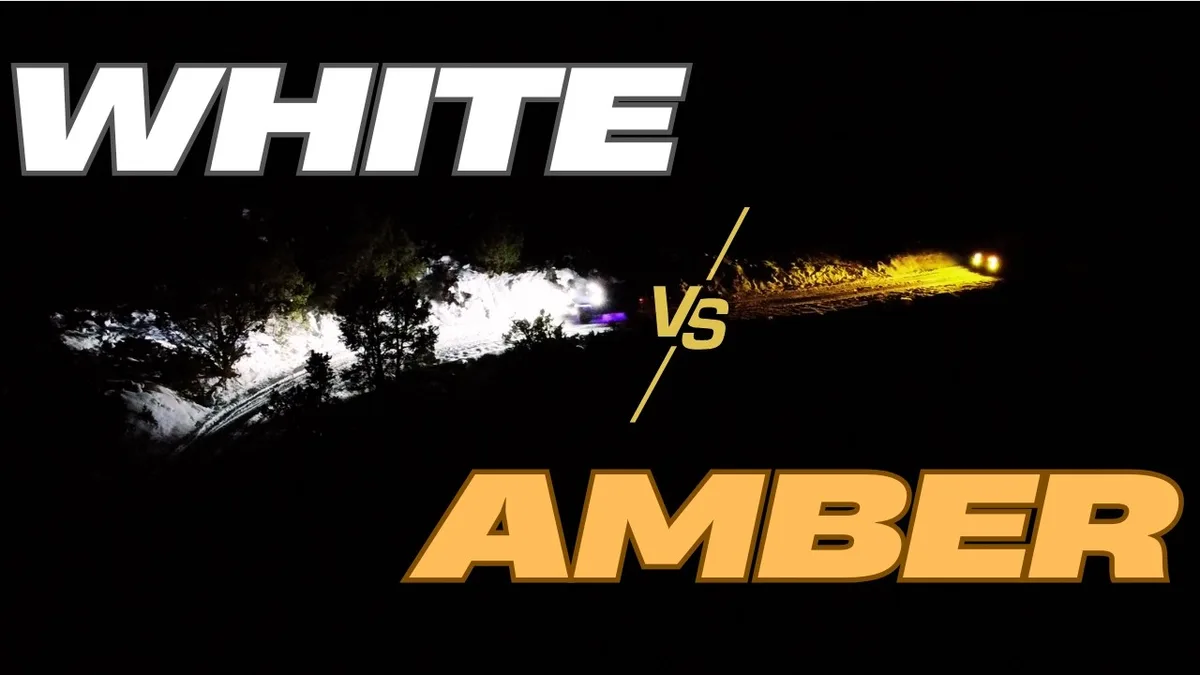
YouTube / OutdoorTaco (YouTube thumbnail (fair-use with source credit))
Just remember: placement matters. Even legal colors can cause issues if they're too bright or flash in a way that distracts other drivers. Keep it steady, keep it subtle, and you'll stay on the right side of the law.
How to Check If Your Vehicle's Lights Are Compliant
Start with a visual inspection. Walk around your car at night with the lights on. Look for any red or blue output that isn't part of the factory setup.
Check these spots:
- Front grille or bumper
- Under the chassis
- Inside the cabin (visible through windows)
- Side mirrors or fender mounts
- Rear tail lights (aftermarket modifications)
If you see red or blue, it's non-compliant. The only exception is if the vehicle is an authorized emergency responder.
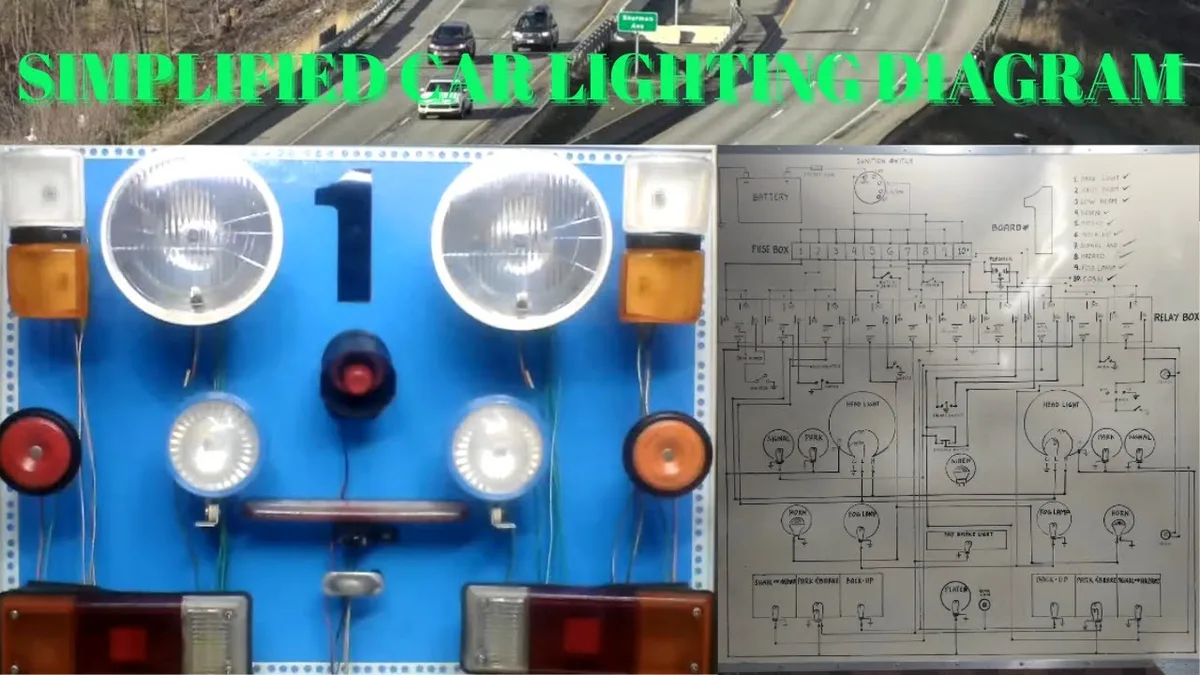
YouTube / TAT General Services (YouTube thumbnail (fair-use with source credit))
For a deeper check, review your vehicle's lighting diagram. Most owner's manuals include a schematic. Compare it to what's actually installed.
Any extra wiring or switches for red/blue lights are a red flag.
If you're still unsure, a quick stop at a local inspection station can confirm compliance. They see these cases often and can give you a clear answer.
What to Do If You've Already Installed Non-Compliant Lights
The fix is simple: remove them. The sooner, the better.
Start by disconnecting the power source. Then unmount the lights themselves. If they're wired into the vehicle's electrical system, you may need a professional to ensure a clean removal.
YouTube / Chemical Guys (YouTube thumbnail (fair-use with source credit))
If you've already been cited, removing the lights before your court date can help. Judges often look favorably on drivers who correct the issue promptly. Bring proof of removal if possible.
For those who love the look, consider switching to amber or white alternatives. Many aftermarket brands offer the same styles in compliant colors. You keep the aesthetic without the legal risk.
Antique and Special Case Vehicles: The Fine Print
Guam does have limited exceptions for antique or classic vehicles. But they're not a free pass.
These vehicles can sometimes use special lighting during parades or static displays. However, the moment they hit public roads, the same rules apply. Red and blue lights are still off-limits.
If you're restoring a vintage car, check with the Guam Department of Revenue and Taxation. They handle vehicle registrations and can clarify what's allowed for your specific case.
Even then, the lighting must be period-correct and not confuse other drivers. Modern LED strips in vintage colors won't qualify. The law prioritizes safety over aesthetics.
FAQs About Guam's Emergency Light Restrictions
Can I use blue interior lights if they're not visible from outside?
No. If the light is visible through windows, it's still a violation. The law doesn't distinguish between interior and exterior lighting.
Are underglow kits legal if they're amber or white?
Yes. Amber and white underglow kits are compliant as long as they don't flash or distract other drivers.
What if my car came with red accent lights from the factory?
Factory-installed red lights, like tail lights, are fine. The ban targets aftermarket additions that mimic emergency vehicles.
Do the same rules apply to motorcycles?
Yes. The prohibition covers all private motor vehicles, including motorcycles. Red and blue lights are off-limits.
Can I get a permit to use red or blue lights?
No. Permits for red or blue lights are only issued to authorized emergency vehicles. Private drivers cannot obtain them.
Final Takeaway: Stay Safe and Legal on Guam's Roads
The rule is straightforward. Red and blue lights are for emergency vehicles only. Private cars, trucks, and motorcycles can't use them.
Stick to amber or white for any aftermarket lighting. That keeps you compliant and avoids unnecessary stops. If you're unsure, a quick visual check of your vehicle's exterior lighting will confirm whether you're in the clear.
This isn't just about avoiding a fine. It's about public safety. Emergency vehicles rely on those colors to signal urgency.
When private drivers use them, it creates confusion and potential danger for everyone on the road.