Hawaii window tinting legal limits and 35 percent light transmission rules can save you from a costly ticket if you know the exact requirements. The state sets strict standards on how dark your windows can be, and misunderstanding them often leads to fines or failed inspections. These rules exist for safety, ensuring drivers maintain clear visibility, especially at night.
As of 2026, Hawaii requires front side windows to allow at least 35% of light through, measured as Visible Light Transmission (VLT). This isn’t just a suggestion, it’s enforced by police and inspection stations.
Quick Answer
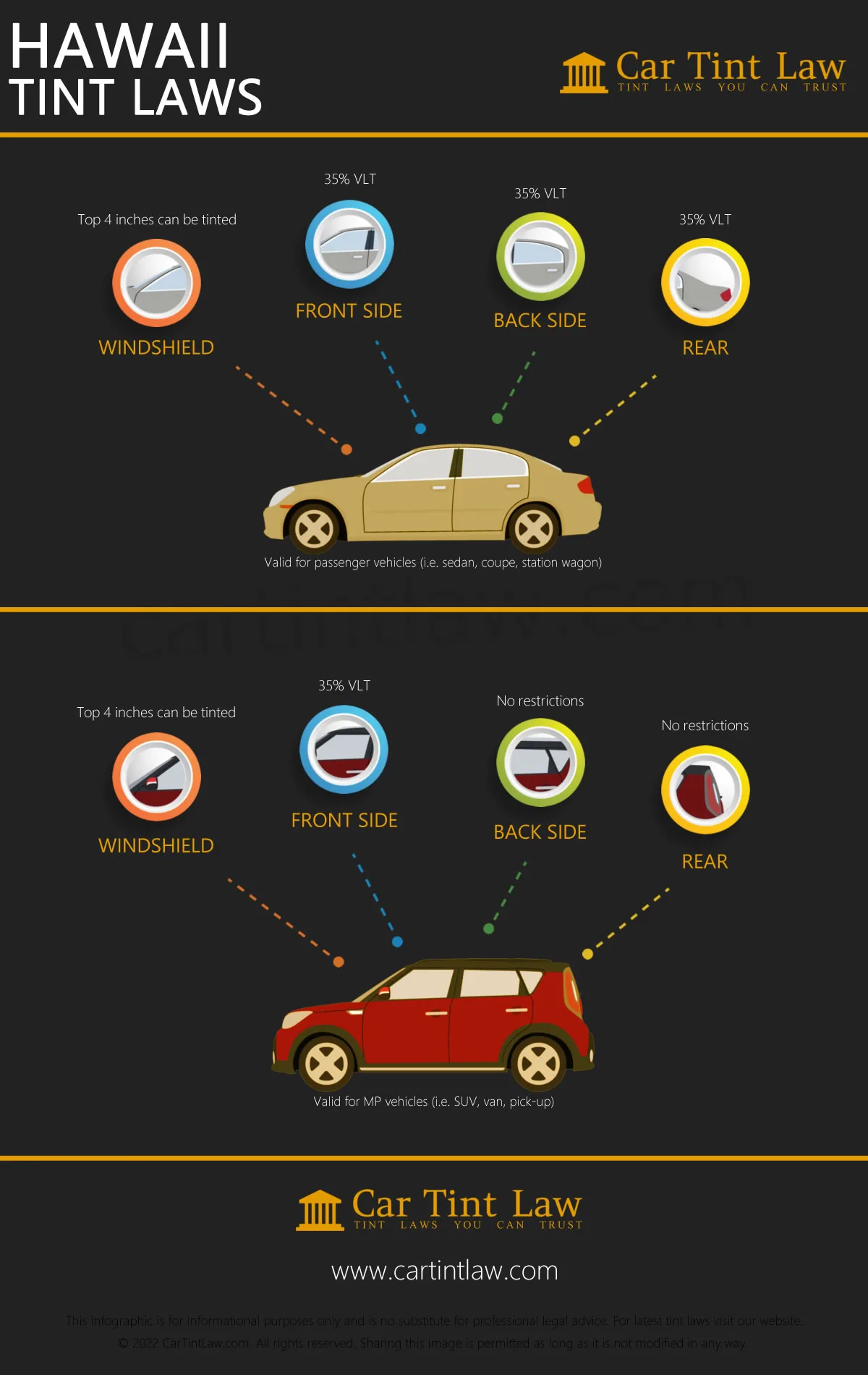
Hawaii window tinting legal limits and 35 percent light transmission rules require front side windows to allow at least 35% VLT. Rear side windows have no VLT limit. Windshields cannot have tint except for a small non-reflective strip at the top.
Tint must not be reflective or use prohibited colors like red or amber.
The 35% Light Transmission Rule Explained
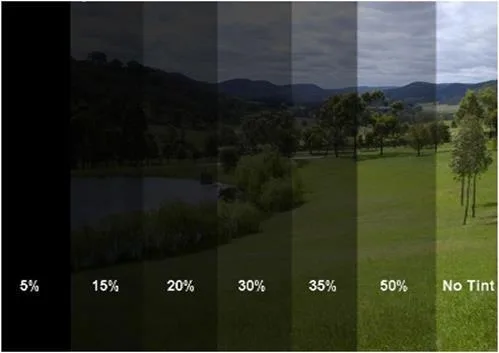
Visible Light Transmission (VLT) measures how much light passes through your window tint. In Hawaii, the front side windows, driver and passenger, must allow at least 35% of light to pass through. This means the tint can block up to 65% of light, but no more.
The rule applies to aftermarket tint and factory-installed tint alike. If your car came with darker windows, they must still meet the 35% VLT standard. Police use tint meters to check compliance during traffic stops.
For more on how other states handle similar regulations, check out Connecticut’s approach to window tinting.
Which Windows Have the 35% VLT Limit in Hawaii?
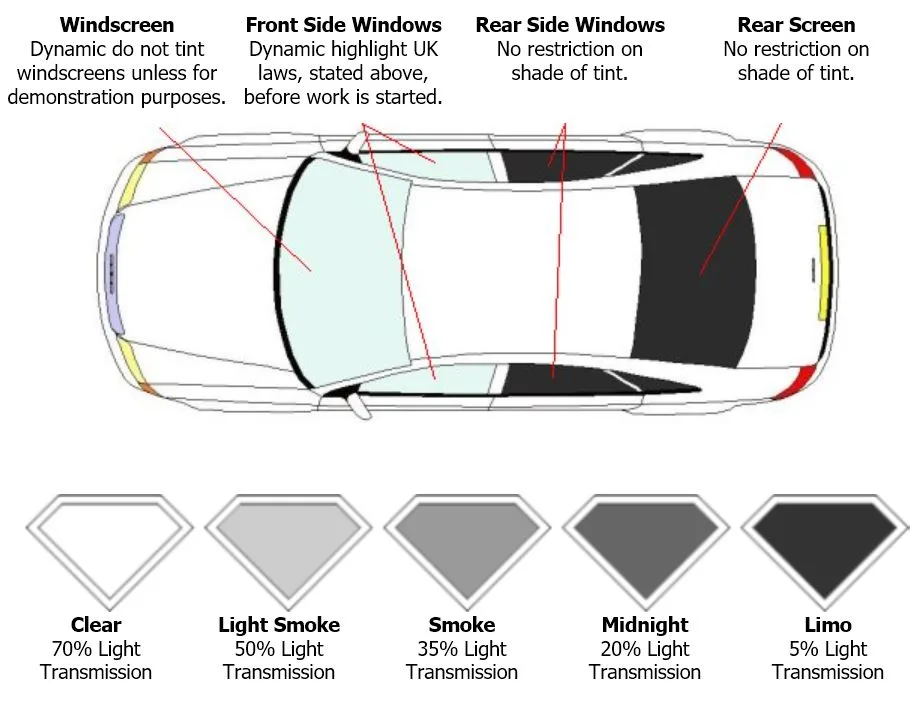
The 35% VLT rule applies specifically to the front side windows. These are the windows immediately to the left and right of the driver and front passenger. The law does not restrict how dark the rear side windows or rear windshield can be, as long as the tint is not reflective.
Windshields are a different story. Hawaii prohibits any tint on the windshield except for a non-reflective strip along the top, typically 4 to 6 inches. This strip is often factory-installed and is the only exception.
Hawaii’s Rules for Rear Windows, Windshields, and Tint Colors
Rear side windows and the rear windshield can have any level of darkness, but the tint must not be reflective. Reflective tint can create glare for other drivers, which is why it’s banned. Additionally, Hawaii prohibits certain tint colors, including red, amber, and yellow.
These colors can interfere with traffic signals and emergency vehicle lights.
Windshields must remain clear, with the only exception being the small non-reflective strip at the top. This ensures drivers have unobstructed visibility, which is critical for safety.
How Hawaii Enforces Tint Laws (Fines, Inspections, and Police Stops)
Hawaii takes window tint laws seriously. Police officers can pull you over if they suspect your tint is too dark. They use a tint meter to measure the VLT percentage on your windows.
If your front side windows fall below 35% VLT, you could face a fine, typically ranging from $100 to $500, depending on the county.
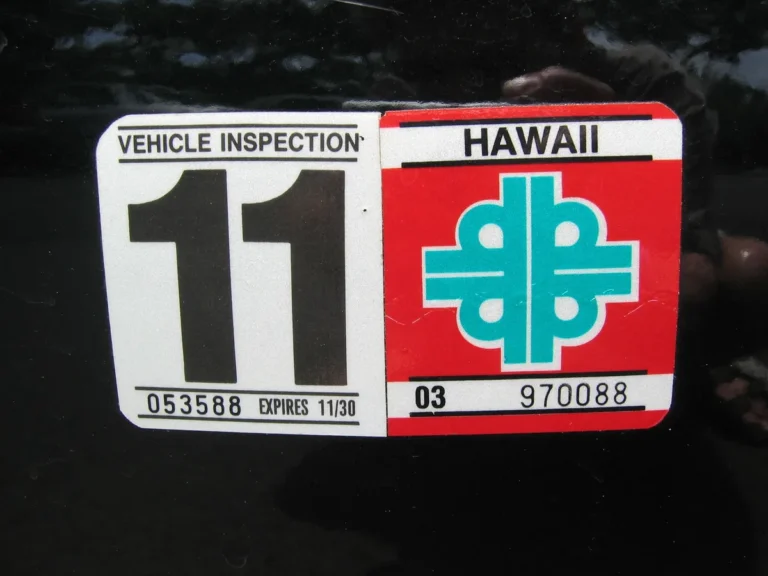
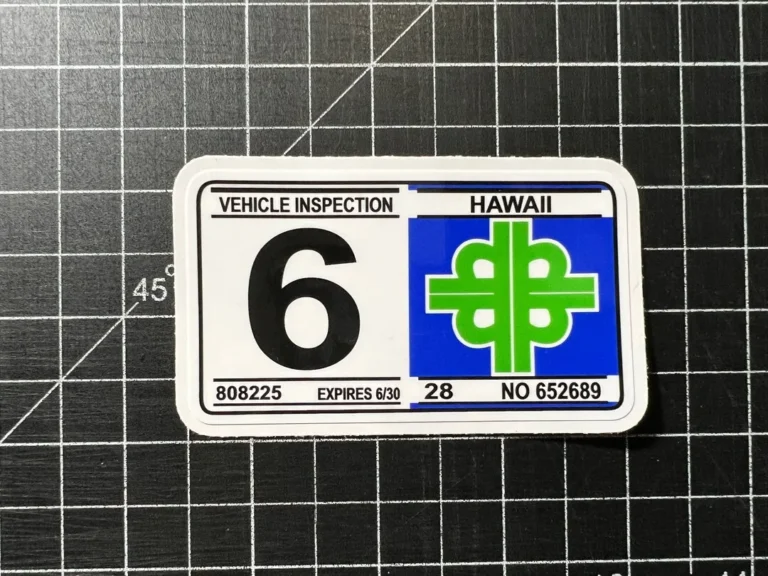
During your annual or biennial vehicle inspection, the inspector will also check your window tint. If it doesn’t meet the legal standards, your car will fail inspection, and you’ll need to remove or replace the tint before it can pass.
For official details, refer to the Hawaii Department of Transportation.
Medical Exemptions: When You Can Go Darker Than 35%
Hawaii allows darker tint on front side windows if you have a medical exemption. This requires a doctor’s certification stating that a light-sensitive condition necessitates reduced light transmission. The exemption must be approved by the Hawaii Department of Transportation.
The process involves submitting a completed application with your doctor’s recommendation. Once approved, you’ll receive a permit that must be carried in your vehicle at all times. Without this permit, darker tint is still illegal.
How to Check if Your Tint is Legal (Tools and Methods)
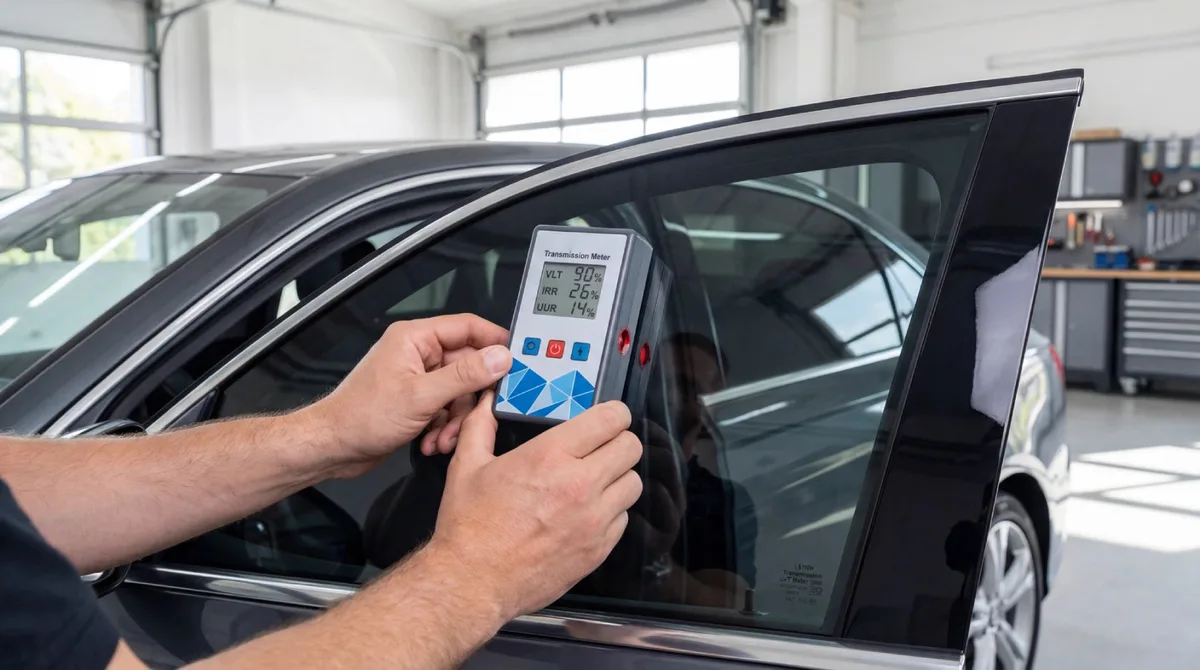
The most reliable way to check your tint is with a VLT meter. These devices measure the percentage of light passing through your windows. Police use them during traffic stops, and you can buy or borrow one for a quick check.
If you don’t have a meter, compare your windows to a known legal tint. Many tint shops will test your windows for free. Just remember that visual checks aren’t as accurate as a meter.
Common Mistakes That Get Hawaii Drivers Fined
Assuming factory tint is always legal is a common mistake. Some vehicles come with darker windows that don’t meet Hawaii’s 35% VLT requirement. Always verify, even if the tint was installed by the manufacturer.
Another mistake is ignoring the reflectivity rule. Even if your tint meets the VLT requirement, it’s illegal if it’s reflective. Hawaii bans reflective tint entirely, so check both darkness and reflectivity.
What Happens If Your Tint Is Too Dark?
If your tint is too dark, you’ll likely receive a citation during a traffic stop. The fine can range from $100 to $500, depending on the county. You’ll need to remove or replace the illegal tint to avoid further penalties.
Failing your vehicle inspection is another consequence. If your tint doesn’t meet the legal standards, your car won’t pass inspection. You’ll have to fix the issue and return for a re-inspection.
How to Fix Illegal Tint (Removal vs. Replacement)
Removing illegal tint is often the quickest solution. You can peel it off yourself or have a professional do it. Be careful not to damage the window’s defroster lines or leave adhesive residue.
Replacement is another option if you want to keep some tint. Choose a legal shade that meets Hawaii’s 35% VLT requirement for front side windows. A professional installer can ensure the new tint complies with all state regulations.
Hawaii vs. Other States: How Tint Laws Compare
Hawaii’s 35% VLT rule for front side windows is stricter than some states but more lenient than others. California requires 70% VLT on front sides, while states like Texas allow 25%. Always check local laws when traveling or moving.
Rear window rules also vary. Some states restrict rear tint darkness, but Hawaii doesn’t. Windshield tint is almost universally restricted, with most states banning it entirely except for a small top strip.
Pro Tips for Choosing Legal, High-Quality Tint in Hawaii
Look for tint that explicitly states it meets Hawaii’s 35% VLT requirement. Reputable installers will know the local laws and can recommend compliant options. Avoid cheap DIY kits, as they often don’t meet legal standards.
Consider ceramic tint for better heat rejection without sacrificing visibility. It’s more expensive but offers superior UV protection and durability. Always ask for a warranty on both the product and installation.
Frequently Asked Questions
Is 20% tint legal in Hawaii?
No. Hawaii requires at least 35% VLT for front side windows. 20% tint is too dark and will result in a citation.
Can I tint my windshield in Hawaii?
No. Hawaii prohibits any tint on the windshield except for a small non-reflective strip at the top.
Do I need a permit for dark tint if I have a medical condition?
Yes. You must obtain a medical exemption permit from the Hawaii Department of Transportation. Carry it in your vehicle at all times.
What’s the fine for illegal tint in Hawaii?
Fines typically range from $100 to $500, depending on the county. You may also fail your vehicle inspection.
Can rear windows be as dark as I want?
Yes, as long as the tint isn’t reflective. Hawaii has no VLT restriction for rear side windows or the rear windshield.